
The human body is an astonishingly complex machine, an organic marvel of engineering that operates with remarkable precision. Far from being a simple input-output system, it functions as an advanced biocomputer, continuously processing vast amounts of data to maintain homeostasis and allocate energy resources. At the heart of this intricate system is the fundamental question of how the body “determines” its caloric needs—a process governed by an interplay of metabolic algorithms, dynamic feedback loops, and an internal sensor network, all of which modern technology is increasingly helping us to decode and optimize. Understanding this biological operating system from a technological vantage point offers profound insights into optimizing health, performance, and overall well-being.
The Body as an Advanced Biological System: Internal Algorithms at Play
Just like any sophisticated computing system, the body runs on a set of core programs and algorithms that dictate its energy expenditure. This internal programming is multifaceted, integrating baseline requirements with dynamic adjustments based on activity, nutrient intake, and environmental factors. Viewing these processes through a tech lens helps us appreciate their complexity and efficiency.
Basal Metabolic Rate (BMR): The Operating System’s Baseline Power
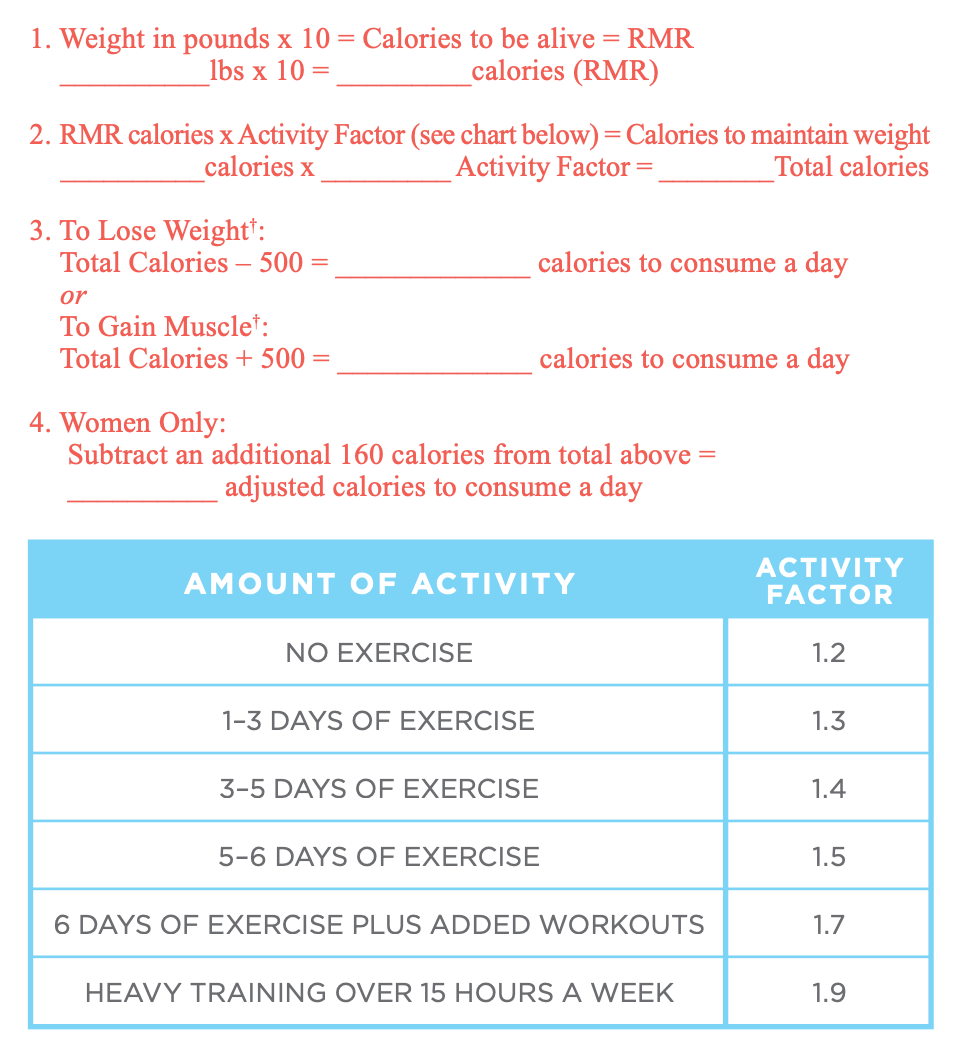
Every computer requires a certain amount of power to run its fundamental operations, even when idle. In the human body, this is analogous to the Basal Metabolic Rate (BMR). The BMR represents the minimum number of calories required to keep the body functioning at rest—to breathe, circulate blood, maintain body temperature, grow cells, and support organ function. It’s the “idle power consumption” of our biocomputer. This baseline power draw is influenced by several “hardware specifications”: our genetics, age, sex, and body composition (muscle mass consumes more energy than fat). The more efficient our “hardware,” or the greater our lean body mass, the higher this baseline energy requirement can be. Accurate BMR calculation, historically done via indirect calorimetry, is now increasingly approximated by advanced algorithms in smart scales and fitness trackers, providing users with a personalized baseline metric.
Activity Level & Thermic Effect of Food: Dynamic Processing and Energy Expenditure
Beyond the BMR, the body’s energy needs are dynamically adjusted based on its “workload.” This includes the calories expended through physical activity—from a simple walk to an intense workout—which can be thought of as the “CPU utilization” of our biological system. Wearable technology, with its accelerometers, gyroscopes, and heart rate monitors, excels at quantifying this activity data, translating movement into estimated caloric burn. Furthermore, the Thermic Effect of Food (TEF) adds another layer to this dynamic processing. Just as a computer expends energy to process data, the body expends energy to digest, absorb, and metabolize food. Different macronutrients have varying TEF values, essentially meaning some “data processing tasks” are more energy-intensive than others. This complex, real-time calculation of energy expenditure is constantly being updated by our internal systems, far surpassing the capabilities of any external tracking device in its precision and responsiveness.
Hormonal and Neurological Signaling: The Body’s Internal Sensor Network
The biocomputer’s ability to determine caloric needs relies heavily on a sophisticated internal sensor network, comprising hormonal and neurological signaling pathways. Hormones like leptin (signaling satiety and long-term energy stores) and ghrelin (stimulating hunger) act as crucial chemical messengers, providing feedback on the body’s energy status to the brain’s “control center”—the hypothalamus. Neuropeptides, neurotransmitters, and glucose levels further contribute to this intricate communication network. These signals provide real-time “data streams” that inform the brain about energy availability, prompting adjustments in hunger, satiety, and metabolic rate. Understanding the nuances of this internal sensor network is a burgeoning field, with genetic sequencing and advanced diagnostic tools beginning to map individual variations in these critical pathways, much like debugging a complex software system to understand its unique configurations.
Data Inputs and Feedback Loops: The Body’s Real-time Analytics
Like any intelligent system, the human body constantly monitors various data inputs and employs sophisticated feedback loops to ensure optimal resource allocation. This real-time analytics capability is what allows it to adapt to changing conditions and maintain energy balance.
Nutrient Sensing and Satiety Signals: Input Processing and Regulation
The moment food enters the body, a complex input processing sequence begins. Special “sensors” in the gut detect macronutrient composition (carbohydrates, fats, proteins), and the resulting signals are relayed to the brain. This “nutrient sensing” triggers the release of various gastrointestinal hormones (e.g., CCK, PYY, GLP-1) that act as satiety signals, communicating fullness and modulating appetite. It’s a sophisticated “data validation” and “feedback mechanism” that helps the body regulate food intake. The speed and intensity of these signals vary based on the food’s composition, explaining why nutrient-dense, high-fiber foods often lead to greater and more prolonged satiety than highly processed, calorically dense options. Modern nutritional science, often powered by large datasets and computational models, is striving to fully map these complex input-output relationships to design more effective dietary strategies.
Energy Stores and Adaptability: Dynamic Resource Management
The body also continuously monitors its internal “energy banks”—glycogen stores in the liver and muscles, and fat reserves in adipose tissue. These stores are like volatile and non-volatile memory, respectively. When glycogen levels are low, the body prioritizes replenishment and may signal increased hunger for carbohydrates. When fat reserves are abundant, signals like leptin are released to suppress appetite and increase energy expenditure, signaling to the system that there’s ample “storage capacity.” This dynamic resource management system ensures that the body adapts its caloric needs based on both immediate energy demands and long-term energy reserves. This adaptability is a testament to the body’s incredible design, allowing it to survive periods of famine and thrive in times of abundance by intelligently reallocating resources.
Genetic Predisposition: Hardwired Parameters and Configuration
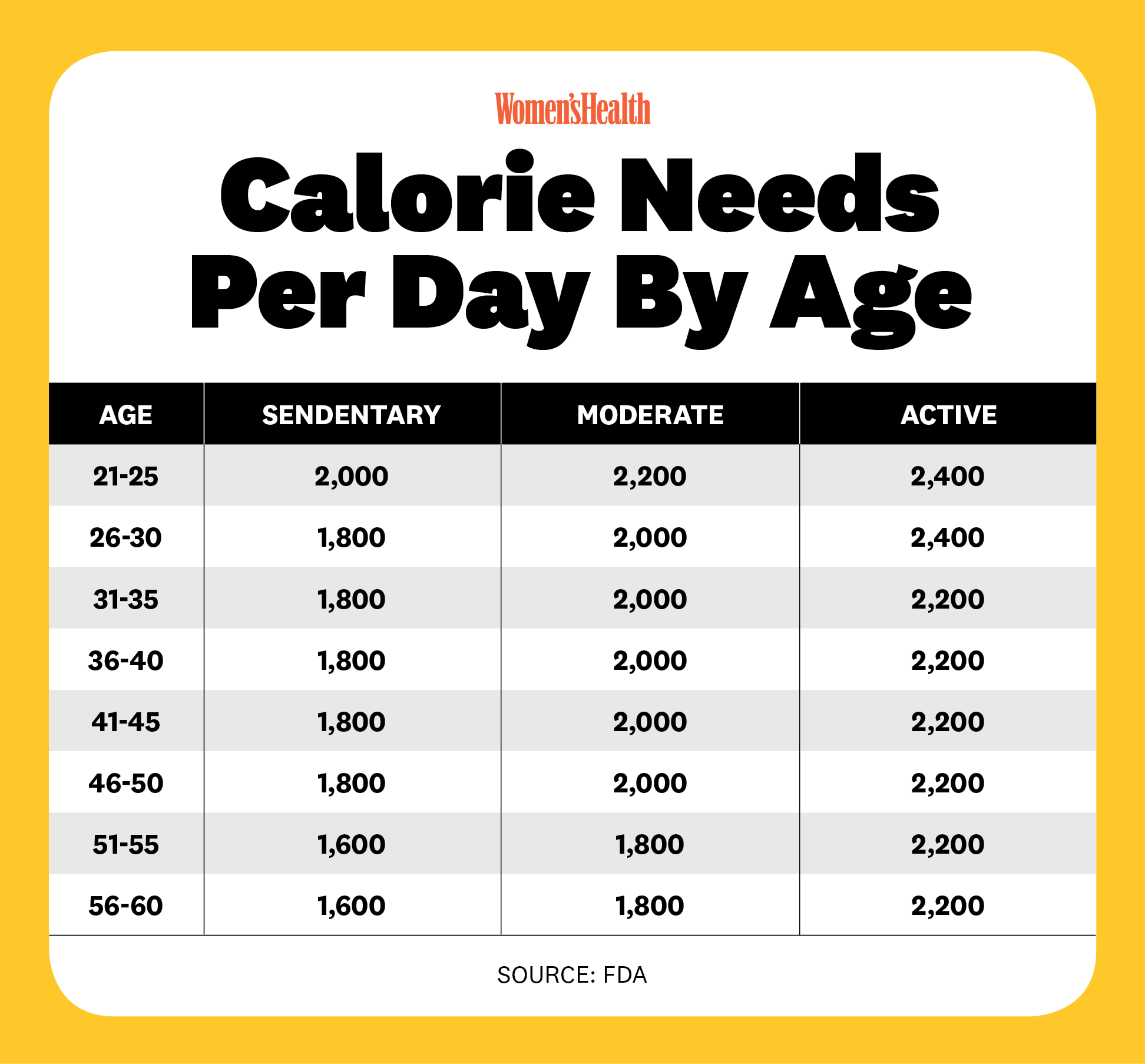
Underlying all these dynamic processes are hardwired genetic parameters—the “firmware” or “configuration files” that influence our individual metabolic blueprint. Genetic predispositions affect everything from BMR to the efficiency of fat storage, hormonal sensitivity, and even our preferences for certain tastes. While environmental factors and lifestyle choices play a significant role, our genes provide the foundational code that shapes our metabolic individuality. The burgeoning field of nutrigenomics, powered by advanced DNA sequencing and bioinformatics, is beginning to unlock these genetic secrets, allowing for increasingly personalized dietary and lifestyle recommendations. Understanding these hardwired parameters moves us closer to developing truly bespoke health interventions that acknowledge each individual’s unique biological operating system.
Leveraging Technology to Decode and Optimize Caloric Determination
While the body’s internal mechanisms are remarkably efficient, our understanding and ability to interact with them have been revolutionized by technological advancements. From tracking tools to predictive AI, technology is helping us bridge the gap between our biological “black box” and actionable insights.
Wearable Tech: Real-time Data Collection and Activity Tracking
Wearable devices—smartwatches, fitness bands, and even smart rings—have become ubiquitous data collection tools. Equipped with accelerometers, gyroscopes, optical heart rate sensors, and sometimes even galvanic skin response sensors, these devices provide real-time metrics on physical activity, heart rate variability, sleep patterns, and estimated calorie expenditure. They act as external peripherals that interface with our biological system, providing a continuous stream of data points. While their accuracy in precise caloric expenditure can vary, they offer invaluable trends and behavioral insights, empowering users to understand their activity levels and make informed decisions about their energy balance. The aggregation of this personal data creates a rich dataset for further analysis and optimization.
AI and Machine Learning: Predictive Modeling for Personalized Nutrition
The sheer volume of biological and behavioral data being collected today—from wearables, electronic health records, and genomic sequencing—is too vast for human analysis alone. This is where Artificial Intelligence (AI) and Machine Learning (ML) algorithms come into play. These advanced computational tools can analyze complex patterns in diverse datasets to create predictive models for personalized nutrition. AI can correlate an individual’s activity levels, sleep quality, dietary intake, and even genetic markers to provide increasingly accurate estimates of caloric needs and optimal macronutrient ratios. Future AI models might even integrate real-time metabolic responses, learning an individual’s unique “energy signature” to offer hyper-personalized dietary recommendations, acting as a sophisticated “bio-optimizer” for our internal systems.
Advanced Diagnostics: Unveiling Metabolic and Genetic Blueprints
Beyond everyday wearables, advanced diagnostic technologies are providing unprecedented insights into our internal metabolic landscape. Continuous Glucose Monitors (CGMs) offer real-time data on blood sugar responses to food, exercise, and stress, revealing individual metabolic sensitivities. Microbiome analysis, leveraging DNA sequencing, identifies the unique bacterial ecosystem in our gut, which plays a critical role in nutrient absorption and metabolic health. Genetic testing, as mentioned, uncovers predispositions to certain metabolic conditions or nutrient requirements. These sophisticated diagnostic tools are like performing a deep-level “system diagnostics” on our biocomputer, allowing scientists and healthcare professionals to unveil personalized metabolic and genetic blueprints, moving us beyond one-size-fits-all caloric recommendations.
The Future of Personalized Nutrition: Integrating Biology and Technology
The convergence of biological understanding and technological innovation is paving the way for a future where caloric determination and nutritional guidance are hyper-personalized, dynamic, and integrated directly into our lives.
Hyper-Personalized Dietary Interventions
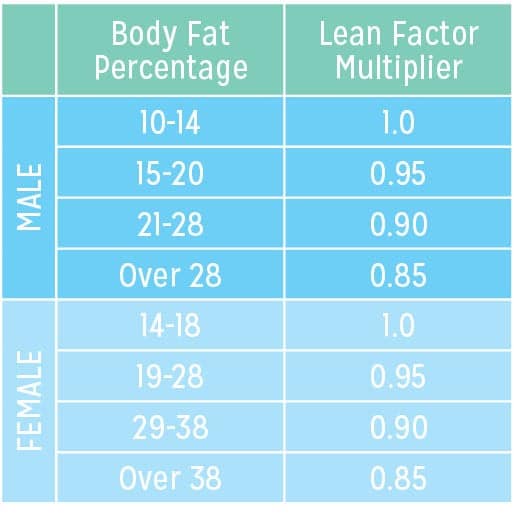
Imagine a future where your smart refrigerator, synced with your wearable data, genetic profile, and real-time metabolic markers (e.g., from a smart toilet analyzing waste, or a non-invasive blood sensor), automatically suggests meal plans tailored precisely to your current caloric needs and metabolic state. This isn’t science fiction; it’s the direction in which personalized nutrition is heading. AI-driven platforms will not only calculate your energy requirements but also factor in your unique microbiome, genetic predispositions, activity levels, stress, and sleep to recommend specific foods and meal timings that optimize your energy, mood, and long-term health. The goal is to move from generalized dietary advice to a dynamic, always-on nutritional “operating system” that constantly adapts to your body’s changing demands.
Bio-Feedback Systems for Caloric Management
Further down the line, we might see advanced bio-feedback systems that allow us to directly “interface” with our body’s caloric determination mechanisms. This could involve non-invasive sensors providing real-time feedback on nutrient utilization or energy expenditure that we can consciously adjust our behavior to. For instance, a device might indicate a shift in metabolic fuel usage (e.g., burning more fat vs. carbs), prompting a dietary adjustment. Such systems could empower individuals with unprecedented control over their metabolic health, transforming our relationship with food and energy from a passive consumption model to an active, informed partnership with our own internal biocomputer. The future of understanding and managing our caloric needs lies in seamlessly integrating our profound biological intelligence with the cutting-edge capabilities of technological innovation.
aViewFromTheCave is a participant in the Amazon Services LLC Associates Program, an affiliate advertising program designed to provide a means for sites to earn advertising fees by advertising and linking to Amazon.com. Amazon, the Amazon logo, AmazonSupply, and the AmazonSupply logo are trademarks of Amazon.com, Inc. or its affiliates. As an Amazon Associate we earn affiliate commissions from qualifying purchases.