
In the early 2010s, the image of a small white plastic cube plugged into an iPhone’s headphone jack became the face of a retail revolution. That device, the Square Reader, did more than just process credit cards; it democratized financial technology for the masses. Today, Square (a subsidiary of Block, Inc.) has evolved from a simple hardware attachment into a sophisticated, multi-layered technological ecosystem. To understand how Square works from a technical perspective, one must look beyond the physical swipe and into the complex interplay of hardware engineering, cloud-based software architecture, and advanced data security.
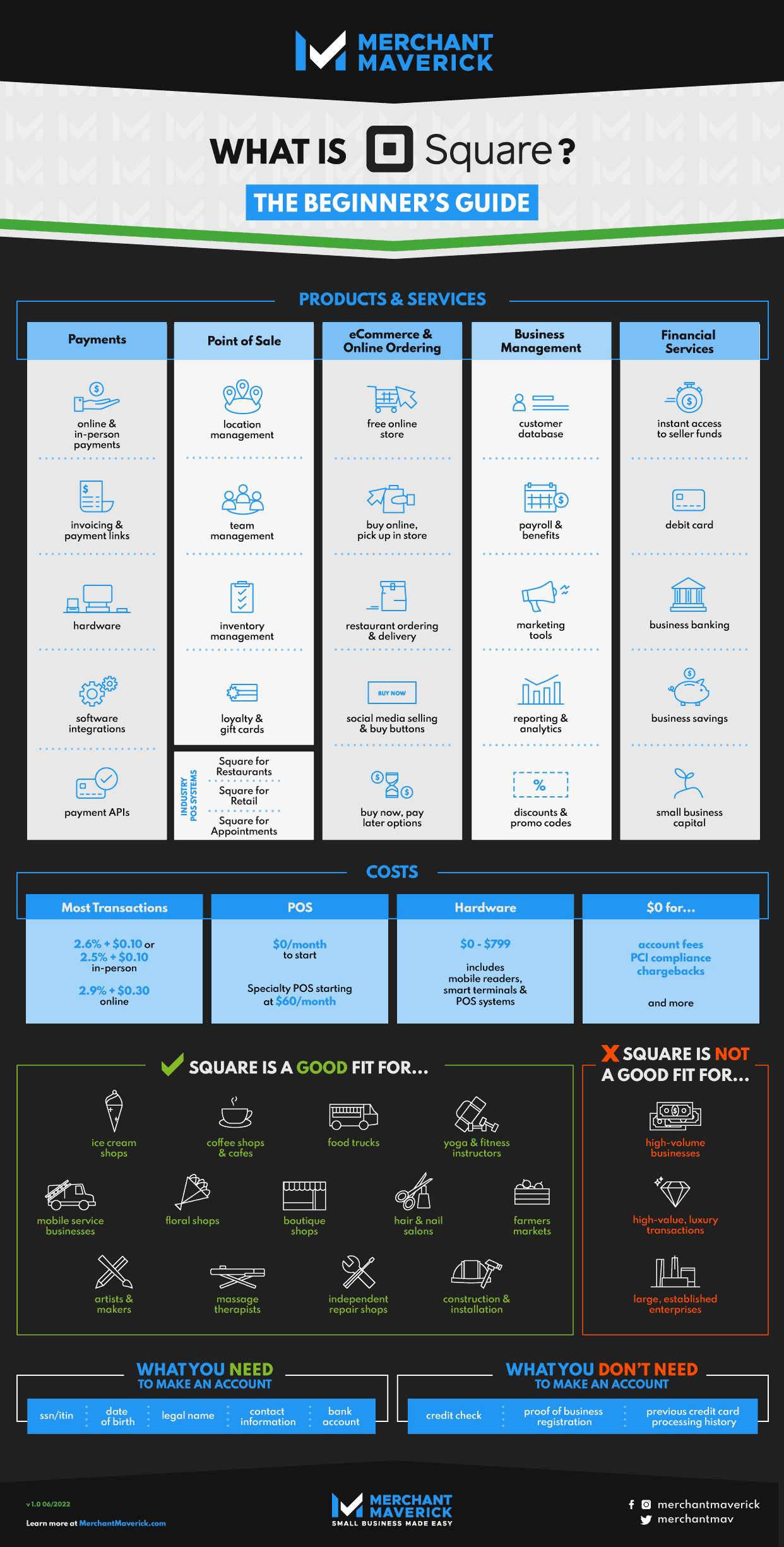
The Hardware Architecture: Bridging the Physical and Digital Divide
At its core, Square functions as the interface between a physical payment method—be it a plastic card, a smartphone, or a wearable—and the digital banking network. The hardware is the first point of contact in this technical journey.
The Evolution of the Reader: From Magstripe to NFC
The original Square Reader was a marvel of minimalist engineering. It converted the magnetic information on a credit card strip into an analog audio signal, which the smartphone then decoded into digital data. However, as technology progressed, so did Square’s hardware. Modern Square Readers utilize EMV (Europay, Mastercard, and Visa) technology and NFC (Near Field Communication).
EMV chips are significantly more complex than magnetic stripes. When a card is inserted into a Square terminal, the hardware establishes a secure, encrypted connection with the chip, performing a “cryptographic handshake” to verify the card’s authenticity. Meanwhile, NFC technology allows for “contactless” payments. The reader emits a short-range radio frequency field; when a device like an Apple Watch or a contactless card enters this field, data is exchanged wirelessly using ISO/IEC 14443 standards.
Integrated POS Systems: Square Register and Terminal
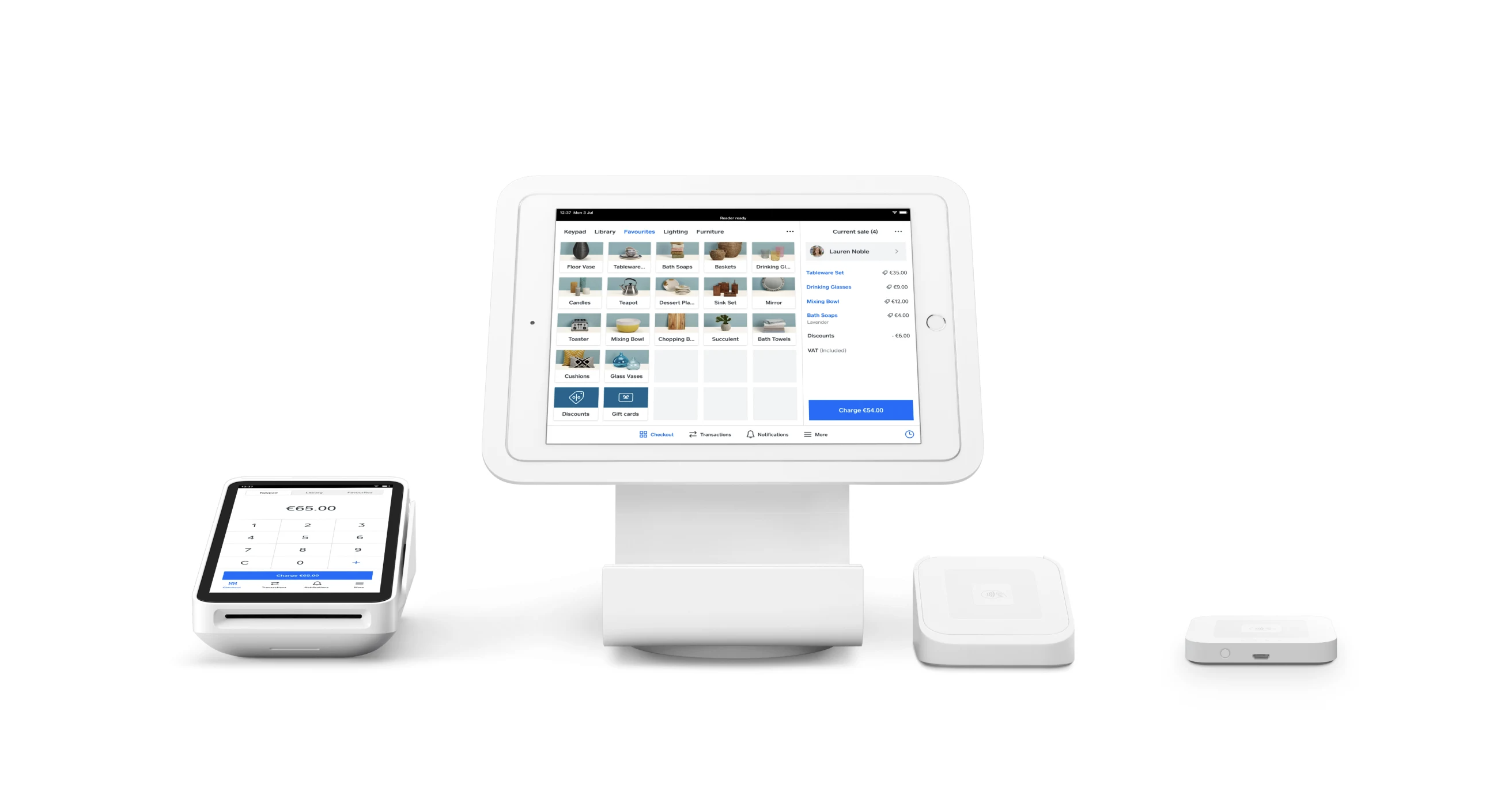
Square’s tech stack extends into dedicated enterprise hardware like the Square Register and Square Terminal. Unlike the mobile readers that rely on a consumer-grade smartphone’s processing power, these devices are purpose-built computers running a proprietary version of Android. They feature dual-screen setups—one for the merchant and one for the customer—connected via a high-speed internal bus. This hardware integration ensures low latency during the checkout process, managing everything from thermal printer drivers to Wi-Fi and Ethernet connectivity, all while maintaining a hardened security posture to prevent physical tampering.
The Software Engine: Cloud-Based Operations and SaaS Integration
While the hardware captures the data, the software is where the actual “work” happens. Square operates as a Software-as-a-Service (SaaS) platform, meaning the majority of its heavy lifting occurs on remote servers rather than on the local device.
The Point of Sale (POS) Interface
The Square POS application is the command center for the merchant. Built using robust frameworks (historically utilizing Java/Kotlin for Android and Swift for iOS), the app is designed to handle high-concurrency environments. When a merchant taps a button to add an item to a cart, the app isn’t just updating a local list; it is communicating with a cloud-based database. This allows for real-time synchronization across multiple devices. If a coffee shop has three registers running simultaneously, the software ensures that a “sold out” item on one screen is instantly reflected on the others through a persistent WebSocket connection or frequent API polling.
API Ecosystem and Third-Party Integrations
One of the most powerful technical aspects of how Square works is its extensible API (Application Programming Interface) layer. Square is not a “walled garden.” Through the Square Developer Platform, businesses can connect their Square accounts to third-party software like QuickBooks, Mailchimp, or custom-built e-commerce sites.
When a transaction occurs, Square’s webhooks—automated messages sent from apps when something happens—trigger actions in other systems. For example, a “payment.success” event can automatically trigger a digital receipt via an email API or update a CRM (Customer Relationship Management) system. This interoperability is built on RESTful API principles, allowing developers to query data in JSON format, making Square a flexible hub for business logic.
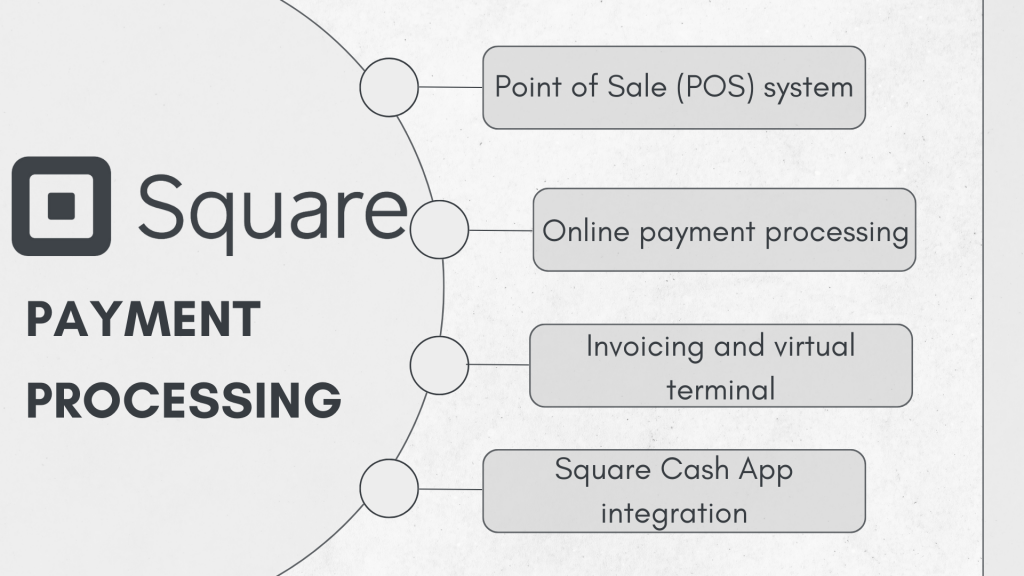
Security and Data Infrastructure: Protecting Every Transaction
When dealing with financial data, the technical stakes are incredibly high. Square’s primary responsibility is to move sensitive data across the internet without exposing it to malicious actors.
End-to-End Encryption and Tokenization
From the microsecond a card touches a Square reader, the data is encrypted. Square uses industry-standard AES (Advanced Encryption Standard) with 128-bit or 256-bit keys. Crucially, the encryption happens at the hardware level; the “unencrypted” card data never actually enters the merchant’s phone or tablet memory.
Once the data reaches Square’s servers, it undergoes “tokenization.” Instead of storing the actual credit card number (PAN), Square replaces the sensitive data with a randomly generated “token.” This token is what is used for future transactions or recurring billing. Because the token is useless to anyone who doesn’t possess Square’s internal decryption keys, it drastically reduces the “attack surface” for hackers and ensures the system remains PCI DSS (Payment Card Industry Data Security Standard) compliant.
AI-Driven Fraud Detection and Risk Management
Behind the scenes, Square employs massive machine learning clusters to analyze every transaction in real-time. As data packets arrive at the data centers, they are scrutinized by algorithms that look for patterns of fraudulent behavior. These models consider hundreds of variables: the geographic location of the transaction, the velocity of swipes on a specific device, and the historical behavior of the cardholder. If the AI detects an anomaly—such as a high-value transaction in a location inconsistent with the merchant’s profile—the software can programmatically challenge the transaction, requiring additional verification or declining it instantly to protect both the merchant and the consumer.
The Digital Ecosystem: Beyond Simple Payments
Square’s technical architecture is designed to handle more than just the transfer of money; it manages the entire lifecycle of a business’s data.
Inventory Management and Real-Time Analytics
Every transaction processed through Square is also a data point for inventory management. The system uses a centralized relational database (often utilizing technologies like PostgreSQL or Vitess for scaling) to track stock levels. When a “Medium Latte” is sold, the software decrements the inventory count in the cloud.
For the merchant, this data is visualized through the Square Dashboard—a sophisticated web application built with modern JavaScript frameworks like React. This dashboard provides deep-dive analytics, using data warehousing tools to aggregate months of transaction history into readable trends. The tech here involves complex “Extract, Transform, Load” (ETL) processes that turn raw transaction logs into actionable business intelligence.
E-commerce Synchronization and Omnichannel Solutions
In the modern tech landscape, the line between “online” and “offline” has blurred. Square solves this through an omnichannel synchronization engine. If a merchant sells a t-shirt on their Square-powered website, the system must immediately update the inventory for the physical store’s POS.
This requires a high-availability infrastructure. Square utilizes distributed systems and microservices architecture to ensure that even if one part of the system (like the marketing tool) experiences a delay, the core payment processing and inventory services remain online. By using containerization (like Docker and Kubernetes), Square can scale its server capacity up or down instantly based on global traffic, ensuring that on a high-volume day like Black Friday, the “how it works” remains seamless for millions of users.
Conclusion
Square works by masking immense technical complexity behind a user-friendly interface. It is a symphony of hardware engineering, encrypted data transmission, cloud computing, and real-time data analytics. By handling the difficult “plumbing” of the financial world—security, compliance, and multi-platform synchronization—Square allows businesses to operate in a digital-first world with nothing more than a mobile device and a connection to the cloud. What started as a simple way to “swipe a card” has become a masterclass in how integrated technology can redefine an entire industry.
aViewFromTheCave is a participant in the Amazon Services LLC Associates Program, an affiliate advertising program designed to provide a means for sites to earn advertising fees by advertising and linking to Amazon.com. Amazon, the Amazon logo, AmazonSupply, and the AmazonSupply logo are trademarks of Amazon.com, Inc. or its affiliates. As an Amazon Associate we earn affiliate commissions from qualifying purchases.