
Square has revolutionized how businesses of all sizes accept payments, transforming a once complex process into an accessible, intuitive financial tool. At its core, Square functions as an end-to-end payment processing solution, facilitating the movement of funds from a customer’s payment method to a merchant’s bank account. Understanding its mechanics is crucial for businesses aiming to optimize their financial operations, manage cash flow effectively, and leverage modern payment technologies to drive income.
The Core Transaction Flow: From Customer to Capital
The fundamental operation of Square involves a series of meticulously coordinated steps that ensure secure and efficient fund transfer. Whether a customer is swiping a card in a brick-and-mortar store or making a purchase online, Square orchestrates the transaction to provide businesses with swift access to their earnings.
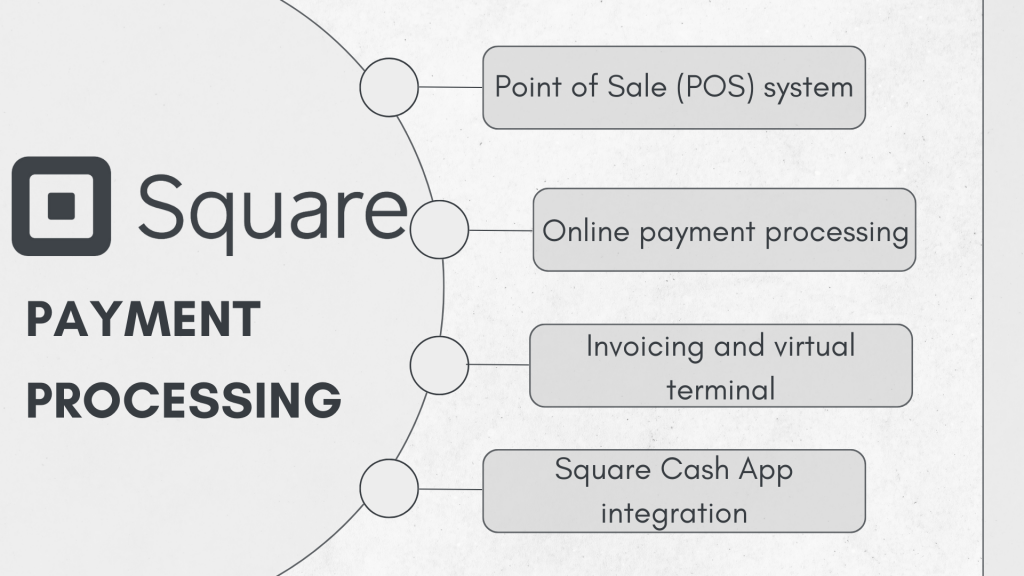
Point-of-Sale (POS) Transactions: Card-Present Scenario
For businesses operating with a physical presence, Square’s ecosystem shines through its intuitive Point-of-Sale (POS) system. This typically involves a Square hardware device – such as a Square Reader for magstripe, chip, and contactless payments, or a Square Terminal or Register – paired with the Square POS app on a smartphone, tablet, or a dedicated Square device.
- Initiation: A customer presents their debit or credit card for payment. The merchant enters the transaction amount into the Square POS app.
- Card Reading: The customer taps, dips, or swipes their card using the Square hardware. This action securely encrypts the card data at the point of interaction.
- Authorization Request: The encrypted transaction data is sent from the Square POS app, via the internet, to Square’s payment processing servers. Square then forwards this request to the customer’s card-issuing bank (e.g., Visa, Mastercard, American Express) for authorization.
- Authorization Response: The issuing bank verifies the customer’s funds or credit availability and checks for any fraud indicators. It then sends an approval or denial message back to Square.
- Transaction Completion: Square relays the authorization status to the merchant’s POS app. If approved, the transaction is complete, and a digital or printed receipt is generated. At this point, the funds are effectively “held” by the issuing bank, earmarked for transfer.
- Batching and Settlement: Throughout the day, approved transactions are batched together. At a predetermined time (usually daily), Square submits these batches to the acquiring bank (Square’s banking partner). The acquiring bank then facilitates the transfer of funds from the various issuing banks to Square’s merchant account.
- Merchant Payout: Square then deducts its processing fees and deposits the net amount into the merchant’s linked bank account, typically within one to two business days, although instant deposit options are available for an additional fee.
This streamlined process ensures that businesses can accept a wide range of payment types with confidence, knowing the financial flow is secure and well-managed.
Card-Not-Present Transactions: Online Sales & Invoicing
Square extends its financial utility beyond physical points of sale to cater to modern business needs, including online sales and remote invoicing. These “card-not-present” transactions follow a similar secure processing flow, adapted for digital environments.
- Online Store: Businesses using Square Online to power their e-commerce sites enable customers to enter their card details directly into a secure checkout page. Square’s robust payment gateway encrypts this data immediately.
- Invoicing: Merchants can send professional invoices directly from their Square Dashboard or POS app. Customers receive an email with a secure link to pay online by entering their card information.
- Virtual Terminal: For phone orders or manual entry, the Square Virtual Terminal allows merchants to securely input card details directly into their computer’s web browser, transforming almost any computer into a payment processing station.
In all these scenarios, the authorization, settlement, and payout steps mirror those of card-present transactions, ensuring consistent financial processing and timely access to funds, regardless of the sales channel. Square’s integrated approach means businesses can manage all revenue streams through a single financial ecosystem.
Understanding Square’s Fee Structure: Impact on Business Profitability
A critical aspect of how Square payment works, from a financial perspective, is its transparent and predictable fee structure. Unlike traditional payment processors that might have complex tiered pricing, monthly minimums, or hidden charges, Square operates on a straightforward per-transaction fee model, making it particularly attractive for small to medium-sized businesses looking to manage costs effectively.
Transaction Fees Explained
Square’s fees are typically a percentage of the transaction amount plus a fixed cents-per-transaction charge. The exact rates vary slightly depending on the type of transaction:
- Card-Present Transactions (Tapped, Dipped, Swiped): This is usually the lowest rate, as these transactions are considered less risky. The fee is applied instantly as part of the processing.
- Card-Not-Present Transactions (Online, Invoiced, Virtual Terminal): These transactions generally incur a slightly higher fee due to the increased risk of fraud when the physical card is not present.
- Manual Entry Transactions: Entering card details manually via the POS app typically carries the highest fee.
It’s important to note that these fees are deducted from the gross transaction amount before the net funds are deposited into the merchant’s bank account. There are no monthly fees, setup fees, or cancellation fees for basic Square payment processing, which significantly simplifies financial planning for businesses.
Impact on Business Profitability
The transparency of Square’s fee structure allows businesses to easily calculate their effective processing costs and factor them into their pricing strategies. For many small businesses and startups, the lack of fixed monthly costs means they only pay when they make a sale, which is a significant advantage for managing fluctuating income streams.

However, understanding these fees is vital for accurate financial forecasting and ensuring healthy profit margins. Businesses with high transaction volumes or low average transaction values might find the fixed cents-per-transaction component adding up. Conversely, the percentage-based fee scales with larger transactions. Businesses should regularly review their average transaction size and volume to ensure Square’s fee model remains optimal for their specific financial profile. Square also offers custom rates for businesses processing significant volumes, further demonstrating its adaptability as a financial partner.
Money Movement and Merchant Settlements: Ensuring Healthy Cash Flow
The speed and reliability with which a payment processor moves funds from a customer’s account to a merchant’s bank account are paramount for maintaining healthy business cash flow. Square excels in this area, offering various options to meet diverse business needs.
From Transaction to Bank Account
Once a transaction is authorized and completed, the financial journey of the money continues. Square acts as the bridge, efficiently settling funds.
- Daily Batching: All transactions processed by a merchant within a 24-hour period (typically ending at the close of business or a set cutoff time) are grouped into a single batch.
- Processing and Reconciliation: Square processes this batch, deducting applicable fees. This behind-the-scenes reconciliation ensures that the correct net amount is prepared for deposit.
- Standard Deposit Schedule: For most Square merchants, deposits are initiated within 36 hours of the transaction time and arrive in their linked bank account within one to two business days. This means funds from sales made on Monday evening might appear in the bank by Wednesday morning. This standard schedule is included in the basic processing fees.
- Instant Deposits: Recognizing the immediate cash flow needs of some businesses, Square offers an “Instant Deposit” feature. For an additional small fee (e.g., 1.75% per deposit), merchants can choose to have their funds deposited almost immediately (within minutes) into their bank account, 24/7, including weekends and holidays. This feature provides unparalleled flexibility for businesses that require rapid access to their earnings for inventory, payroll, or unexpected expenses.
- Square Checking: Square also offers its own checking account, integrated directly with its payment processing. Funds from Square sales can be deposited instantly into a Square Checking account with no additional fees, providing a seamless and immediate cash flow solution that bypasses traditional bank transfer times.
Managing Cash Flow with Square
Square’s payment processing functionality is designed to be more than just a transaction facilitator; it’s a tool for active cash flow management.
- Predictable Deposits: The standard deposit schedule, while not instant, is highly predictable, allowing businesses to forecast when funds will arrive and plan their expenditures accordingly.
- Flexibility with Instant Deposits: For urgent financial needs, instant deposits provide a safety net, ensuring businesses are never starved for liquidity. This flexibility is a significant advantage for managing unexpected costs or making timely payments.
- Integrated Banking: Square Checking further integrates the payment and banking experience, offering instant access to funds without extra fees and providing features like no minimum balance, no monthly fees, and a debit card, making it a comprehensive financial hub for businesses using Square.
- Customizable Deposit Schedules: Businesses can often customize their daily cut-off times for transactions, influencing when their daily batch closes and deposits are initiated, further aligning the system with their specific operational and financial rhythms.
By providing clear financial pathways and flexible options for accessing funds, Square empowers businesses to maintain robust cash flow, a cornerstone of sustainable growth and operational stability.
Square as a Comprehensive Financial Tool for Businesses
Beyond merely processing payments, Square has evolved into an expansive financial ecosystem designed to support and simplify various aspects of business finance. Its integrated platform offers tools that move far beyond simple transactions, assisting businesses in managing their entire financial lifecycle.
Integrated Financial Reporting
One of Square’s most powerful financial features is its robust reporting capabilities. Every transaction processed through Square is meticulously recorded and compiled into easily digestible reports accessible via the Square Dashboard.
- Sales Reports: Businesses can track daily, weekly, monthly, and annual sales performance, breaking down revenue by item, category, employee, or location. These reports are invaluable for understanding revenue trends, identifying best-selling products, and evaluating employee performance, all critical inputs for strategic financial planning.
- Payment Reports: Detailed reports on payment methods, card types, and transaction statuses help businesses understand customer payment preferences and monitor the success rate of various transaction types.
- Fee Summaries: Square provides clear breakdowns of all processing fees, enabling businesses to accurately reconcile their income statements and ensure they have a precise understanding of their net revenue.
- Tax Reports: The platform can generate reports that simplify tax preparation by categorizing sales and taxes collected, significantly reducing the administrative burden on small businesses during tax season.
These comprehensive financial reports are not just historical records; they are actionable insights that empower businesses to make informed financial decisions, optimize inventory, manage staffing, and set realistic revenue goals.

Expanding Beyond Basic Payments: Payroll, Loans, and More
Square’s commitment to supporting business finance extends to providing a suite of complementary financial services:
- Square Payroll: This integrated service streamlines employee payments, tax filings, and benefits administration. By linking directly to sales data, Square Payroll can help businesses manage their largest expense—wages—more efficiently, ensuring compliance and accurate payouts. This integration ensures that employee costs are accurately reflected against business income.
- Square Loans (Capital): Based on a business’s transaction history through Square, eligible merchants may receive proactive offers for small business loans. This offers a unique avenue for accessing working capital, with repayment automatically deducted as a percentage of daily sales, aligning loan repayment with the business’s actual financial performance. This provides flexible financing options for growth or unexpected needs.
- Square Invoicing: As mentioned, this tool allows businesses to send professional invoices, track their status, and accept payments, significantly improving accounts receivable management and ensuring timely collection of outstanding funds.
- Square Banking (Checking & Savings): Beyond payment processing, Square offers integrated banking solutions, including business checking accounts for instant access to funds and savings accounts designed to help businesses build reserves, all within the Square ecosystem.
By integrating these diverse financial tools, Square transforms from a simple payment processor into a holistic financial partner. It enables businesses to manage sales, track income, control expenses, access capital, and streamline back-office operations, all through a single, intuitive platform. This comprehensive approach empowers entrepreneurs and small business owners to focus less on complex financial logistics and more on growing their businesses and maximizing their profitability.
aViewFromTheCave is a participant in the Amazon Services LLC Associates Program, an affiliate advertising program designed to provide a means for sites to earn advertising fees by advertising and linking to Amazon.com. Amazon, the Amazon logo, AmazonSupply, and the AmazonSupply logo are trademarks of Amazon.com, Inc. or its affiliates. As an Amazon Associate we earn affiliate commissions from qualifying purchases.