
In an era of escalating healthcare costs, particularly the ever-increasing price of prescription medications, financial tools that empower consumers to manage these expenses are invaluable. SingleCare has emerged as a prominent player in this space, offering a transparent and accessible solution for reducing out-of-pocket costs on prescriptions. Understanding “how SingleCare works” is not merely about its operational mechanics; it’s about dissecting a sophisticated financial model designed to put more money back into the pockets of individuals and families. This article delves into the intricate workings of SingleCare, exploring its financial underpinnings, the value it provides, and how consumers can leverage it for optimal financial health.
Understanding the Rising Cost of Prescriptions: The Financial Challenge SingleCare Addresses
The United States healthcare system is notorious for its complexity and high costs, with prescription drugs often representing a significant financial burden for many. Even individuals with comprehensive health insurance plans can face substantial co-pays, deductibles, and medication prices that make essential treatments financially prohibitive. This challenging financial landscape is precisely where services like SingleCare carve out their niche, offering a much-needed alternative.
The Unpredictable Nature of Drug Pricing
One of the most frustrating aspects of prescription drug costs is their inherent unpredictability. Prices for the same medication can vary dramatically not only between different pharmacies but also on a day-to-day basis within the same chain. Factors such as a pharmacy’s purchasing agreements, generic versus brand-name availability, and regional market dynamics all contribute to this variability. This lack of transparency makes it incredibly difficult for consumers to budget effectively for their healthcare needs, often leading to tough financial choices between treatment and other essential expenses.
Gaps in Insurance Coverage and High Deductibles
For many insured individuals, the assumption is that their health plan will cover the majority of their prescription costs. However, this is not always the case. High-deductible health plans, a common choice in employer-sponsored benefits, require individuals to pay a substantial amount out-of-pocket before insurance coverage kicks in. Even after meeting a deductible, co-pays for certain medications can remain high, especially for specialty or brand-name drugs. Furthermore, some medications may not be covered by an insurance plan’s formulary at all, leaving the patient to bear the full cash price. SingleCare directly addresses these financial gaps, providing a reliable alternative when traditional insurance falls short.
The Burden on the Uninsured and Underinsured
The financial strain of prescription costs is particularly acute for the millions of uninsured and underinsured Americans. Without the negotiating power of an insurance provider, these individuals often pay the full, undiscounted cash price for their medications, which can be exorbitant. SingleCare offers a lifeline in these situations, providing access to negotiated prices that would otherwise be unavailable, thereby improving medication adherence and reducing the risk of medical debt. By demystifying drug prices and offering transparent discounts, SingleCare directly tackles a critical component of personal finance management within the healthcare sector.
SingleCare’s Core Mechanism: How It Delivers Financial Savings
At its heart, SingleCare operates as a financial intermediary, negotiating lower prices for prescription drugs and making those discounts accessible to consumers at no direct cost. The elegance of its model lies in its simplicity for the end-user, while its backend relies on complex financial agreements and data aggregation.
The Power of Price Negotiation and Pharmacy Benefit Managers (PBMs)
SingleCare doesn’t directly set drug prices; instead, it leverages the negotiating power of Pharmacy Benefit Managers (PBMs). PBMs are third-party administrators contracted by health insurance companies, large employers, and other healthcare payers to manage prescription drug programs. They act as intermediaries between drug manufacturers, pharmacies, and health plans, primarily focusing on negotiating discounts and rebates to control prescription costs.
SingleCare partners with these PBMs and directly with pharmacies to establish a network of discounted prices. By aggregating the potential volume of prescriptions from all SingleCare users, the service gains significant leverage in these negotiations, securing rates that are often lower than the standard cash price or even some insurance co-pays. When a user presents a SingleCare card, they are essentially accessing these pre-negotiated, bulk-rate prices.
How Users Access and Utilize Discounts
The process for accessing SingleCare discounts is designed to be user-friendly and financially transparent:
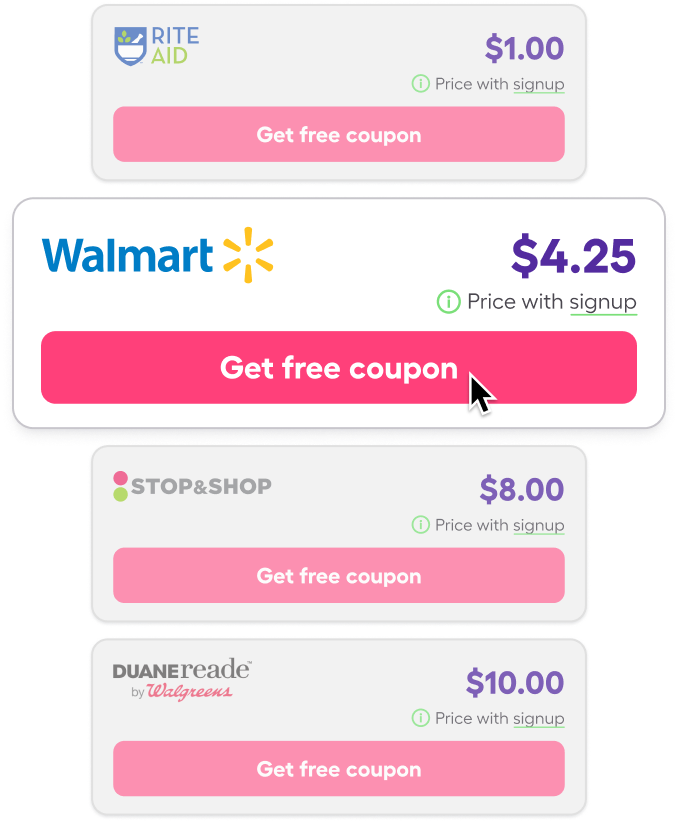
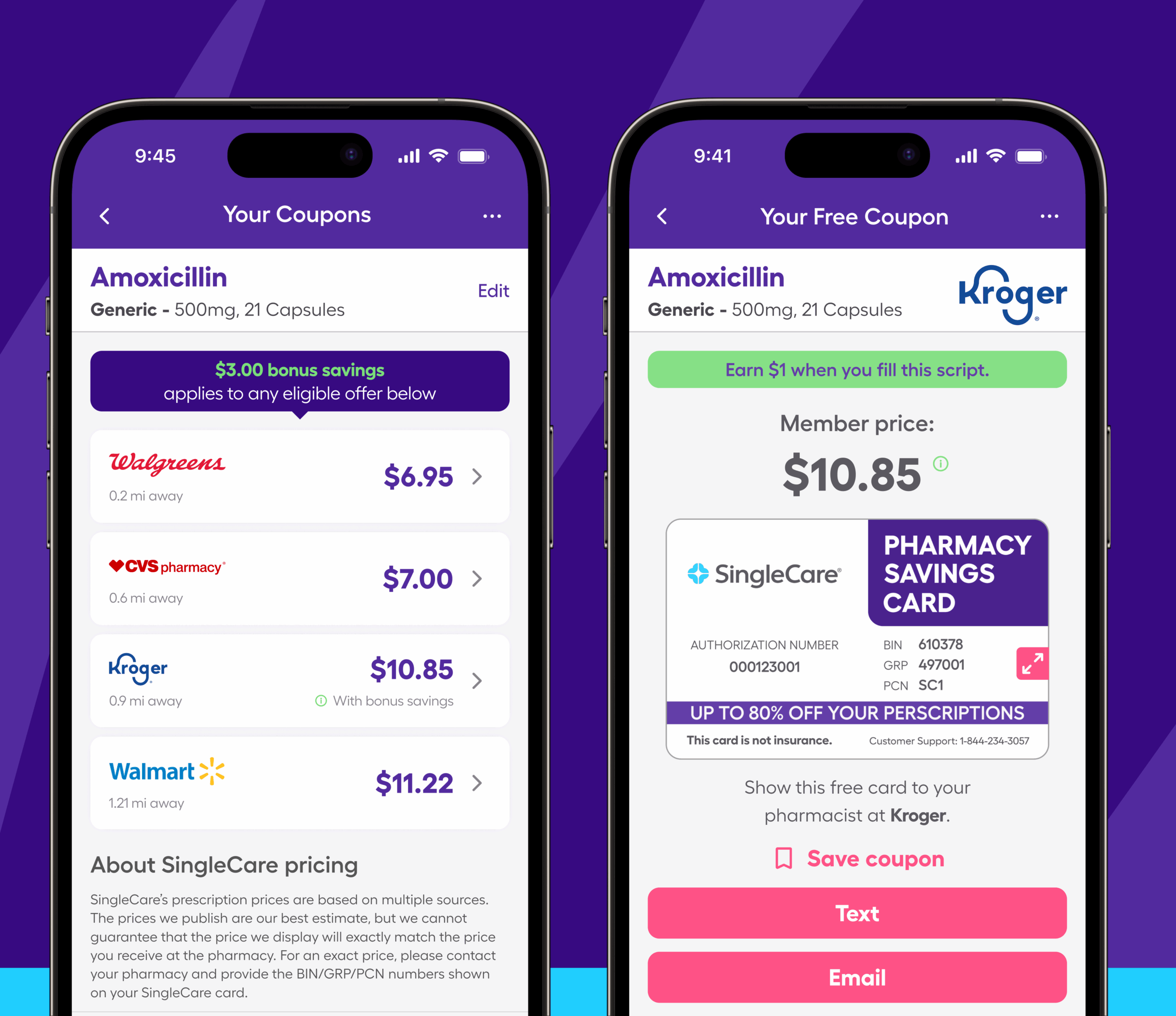
- Search and Compare: Users visit the SingleCare website or use their mobile app. They enter the name of their prescription drug, dosage, and their location. The platform then displays a list of participating pharmacies in the area, along with the discounted SingleCare price at each location. This real-time price comparison empowers consumers to make informed financial decisions, choosing the pharmacy that offers the best value.
- Generate Your Savings Card/Coupon: Once a user selects a pharmacy and sees the desired price, they can generate a digital savings card or print a coupon. This “card” isn’t a credit card; it’s a unique identifier that contains specific codes (BIN, PCN, Group ID) necessary for the pharmacy to process the discount.
- Present at the Pharmacy: When picking up their prescription, the user presents their SingleCare card/coupon to the pharmacist. The pharmacist enters the codes into their system, which then calculates the discounted price based on SingleCare’s negotiated rates.
- Pay the Discounted Price: The user pays the displayed SingleCare price directly to the pharmacy. There are no claims to file, no deductibles, and no waiting for reimbursement. It’s a direct, point-of-sale discount.
The Relationship with Your Insurance
A common question is whether SingleCare replaces insurance. The answer is nuanced: SingleCare is a complementary tool, not a substitute for health insurance. Users can choose to use SingleCare instead of their insurance if SingleCare offers a better price, but they cannot combine the two. When using SingleCare, the purchase typically does not count towards an insurance deductible or out-of-pocket maximum, as it’s an outside transaction. This makes SingleCare particularly useful in scenarios where a medication’s cash price with SingleCare is lower than an insurance co-pay, or when an individual hasn’t met their deductible yet.
Maximizing Your Savings: Leveraging SingleCare for Optimal Financial Health
Beyond simply understanding how SingleCare works, knowing how to strategically integrate it into your financial planning for healthcare can yield substantial benefits. It’s a tool that, when used wisely, can significantly reduce your annual medical expenditure.
The Strategy of Price Comparison: Always Check SingleCare First
One of the most effective strategies for maximizing savings is to make checking SingleCare a routine part of your prescription acquisition process. Even if you have insurance, always compare the SingleCare price against your insurance co-pay. It’s not uncommon for SingleCare’s negotiated rate to beat a typical insurance co-pay, especially for generic medications. This simple act of comparison can save you tens or even hundreds of dollars over the course of a year, directly impacting your personal budget.
Exploring Generic Alternatives for Enhanced Savings
While SingleCare offers discounts on both brand-name and generic drugs, the most significant percentage savings often come from generic equivalents. Pharmacists can often suggest a generic alternative if available. Using SingleCare to compare prices for generics across different pharmacies further amplifies your potential savings. Making informed choices about generic options, combined with SingleCare’s pricing transparency, is a cornerstone of smart medication financial management.
Utilizing SingleCare for Non-Covered Medications
For prescriptions not covered by your insurance formulary, SingleCare becomes an indispensable financial resource. Rather than paying the full, often exorbitant, cash price, SingleCare can provide access to substantial discounts. This prevents unexpected high costs from derailing your budget and ensures you can still access necessary treatments without undue financial stress. It effectively expands your access to affordable medication, irrespective of insurance limitations.
No Eligibility Requirements: A Universal Financial Tool
One of SingleCare’s most powerful financial advantages is its universal accessibility. Unlike many assistance programs that have strict income or eligibility requirements, SingleCare is available to everyone, regardless of insurance status, income level, or existing health conditions. This makes it a truly democratic financial tool for healthcare, ensuring that anyone can benefit from its negotiated prices without jumping through bureaucratic hoops.
Beyond Discounts: The Broader Financial Impact and Business Model
SingleCare’s impact extends beyond individual transaction savings, influencing broader financial habits and operating on a sustainable business model that allows it to remain free for consumers. Understanding these facets provides a holistic view of its financial significance.
Financial Empowerment and Budgeting for Healthcare
By providing transparent and predictable pricing, SingleCare empowers consumers to take greater control over their healthcare finances. Knowing the exact cost of a medication before arriving at the pharmacy allows for better budgeting and avoids the sticker shock that often accompanies prescription pickups. This predictability is a crucial element of sound personal finance, enabling individuals to allocate funds more effectively and reduce financial anxiety related to health costs. It shifts the dynamic from reactive spending to proactive financial planning.
SingleCare’s Business Model: How It Stays Free
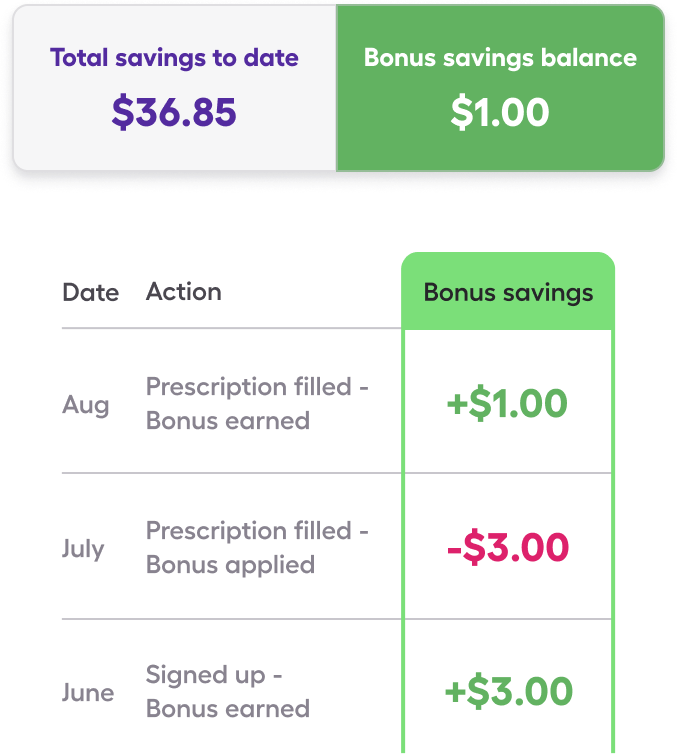
A common question is how SingleCare sustains itself without charging membership fees or requiring user payments. SingleCare operates on a transaction-based revenue model. When a user fills a prescription using a SingleCare card, SingleCare receives a small fee from the Pharmacy Benefit Manager (PBM) or directly from the pharmacy. This fee is a percentage of the discount they helped facilitate or a fixed amount per transaction. This “shared savings” model incentivizes SingleCare to negotiate the best possible prices for consumers, as their revenue is directly tied to the utilization of their service. It’s a win-win: consumers save money, and SingleCare earns revenue for facilitating those savings.
Contribution to Overall Healthcare Affordability
While SingleCare primarily focuses on individual savings, its widespread adoption contributes to a broader ecosystem of healthcare affordability. By increasing price transparency and offering competitive rates, it indirectly puts pressure on other market players to re-evaluate their pricing strategies. It encourages a more informed consumer base, which is a powerful force for change in any market, including healthcare. By reducing the financial barriers to medication access, SingleCare helps improve medication adherence, which in turn can lead to better health outcomes and potentially fewer costly emergency interventions down the line.
In conclusion, SingleCare is far more than just a discount card; it’s a sophisticated financial tool strategically designed to navigate the complexities and costs of prescription medication. By understanding its operational mechanics, leveraging its price comparison capabilities, and recognizing its broader financial implications, consumers can significantly enhance their personal financial health while ensuring access to essential medications. In the ongoing battle against rising healthcare costs, SingleCare offers a powerful, accessible, and financially intelligent solution for millions.
aViewFromTheCave is a participant in the Amazon Services LLC Associates Program, an affiliate advertising program designed to provide a means for sites to earn advertising fees by advertising and linking to Amazon.com. Amazon, the Amazon logo, AmazonSupply, and the AmazonSupply logo are trademarks of Amazon.com, Inc. or its affiliates. As an Amazon Associate we earn affiliate commissions from qualifying purchases.