
Buying a car is a significant financial decision for most individuals, often representing one of the largest purchases made outside of a home. For many, securing a car loan is a necessary step to turn that dream into a reality. However, navigating the world of car loans can be complex, with one of the most crucial elements being “interest.” Understanding how interest works on car loans isn’t just about knowing your monthly payment; it’s about grasping the true cost of borrowing and empowering yourself to make smarter financial choices. This article will delve deep into the mechanics of car loan interest, demystifying the calculations, identifying influencing factors, and equipping you with strategies to manage and minimize these costs.
Understanding the Fundamentals of Car Loan Interest
Before we dissect the intricacies, let’s establish a foundational understanding of what interest truly represents in the context of a car loan. It’s more than just an extra fee; it’s the core cost of borrowing money.
What is Interest?
At its simplest, interest is the cost you pay to borrow money from a lender. When you take out a car loan, a bank, credit union, or other financial institution provides you with the funds to purchase a vehicle. In return for this service and the risk they undertake, they charge you interest. This interest is typically expressed as an annual percentage rate (APR), which determines how much you’ll pay above the principal amount (the original sum borrowed) over the life of the loan. Think of it as the rent you pay for using someone else’s money.
Key Components of Your Car Loan
A car loan isn’t just a single number; it’s an amalgamation of several key components that collectively determine your overall financial obligation.
- Principal: This is the initial amount of money you borrow to buy the car. If the car costs $30,000 and you put down $5,000, your principal loan amount would be $25,000.
- Interest Rate: This is the percentage charged by the lender for the use of their money. A higher interest rate means you pay more for the privilege of borrowing.
- Loan Term: Also known as the loan duration, this is the length of time you have to repay the loan, typically expressed in months (e.g., 36, 48, 60, 72, or even 84 months). The loan term directly impacts both your monthly payment and the total interest paid over time.
- Monthly Payment: This is the fixed amount you pay back to the lender each month, which includes a portion of the principal and a portion of the interest.
The Role of Your Credit Score
Your credit score is arguably the most significant determinant of the interest rate you’ll be offered on a car loan. Lenders use your credit score as a quick assessment of your creditworthiness – essentially, how likely you are to repay the loan on time.
- Excellent Credit (720+): Borrowers with excellent credit histories are seen as low-risk and typically qualify for the lowest interest rates available. This translates to significant savings over the life of the loan.
- Good Credit (660-719): Still considered reliable, borrowers in this range can expect competitive rates, though slightly higher than those with excellent credit.
- Fair Credit (600-659): This range might indicate some past financial hiccups, leading to moderate interest rates. Lenders perceive a slightly higher risk.
- Poor Credit (Below 600): Borrowers with poor credit are considered high-risk. Lenders will often charge substantially higher interest rates to offset this perceived risk, making the loan significantly more expensive.
Improving your credit score before applying for a car loan can literally save you thousands of dollars, underscoring its pivotal role in the interest calculation process.
Demystifying Interest Calculation Methods
While the concept of interest seems straightforward, its actual calculation and how it’s applied over the life of a loan involves specific methods. Understanding these will give you clarity on where your money is going with each payment.
Simple Interest Explained
Most car loans use a simple interest calculation method. This means that interest is calculated daily on your outstanding principal balance. Unlike compounding interest (common in credit cards or some mortgages where interest can be charged on previously accrued interest), simple interest for car loans ensures you only pay interest on the money you still owe.
Here’s how it typically works:
- Daily Interest Rate: Your annual interest rate is divided by 365 (or 360, depending on the lender) to get a daily rate.
- Daily Interest Charge: This daily rate is then multiplied by your current principal balance.
- Payment Application: When you make a payment, a portion of it first covers the accrued interest since your last payment. The remaining amount then reduces your principal balance. Because your principal balance decreases with each payment, the amount of interest you pay each day also slightly decreases.
This structure highlights why making payments earlier in your billing cycle, or even extra payments, can be beneficial: less interest accrues before your payment reduces the principal.
Amortization: The Payment Breakdown
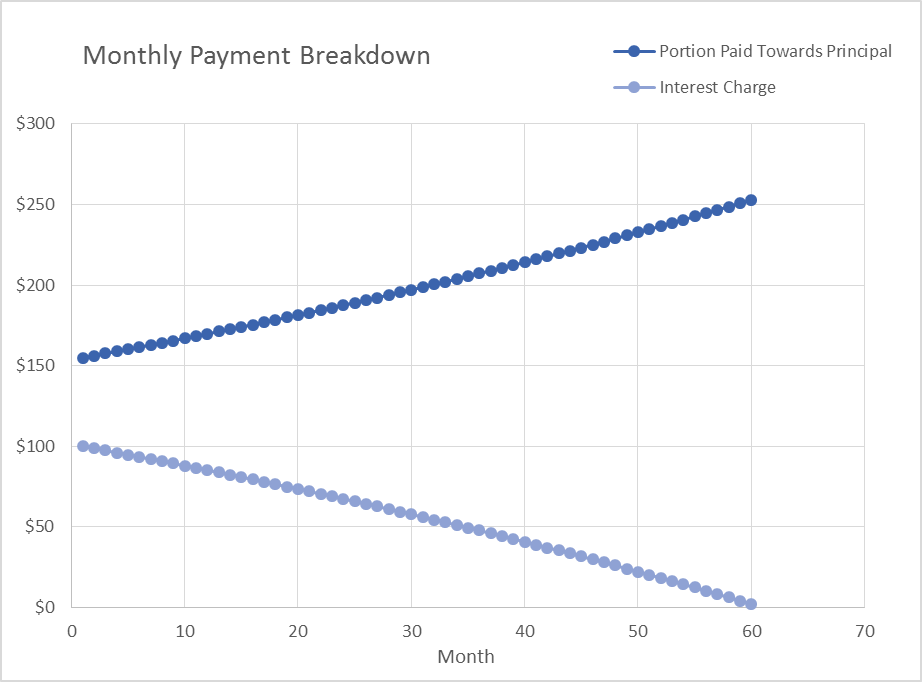
Amortization is the process of paying off a debt over time through a series of fixed payments. For car loans, each monthly payment you make is amortized, meaning it’s divided into two parts: one portion goes towards paying down the principal, and the other goes towards paying the interest.
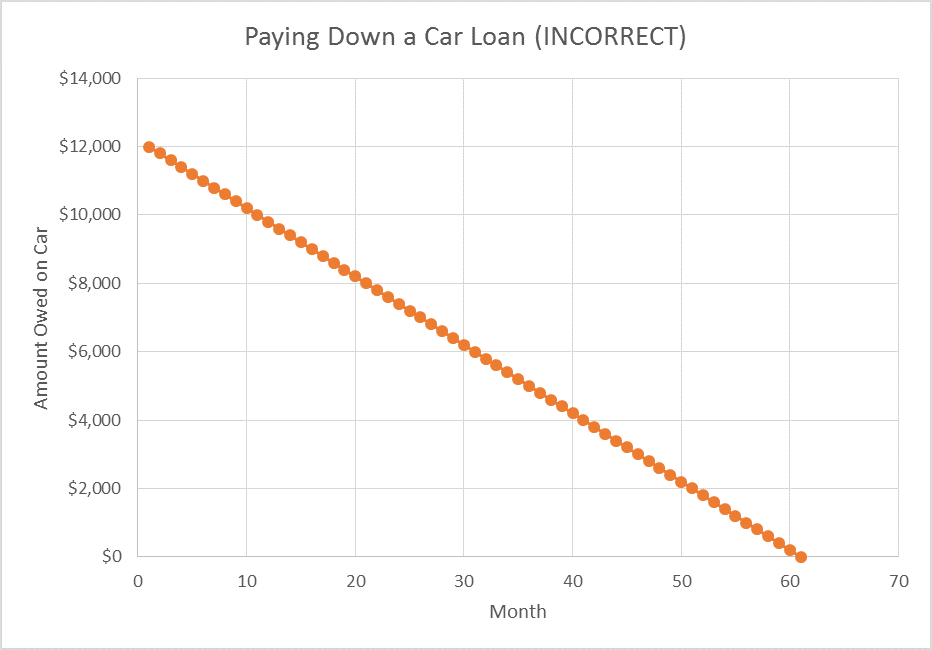
In the early stages of an amortized car loan, a larger proportion of your payment goes towards interest, and a smaller portion goes towards principal. As the loan matures and your principal balance decreases, the interest portion of your payment shrinks, and a larger portion goes towards paying down the principal. This is a crucial concept often misunderstood by borrowers, as it means you’re not paying off the original loan amount in equal increments from day one.
The Impact of Loan Term on Total Interest
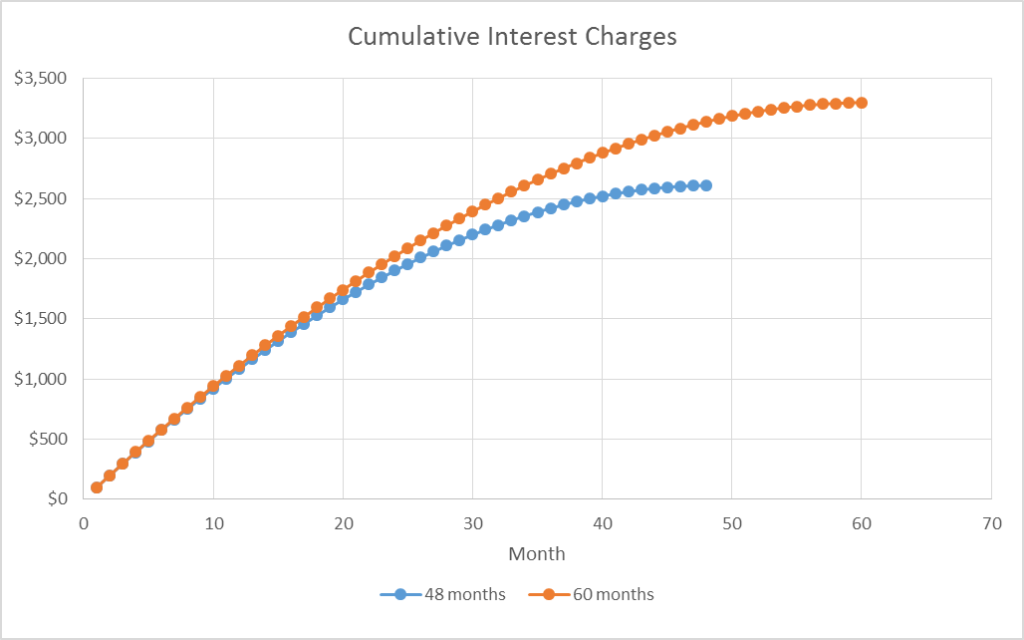
The loan term, or how long you take to repay the loan, has a dramatic effect on the total amount of interest you’ll pay.
- Shorter Loan Term (e.g., 36 or 48 months):
- Pros: You pay significantly less in total interest because the lender charges interest for a shorter period. You own the car outright much sooner.
- Cons: Your monthly payments will be higher, as you’re dividing the principal plus interest over fewer payments.
- Longer Loan Term (e.g., 72 or 84 months):
- Pros: Your monthly payments will be lower and more affordable, potentially allowing you to purchase a more expensive car or free up monthly cash flow.
- Cons: You will pay substantially more in total interest over the life of the loan, as the lender has more time to accrue interest on the outstanding balance. You also build equity slower, and your car may depreciate faster than you pay off the loan, leading to negative equity (owing more than the car is worth).
Choosing the right loan term involves balancing affordability with the total cost of borrowing. A shorter term is almost always financially superior if you can manage the higher monthly payments.
Factors Influencing Your Interest Rate
Beyond your credit score, several other variables play a critical role in determining the interest rate you qualify for. Understanding these factors can help you position yourself for the best possible deal.
Lender Policies and Market Rates
Different lenders have different risk appetites, overhead costs, and profit targets, all of which influence their interest rate offerings. A credit union, for example, might offer slightly lower rates than a traditional bank because they are member-owned and non-profit oriented. Dealership financing, while convenient, might also carry higher rates as they often act as intermediaries.
Furthermore, the broader economic environment and the Federal Reserve’s monetary policy significantly impact market interest rates. When the Fed raises its benchmark rates, borrowing costs generally increase across the board, including for car loans. Conversely, a period of lower rates can lead to more attractive loan offers. Shopping around and comparing offers from multiple lenders is paramount.
Down Payment and Trade-In Value
A substantial down payment can significantly reduce your interest rate and the total cost of your loan. Here’s why:
- Reduced Principal: A larger down payment means you borrow less money (lower principal). Since interest is calculated on the principal, a smaller principal automatically means less total interest paid.
- Lower Lender Risk: A larger upfront investment reduces the lender’s risk. If you have significant equity in the car from the start, you’re less likely to default, making you a more attractive borrower. Lenders often reward this lower risk with lower interest rates.
- Avoid Negative Equity: A good down payment helps prevent you from being “upside down” on your loan, where you owe more than the car is worth, especially common with rapid depreciation of new vehicles.
Similarly, a healthy trade-in value for your old car acts much like a down payment, reducing the amount you need to borrow and, consequently, the interest you’ll pay.
Debt-to-Income Ratio and Other Financial Metrics
Lenders look beyond just your credit score. They also assess your overall financial health to determine your ability to comfortably manage new debt.
- Debt-to-Income (DTI) Ratio: This ratio compares your total monthly debt payments (including the proposed car loan) to your gross monthly income. A lower DTI ratio indicates you have more disposable income to manage your debts, making you a less risky borrower. Lenders typically prefer a DTI ratio below 36-43%, though this can vary.
- Employment History: A stable and consistent employment history signals financial reliability. Lenders prefer borrowers with steady income sources.
- Savings and Assets: While not always directly factored into the rate, having a healthy savings account or other assets can reassure lenders about your financial stability and capacity to handle unexpected expenses without defaulting on your loan.
Strategies to Minimize Interest Costs
Now that you understand how interest works and what influences it, let’s explore actionable strategies you can employ to minimize the interest you pay on your car loan.
Improving Your Credit Score
This is often the most impactful long-term strategy. Before even setting foot in a dealership, take steps to boost your credit score:
- Pay Bills on Time: Payment history is the largest factor in your credit score.
- Reduce Existing Debt: Especially high-interest credit card debt.
- Check Your Credit Report: Dispute any errors that could be dragging your score down.
- Avoid Opening New Credit Accounts: This can temporarily lower your score.
A higher credit score can translate directly into a lower APR, saving you thousands over the loan’s life.
Making a Larger Down Payment
As discussed, a significant down payment reduces the principal amount you borrow, directly lowering the total interest paid. Aim for at least 10-20% of the car’s purchase price if possible. Even a few extra hundred or thousand dollars upfront can make a noticeable difference in your total interest cost and monthly payment.
Shorter Loan Terms vs. Lower Monthly Payments
Resist the temptation to always opt for the lowest possible monthly payment, especially if it means extending the loan term significantly. While a 72- or 84-month loan might seem more affordable on a monthly basis, the cumulative interest can be astronomical.
- Prioritize a Shorter Term: If your budget allows, choose the shortest loan term you can comfortably afford. The slight increase in your monthly payment will be offset by substantial savings in total interest and faster equity building.
- Calculate Total Cost: Always compare the total cost (principal + total interest) for different loan terms, not just the monthly payment.
Refinancing Your Car Loan
If you’ve already taken out a car loan and your financial situation has improved (e.g., your credit score has increased, or market interest rates have dropped), refinancing could be a smart move.
- Lower Interest Rate: Refinancing allows you to replace your existing loan with a new one, potentially at a lower interest rate, reducing your monthly payments and total interest.
- Shorter/Longer Term: You could also refinance to a shorter term to save on interest (if you can afford higher payments) or to a longer term to reduce monthly payments if you’re struggling.
- When to Consider: If your current interest rate is significantly higher than what new borrowers with your credit profile are receiving, or if you’ve been consistently making payments and your credit has improved, explore refinancing options.
Making Extra Payments
Since car loans typically use simple interest, making extra payments can dramatically reduce the total interest you pay.
- Direct to Principal: Inform your lender that any extra payments should be applied directly to the principal balance. This reduces the amount on which interest is calculated going forward.
- Bi-weekly Payments: Instead of one monthly payment, consider making half a payment every two weeks. This results in 26 half-payments, or 13 full monthly payments, per year, effectively making an extra payment annually without feeling the pinch as much.
- Lump-Sum Payments: Any windfall, like a tax refund or work bonus, can be used to make a significant dent in your principal.
Beyond the Basics: What Else to Consider?
While the core mechanics of interest are paramount, there are a few other critical aspects of car loans that borrowers should be aware of to avoid pitfalls and ensure a smooth borrowing experience.
APR vs. Interest Rate
It’s crucial to understand the difference between the advertised “interest rate” and the “Annual Percentage Rate” (APR).
- Interest Rate: This is the base cost of borrowing the principal amount, expressed as a percentage.
- APR: The APR represents the true annual cost of your loan. It includes the interest rate plus any additional fees associated with the loan, such as origination fees, administrative charges, or documentation fees.
Always compare APRs when shopping for a loan, as it gives you a more accurate picture of the total cost and allows for an apples-to-apples comparison between lenders. A loan with a slightly lower interest rate but high fees could end up having a higher APR than a loan with a slightly higher interest rate but no fees.
Prepayment Penalties
While it’s often beneficial to pay off your loan early, some loan agreements include a “prepayment penalty.” This is a fee charged by the lender if you pay off your loan ahead of schedule. Lenders implement these to recover some of the interest income they lose when a loan is repaid early.
Before signing any loan agreement, meticulously read the terms and conditions to check for prepayment penalties. Many reputable lenders, especially credit unions, do not impose these. If a loan does have one, weigh the potential savings from early repayment against the cost of the penalty.
Understanding the Loan Agreement
The loan agreement is a legally binding document that outlines all the terms and conditions of your car loan. Never sign it without thoroughly reading and understanding every clause. Pay particular attention to:
- The total amount financed: Ensure this matches your understanding.
- The interest rate and APR: Confirm these figures.
- The loan term and monthly payment: Double-check the duration and amount.
- Any fees: Look for origination fees, late payment fees, or other charges.
- Prepayment penalty clauses: Identify if any exist.
- Default clauses: Understand what constitutes a default and the lender’s rights in such an event.
Don’t hesitate to ask the lender for clarification on any terms you don’t understand. A well-informed borrower is an empowered borrower.
Understanding how interest works on car loans is a cornerstone of responsible personal finance. By grasping the fundamentals of simple interest and amortization, recognizing the influence of your credit score and other financial metrics, and actively employing strategies to minimize costs, you can navigate the car buying process with confidence. Making informed decisions about your loan can save you substantial money over time, freeing up your financial resources for other goals and ultimately contributing to your overall financial well-being.
aViewFromTheCave is a participant in the Amazon Services LLC Associates Program, an affiliate advertising program designed to provide a means for sites to earn advertising fees by advertising and linking to Amazon.com. Amazon, the Amazon logo, AmazonSupply, and the AmazonSupply logo are trademarks of Amazon.com, Inc. or its affiliates. As an Amazon Associate we earn affiliate commissions from qualifying purchases.