
Costco Wholesale Corporation stands as a titan in the retail industry, recognized for its unique membership-based model and unwavering commitment to value. Understanding “how Costco works” fundamentally requires a deep dive into its business finance strategies, operational efficiencies, and the financial architecture that underpins its sustained success and profitability. Far from a mere bulk retailer, Costco operates with a finely tuned financial engine, leveraging several core principles to generate robust revenue, manage costs, and deliver exceptional value to both its members and shareholders.
The Membership-Driven Profit Engine
At the heart of Costco’s financial model is its ingenious membership program. Unlike traditional retailers that rely solely on product markups for profit, Costco generates a substantial and highly predictable revenue stream from its annual membership fees. This foundational element dictates much of its operational strategy and financial performance.

Membership Tiers and Value Proposition
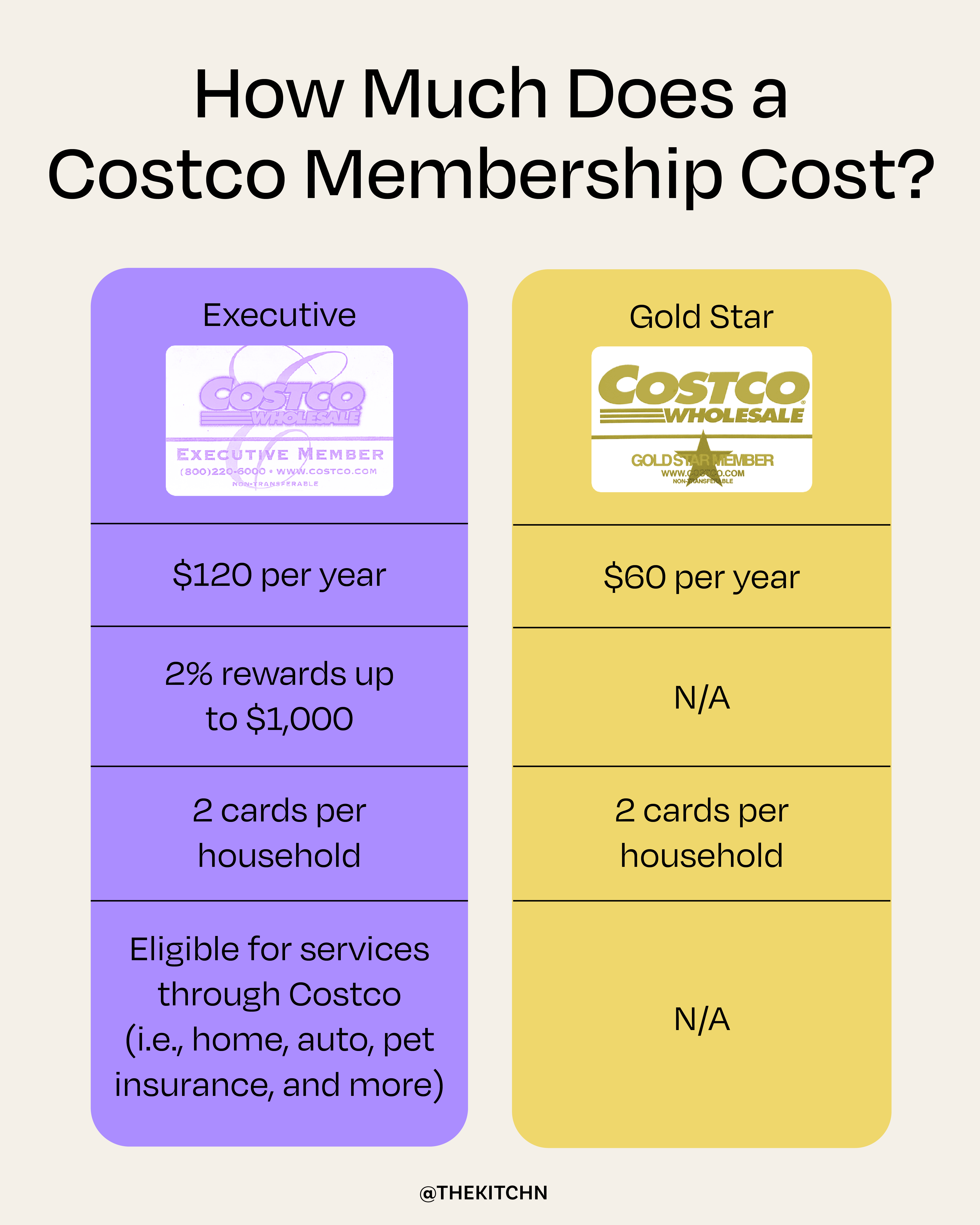
Costco offers various membership tiers, primarily the Gold Star and Executive memberships. The Gold Star membership provides basic access to warehouses and online shopping, while the Executive membership, at a higher annual fee, includes an annual 2% reward (up to $1,000) on most Costco purchases, along with additional benefits and discounts on services. This tiered structure caters to different member needs, encouraging higher spending from those who opt for the Executive tier, which in turn deepens member loyalty.
The value proposition for members is clear: access to high-quality goods at exceptionally low prices. Members willingly pay an annual fee because they anticipate significant savings over the year, making the membership a perceived investment rather than an expense. This upfront commitment fosters a sense of exclusivity and a psychological bond, as members feel they are part of a special club that delivers superior value.
The Financial Power of Membership Fees
From a business finance perspective, membership fees are an incredibly powerful profit center. These fees are nearly pure profit, as they are collected upfront and involve minimal direct costs of goods sold or operational overhead. In fiscal year 2023, Costco reported over $4.5 billion in membership fee revenue. Critically, these fees often cover a significant portion, if not all, of Costco’s selling, general, and administrative (SG&A) expenses. This means that the revenue generated from merchandise sales can operate on much thinner margins, allowing Costco to pass significant savings directly to its members.
This high-margin, predictable revenue stream provides Costco with exceptional financial stability and flexibility. It de-risks the core retail operation, enabling the company to maintain aggressive pricing strategies and invest heavily in its supply chain, technology, and employee compensation, all while delivering consistent returns to shareholders.
Lean Operations and Strategic Cost Management
Costco’s ability to offer low prices is not solely due to its membership income; it is equally a testament to its relentless pursuit of operational efficiency and strategic cost management. Every aspect of its warehouse club model is designed to minimize overhead and maximize product throughput.
Limited SKU Strategy and Inventory Efficiency
One of Costco’s most distinctive operational choices is its highly curated, limited SKU (Stock Keeping Unit) strategy. While a typical supermarket might carry tens of thousands of items, a Costco warehouse offers only about 3,700-4,000 distinct products at any given time. This strategic limitation has profound financial implications:
-
Reduced Inventory Holding Costs: Fewer SKUs mean less capital tied up in diverse inventory, lower warehousing costs, and less risk of obsolescence.
-
Enhanced Purchasing Power: By focusing on a narrower range of products, Costco can purchase enormous volumes of each item. This concentration of demand gives it immense leverage with suppliers.
-
Simplified Logistics and Merchandising: Fewer items simplify the entire supply chain, from ordering and shipping to receiving and shelving. Products are often displayed directly on pallets, eliminating the need for extensive shelving or fancy displays, further reducing labor and infrastructure costs.
This streamlined approach leads to high inventory turnover rates, which are crucial for generating strong cash flow. Money is not sitting idle in inventory; it’s moving through the system quickly, replenishing cash for reinvestment and operational needs.
Vendor Relationships and Bulk Purchasing Power
Costco’s massive purchasing power is a cornerstone of its cost advantage. By committing to large volumes and often accepting simpler packaging or display requirements, Costco negotiates highly favorable terms with its suppliers. It can secure lower per-unit costs than many competitors, directly translating into lower prices for members and healthy gross margins on product sales.

This strategy extends beyond just finished goods. Costco works closely with manufacturers to develop private label products under its Kirkland Signature brand. These products often rival national brands in quality but are sold at significantly lower prices, further cementing Costco’s value proposition. The financial benefit of Kirkland Signature is twofold: it provides members with additional savings and offers Costco higher profit margins compared to reselling national brands, while simultaneously building brand loyalty.
Aggressive Pricing and Value Maximization
Costco is renowned for its aggressive pricing strategy, often operating on significantly thinner merchandise margins than conventional retailers. This strategy is feasible because of its membership revenue and efficient operations, but it’s also a deliberate choice to maximize member value and drive sales volume.
The 14% Markup Cap
A key insight into Costco’s financial philosophy is its unofficial, self-imposed gross markup cap, typically around 14% on most branded items and slightly higher for Kirkland Signature products. This contrasts sharply with traditional supermarkets, which might aim for 25-30% markups, or department stores, which can exceed 50%. This low-markup strategy is central to Costco’s value proposition, ensuring that members genuinely save money.
While this means less profit per item, it drives enormous sales volume. The logic is that selling a high volume of goods at low margins generates more aggregate profit than selling fewer items at high margins, especially when operating costs are already largely covered by membership fees.
“Loss Leaders” and the “Treasure Hunt” Experience
Costco strategically employs “loss leaders” – popular items sold at little to no profit, or even a slight loss – to draw members into the warehouses. The famous $4.99 rotisserie chicken and the consistently low-priced hot dog and soda combo are prime examples. These items are strategically placed deep within the warehouse, encouraging members to navigate past other enticing products.
This layout contributes to the “treasure hunt” experience, where members discover unexpected deals and specialty items not always available. This unpredictability encourages impulse buys and repeat visits, boosting overall sales revenue. From a financial perspective, the purpose of a loss leader is to increase foot traffic and basket size, ultimately contributing to the overall profitability despite the individual item’s low margin.
Financial Performance and Sustainable Growth
Costco’s business model has consistently translated into robust financial performance, demonstrating a sustainable growth trajectory and strong shareholder value creation.
Consistent Revenue Growth and Cash Flow
The combination of growing membership numbers, high member retention rates (often above 90% in North America), and increasing average transaction sizes fuels consistent revenue growth. The predictable nature of membership fees, coupled with high inventory turnover, generates substantial operating cash flow. This strong cash flow enables Costco to self-finance much of its expansion, invest in technology, and reward shareholders through dividends and share buybacks, without excessive reliance on external debt.
Investment in Employees as a Financial Strategy
Costco is known for paying its employees significantly above the retail industry average, offering comprehensive benefits. While this might seem counter-intuitive to a low-cost model, it is a deliberate financial strategy. Higher wages and benefits lead to lower employee turnover, reducing recruitment and training costs. It also fosters a more engaged, productive, and customer-service-oriented workforce, which directly enhances the member experience and reinforces loyalty – a critical component of the membership model’s financial success. From a long-term financial perspective, this investment pays dividends in reduced operational friction and enhanced brand reputation.
Global Expansion and Market Adaptability
Costco’s financial model has proven highly adaptable across diverse international markets. While localizing product assortments, the core principles of membership, low markups, and operational efficiency remain consistent. This allows for strategic global expansion, tapping into new member bases and revenue streams, while leveraging its established purchasing power on a global scale. E-commerce integration further complements the physical warehouse model, providing convenience and expanding reach without fundamentally altering the core financial strategy of value and efficiency.
In essence, “how Costco works” is a masterclass in business finance, intricately weaving membership revenue, operational discipline, and aggressive pricing into a compelling value proposition that creates a powerful flywheel of loyalty, sales, and profit.
aViewFromTheCave is a participant in the Amazon Services LLC Associates Program, an affiliate advertising program designed to provide a means for sites to earn advertising fees by advertising and linking to Amazon.com. Amazon, the Amazon logo, AmazonSupply, and the AmazonSupply logo are trademarks of Amazon.com, Inc. or its affiliates. As an Amazon Associate we earn affiliate commissions from qualifying purchases.