
In the evolving landscape of global finance, the transition from traditional fiat currencies to digital assets represents one of the most significant shifts in how wealth is managed, stored, and grown. At the center of this transition is Coinbase, a platform that has become synonymous with the “on-ramp” to the crypto economy. For the individual investor, understanding how Coinbase works is no longer just about understanding a new app; it is about understanding a sophisticated financial ecosystem designed to bridge the gap between your bank account and the decentralized world of blockchain.
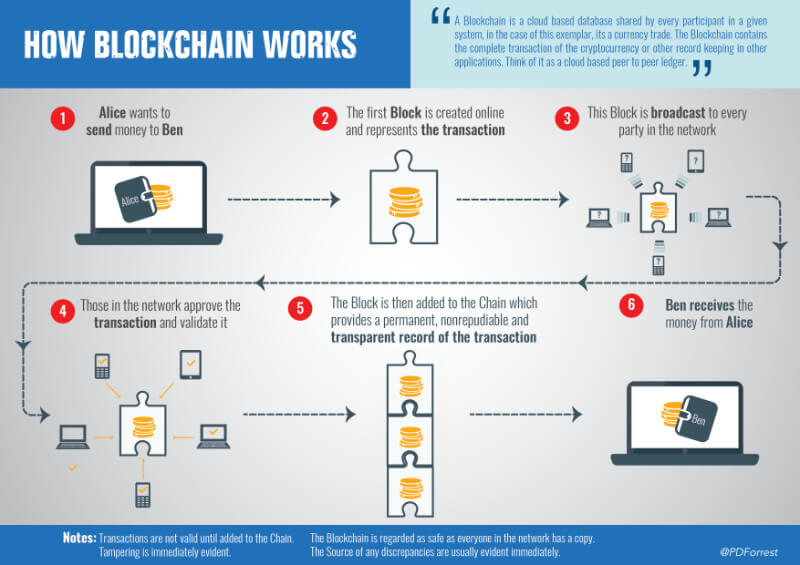
Coinbase functions primarily as a digital brokerage and exchange, providing a regulated and user-friendly environment for purchasing, selling, and managing a wide variety of cryptocurrencies. From a personal finance perspective, it serves as a gateway to asset classes that were once reserved for the technologically elite. This guide explores the financial mechanics of Coinbase, how it facilitates wealth creation, and the strategic considerations every investor must weigh when using the platform.
The Gateway to Digital Wealth: Understanding the Platform Mechanics
To understand how Coinbase works, one must first distinguish its role from that of a traditional bank. While it holds funds and facilitates transactions, it operates as a specialized financial intermediary for digital assets. For the modern investor, Coinbase offers two primary paths: the standard Coinbase interface, designed for simplicity and long-term holding, and Coinbase Advanced, designed for active traders seeking lower fees and technical analysis tools.
The Brokerage Model vs. The Exchange
At its core, Coinbase operates a brokerage model. When you buy Bitcoin or Ethereum on the standard platform, you are not necessarily interacting with another individual seller; instead, Coinbase provides the liquidity and handles the transaction on your behalf, often sourcing the assets from its own reserves or external markets. This model is built for speed and ease of use, making it an ideal financial tool for those who want to “set and forget” their investments.
For those more focused on the “Money” aspect of market timing and cost-efficiency, Coinbase Advanced provides an exchange model. Here, you interact with an order book, setting limit orders or market orders to trade directly with other market participants. This distinction is vital for personal finance management, as the exchange model significantly reduces the “spread”—the difference between the buy and sell price—thereby preserving more of the investor’s capital.
Creating a Digital Portfolio from Scratch
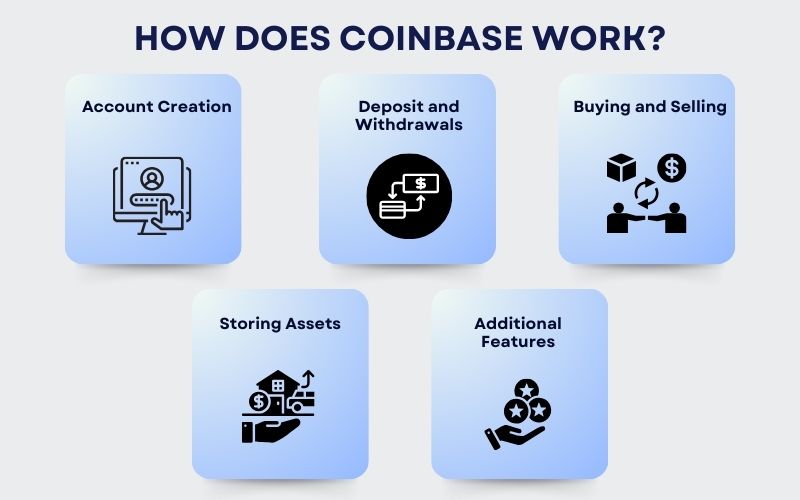
Investing via Coinbase begins with the “on-ramping” process. This involves linking a traditional financial institution—such as a checking or savings account—to the Coinbase platform. Once the account is funded via ACH transfer or wire, the investor can begin diversifying their portfolio across hundreds of supported assets. From a strategic standpoint, Coinbase allows for granular control over asset allocation, enabling users to move seamlessly between stablecoins (pegged to the US dollar) and volatile assets like Bitcoin, depending on their risk tolerance.
Navigating the Financial Mechanics: Fees, Limits, and Transactions
Every financial tool comes with a cost of operation, and for Coinbase, these costs are reflected in its fee structure. Understanding these fees is crucial for any investor looking to maximize their net returns over time. In the world of online income and investing, minimizing “drag”—the erosion of profits due to fees—is a primary objective.
Decoding the Fee Structure
Coinbase’s fee structure varies significantly based on the transaction method and the platform version being used. On the standard consumer app, fees are often a combination of a flat fee and a percentage-based spread. While convenient, these fees can represent a significant portion of a small investment.
Professional investors often shift to Coinbase Advanced, which utilizes a “maker-taker” fee model. “Makers” (those who provide liquidity by placing limit orders) usually pay lower fees than “Takers” (those who take liquidity by placing market orders). By understanding this financial nuance, an investor can reduce their transaction costs from roughly 1.5%–3% on the standard app to as low as 0.05%–0.60% on the exchange side.
Funding Your Account: Liquidity and Limits
The speed at which you can move money into the crypto market is a critical component of financial agility. Coinbase offers several methods for funding accounts, each with different implications for liquidity:
- ACH Transfers: Usually free or low-cost, but funds may be held for several days before they can be withdrawn from the platform.
- Wire Transfers: Best for large sums of capital, offering the fastest path to high-level liquidity.
- Debit Cards/Apple Pay: Provide instant buying power but often come with higher transaction fees.
Furthermore, Coinbase imposes buy and sell limits based on the user’s verification level and account history. For high-net-worth individuals or business finance managers, increasing these limits is a standard part of the account maturation process, requiring additional “Know Your Customer” (KYC) documentation to ensure regulatory compliance.
Strategic Investing: Tools for Growing and Protecting Your Capital
Coinbase is more than just a place to buy and sell; it is a suite of financial tools designed to help users generate yield and manage their long-term financial health. In the context of “Money” and “Side Hustles,” the platform offers several ways to make your capital work for you.
Dollar-Cost Averaging (DCA) with Recurring Buys
One of the most effective personal finance strategies is Dollar-Cost Averaging—the practice of investing a fixed amount of money at regular intervals, regardless of the asset’s price. Coinbase automates this through its “Recurring Buy” feature. For an investor focused on long-term wealth accumulation, this tool removes the emotional stress of market volatility. By buying $50 of an asset every week, the investor effectively lowers their average cost basis over time, a proven strategy for building a robust financial position in volatile markets.
Generating Yield: Staking and Rewards
For many investors, the most compelling aspect of Coinbase is the ability to earn passive income on their holdings. Through a process called “Staking,” users can participate in the security and operation of certain blockchain networks (like Ethereum, Solana, or Cardano) in exchange for rewards.
From a business finance perspective, this is essentially the crypto-equivalent of earning dividends or interest on a high-yield savings account. Coinbase simplifies the technical complexity of staking, allowing users to opt-in with a single click. While Coinbase takes a small commission for managing the staking infrastructure, the net yield provided to the user represents a significant opportunity for “Online Income” that outpaces traditional banking interest rates.
Institutional Investing and Business Finance
For businesses looking to add Bitcoin to their balance sheet, Coinbase offers specialized services under the “Coinbase Prime” banner. This includes institutional-grade custody, advanced execution services, and data analytics. This side of the platform treats cryptocurrency as a legitimate corporate treasury asset, providing the tools necessary for large-scale capital management and fiduciary responsibility.
Security and Regulation: Protecting Your Personal Finance Assets
In any discussion regarding money, security is the paramount concern. Unlike traditional banks, where accounts are often protected by the FDIC up to $250,000, crypto platforms operate under a different set of rules. Understanding how Coinbase protects your assets is essential for risk management.
Insurance and Asset Protection
Coinbase maintains a rigorous security posture, keeping the vast majority (over 98%) of customer assets in “cold storage”—offline vaults that are disconnected from the internet and thus immune to online hacking. For the “hot” (online) portion of their holdings, Coinbase carries insurance policies to protect against breaches of their physical security or cybersecurity.
However, it is important for investors to note that this insurance does not protect against individual account compromises resulting from poor personal security (such as a weak password or a compromised email). From a financial security standpoint, users are encouraged to utilize hardware security keys and two-factor authentication (2FA) to safeguard their digital wealth.
Tax Compliance and Reporting Tools
As the internal revenue services of various countries have increased their scrutiny of digital assets, tax compliance has become a major part of the crypto-financial experience. Coinbase provides robust reporting tools that track every trade, gain, and loss.
For the disciplined investor, these tools are invaluable for year-end tax planning. Coinbase generates Form 1099-MISC for users who earn rewards or interest over a certain threshold and provides detailed transaction histories that can be integrated into tax software. Properly managing these records is a critical component of modern personal finance, ensuring that the investor remains compliant while maximizing their after-tax returns.
Conclusion: The Role of Coinbase in a Diversified Financial Future
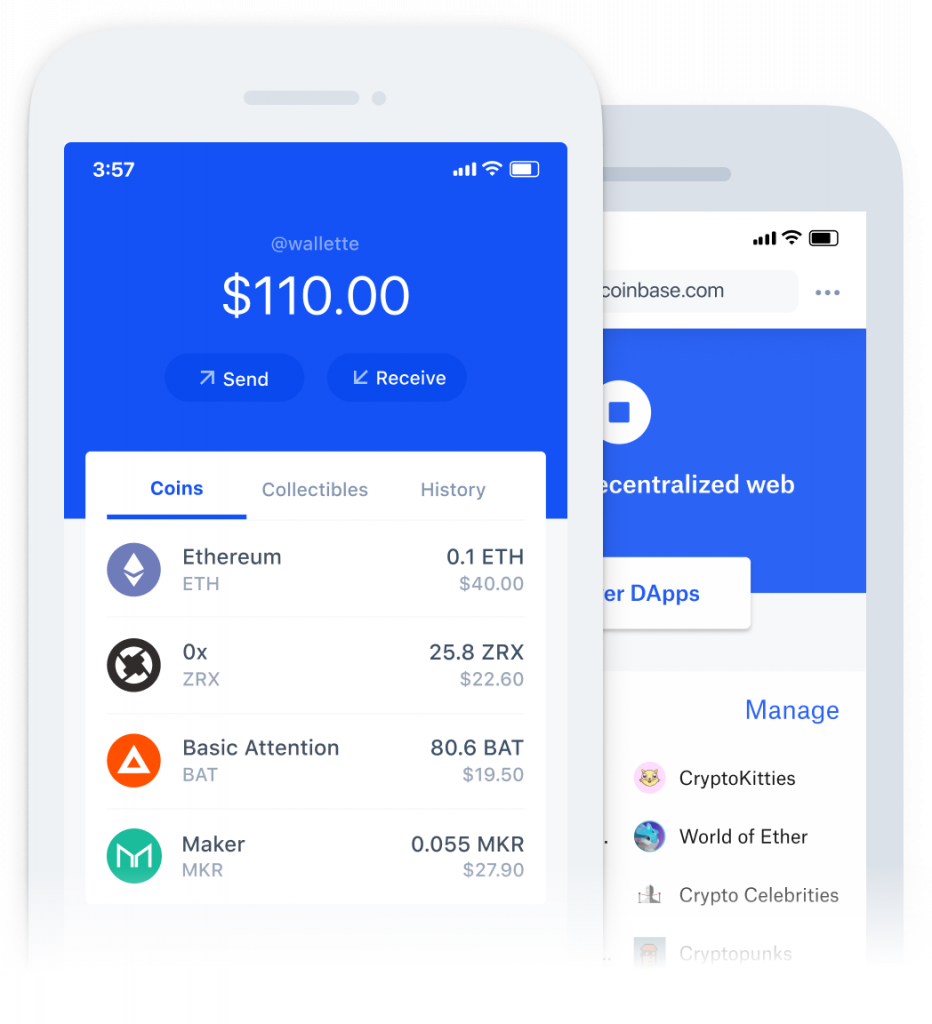
Coinbase has transitioned from a simple Bitcoin broker to a comprehensive financial institution for the digital age. By providing the tools for investment, the mechanics for passive income, and the infrastructure for institutional-grade security, it has democratized access to the global crypto market.
For the individual investor, the platform offers a unique opportunity to diversify away from traditional equity and bond markets. Whether you are using it as a side hustle to earn small rewards, a primary vehicle for long-term capital growth through DCA, or a sophisticated exchange for active trading, understanding the financial layers of Coinbase is the first step toward mastering your digital financial future. As with any investment, the key lies in understanding the costs, leveraging the tools for growth, and maintaining a vigilant approach to security and regulation.
aViewFromTheCave is a participant in the Amazon Services LLC Associates Program, an affiliate advertising program designed to provide a means for sites to earn advertising fees by advertising and linking to Amazon.com. Amazon, the Amazon logo, AmazonSupply, and the AmazonSupply logo are trademarks of Amazon.com, Inc. or its affiliates. As an Amazon Associate we earn affiliate commissions from qualifying purchases.