
In the rapidly evolving landscape of personal finance, the traditional brick-and-mortar banking model is increasingly being supplemented—and in some cases, replaced—by agile financial technology platforms. Among the leaders of this digital revolution is Cash App. Originally launched as a simple peer-to-peer (P2P) payment service, it has transformed into a multifaceted financial ecosystem. Understanding how Cash App works is no longer just about knowing how to send $20 to a friend for dinner; it is about leveraging a comprehensive suite of tools for banking, investing, and wealth management.
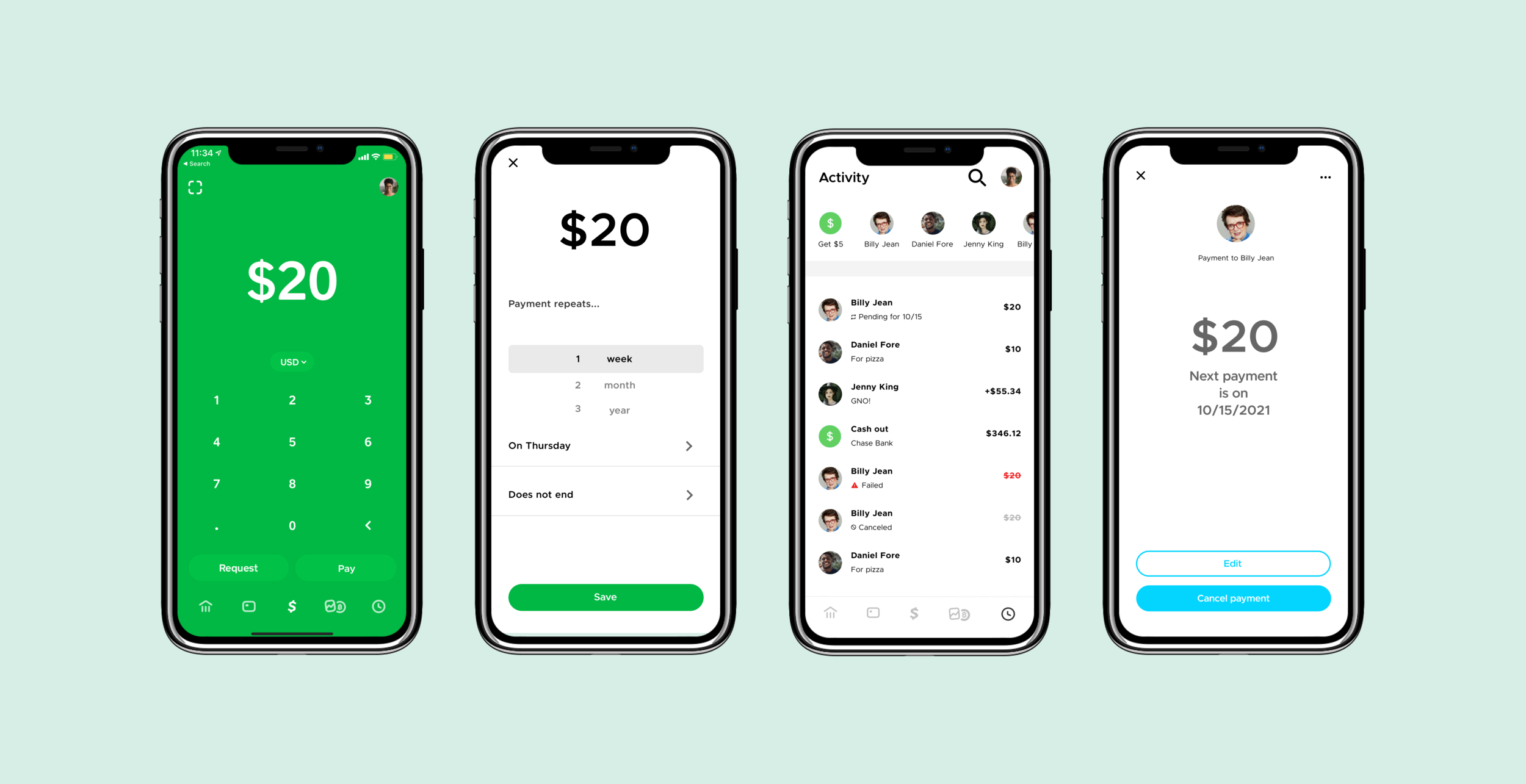
This guide explores the mechanics of Cash App through the lens of personal finance, detailings its core functions, investment opportunities, and its role in modern business operations.
The Fundamentals of Digital Peer-to-Peer Transactions
At its core, Cash App functions as a digital wallet that facilitates the instantaneous movement of capital. For many users, this is the primary entry point into the ecosystem. The platform operates on a streamlined architecture designed to remove the friction traditionally associated with bank transfers.
Sending and Receiving Funds via $Cashtags
The primary mechanism for transactions within the app is the $Cashtag—a unique username that allows users to send and receive money without sharing sensitive bank account numbers or phone digits. When you initiate a payment, the funds are typically drawn from your Cash App balance. If the balance is insufficient, the app pulls the remaining amount from a linked debit card or bank account. This seamless integration ensures that users can settle debts or split bills in real-time, providing a level of liquidity that traditional ACH transfers cannot match.
The Role of the Cash Card and “Boosts”
To bridge the gap between digital funds and physical commerce, Cash App offers the “Cash Card,” a customizable Visa debit card linked directly to the user’s balance. From a financial management perspective, the Cash Card is a powerful tool due to its “Boosts” program. These are instant rewards or discounts applied at specific merchants—such as grocery stores, coffee shops, or gas stations. Unlike traditional credit card rewards that may take weeks to manifest, Boosts provide immediate savings, effectively increasing the purchasing power of the user’s dollar.
Direct Deposit and Early Access to Wages
Cash App has moved aggressively into the banking sector by offering routing and account numbers to its users. This allows for the setup of direct deposits for paychecks, tax refunds, and government stimulus payments. A significant financial advantage here is the “Early Payday” feature, which often allows users to access their wages up to two days earlier than they would with a traditional bank. For individuals managing tight monthly budgets or navigating the “gig economy,” this accelerated access to capital is a critical component of liquidity management.
Investing Made Accessible: Stocks and Cryptocurrency
One of the most significant shifts in Cash App’s evolution is its transition into a wealth-building platform. By lowering the barriers to entry for the stock market and cryptocurrency, it has democratized access to assets that were once reserved for those with significant capital or specialized brokerage accounts.
Low-Barrier Stock Trading and Fractional Shares
Cash App Investing allows users to buy shares in publicly traded companies with as little as $1. This is made possible through fractional shares. In a traditional brokerage, an investor might be unable to afford a single share of a high-priced tech stock. Through Cash App, that same investor can allocate a specific dollar amount toward that stock, allowing for a diversified portfolio even with limited disposable income. This feature encourages the “dollar-cost averaging” strategy, which is a cornerstone of disciplined personal finance.
The Bitcoin Gateway
Cash App was one of the first major mainstream financial apps to integrate Bitcoin. Users can buy, sell, and even withdraw Bitcoin to external wallets. For the modern investor, this provides a simplified entry point into the volatile but potentially lucrative world of digital assets. The app provides real-time price tracking and the ability to set up recurring purchases, enabling users to treat Bitcoin as a long-term investment vehicle rather than just a speculative asset.
Leveraging “Round Ups” for Passive Saving
A subtle but effective tool for wealth accumulation is the “Round Ups” feature. When enabled, every purchase made with the Cash Card is rounded up to the nearest dollar, and the difference is automatically invested into a stock of the user’s choice or Bitcoin. This “set it and forget it” approach to investing is particularly beneficial for those who struggle to manually set aside savings. Over time, these micro-investments can compound, turning everyday spending into a systematic wealth-building engine.
Business Finance and Advanced Monetary Tools
Beyond personal use, Cash App has expanded its utility to cater to entrepreneurs, freelancers, and small business owners. This segment of the app focuses on professional financial management and tax compliance.
Cash App for Business vs. Personal Accounts
For those running side hustles or small enterprises, Cash App offers specialized “Business Accounts.” While personal accounts are generally free for P2P transfers, business accounts incur a small percentage-based fee on incoming payments. In exchange, business users gain the ability to accept unlimited payments from customers and benefit from higher deposit limits. This distinction is vital for maintaining professional financial boundaries and ensuring that business income is tracked separately from personal expenses.
Simplifying Tax Season with Cash App Taxes
Following the acquisition of Credit Karma Tax, Cash App introduced “Cash App Taxes.” This is a full-service tax preparation tool that allows users to file their federal and state returns directly through the app for free. For the budget-conscious individual, this eliminates the need for expensive tax software or professional consultants. Furthermore, users who choose to receive their tax refund via Cash App can often access those funds faster, integrating seamlessly with the platform’s broader banking features.
Accessing Liquidity through Cash App Borrow
In certain regions and for eligible users, Cash App offers a “Borrow” feature, providing short-term loans of up to several hundred dollars. While this carries an interest rate, it serves as a controlled alternative to predatory payday loans. From a financial health perspective, this tool should be used judiciously, but it provides a necessary safety net for emergency expenses, allowing users to manage short-term cash flow gaps without defaulting on other obligations.
Security, Fees, and Strategic Financial Oversight
To use Cash App effectively as a financial tool, one must understand the cost of its services and the protocols in place to protect one’s assets. Financial literacy involves not just knowing how to earn and invest, but also how to minimize leakage through fees and maximize security.
Understanding the Fee Structure
While the majority of Cash App’s core features are free, there are specific areas where costs apply. Standard bank transfers (which take 1-3 business days) are free, but “Instant Transfers” to a debit card incur a percentage-based fee. Additionally, using a credit card as a funding source for a P2P payment carries a 3% fee. For the savvy financial manager, the goal is to plan transfers in advance to avoid instant fees and to prioritize the use of debit or linked bank accounts to maintain the 0% transaction cost.
Safeguarding Digital Assets and Fraud Prevention
As with any digital financial tool, security is paramount. Cash App employs encryption and “Security Locks” (requiring FaceID, TouchID, or a PIN for every transaction). However, because P2P payments are often instantaneous and difficult to reverse, users must exercise caution. Financial best practices include only sending money to verified individuals, enabling two-factor authentication, and setting up transaction notifications. Treating your Cash App balance with the same level of scrutiny as a traditional high-street bank account is essential for long-term financial security.

Integrating Cash App into a Broader Financial Plan
Ultimately, Cash App works best when it is integrated into a holistic financial strategy. It serves as an excellent “hub” for daily spending, micro-investing, and quick transfers, but it should often be paired with a traditional high-yield savings account or a 401(k) for long-term stability. By utilizing the “Cash App Taxes” feature, the “Boosts” for daily savings, and the “Invest” feature for market exposure, a user can transform a simple mobile app into a powerful command center for their financial life.
In conclusion, Cash App is far more than a payment utility; it is a sophisticated financial instrument. By understanding its mechanisms—from the liquidity of $Cashtags to the wealth-building potential of fractional shares and Bitcoin—users can navigate the modern economy with greater agility and insight. Whether you are a freelancer managing client payments or an individual looking to start your investment journey, Cash App provides the tools necessary to take control of your monetary future.
aViewFromTheCave is a participant in the Amazon Services LLC Associates Program, an affiliate advertising program designed to provide a means for sites to earn advertising fees by advertising and linking to Amazon.com. Amazon, the Amazon logo, AmazonSupply, and the AmazonSupply logo are trademarks of Amazon.com, Inc. or its affiliates. As an Amazon Associate we earn affiliate commissions from qualifying purchases.