
For many, purchasing a car represents a significant life milestone, a blend of excitement and practical necessity. However, beneath the gleam of a new paint job or the allure of a powerful engine lies a complex financial decision, often revolving around car financing. Understanding how car financing interest works is not just a detail; it’s a cornerstone of making a financially sound purchase. Without a clear grasp of interest rates, loan terms, and payment structures, buyers risk paying significantly more than necessary for their vehicle, potentially impacting their long-term financial health.
This comprehensive guide aims to demystify car loan interest, breaking down its components and revealing the mechanisms that dictate your monthly payments and the total cost of your vehicle. By the end, you’ll be equipped with the knowledge to approach car dealerships and lenders with confidence, negotiate effectively, and secure financing terms that align with your financial goals.
The Fundamentals of Car Loan Interest
At its core, interest is the cost of borrowing money. When you take out a car loan, a lender provides you with the funds to purchase a vehicle, and in return, you agree to repay that amount (the principal) plus an additional charge, which is the interest. This interest is how lenders make a profit and mitigate the risk associated with lending money.
What is Interest?
In the context of a car loan, interest is expressed as a percentage of the principal amount borrowed. It’s the fee paid by a borrower for the use of a lender’s money. This percentage can be fixed or variable, though fixed rates are far more common for car loans, meaning your interest rate remains constant throughout the life of the loan. Understanding this fundamental concept is crucial because it directly influences your monthly payment and the total amount you will pay over the loan’s duration. Higher interest rates translate to higher borrowing costs, increasing both your monthly outgoings and the overall price of the car.
Annual Percentage Rate (APR) Explained
While a simple interest rate might tell you the percentage charged on the principal, the Annual Percentage Rate (APR) provides a more comprehensive picture of the true cost of borrowing. The APR is the annual rate charged for borrowing, expressed as a single percentage number that represents the actual yearly cost of funds over the term of a loan. It includes not only the interest rate but also other associated fees and charges, such as origination fees, application fees, or documentation fees.
For consumers, comparing APRs from different lenders is a more accurate way to assess the total cost of a loan than just comparing interest rates alone. A loan with a lower nominal interest rate but higher fees could potentially have a higher APR than a loan with a slightly higher interest rate but no additional fees. This transparency allows borrowers to make direct comparisons and choose the most cost-effective financing option available.
Principal vs. Interest Payments
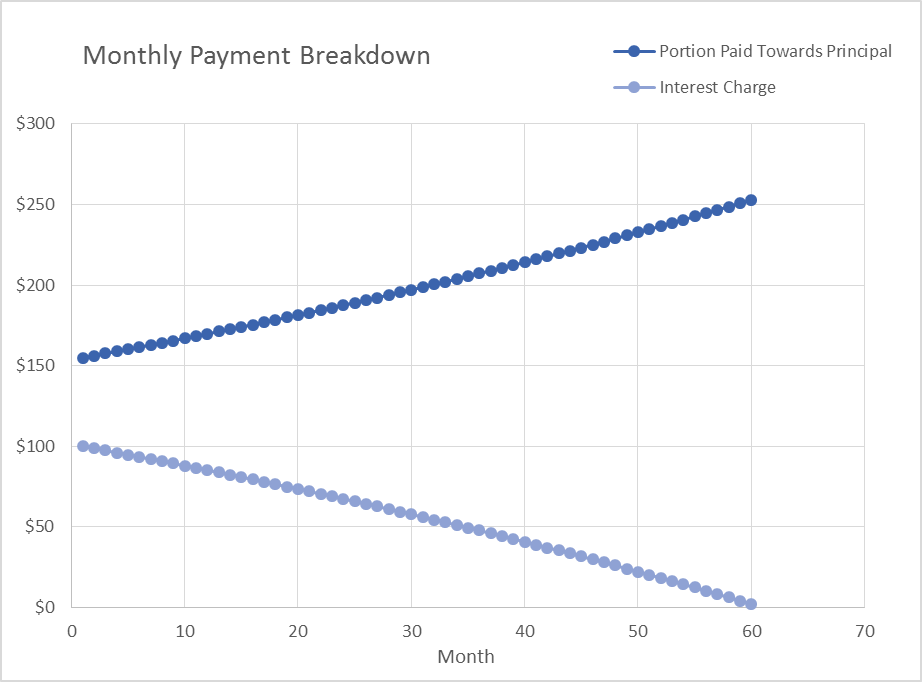
Every month, when you make a payment on your car loan, that money is split between reducing the principal balance and covering the accrued interest. In the early stages of a loan, a larger portion of your monthly payment goes towards paying off the interest. This is a standard practice known as “front-loading” interest. As the loan progresses and your principal balance decreases, a greater percentage of your payment is then allocated to reducing the principal itself.
This payment structure is outlined in an amortization schedule, which details how each payment is broken down over the life of the loan. Understanding this split is important because it illustrates why making extra payments, especially early in the loan term, can significantly reduce the total amount of interest paid over the life of the loan. By reducing the principal faster, you reduce the base on which interest is calculated, leading to substantial savings.
Key Factors Influencing Your Interest Rate
The interest rate you qualify for on a car loan is not arbitrary; it’s the result of several factors that lenders assess to determine your creditworthiness and the perceived risk of lending you money. Being aware of these elements can empower you to improve your position before applying for a loan.
Your Credit Score and History
Perhaps the most significant factor influencing your car loan interest rate is your credit score and overall credit history. A credit score, such as a FICO score, is a three-digit number that reflects your creditworthiness based on your past borrowing and repayment behavior. A higher credit score (typically above 700-720) indicates a lower risk to lenders, often qualifying you for the most favorable interest rates. Conversely, a lower credit score suggests a higher risk, leading to higher interest rates to compensate the lender for that increased risk. Lenders will also examine your credit report for bankruptcies, delinquencies, payment history, and the length of your credit history.
Loan Term (Length of Loan)
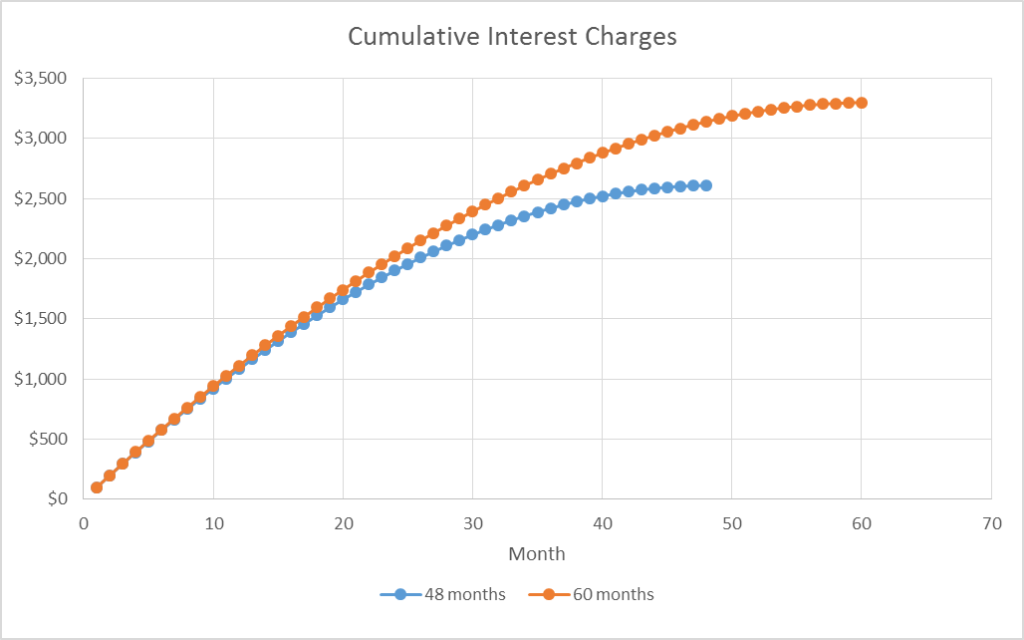
The loan term, or the duration over which you agree to repay the loan, also plays a crucial role. Car loans typically range from 36 to 84 months, with 60 or 72 months being common. While longer loan terms might seem appealing due to lower monthly payments, they often come with higher interest rates and result in paying significantly more interest over the life of the loan. This is because the lender is taking on more risk for a longer period. Shorter loan terms, while having higher monthly payments, usually feature lower interest rates and drastically reduce the total interest paid.
Down Payment Amount
Making a substantial down payment reduces the amount of money you need to borrow (the principal). A smaller principal means less risk for the lender, which can translate into a lower interest rate. Furthermore, a significant down payment demonstrates your financial commitment and ability to save, enhancing your appeal as a borrower. A good rule of thumb is to aim for at least 10-20% of the car’s purchase price, if possible.
Vehicle Type and Age
The type and age of the vehicle you’re financing can also influence your interest rate. Lenders often view newer vehicles as less risky because they hold their value better and are less likely to require expensive repairs that could strain a borrower’s finances. Used cars, particularly older models, may come with slightly higher interest rates due to concerns about their depreciation rate and potential for mechanical issues. Luxury vehicles might also attract different rates based on their specific market value and resale projections.
Economic Conditions (Prime Rate, Fed Funds Rate)
Beyond your personal financial profile, broader economic conditions can impact car loan interest rates. The prime rate, which is the interest rate commercial banks charge their most creditworthy corporate customers, and the federal funds rate, set by the Federal Reserve, influence borrowing costs across the economy. When these benchmark rates rise, it typically translates to higher interest rates for consumer loans, including car loans. Conversely, a decrease in these rates can lead to lower borrowing costs.
Understanding Different Types of Interest Calculation
While car loans predominantly use simple interest, it’s beneficial to understand the nuances of how interest can be calculated to fully grasp your financial obligations.
Simple Interest Loans
The vast majority of car loans today are simple interest loans. This means that interest is calculated daily on the outstanding principal balance. Every day that you have an unpaid balance, interest accrues on that amount. When you make a payment, the accrued interest is paid first, and the remainder goes towards reducing the principal. This method is advantageous because if you make extra payments or pay off your loan early, you only pay interest for the exact number of days you borrowed the money. This direct correlation between principal balance and daily interest calculation provides transparency and rewards borrowers who pay more than the minimum.
Precomputed Interest (Less Common Now)
Historically, some loans, particularly for auto financing, used a precomputed interest method. With precomputed interest, the total amount of interest for the entire loan term is calculated upfront and added to the principal. This combined figure then becomes your total repayment amount, divided into equal monthly installments. While less common now due to consumer protection laws and a shift towards simple interest, it’s worth noting that if you paid off a precomputed interest loan early, you might not save as much on interest as you would with a simple interest loan, or there might be specific clauses for interest rebates. This method offered less flexibility for early payoff savings.
Fixed vs. Variable Interest Rates
Car loans almost exclusively feature fixed interest rates. A fixed interest rate means that the interest rate on your loan remains constant for the entire duration of the loan term, regardless of changes in market interest rates. This provides stability and predictability for your monthly payments, making budgeting easier.
A variable interest rate, on the other hand, can change over the life of the loan, typically in response to a benchmark interest rate (like the prime rate). While variable rates can sometimes start lower than fixed rates, they carry the risk of increasing, which would raise your monthly payments. Given the relatively short terms of most car loans and consumer preference for payment stability, variable rates are rarely seen in auto financing.
The Amortization Schedule: How Your Payments Evolve
An amortization schedule is a table detailing each periodic loan payment, showing how much of the payment is applied to the interest versus the principal balance, and the remaining balance after each payment. It’s a critical tool for understanding the lifecycle of your loan.
Early Payments: More Interest, Less Principal
In the initial months or even years of a car loan, a disproportionately larger portion of your monthly payment goes towards covering the interest that has accrued on the outstanding principal. This is because the principal balance is at its highest, meaning the interest calculation on that larger amount is also significant. For example, if you have a 60-month loan, the first 10-20 payments might see 60-70% of your payment covering interest.
Later Payments: More Principal, Less Interest
As you steadily make payments and the principal balance gradually decreases, the amount of interest calculated on the remaining balance also shrinks. Consequently, a greater percentage of your monthly payment begins to go towards reducing the principal. By the end of the loan term, the majority of each payment will be allocated to principal, with a much smaller fraction covering the remaining interest.
The Impact of Early Payoff
Understanding the amortization schedule highlights the significant advantage of making extra payments or paying off your loan early, especially during the early stages. Since interest is calculated on the outstanding principal balance daily (for simple interest loans), any payment made above the minimum directly reduces the principal. This means less interest accrues going forward, leading to substantial savings over the life of the loan and allowing you to become debt-free sooner. Even small, consistent extra payments can add up to considerable savings.
Strategies to Secure a Better Interest Rate
Armed with knowledge of how car financing interest works, you can proactively take steps to improve your chances of securing the most favorable terms possible.
Boost Your Credit Score
Before applying for a car loan, check your credit report for inaccuracies and work to improve your score. Pay bills on time, reduce existing debt (especially credit card balances), and avoid opening new lines of credit. A higher credit score is your best leverage for a lower interest rate.
Make a Larger Down Payment
As discussed, a larger down payment reduces the principal amount you need to borrow and signals financial stability to lenders. Aim for at least 20% if possible, especially for new cars, to not only lower your interest paid but also reduce the likelihood of being “underwater” on your loan (owing more than the car is worth).
Shorten Your Loan Term
While higher monthly payments might seem daunting, opting for the shortest loan term you can comfortably afford will almost always result in a lower interest rate and significantly less total interest paid over the life of the loan. Balance affordability with the overall cost.
Shop Around for Lenders
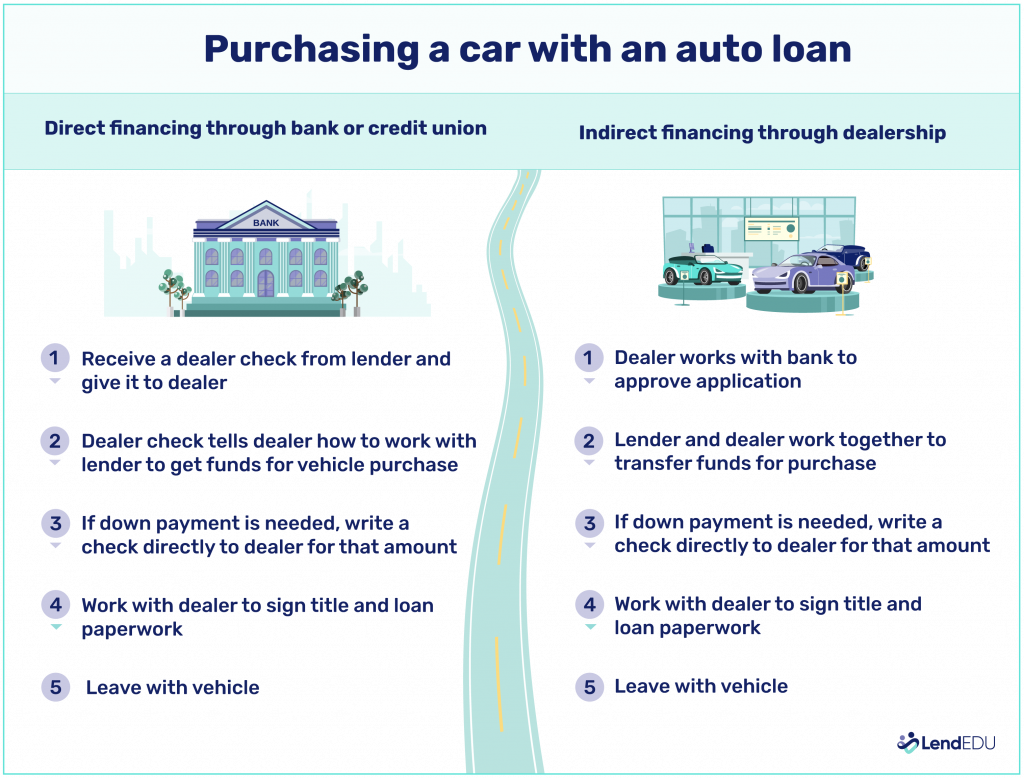
Don’t accept the first financing offer you receive, especially from a dealership. Banks, credit unions, and online lenders often have competitive rates. Get pre-approved by a few different institutions within a short timeframe (usually 14-45 days, depending on the credit scoring model) to minimize the impact on your credit score from multiple inquiries.
Get Pre-Approved
Getting pre-approved for a loan before you even step into a dealership gives you a clear understanding of the interest rate you qualify for and the maximum amount you can borrow. This empowers you to negotiate the car’s price with confidence, knowing you already have your financing secured. Dealerships may then try to beat your pre-approved rate, often resulting in an even better deal.
Consider a Co-signer
If your credit score is not ideal, or you’re a first-time buyer with limited credit history, a co-signer with excellent credit can help you qualify for a lower interest rate. However, remember that a co-signer is equally responsible for the loan, and any missed payments will negatively impact their credit as well.
In conclusion, understanding how car financing interest works is not merely about deciphering complex financial jargon; it’s about empowering yourself to make smart, informed decisions that protect your finances. By grasping the concepts of APR, credit influence, loan terms, and the amortization process, you transform from a passive borrower into an active participant in your car purchase. Take the time to research, improve your credit, and shop around for the best rates. These proactive steps can save you thousands of dollars over the life of your loan, ensuring that your vehicle acquisition is not just a dream come true, but also a sound financial move.
aViewFromTheCave is a participant in the Amazon Services LLC Associates Program, an affiliate advertising program designed to provide a means for sites to earn advertising fees by advertising and linking to Amazon.com. Amazon, the Amazon logo, AmazonSupply, and the AmazonSupply logo are trademarks of Amazon.com, Inc. or its affiliates. As an Amazon Associate we earn affiliate commissions from qualifying purchases.