
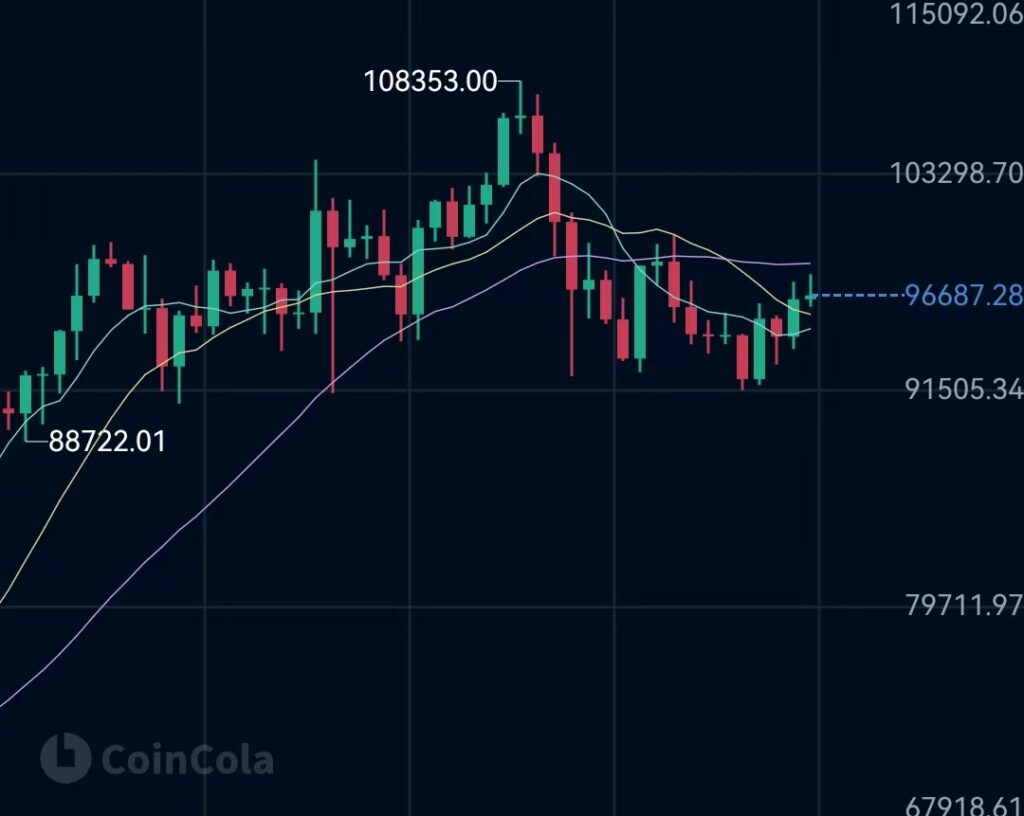
Bitcoin, the pioneering decentralized digital currency, has captivated the world with its meteoric rises and dramatic plunges. For many, its price movements appear chaotic and unpredictable, resembling a wild rollercoaster ride. Understanding “how Bitcoin goes up and down” is crucial not just for investors but for anyone seeking to grasp the economic forces shaping this nascent financial paradigm. Far from being random, Bitcoin’s price fluctuations are a complex interplay of fundamental economic principles, market sentiment, technological developments, and global macroeconomic trends, all operating within a unique decentralized ecosystem. This article delves into the core mechanisms that drive Bitcoin’s valuation, providing an insightful and engaging exploration of its market dynamics.
The Fundamental Principles of Bitcoin’s Value
At its heart, Bitcoin’s value proposition is built upon a set of revolutionary principles that distinguish it from traditional financial assets. These foundational elements lay the groundwork for understanding its inherent worth and, consequently, its price movements.
Scarcity and Supply Cap
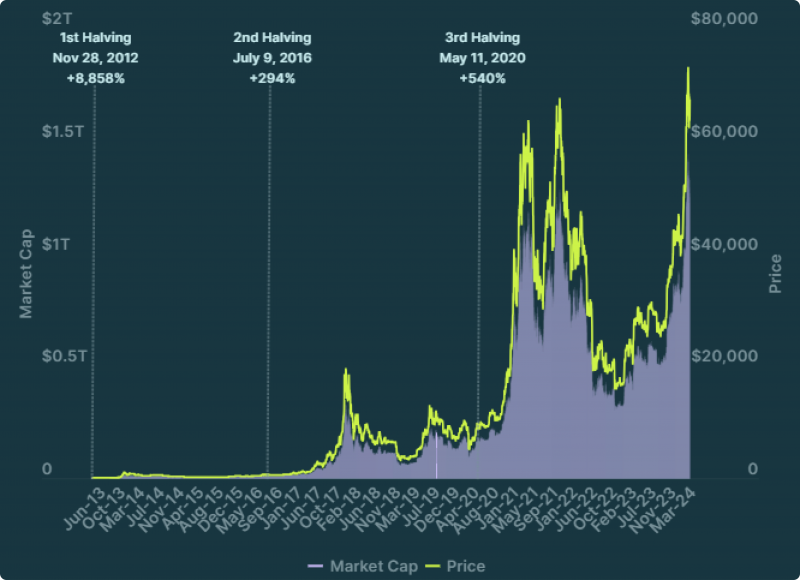
Perhaps the most critical factor influencing Bitcoin’s long-term value is its absolute scarcity. Unlike fiat currencies that can be printed infinitely by central banks, Bitcoin has a hard cap of 21 million coins that will ever be created. This predetermined, finite supply is codified into its protocol. Every four years, approximately, the reward for mining new blocks (and thus new bitcoins) is halved, an event known as “the Halving.” This programmed scarcity, mirroring commodities like gold, implies that as demand increases against a fixed or ever-slowing supply, the price naturally tends to rise, assuming all other factors remain constant. It’s a core tenet of its value proposition as a store of value – an asset that retains purchasing power over time.
Decentralization and Trust
Bitcoin operates on a decentralized network, meaning no single entity – no government, bank, or corporation – controls it. This decentralization fosters a unique kind of trust, not in an institution, but in cryptography and a transparent, immutable public ledger (the blockchain). This trust reduces counterparty risk and eliminates the need for intermediaries, a significant appeal in an era of waning confidence in traditional financial systems. The perceived security and integrity of a system beyond the reach of any single point of failure contribute significantly to its perceived value, particularly as a hedge against systemic risk in conventional finance.
Utility and Adoption
While often discussed as an investment asset, Bitcoin’s inherent utility as a medium of exchange and a store of value is growing. Its ability to facilitate peer-to-peer transactions globally, without geographic or political boundaries, offers practical applications, particularly in regions with unstable economies or restrictive financial systems. As more individuals, businesses, and even nations adopt Bitcoin for payments, remittances, or as part of their treasury reserves, its utility increases. This expanding real-world adoption drives demand, which, when coupled with its fixed supply, puts upward pressure on its price. The development of scaling solutions like the Lightning Network further enhances its transactional utility, making micro-transactions faster and cheaper.
Market Forces Driving Price Volatility
Beyond its fundamental characteristics, Bitcoin’s price is highly susceptible to the universal laws of supply and demand, amplified by investor psychology and broader macroeconomic trends. These market forces often dictate its short-to-medium term fluctuations.
Supply and Demand Mechanics
Like any tradable asset, Bitcoin’s price is ultimately determined by the equilibrium point between buyers and sellers. When demand outstrips the available supply (more people want to buy than sell), the price goes up. Conversely, when supply exceeds demand (more people want to sell than buy), the price falls. This interplay is constant, occurring 24/7 across numerous global exchanges. Factors that increase demand include positive news, institutional investment, or a search for alternative assets during economic uncertainty. Factors that increase supply include large holders selling, regulatory crackdowns, or general market FUD (fear, uncertainty, doubt).
Investor Sentiment and Speculation
Bitcoin’s market is heavily influenced by sentiment, often driven by a potent mix of fear and greed. Speculation plays a significant role, with many participants buying Bitcoin not for its utility but in the expectation that its price will rise further. This can lead to rapid price escalations during bull runs, often fueled by FOMO (fear of missing out), where investors rush in to capitalize on perceived gains. Conversely, negative news, significant price drops, or general market panic can trigger waves of selling, as investors succumb to fear and attempt to cut losses. The highly emotional and often irrational behavior of market participants contributes significantly to Bitcoin’s characteristic volatility.
Macroeconomic Factors
While often touted as uncorrelated, Bitcoin’s price is increasingly influenced by broader macroeconomic conditions. During periods of high inflation in traditional economies, Bitcoin is sometimes seen as a “digital gold” or an inflation hedge, leading investors to allocate capital into it, pushing its price up. Conversely, rising interest rates or a strengthening US dollar can make riskier assets like Bitcoin less attractive, as investors might prefer safer, yield-bearing investments. Global geopolitical events, economic crises, or shifts in monetary policy can create ripples that impact all financial markets, and Bitcoin is no exception. Its correlation with traditional assets like the S&P 500 has been observed to increase during periods of market stress.
Catalysts for Price Swings: Internal and External Factors
Bitcoin’s journey has been punctuated by distinct events, both internal to its protocol and external to its ecosystem, that have acted as significant catalysts for major price movements.
Halving Events
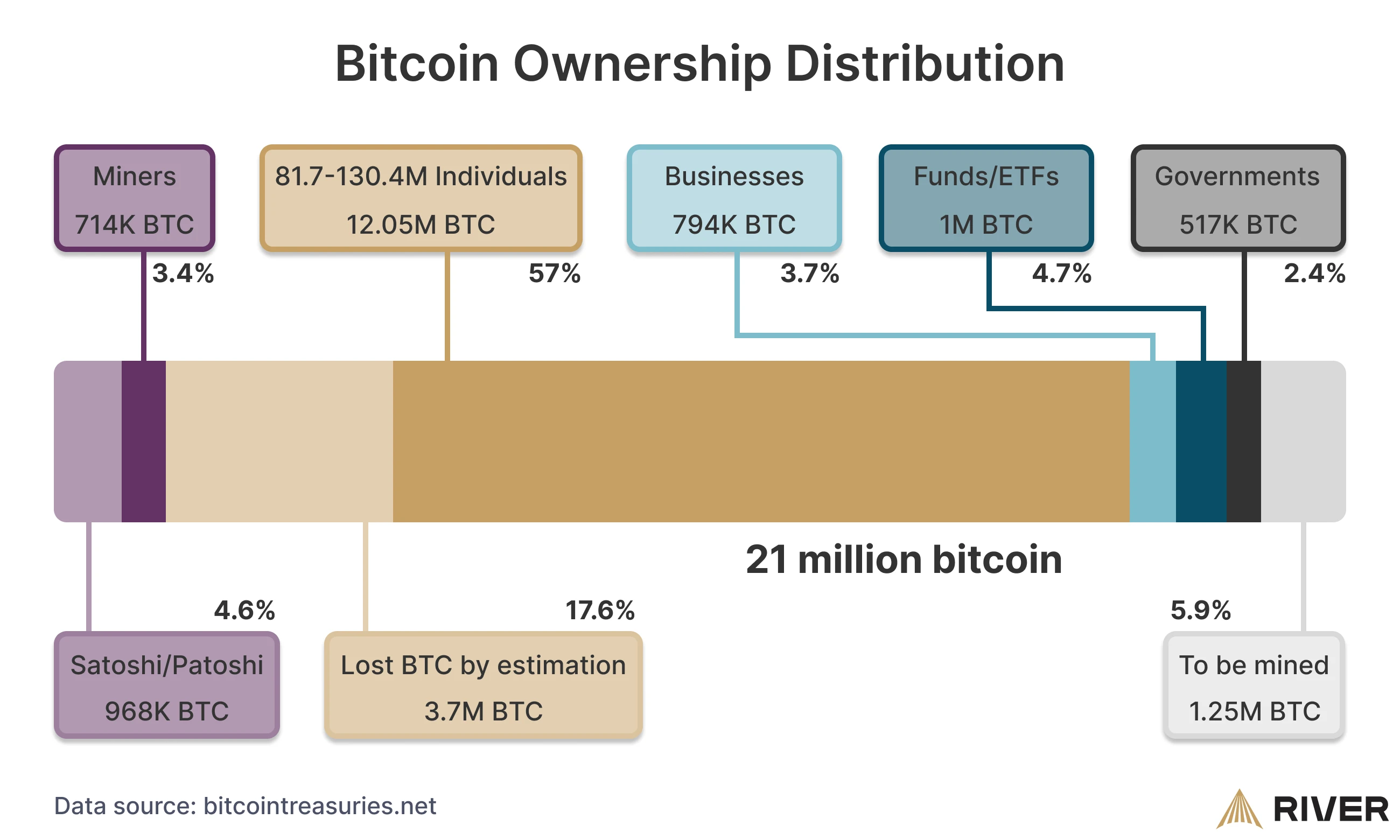
The Bitcoin Halving, as mentioned earlier, is a pre-programmed event occurring roughly every four years, which halves the reward miners receive for validating transactions. This effectively reduces the rate at which new Bitcoin enters circulation. Historically, each Halving has been followed by a significant bull run, as the reduction in new supply against a backdrop of steady or increasing demand creates an upward price pressure. While not an immediate trigger, the anticipation and eventual execution of a Halving event are powerful long-term catalysts that reshape supply dynamics.
Regulatory Developments
Government regulations, or the lack thereof, are a constant source of market volatility. Positive regulatory news, such as a country legalizing Bitcoin as tender (e.g., El Salvador) or approving a Bitcoin Exchange Traded Fund (ETF) in major markets (e.g., the US), can inject massive optimism and institutional capital, sending prices soaring. Conversely, rumors or actual implementation of strict bans, increased taxation, or unfavorable classifications (e.g., treating it as a security) can trigger widespread panic selling and significant price drops, as investors fear a shrinking market or increased operational hurdles. Regulatory clarity, even if stringent, is often preferred over uncertainty.
Technological Advancements and Network Upgrades
The continuous evolution of the Bitcoin network itself can influence its perceived value. Upgrades like Taproot, which enhances privacy and smart contract capabilities, or the ongoing development of the Lightning Network for faster, cheaper transactions, signal a healthy, evolving ecosystem. These advancements can increase Bitcoin’s utility and scalability, making it more attractive for wider adoption and consequently impacting its price positively. Breakthroughs in quantum computing, which could theoretically threaten Bitcoin’s cryptography, would be a major negative catalyst, though such a threat is currently deemed distant and addressable.
Institutional Adoption and Mainstream Integration
The entry of large institutional players – hedge funds, corporations, sovereign wealth funds, and even public companies – has become a major driver of Bitcoin’s price. When a company like MicroStrategy or Tesla announces significant Bitcoin holdings, or when major financial institutions like Fidelity or BlackRock offer Bitcoin-related investment products, it signals legitimacy and trust to the broader market. This institutional adoption brings significant capital inflows, increases liquidity, and reduces perceived risk, often leading to substantial price appreciation and greater market stability. The growing integration of Bitcoin into traditional payment systems and financial products further solidifies its position and expands its addressable market.
Measuring and Predicting Bitcoin’s Movement (Challenges and Tools)
Given Bitcoin’s dynamic nature, investors employ various methods to analyze and predict its movements, though the inherent volatility presents unique challenges.
Technical Analysis Limitations
Technical analysis involves studying historical price charts and trading volumes to identify patterns and predict future price movements. Indicators like moving averages, RSI (Relative Strength Index), and MACD (Moving Average Convergence Divergence) are widely used. While technical analysis can be effective in traditional markets, Bitcoin’s high volatility, susceptibility to news, and the relative immaturity of its market can sometimes render these tools less reliable or lead to false signals. Flash crashes, pump-and-dump schemes, and “whale” manipulation can override established technical patterns, requiring a nuanced approach.
Fundamental Analysis in Crypto
Fundamental analysis in the cryptocurrency space involves evaluating the intrinsic value of an asset by examining underlying factors. For Bitcoin, this includes analyzing network health (hash rate, number of active addresses), development activity, adoption rates, regulatory landscape, and overall macroeconomic conditions. Rather than looking at company balance sheets, fundamental analysis for Bitcoin focuses on its role as a decentralized network, its security, utility, and its potential to disrupt traditional finance. A strong fundamental outlook, indicating growing network adoption and resilience, often correlates with long-term price appreciation.
Global News and Social Media Influence
Bitcoin’s market is highly sensitive to news and social media trends, often reacting instantly to significant announcements, endorsements from prominent figures (e.g., Elon Musk), or even widespread FUD campaigns. The 24/7 nature of crypto markets and the global reach of information mean that news can spread rapidly, triggering quick and often exaggerated price reactions. Investors frequently monitor news aggregators, crypto-specific media, and social platforms like X (formerly Twitter) and Reddit to gauge sentiment and anticipate potential price shifts, making real-time information flow a critical component of short-term price discovery.
Navigating Bitcoin’s Volatility: A Long-Term Perspective
Understanding “how Bitcoin goes up and down” is not merely academic; it’s essential for developing sound investment strategies. Its inherent volatility demands a thoughtful approach, focusing on risk management and a long-term vision.
Risk Management and Diversification
Given Bitcoin’s potential for significant price swings, prudent risk management is paramount. Investors are often advised to only invest what they can afford to lose and to avoid over-allocating their portfolio to a single, highly volatile asset. Diversification, both within the crypto space (e.g., holding other cryptocurrencies) and across traditional asset classes, can help mitigate risk. Implementing strategies like dollar-cost averaging (investing a fixed amount regularly, regardless of price) can help smooth out the impact of volatility over time, reducing the emotional burden of market timing.
The HODL Philosophy vs. Active Trading
The cryptocurrency community famously coined “HODL” (often interpreted as “Hold On for Dear Life”), a philosophy that advocates for buying and holding Bitcoin for the long term, weathering short-term fluctuations. This strategy is based on the belief in Bitcoin’s long-term appreciation due to its fundamental characteristics and increasing adoption. Conversely, active trading involves frequent buying and selling to profit from short-term price movements. While potentially lucrative, active trading demands significant time, expertise, and is exposed to higher transaction costs and capital gains taxes, making it riskier for most retail investors.
Understanding Bitcoin’s Role in a Portfolio
Bitcoin’s role in a diversified portfolio is still evolving. Some view it primarily as a speculative asset with high growth potential, others as a hedge against inflation and currency debasement, a “digital gold.” Its low correlation with traditional assets during certain periods makes it an interesting diversification tool. As the market matures, and regulatory frameworks solidify, Bitcoin’s place within institutional and individual portfolios will likely become more defined, potentially transitioning from a purely speculative play to a recognized, albeit volatile, asset class with unique properties.
In conclusion, Bitcoin’s upward and downward movements are not random acts of chance but a predictable outcome of complex interactions between its foundational design, basic economic principles of supply and demand, pervasive investor sentiment, technological advancements, and the broader global economic landscape. While its volatility remains a defining characteristic, a deeper understanding of these underlying drivers provides clarity and empowers investors to approach this revolutionary digital asset with greater insight and strategic foresight. As Bitcoin continues to evolve and integrate into the global financial system, these dynamics will undoubtedly continue to shape its journey, offering both challenges and unprecedented opportunities.
aViewFromTheCave is a participant in the Amazon Services LLC Associates Program, an affiliate advertising program designed to provide a means for sites to earn advertising fees by advertising and linking to Amazon.com. Amazon, the Amazon logo, AmazonSupply, and the AmazonSupply logo are trademarks of Amazon.com, Inc. or its affiliates. As an Amazon Associate we earn affiliate commissions from qualifying purchases.