
The banking sector remains the cornerstone of the global economy, serving as the primary engine for capital allocation, wealth preservation, and credit distribution. For many professionals, “working at a bank” represents more than a stable career; it is an entry point into the sophisticated world of finance where personal ambition meets systemic economic influence. However, the path to a banking career has evolved significantly over the last decade. No longer confined to the local retail branch, banking roles now span complex global markets, high-stakes investment strategies, and rigorous regulatory compliance. Understanding how to navigate this landscape requires a deep dive into the various sectors of the industry, the specific financial skills required, and the strategic educational path necessary to succeed in a competitive marketplace.
Defining the Landscape: Core Segments of the Banking Industry
To understand how to work at a bank, one must first identify which segment of the industry aligns with their professional goals and financial aptitude. The banking world is not a monolith; it is divided into distinct silos, each requiring a different approach to finance and client management.
Retail and Consumer Banking
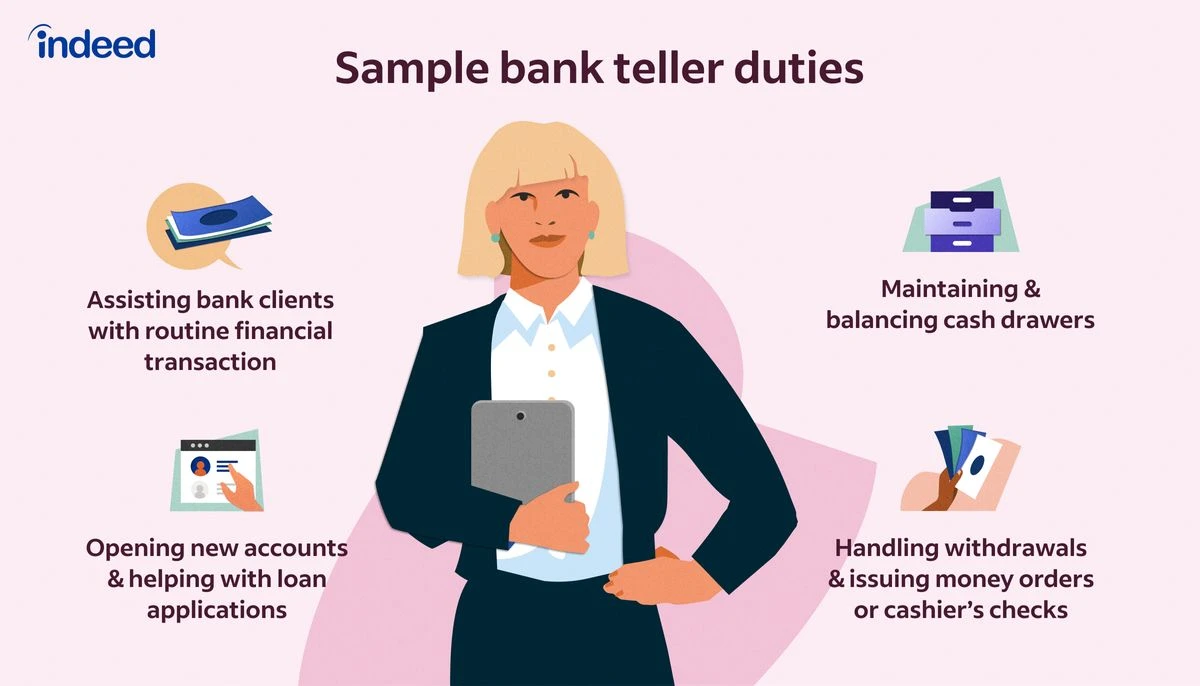
Retail banking is the most visible arm of the industry. This is the “frontline” of personal finance, where professionals manage everyday transactions for individuals and small businesses. Working here involves roles such as personal bankers, mortgage loan officers, and branch managers. The focus is on liquidity management, consumer credit products, and basic savings vehicles. Success in retail banking relies heavily on the ability to translate complex financial products into accessible options for the general public, ensuring that clients can effectively manage their debt-to-income ratios and personal savings goals.
Commercial and Corporate Banking
Stepping up from the consumer level, commercial banking focuses on providing financial services to mid-sized businesses and large corporations. If you work in this sector, your primary responsibility is helping businesses manage their cash flow, secure lines of credit for expansion, and navigate trade finance. Relationship managers in commercial banking must possess a keen understanding of business cycles and industry-specific risks. They analyze financial statements, assess the viability of business models, and structure loans that support corporate growth while protecting the bank’s capital.
Investment Banking and Capital Markets
For those driven by high-stakes financial strategy, investment banking offers a path into the world of mergers and acquisitions (M&A), initial public offerings (IPOs), and asset restructuring. Working at an investment bank involves advising corporations and governments on how to raise capital in the public and private markets. This is a quantitative-heavy environment where financial modeling and valuation are the primary tools of the trade. Professionals here work at the intersection of corporate strategy and global finance, facilitating the movement of billions of dollars across international borders.
The Professional Skill Set: Merging Technical Acumen with Financial Literacy
Securing a position at a bank requires a blend of hard technical skills and soft interpersonal abilities. As the industry becomes increasingly data-driven, the baseline for entry continues to rise, requiring candidates to demonstrate a high level of financial literacy and analytical precision.
Quantitative Proficiency and Financial Modeling
At its core, banking is about the management of risk and the calculation of returns. Whether you are an analyst in a credit department or a trader on a desk, you must be comfortable with numbers. This includes the ability to perform discounted cash flow (DCF) analyses, understand balance sheet mechanics, and utilize statistical software to predict market trends. In the modern era, proficiency in Excel is a non-negotiable requirement, and many institutions now look for candidates who can utilize Python or R for data-driven financial forecasting.
Regulatory Knowledge and Risk Management
Since the global financial crisis of 2008, the regulatory environment for banks has become incredibly complex. Working at a bank today means operating within the strictures of frameworks like Basel III, the Dodd-Frank Act, and various Anti-Money Laundering (AML) protocols. A successful banker must understand how these regulations impact capital requirements and lending practices. Risk management—specifically identifying credit, market, and operational risks—is now integrated into every banking role, from the teller window to the C-suite.
Relationship Management and Strategic Communication
Despite the rise of digital tools, banking remains a relationship-driven business. The ability to build trust with clients, explain the implications of interest rate changes, and negotiate the terms of a loan is vital. Professionals must be able to communicate complex financial concepts to stakeholders who may not have a background in finance. This “consultative” approach to banking ensures that financial products are aligned with the long-term wealth-building goals of the client, fostering loyalty and long-term profitability.
Educational Milestones and Professional Credentialing

The educational requirements for working at a bank vary depending on the level of the role, but the trend is toward higher specialization and continuous learning. A career in finance often begins with a solid academic foundation but is sustained through professional designations.
Academic Foundations
A bachelor’s degree in finance, economics, accounting, or business administration is the standard entry requirement for most professional banking roles. However, as the industry becomes more specialized, banks are increasingly recruiting from STEM fields—mathematics, engineering, and physics—for roles in quantitative analysis and risk modeling. For those eyeing executive leadership or senior roles in investment banking, an MBA from a top-tier institution remains a powerful catalyst for career advancement and increased earning potential.
Professional Certifications
To distinguish themselves in a crowded field, many banking professionals pursue specialized certifications that validate their expertise.
-
Chartered Financial Analyst (CFA): Widely considered the “gold standard” for investment professionals, the CFA designation is essential for those working in asset management, research, and portfolio strategy.
-
Certified Financial Planner (CFP): For those in private banking and wealth management, the CFP demonstrates a commitment to ethical, comprehensive financial planning for high-net-worth individuals.
-
Certified Public Accountant (CPA): While primarily an accounting credential, the CPA is highly valued in internal audit, tax strategy, and corporate controllership roles within a bank.
The Financial Trajectory: Salary Expectations and Career Growth
One of the primary draws of working at a bank is the potential for significant financial reward. The banking industry is known for its performance-based culture, where bonuses and commissions can often match or exceed base salaries, particularly in revenue-generating roles.
Entry-Level Compensation and Progression
Entry-level roles such as credit analysts or junior bankers typically offer competitive base salaries that exceed the national average for recent graduates. As one moves from an Analyst to an Associate, and eventually to a Vice President or Director level, the compensation structure shifts. At higher levels, the focus moves toward “origination”—the ability to bring in new business and manage large portfolios of assets—which triggers significant performance-based incentives.
Wealth Management and Private Banking
Professionals in wealth management often operate on a fee-based or commission-based model. By managing the assets of affluent clients, these bankers earn a percentage of the assets under management (AUM). This creates a scalable income model where successful bankers can build a “book of business” that generates consistent revenue over decades. This career path offers a unique blend of financial advisory work and entrepreneurial income potential.
The Rise of Fintech and Digital Banking
The traditional banking career path is being disrupted by financial technology (Fintech). Working at a digital bank or a fintech startup often involves different compensation structures, such as equity or stock options, which can lead to substantial wealth if the company goes public or is acquired. These roles focus on digital transformation, mobile payment systems, and blockchain integration, representing the “new frontier” of the banking world.
Securing Your Position: The Application and Interview Strategy
The process of getting hired at a bank is notoriously rigorous, often involving multiple rounds of interviews, technical assessments, and behavioral evaluations. Success requires a strategic approach to the application process.
The Finance-Centric Resume
Your resume must be more than a list of duties; it must be a document of achievements quantified by financial impact. Instead of saying “managed a team,” a banking resume should say “oversaw a portfolio of $50 million in commercial loans, maintaining a default rate of less than 1%.” Highlighting specific experience with financial software, regulatory compliance, and successful deal closures is essential for catching the eye of a recruiter.
Navigating the Technical Interview
Interviews for banking roles often include “technical” components. Candidates may be asked to walk through the three financial statements, explain how a change in depreciation affects the cash flow statement, or pitch a stock. Preparing for these questions involves a deep review of finance theory and a current understanding of the macroeconomic environment, including Federal Reserve policies and global market trends.
Networking and Internal Referrals
In the banking industry, “who you know” is often as important as “what you know.” Many of the most sought-after roles are filled through internal referrals or professional networks. Attending industry conferences, joining finance associations, and engaging with alumni in the field are critical steps. Developing a personal brand as a knowledgeable, ethical, and results-oriented professional can open doors to opportunities that are never posted on public job boards.
Working at a bank is a multifaceted career choice that offers the opportunity to participate in the highest levels of the financial system. Whether you are helping a family buy their first home, assisting a startup in securing venture debt, or advising a corporation on a global merger, the work is intellectually stimulating and financially rewarding. By mastering the necessary technical skills, pursuing the right education, and understanding the nuances of the financial markets, you can build a sustainable and lucrative career in this vital industry.
aViewFromTheCave is a participant in the Amazon Services LLC Associates Program, an affiliate advertising program designed to provide a means for sites to earn advertising fees by advertising and linking to Amazon.com. Amazon, the Amazon logo, AmazonSupply, and the AmazonSupply logo are trademarks of Amazon.com, Inc. or its affiliates. As an Amazon Associate we earn affiliate commissions from qualifying purchases.