
Starting an online business is more accessible today than ever before, but transforming a digital idea into a profitable venture requires more than just passion—it demands a robust financial strategy. In the vast landscape of online entrepreneurship, understanding the monetary mechanics of your operation from the outset is paramount. This guide will walk you through the essential financial considerations, strategic planning, and practical steps to launch and scale a thriving online business, firmly rooted in the principles of income generation, cost management, and sustainable financial growth.
Laying the Financial Foundation: Business Planning & Niche Selection
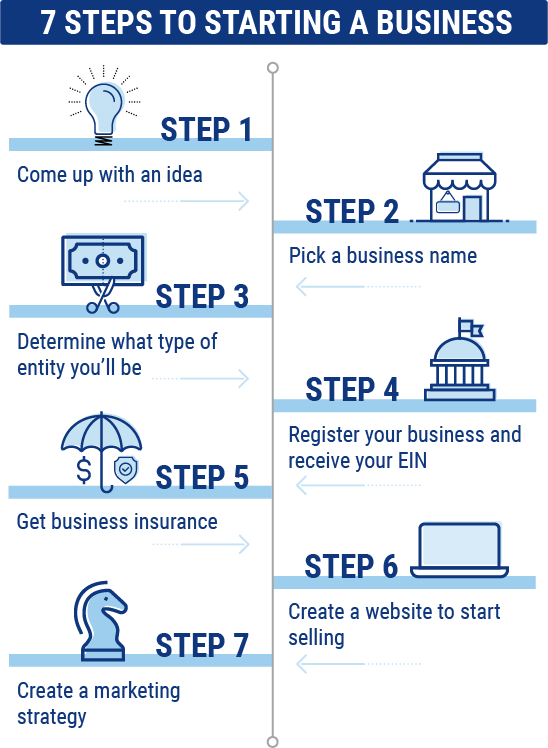
The genesis of any successful online business lies in thorough planning, particularly on the financial front. Before you even think about website design or marketing campaigns, you must assess the financial viability of your concept and pinpoint a niche that promises profitability. This initial phase sets the stage for all subsequent financial decisions.
Identifying a Profitable Niche
A profitable niche is not merely about finding a gap in the market; it’s about identifying a specific group of people with a problem they are willing to pay to solve. Financial profitability in a niche often stems from several factors: the perceived value of your solution, the purchasing power of your target audience, and the level of competition. Conduct preliminary research to understand the demand for your proposed product or service. Are people actively searching for solutions in this area? Are there existing competitors, and if so, what are their price points and how can you differentiate your offering to command a competitive price? A niche that is too broad may lead to scattered marketing efforts and diluted revenue, while one that is too narrow might not offer sufficient financial upside.
Market Research: Understanding Demand and Competition
Deep-diving into market research is crucial for de-risking your financial investment. Utilize tools like Google Keyword Planner to gauge search volume for your niche keywords, explore forums and social media groups to understand customer pain points, and analyze competitor pricing and business models. This isn’t just about identifying what others are doing; it’s about understanding their revenue streams, their customer acquisition costs, and their perceived value propositions. By dissecting the financial strategies of successful competitors, you can glean insights into viable pricing structures, potential upsell opportunities, and the overall financial health of the market. Conversely, understanding their weaknesses can help you position your offering to capture market share and optimize your revenue potential.
Crafting a Financial Business Plan: Budgeting & Revenue Projections
Every online business, regardless of its size, needs a financial business plan. This document acts as your financial roadmap, outlining your startup costs, operational expenses, projected revenue, and expected profitability.
- Startup Costs: Detail every initial expense, from domain registration and website hosting to software subscriptions, initial inventory (if applicable), and professional services.
- Operational Expenses: Account for recurring costs such as marketing, ongoing software subscriptions, transaction fees, and potential salaries or contractor payments.
- Revenue Projections: Develop realistic revenue forecasts based on your pricing strategy, anticipated sales volume, and conversion rates. Be conservative in your initial estimates and consider multiple scenarios (best-case, worst-case, realistic).
- Break-Even Analysis: Determine when your revenue will cover your total costs. This crucial metric helps you understand the sales volume required to become profitable and ensures you have enough capital to sustain your operations until that point.
A well-structured financial plan not only guides your decisions but also serves as a vital document if you ever seek external funding.
Choosing Your Online Business Model: Pathways to Profit
The choice of business model directly dictates your revenue streams, operational costs, and ultimately, your profitability. Each model comes with its own financial implications, requiring careful consideration of your resources, risk tolerance, and long-term financial goals.
E-commerce: Product Sales (Dropshipping, Print-on-Demand, Physical Goods)
E-commerce involves selling physical products online.
- Dropshipping: Offers a low-inventory, low-startup-cost model, as you don’t hold stock. Your profit margin comes from the difference between the wholesale price and your retail price. While financially attractive due to minimal upfront investment, margins can be tight, and success hinges on effective marketing and reliable suppliers.
- Print-on-Demand (POD): Similar to dropshipping in terms of inventory management, POD allows you to sell custom-designed products (t-shirts, mugs, etc.) without pre-purchasing stock. Your financial commitment is primarily design creation and marketing, with profits based on design appeal and efficient fulfillment.
- Physical Goods (Inventory-based): This traditional e-commerce model involves purchasing and holding inventory. It demands significant upfront capital for stock but typically offers higher profit margins and greater control over product quality and shipping. Financial planning here must encompass inventory management, warehousing costs, and efficient order fulfillment.
Services-Based Businesses (Consulting, Freelancing, Coaching)
Selling your skills and expertise online often has the lowest financial barrier to entry, as your primary asset is your time and knowledge.
- Consulting & Coaching: You charge for your expertise, often on an hourly, project, or retainer basis. Profitability is high as direct costs are minimal, but it’s directly tied to your billable hours and ability to acquire clients. Scaling requires careful consideration, often involving building a team or developing digital products.
- Freelancing: Offering specific services (e.g., writing, graphic design, web development) to clients. Financial success depends on your rates, efficiency, and consistent client acquisition. The key is to price your services competitively yet profitably, ensuring you account for non-billable time, software subscriptions, and self-employment taxes.
Digital Products & Content Creation (Courses, E-books, Subscriptions, Ads)
This model leverages scalable digital assets, offering potentially high-profit margins once the initial creation cost is covered.
- Online Courses & E-books: Once created, these products can be sold repeatedly without additional per-unit cost. The financial investment is in creation (time, software, possibly expert consultation) and marketing. Profitability is excellent, with high-volume sales translating directly to significant income.
- Subscription Models: Offering exclusive content, tools, or community access for a recurring fee. This provides predictable recurring revenue (MRR – Monthly Recurring Revenue), which is highly valued for financial stability and growth projections.
- Advertising & Sponsorships: Monetizing content (blogs, podcasts, YouTube channels) through ads, affiliate links, or direct sponsorships. While requiring significant audience building, this model can generate substantial passive income.
Affiliate Marketing: Monetizing Recommendations
Affiliate marketing involves promoting other companies’ products or services and earning a commission on sales made through your unique referral link.
- Financial Advantage: Extremely low startup costs, as you don’t create products or handle customer service. Your investment is primarily in content creation and audience building to drive traffic to your affiliate links.
- Profitability: Varies widely depending on the commission rates and the price of the products you promote. Success hinges on building trust with your audience and strategically integrating relevant affiliate offers into your content.
Funding Your Venture & Managing Initial Costs
Securing the necessary funds and meticulously managing initial expenses are critical steps in transforming your online business idea into a tangible reality. A strategic approach to funding and cost control can determine your business’s longevity.
Bootstrapping: Starting Lean and Self-Funded
Bootstrapping means funding your business primarily with personal savings, generated revenue, and minimal external capital. This approach is highly recommended for online businesses due to their typically lower startup costs.
- Financial Benefits: No debt repayments, full ownership, and forced financial discipline. It encourages creative problem-solving and prioritizing essential expenditures.
- Strategy: Start with an MVP (Minimum Viable Product) to validate your idea with the least financial investment possible. Reinvest early profits back into the business to fuel growth, avoiding unnecessary expenses until revenue streams are stable.
Exploring External Funding Options (Loans, Grants, Angel Investors)

While bootstrapping is often preferred, some online ventures might require more significant initial capital.
- Small Business Loans: Available from traditional banks or online lenders. Requires a solid business plan and often personal collateral or a good credit score.
- Grants: Government or private organizations sometimes offer grants for specific types of businesses (e.g., innovation, minority-owned). These are non-repayable but highly competitive.
- Angel Investors/Venture Capital: Typically for high-growth potential businesses, these investors provide capital in exchange for equity. This path usually involves extensive pitching and relinquishing some ownership. For most initial online businesses, this is overkill, but it’s good to be aware of the options as you scale.
Essential Initial Investments (Website, Tools, Marketing)
Prioritize your initial spending on what is absolutely essential to launch and generate revenue.
- Website/Platform: A professional online presence is non-negotiable. This includes domain name, hosting, and a robust e-commerce platform or content management system (CMS). Invest in user experience for better conversion rates.
- Core Tools & Software: Essential for operations (e.g., email marketing software, accounting software, project management tools). Look for free or freemium versions to start.
- Initial Marketing: Allocate funds for foundational marketing efforts to acquire your first customers. This could be paid ads, SEO optimization, or social media promotion. Focus on channels that offer the best return on investment (ROI).
Building a Sustainable Financial Runway
Your financial runway is the amount of time your business can operate before running out of money, assuming no new revenue. Calculate this by dividing your cash reserves by your monthly burn rate (total monthly expenses). A longer runway provides peace of mind and allows time for your business to gain traction. Maintain a buffer for unexpected expenses and ensure you have enough working capital to cover at least 3-6 months of operational costs.
Pricing Strategies & Profit Maximization
Effective pricing is not just about covering costs; it’s about reflecting value, attracting the right customers, and ensuring sustainable profitability. Your pricing strategy is a powerful lever for influencing revenue and perceived value.
Value-Based vs. Cost-Plus Pricing
- Value-Based Pricing: This strategy sets prices primarily based on the perceived value your product or service offers to the customer, rather than solely on your costs. For online businesses, especially those selling digital products or services, this often allows for higher profit margins. Understanding your target market’s willingness to pay and the unique benefits you provide is key.
- Cost-Plus Pricing: Involves calculating your total cost to produce or deliver a product/service and then adding a desired profit margin. While simpler, it can leave money on the table if your product’s perceived value far exceeds its cost. It’s more common for physical goods where production costs are more tangible.
Understanding Margins and Break-Even Points
- Gross Margin: The revenue left after subtracting the cost of goods sold (COGS). A healthy gross margin ensures you have enough to cover operating expenses. For digital products, COGS is often negligible, leading to very high gross margins.
- Net Margin: Your profit after all expenses, including operating costs and taxes. Aim for a healthy net margin to ensure long-term financial viability.
- Break-Even Point: The point at which your total revenue equals your total expenses, meaning you’re neither making nor losing money. Knowing this number is crucial for setting sales targets and evaluating the financial feasibility of new products or services.
Upselling, Cross-selling, and Bundling for Increased Revenue
These tactics are powerful for increasing your Average Order Value (AOV) and customer lifetime value (CLV), directly boosting your financial performance without necessarily acquiring new customers.
- Upselling: Encouraging customers to purchase a more expensive or premium version of the product they are already interested in (e.g., a “pro” version of software).
- Cross-selling: Offering complementary products or services to an existing customer (e.g., suggesting a matching accessory with a clothing purchase).
- Bundling: Grouping multiple products or services together and selling them for a combined price, often slightly less than if purchased individually. This can create perceived value and drive higher sales volume.
Monitoring Key Financial Metrics
Regularly tracking key performance indicators (KPIs) is essential for financial health.
- Customer Acquisition Cost (CAC): How much it costs to acquire a new customer.
- Customer Lifetime Value (CLV): The total revenue a business can reasonably expect from a single customer account over the course of their relationship. Aim for CLV to be significantly higher than CAC.
- Conversion Rate: The percentage of visitors who complete a desired action (e.g., make a purchase).
- Return on Investment (ROI): Measures the profitability of your marketing campaigns and other investments.
- Monthly Recurring Revenue (MRR): For subscription businesses, this indicates predictable monthly income.
- Cash Flow: The movement of money in and out of your business. Positive cash flow is vital for operational stability.
Scaling for Sustainable Financial Growth
Once your online business is generating consistent revenue, the next financial frontier is sustainable growth. Scaling wisely means expanding operations and increasing revenue without disproportionately escalating costs, ultimately enhancing profitability and financial stability.
Automating for Efficiency and Cost Reduction
As your business grows, manual processes can become time-consuming and expensive. Automating repetitive tasks is a crucial strategy for financial efficiency.
- Marketing Automation: Email sequences, social media scheduling, and ad campaign management.
- Customer Service: Chatbots, FAQs, and automated support tickets.
- Operations: Inventory management software, automated invoicing, and fulfillment processes.
- Financial Management: Integrating accounting software with sales platforms for automated transaction tracking and reporting.
Automation frees up your time and resources, allowing you to focus on high-value activities and reducing the need for additional costly labor.
Diversifying Income Streams
Reliance on a single income stream can be financially precarious. Diversifying your revenue sources creates resilience and opens new avenues for growth.
- Expand Product/Service Offerings: Introduce new products, services, or premium tiers.
- Explore New Business Models: If you sell physical products, consider adding digital guides or online courses. If you offer services, explore creating a membership site or a premium community.
- Geographic Expansion: If your offerings are suitable, expanding into new markets can unlock significant revenue potential.
Diversification mitigates risk and ensures your financial health isn’t solely dependent on one fluctuating source.
Reinvesting Profits Strategically
Not all profits should be withdrawn. Strategic reinvestment is the fuel for sustainable growth.
- Product Development: Investing in new features, products, or improving existing ones.
- Marketing & Sales: Allocating funds to expand your reach, optimize advertising, and enhance customer acquisition.
- Infrastructure: Upgrading technology, systems, or hiring key personnel to support growth.
- Education & Training: Investing in your own or your team’s skills to stay competitive.
The key is to identify areas that will yield the highest financial return and contribute to long-term value creation.

Long-Term Financial Planning and Exit Strategies
Looking beyond immediate growth, consider your long-term financial goals for the business.
- Financial Forecasting: Develop multi-year financial projections to anticipate future cash needs and potential revenue.
- Succession Planning: If you envision stepping back, plan for how the business will continue to operate profitably.
- Exit Strategy: For some entrepreneurs, the ultimate financial goal is to sell the business. Understanding how your business’s valuation is calculated (e.g., based on revenue, profit multiples, recurring revenue) influences how you operate and grow it from day one. Building a business with strong financial fundamentals, clean books, and diversified revenue streams makes it significantly more attractive to potential buyers, maximizing your ultimate financial return.
Starting an online business is a journey that intertwines passion with meticulous financial management. By laying a solid financial foundation, choosing a profitable business model, managing costs effectively, optimizing pricing for maximum profit, and strategically scaling for growth, you can transform your digital aspirations into a truly successful and financially rewarding enterprise.
aViewFromTheCave is a participant in the Amazon Services LLC Associates Program, an affiliate advertising program designed to provide a means for sites to earn advertising fees by advertising and linking to Amazon.com. Amazon, the Amazon logo, AmazonSupply, and the AmazonSupply logo are trademarks of Amazon.com, Inc. or its affiliates. As an Amazon Associate we earn affiliate commissions from qualifying purchases.