
Embarking on the entrepreneurial journey to start a company is a venture filled with immense potential and significant challenges. While vision, innovation, and passion are undeniably crucial, the bedrock of any successful enterprise is its financial strategy. From initial concept validation to sustainable growth, every decision has profound financial implications. This guide will delve into the essential financial considerations and steps required to transform an idea into a thriving, profitable business, navigating the complexities exclusively through the lens of business finance.
I. Laying the Financial Foundation: From Concept to Viability
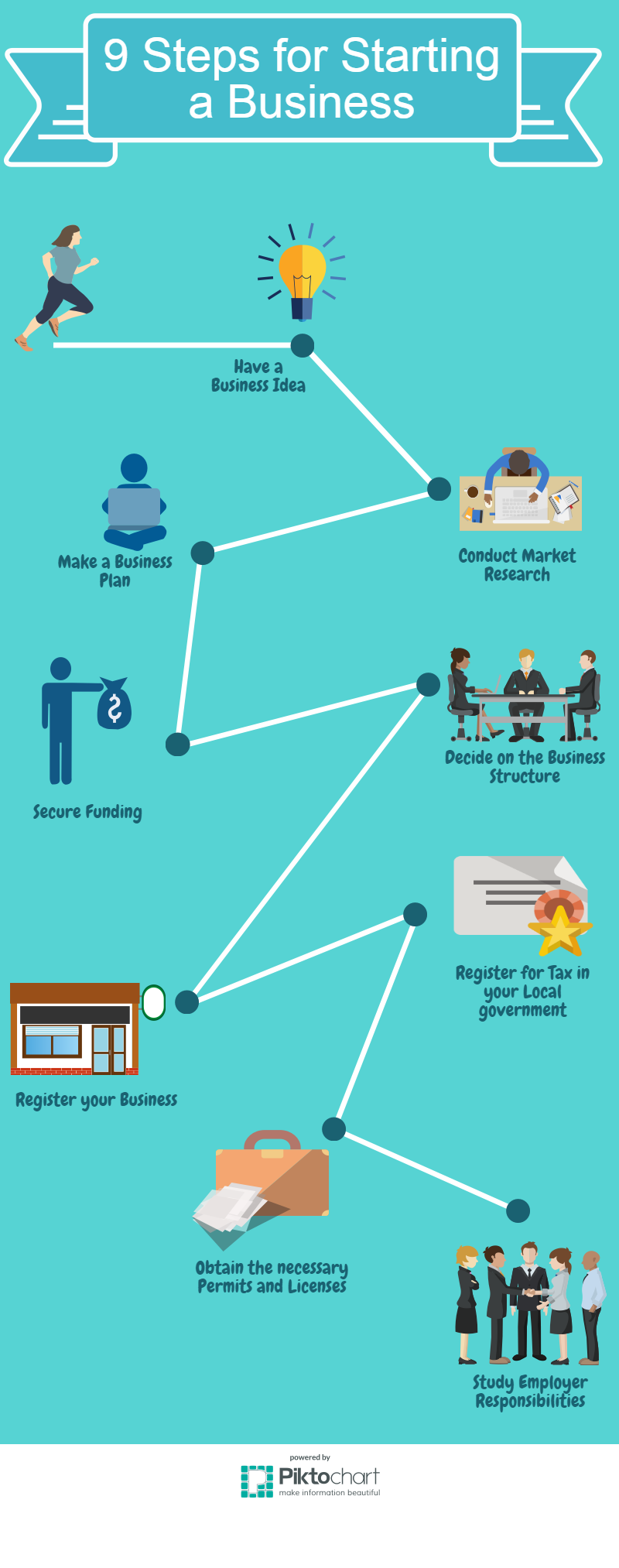
Before any grand opening, a company’s financial future is shaped by meticulous planning and critical assessment. This initial phase is less about spending and more about strategic foresight, ensuring your idea has a solid financial footing.

A. Identifying Market Opportunities and Profit Potential
The genesis of a company often starts with an idea, but for that idea to become a viable business, it must address a market need that customers are willing to pay for. This requires rigorous financial due diligence. Begin by identifying your target market and understanding their willingness to pay for your product or service.
- Market Research & Demand Analysis: Go beyond qualitative insights. Quantify the market size, potential customer base, and projected sales volume. What is the total addressable market (TAM), serviceable available market (SAM), and serviceable obtainable market (SOM) for your offering? This will help you estimate potential revenue streams.
- Competitive Financial Analysis: Research competitors’ pricing strategies, cost structures (if discernible), and revenue models. Can you offer a more compelling value proposition, either through lower cost, premium pricing for superior quality, or an innovative subscription model? Understanding their financial performance can inform your own projections.
- Feasibility Study & Break-Even Analysis: Conduct a comprehensive feasibility study to assess the economic viability of your concept. This includes estimating startup costs (fixed and variable), operating expenses, and projected revenues. A critical component is the break-even analysis: determining the sales volume required to cover all costs. If your projections suggest a prohibitively high break-even point or slow path to profitability, it might be time to pivot or refine your business model.
B. Crafting a Solid Financial Business Plan
A business plan is more than just a roadmap; it’s a financial blueprint that outlines how your company will generate revenue, manage expenses, and achieve profitability. For investors and internal guidance, the financial sections are paramount.
- Executive Summary with Financial Highlights: Start with a compelling overview that immediately highlights your company’s financial promise – target market, unique selling proposition, and a glimpse into revenue projections and funding needs.
- Detailed Financial Projections: This is the core. Develop comprehensive three-to-five-year financial forecasts, including:
- Income Statement (Profit & Loss): Project sales revenue, cost of goods sold (COGS), gross profit, operating expenses, and net profit.
- Cash Flow Statement: Crucial for understanding liquidity. Forecast cash inflows (from sales, investments) and outflows (expenses, debt payments). Positive cash flow is vital for survival.
- Balance Sheet: Project assets (cash, inventory, equipment), liabilities (debt, accounts payable), and owner’s equity. This provides a snapshot of your company’s financial health.
- Assumptions and Justifications: Clearly state the assumptions underlying your financial projections (e.g., customer acquisition cost, conversion rates, average transaction value, inflation). Be prepared to justify these assumptions with market data.
- Funding Request and Use of Funds: If seeking external capital, specify the exact amount required and provide a detailed breakdown of how these funds will be allocated (e.g., product development, marketing, working capital, hiring). Demonstrate how this investment will lead to a quantifiable return.
C. Choosing the Right Legal and Tax Structure
The legal structure of your company has significant financial implications regarding liability, taxation, and administrative burden. This decision impacts not only how you operate but also how profits are taxed and how much personal risk you undertake.
- Sole Proprietorship: Simple to set up, minimal costs. However, no legal distinction between personal and business finances, meaning unlimited personal liability for business debts. Profits are taxed as personal income.
- Partnership: Similar to sole proprietorships but with two or more owners. Shared liability can be a financial risk. Taxed as pass-through entities.
- Limited Liability Company (LLC): Offers personal liability protection, separating personal and business assets. Provides flexibility in taxation (can be taxed as a sole proprietorship, partnership, S-Corp, or C-Corp). A popular choice for startups due to its balance of protection and simplicity.
- Corporation (C-Corp or S-Corp):
- C-Corp: Provides the strongest liability protection and allows for complex ownership structures (e.g., issuing different classes of stock). Subject to “double taxation” (corporate profits taxed, then dividends paid to shareholders are taxed again). Ideal for companies planning to raise venture capital or go public.
- S-Corp: Avoids double taxation by passing corporate income, losses, deductions, and credits through to shareholders’ personal income. Has restrictions on the number and type of shareholders.
Choosing the right structure is a critical financial decision that can save you significant money and mitigate risk in the long run. Consult with a legal and tax professional to make an informed choice.
II. Fueling Your Venture: Strategies for Funding and Capital Acquisition
Once your financial blueprint is in place, the next crucial step is securing the capital to bring your vision to life. The approach to funding can vary wildly depending on your business model, scale, and personal financial situation.
A. Bootstrapping and Personal Investment
Many entrepreneurs start by bootstrapping – funding their company with personal savings, early sales, or by minimizing expenses. This approach offers maximum control and avoids debt or equity dilution but requires strong financial discipline and personal sacrifice.
- Self-Funding: Utilizing personal savings, credit cards (with caution), or even selling personal assets. This demonstrates commitment to potential future investors.
- Customer-Funded Growth: Generating revenue from early customers to finance further development. Pre-orders, service retainers, or subscription models are excellent ways to achieve this.
- Lean Operations: Operating with minimal overhead, outsourcing non-core functions, and focusing strictly on essential expenditures to conserve cash. This extends the runway provided by your initial capital.
- Side Hustles/Online Income: Maintaining a side job or developing online income streams to support personal expenses while building the business, thereby reducing the pressure on the company’s early cash flow.
B. Exploring External Funding Avenues
When bootstrapping is insufficient or if your growth trajectory demands significant capital, external funding becomes necessary. Each option comes with its own financial implications.
- Friends and Family: Often the first external investors, they provide relatively accessible capital with potentially flexible terms. However, mixing money and personal relationships requires clear agreements to avoid future financial strain.
- Angel Investors: High-net-worth individuals who invest their own capital in early-stage startups in exchange for equity. They often bring valuable industry experience and connections.
- Venture Capital (VC) Firms: Professional investors who manage funds from limited partners and invest in high-growth potential companies, typically in exchange for significant equity stakes and board seats. This is suitable for scalable businesses aiming for rapid expansion.
- Bank Loans & Small Business Administration (SBA) Loans: Traditional debt financing. Banks typically require collateral, a solid business plan, and a strong credit history. SBA loans often have more favorable terms and lower down payments, making them accessible to a broader range of small businesses.
- Crowdfunding: Platforms like Kickstarter or Indiegogo allow you to raise small amounts of capital from a large number of individuals.
- Reward-Based Crowdfunding: Donors receive a product or experience.
- Equity Crowdfunding: Individuals invest in exchange for equity.
- Debt Crowdfunding: Investors loan money with interest.
- Grants: Non-dilutive funding, often from government agencies or foundations, for businesses meeting specific criteria (e.g., innovation, social impact). Highly competitive but an excellent source of “free” money.
C. The Art of Financial Pitching

Regardless of the funding source, effectively communicating your company’s financial potential is paramount. Your pitch isn’t just about your idea; it’s about the return on investment.
- Know Your Numbers Inside Out: Be able to articulate every line item in your financial projections, the assumptions behind them, and how you plan to achieve them.
- Highlight ROI and Exit Strategy: Investors are looking for a return. Clearly articulate how their investment will grow and what your potential exit strategies are (e.g., acquisition, IPO) and the expected valuation at that point.
- Demonstrate Traction (Financial Metrics): Show proof of concept, even if it’s early. This could be pre-orders, user growth (if applicable), pilot program results, or initial revenue figures. Quantifiable achievements build confidence.
- Clarity on Use of Funds: Investors want to know exactly where their money is going and how it will propel the business forward financially.
III. Mastering Business Finances: Operations and Growth
Once funded and operational, continuous financial management is not just about keeping the lights on; it’s about optimizing performance, ensuring liquidity, and driving sustainable growth.
A. Essential Financial Management Practices
Robust financial management systems are non-negotiable for long-term success. They provide the insights needed to make informed business decisions.
- Budgeting and Cost Control: Develop and adhere to a detailed operational budget. Regularly compare actual expenses against budgeted amounts and identify areas for cost reduction without compromising quality or essential services. Every dollar saved directly impacts profitability.
- Cash Flow Management: This is the lifeblood of any business. Monitor cash inflows and outflows diligently. Implement strategies to optimize cash flow, such as efficient invoicing, managing accounts receivable, and negotiating favorable payment terms with suppliers. A healthy cash reserve provides a buffer against unforeseen financial challenges.
- Accounting and Bookkeeping Essentials: Implement a reliable accounting system from day one. This includes accurately recording all transactions, categorizing expenses, and reconciling bank statements. Proper bookkeeping is crucial for financial reporting, tax compliance, and performance analysis. Consider using accounting software (e.g., QuickBooks, Xero) or hiring a part-time bookkeeper.
- Regular Financial Reporting: Generate and analyze financial statements (income statement, balance sheet, cash flow statement) regularly – monthly or quarterly. These reports are vital for understanding your company’s financial health, identifying trends, and making strategic adjustments.
B. Strategic Pricing and Revenue Generation
Pricing is a critical financial lever that directly impacts your revenue and profit margins. It’s not a one-time decision but an ongoing strategic process.
- Value-Based Pricing: Price your product or service based on the perceived value it delivers to the customer, rather than just your costs. This requires a deep understanding of your customer and market.
- Cost-Plus Pricing: Adding a percentage markup to the cost of producing your product or service. Simple but can overlook market dynamics.
- Competitive Pricing: Setting prices based on what your competitors charge. Useful as a benchmark, but shouldn’t be the sole determinant.
- Diversifying Revenue Streams: Explore multiple ways to generate income beyond your core offering. This could include premium versions, complementary services, licensing, or partnerships, providing financial resilience.
- Sales Forecasting and Management: Develop accurate sales forecasts to inform production, inventory, and staffing decisions. Implement effective sales strategies to drive revenue growth and track key sales metrics.
C. Scaling Your Business Responsibly
Growth is exciting, but unchecked growth can lead to financial strain if not managed prudently. Responsible scaling means ensuring your financial infrastructure can support expansion.
- Forecasting Growth Capital Needs: As you grow, you’ll need more working capital, potentially for larger inventory, more employees, or new equipment. Forecast these capital requirements well in advance.
- Managing Debt and Equity: Understand the optimal mix of debt and equity to finance growth. Too much debt can create financial instability, while too much equity dilution can diminish founders’ control and future returns.
- Key Performance Indicators (KPIs) for Growth: Monitor financial KPIs beyond just revenue, such as customer acquisition cost (CAC), customer lifetime value (CLTV), churn rate, gross margin, and burn rate. These metrics provide insights into the efficiency and financial health of your growth efforts.
- Profitability vs. Growth: While growth is often prioritized, maintaining profitability (or a clear path to it) is essential for long-term financial health. Understand the financial trade-offs between rapid expansion and sustainable profit generation.
IV. Navigating Financial Hurdles and Securing Your Future
Starting a company is replete with uncertainties. Proactive financial planning for potential pitfalls and a clear vision for the company’s future value are vital.
A. Proactive Risk Management and Contingency Planning
Financial risks are inherent in business. Identifying and mitigating these risks is crucial for long-term survival.
- Financial Contingency Fund: Build a robust emergency fund equivalent to several months of operating expenses. This buffer can absorb unexpected downturns, market shifts, or unforeseen costs.
- Insurance Considerations: Invest in appropriate business insurance (e.g., general liability, professional liability, property, cyber insurance) to protect your assets and mitigate financial losses from various risks.
- Diversification of Suppliers and Customers: Relying too heavily on a single supplier or a handful of customers can create significant financial vulnerability. Diversify to spread risk.
- Scenario Planning: Develop “what-if” financial scenarios (e.g., worst-case, best-case, most likely) to understand potential impacts on your cash flow and profitability. This helps in developing proactive strategies.
B. Understanding Valuation and Exit Strategies
Even if an exit is years away, understanding how your company’s financial value is assessed and contemplating potential exit strategies provides clarity and motivates strategic financial decisions.
- Business Valuation Basics: Learn the fundamentals of business valuation (e.g., discounted cash flow, asset-based, market multiples). This knowledge is essential for fundraising, attracting investors, and planning for future transactions.
- Defining Your Exit Strategy: While not immediately pressing, consider your ultimate financial goal for the company. Will it be an acquisition by a larger entity, a public offering (IPO), or passing it down through a family? Your chosen path influences financial decisions, investment structure, and growth strategy from the outset.
- Maximizing Shareholder Value: Every financial decision, from reinvesting profits to managing debt, should be viewed through the lens of how it contributes to maximizing the company’s long-term value for its owners and shareholders.
Starting a company is a profound commitment, and its financial dimension is arguably the most critical. By meticulously planning, shrewdly funding, diligently managing, and wisely anticipating financial challenges, entrepreneurs can dramatically increase their chances of building a resilient, profitable, and enduring enterprise. This detailed, financially centric approach provides not just a path to launch, but a blueprint for sustainable success and long-term wealth creation.
aViewFromTheCave is a participant in the Amazon Services LLC Associates Program, an affiliate advertising program designed to provide a means for sites to earn advertising fees by advertising and linking to Amazon.com. Amazon, the Amazon logo, AmazonSupply, and the AmazonSupply logo are trademarks of Amazon.com, Inc. or its affiliates. As an Amazon Associate we earn affiliate commissions from qualifying purchases.