
In the contemporary financial landscape, the shift from physical currency to digital transactions is no longer a trend—it is a global standard. As we move deeper into the era of fintech innovation, having a reliable digital wallet is essential for anyone looking to manage their personal finance or scale a side hustle. PayPal remains the cornerstone of this evolution, serving as a bridge between traditional banking systems and the borderless digital economy.
Signing up for PayPal is more than just a technical exercise; it is the first step toward optimizing your financial workflow. Whether you are an individual looking for a secure way to shop online or an entrepreneur seeking to streamline business payments, understanding the nuances of the setup process is crucial.
1. Choosing the Right Financial Foundation: Personal vs. Business Accounts
Before you begin the registration process, you must make a strategic decision based on your financial goals. PayPal offers two primary account types, each tailored to specific fiscal needs. Choosing the wrong one can lead to unnecessary fees or limited functionality.
Personal Accounts: For the Savvy Consumer
A Personal account is designed for the everyday user. If your primary goal is to shop at international retailers, send money to family members, or manage a small, occasional side hustle (like selling old clothes on a marketplace), this is the ideal choice.
From a financial management perspective, Personal accounts prioritize ease of use and buyer protection. They allow you to link multiple debit and credit cards, providing a centralized hub for your spending. This consolidation is a powerful tool for those tracking their monthly expenditures, as it provides a single, searchable digital ledger of all transactions.
Business Accounts: For the Modern Entrepreneur
If you are focused on online income or building a corporate entity, the Business account is a prerequisite. This account type allows you to operate under a company name, accept credit card payments from customers who don’t have PayPal, and grant limited access to employees for accounting purposes.
From a business finance standpoint, the Business account provides robust reporting tools that are essential for tax season. It integrates seamlessly with accounting software, ensuring that your cash flow remains transparent and audit-ready.
2. The Step-by-Step Enrollment Process
Once you have identified your niche, the actual sign-up process is streamlined but requires precision to ensure financial security and compliance with international banking regulations.
Initial Registration and Identity Verification
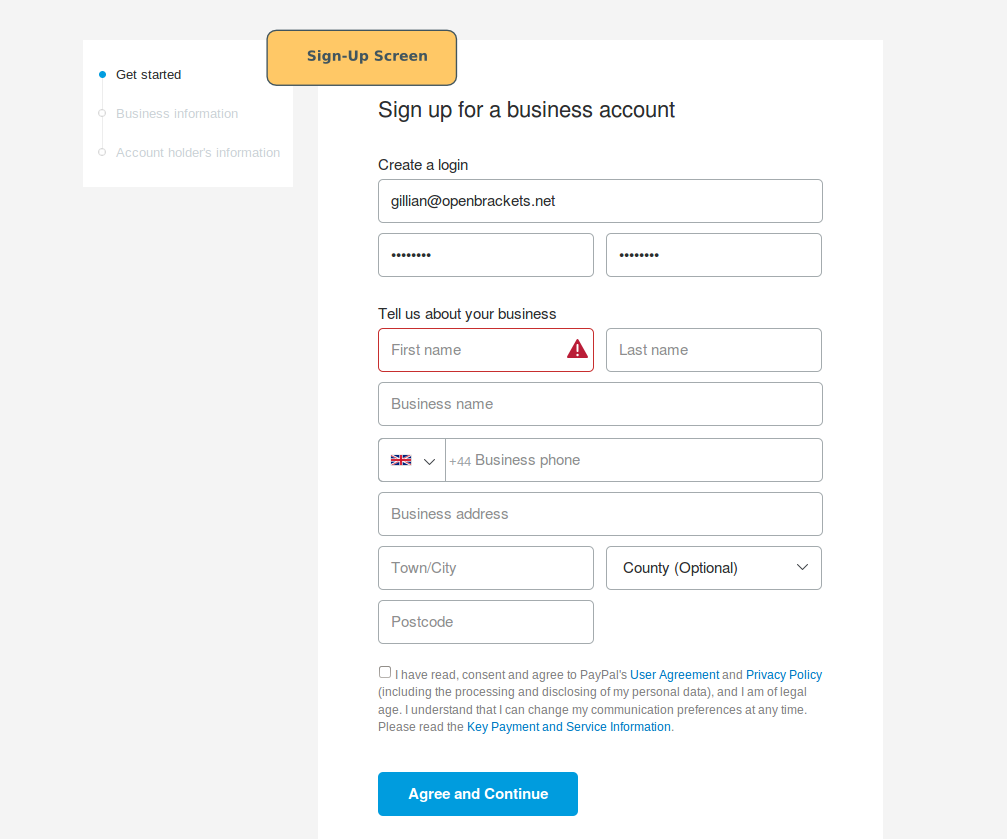
To begin, visit the official PayPal website or download the mobile application. You will be prompted to enter a valid email address—ideally one that is secured with high-level encryption and two-factor authentication (2FA), as this will be the primary gateway to your funds.
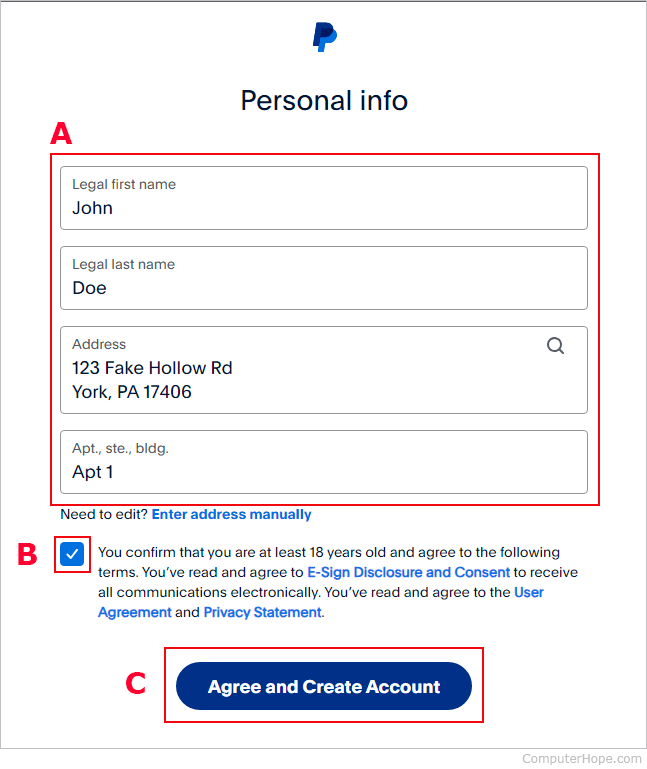
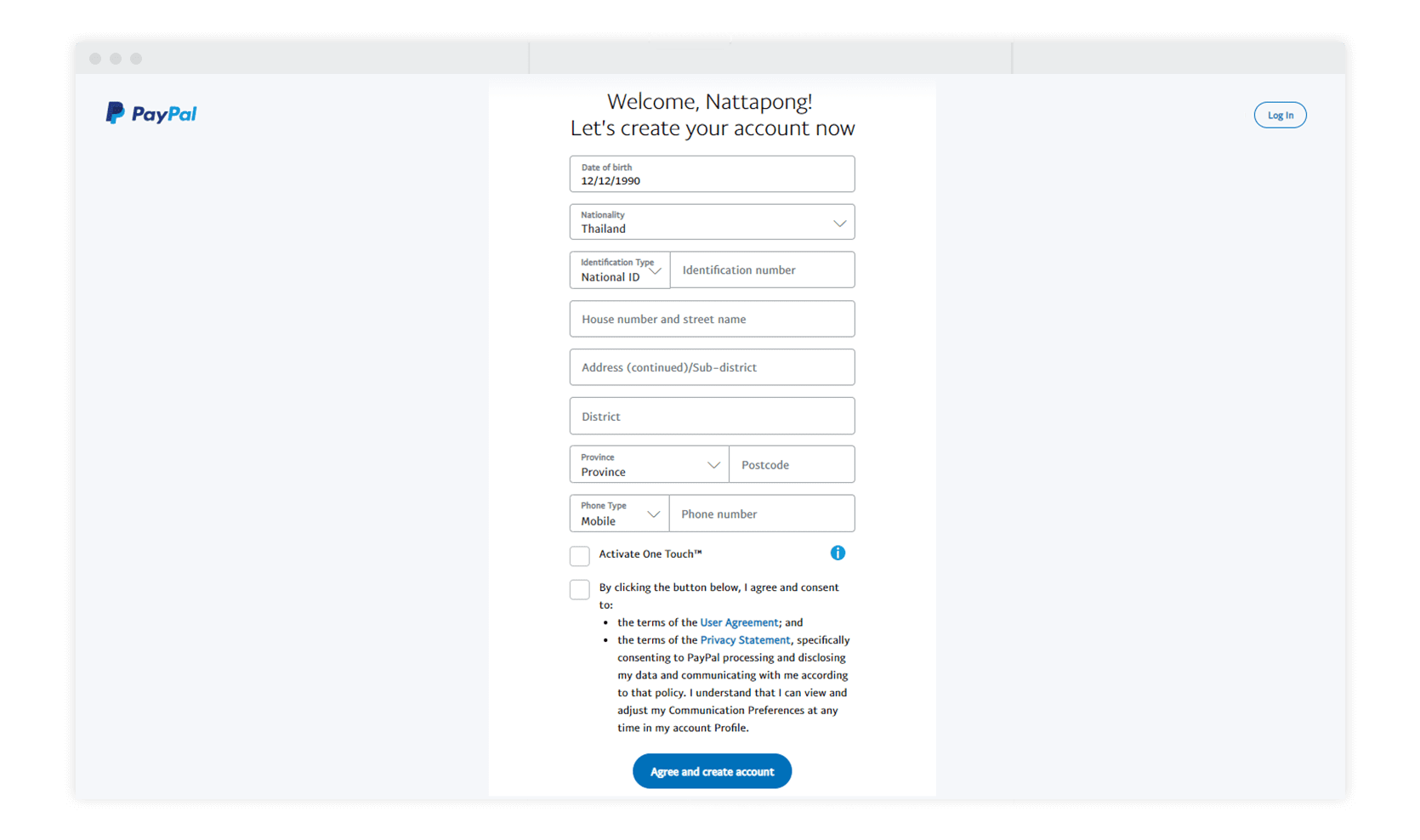
You will then provide your legal name, physical address, and phone number. In the world of personal finance, “Know Your Customer” (KYC) laws are strict. PayPal is legally obligated to verify your identity to prevent money laundering and fraud. Providing accurate information at this stage avoids future account freezes or “holds” on your capital.
Linking Your Financial Instruments
The strength of a digital wallet lies in its connection to your liquid assets. You will be prompted to link a bank account or a credit/debit card.
- Bank Linking: This is often the preferred method for those looking to avoid high interest rates associated with credit cards. By linking a bank account, you can transfer your PayPal balance directly into your savings or checking account.
- Card Linking: This provides an extra layer of financial flexibility. Many users prefer this for the “rewards” aspect—using PayPal to pay via a credit card allows you to earn airline miles or cashback while benefiting from PayPal’s internal security protocols.
Confirming Your Information
To finalize the setup, PayPal will perform a small verification. This usually involves sending a confirmation email or making two tiny “micro-deposits” into your linked bank account. You will then log back into PayPal to verify the exact amounts. This meticulous process ensures that your financial bridge is secure and that only you have access to the underlying funds.
3. Maximizing Security within Your Financial Ecosystem
In digital finance, security is the highest priority. A PayPal account is not just a login; it is a vault for your capital. Once you have signed up, you must implement secondary security measures to protect your assets from the rising tide of cyber-financial crime.
Implementing Multi-Factor Authentication (MFA)
Standard passwords are no longer sufficient. To safeguard your money, you should immediately enable Multi-Factor Authentication (MFA). This requires a code from your mobile device or an authenticator app in addition to your password. From a risk management perspective, this is the single most effective way to prevent unauthorized access to your liquid wealth.
Understanding Buyer and Seller Protections
One of the primary financial benefits of using PayPal is its robust protection program. For consumers, this means that if a merchant fails to deliver a product, PayPal can facilitate a refund, acting as an escrow service. For those earning online income, Seller Protection guards against fraudulent chargebacks. Understanding the terms of these protections is a key component of financial literacy, as it helps you navigate the risks of the global marketplace.
4. Integrating PayPal into Your Wealth Management Strategy
Signing up for PayPal is a tactical move, but using it correctly is a strategic one. As you begin to use the platform, you should consider how it fits into your broader financial picture, particularly regarding fees and international transactions.
Navigating Transaction Fees and Currency Conversion
While signing up is free, moving money can incur costs. If you are using PayPal for a side hustle or international business, you must account for “Merchant Fees” and “Currency Conversion Spreads.”
In personal finance, these small percentages can add up. Smart users mitigate these costs by:
- Maintaining a Balance: Keeping a portion of funds within the PayPal ecosystem to avoid withdrawal fees.
- Using PayPal for Direct Transfers: Utilizing the “Friends and Family” feature for non-commercial transfers to avoid the standard 2.9% + fixed fee (where applicable and legal).
- Choosing Local Currencies: When shopping internationally, sometimes allowing your credit card to handle the conversion is more cost-effective than using PayPal’s internal conversion rate.
Tax Implications and Financial Reporting
In many jurisdictions, including the United States, digital payment processors are required to report income to tax authorities (such as the IRS via Form 1099-K) once certain thresholds are met. When you sign up, you are entering a regulated financial ecosystem. It is vital to keep meticulous records of your digital transactions. Integrating PayPal with a tool like QuickBooks or a simple spreadsheet will ensure that your “Online Income” is correctly reported, preventing legal headaches and financial penalties down the line.
5. The Future of Your Digital Wallet: Beyond Basic Payments
As the fintech world evolves, a PayPal account offers more than just a way to send and receive cash. It has become a holistic financial tool that rivals traditional banking in several key areas.
Exploring Crypto and Savings
In recent years, PayPal has integrated cryptocurrency features, allowing users to buy, hold, and sell assets like Bitcoin and Ethereum directly within the app. For the modern investor, this provides a low-barrier entry point into the world of digital assets. Furthermore, some regions offer high-yield savings features within the PayPal ecosystem, allowing your idle balance to generate interest.
Global Accessibility and Cross-Border Wealth
For those looking to expand their side hustle into a global business, PayPal’s presence in over 200 markets is an unparalleled asset. It removes the friction of international wire transfers, which are often slow and prohibitively expensive. By signing up, you gain the ability to invoice clients in London, Tokyo, or New York with equal ease, truly decentralizing your earning potential.
Conclusion: Empowering Your Financial Journey
Signing up for PayPal is an essential milestone for anyone serious about mastering their money in the digital age. By choosing the correct account type, securing your credentials, and understanding the fee structures, you transform a simple app into a powerful engine for financial growth.
Whether you are protecting your personal shopping budget or scaling a multi-national business, the infrastructure you have now established provides the security, flexibility, and global reach necessary to thrive in today’s economy. Digital finance is no longer about just “paying for things”—it is about the strategic movement of capital in a connected world. Through PayPal, you are now equipped to navigate that world with confidence and professional insight.
aViewFromTheCave is a participant in the Amazon Services LLC Associates Program, an affiliate advertising program designed to provide a means for sites to earn advertising fees by advertising and linking to Amazon.com. Amazon, the Amazon logo, AmazonSupply, and the AmazonSupply logo are trademarks of Amazon.com, Inc. or its affiliates. As an Amazon Associate we earn affiliate commissions from qualifying purchases.