
In the rapidly evolving landscape of digital finance, the ability to move capital quickly, securely, and internationally is no longer a luxury—it is a necessity. Whether you are a freelancer managing multiple income streams, a consumer looking to streamline personal budgeting, or an entrepreneur scaling a side hustle, PayPal remains one of the most versatile financial tools available. Setting up an account is the first step toward integrating your personal or business finances into the global digital economy.
Understanding how to properly configure this tool is about more than just entering an email address; it is about establishing a secure financial gateway that protects your assets and optimizes your cash flow. This guide explores the strategic setup of a PayPal account within the context of modern money management.

Understanding PayPal as a Core Financial Tool
Before initiating the setup process, it is essential to view PayPal not merely as a payment button, but as a sophisticated financial intermediary. For many, it serves as a secondary digital vault or a clearinghouse for online transactions, providing a layer of separation between your primary bank account and the various vendors or clients you interact with daily.
The Role of Digital Wallets in Personal Finance
A digital wallet like PayPal acts as a buffer. In the realm of personal finance, security is paramount. When you use a digital wallet, you are effectively masking your sensitive banking information from third-party merchants. Instead of sharing your credit card number with dozens of websites, you share it with one regulated financial entity. This centralized management simplifies tracking expenses and reduces the surface area for potential financial fraud.
Choosing the Right Account Type: Personal vs. Business
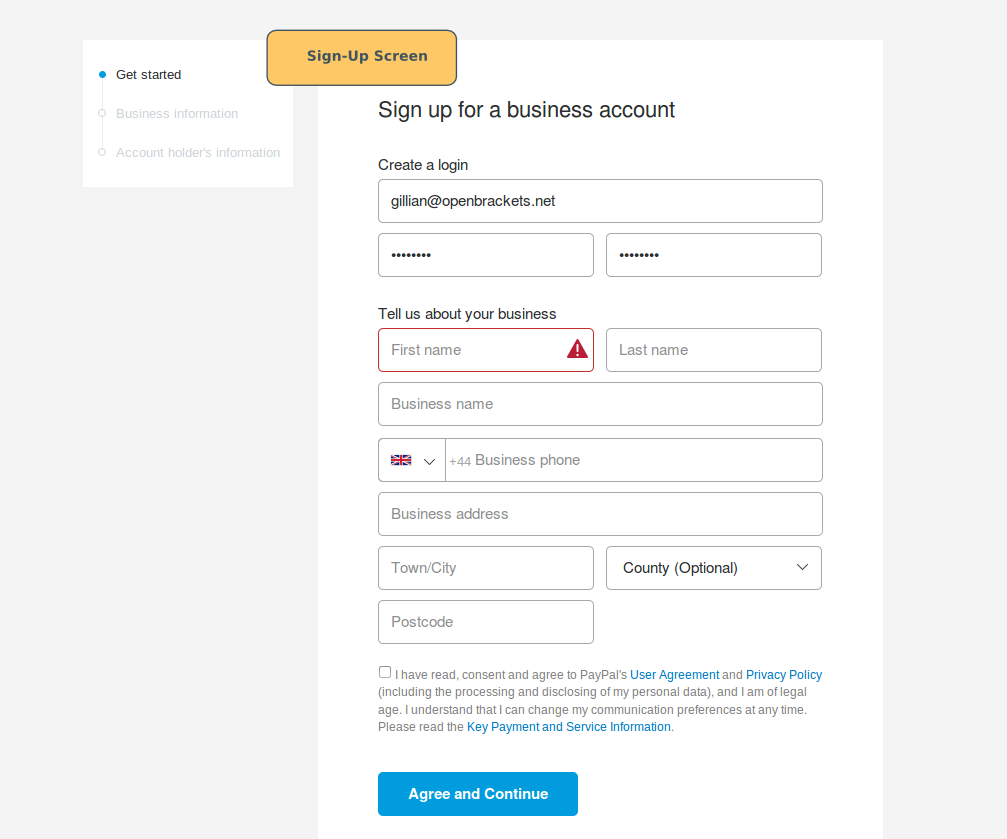
One of the first financial decisions you will make during setup is choosing between a Personal and a Business account. This choice should be dictated by your primary financial goals:
-
Personal Accounts: Ideal for the individual consumer. They are optimized for online shopping, sending money to friends and family (often without fees when using a linked bank account), and managing personal subscriptions. From a budgeting perspective, a personal account is a clean way to segregate discretionary spending from fixed living expenses.
-
Business Accounts: Designed for professionals, freelancers, and corporate entities. These accounts allow you to operate under a company name, accept credit card payments from customers who do not have PayPal, and provide access for multiple employees. Crucially, Business accounts offer more robust reporting tools, which are indispensable for tax preparation and cash flow analysis.
Step-by-Step Setup: Linking Your Financial Ecosystem
The setup process is a structured sequence designed to verify your identity and establish a secure link to your liquid assets. Following these steps with precision ensures that your account remains compliant with international financial regulations, such as “Know Your Customer” (KYC) and Anti-Money Laundering (AML) laws.
Initial Registration and Identity Verification
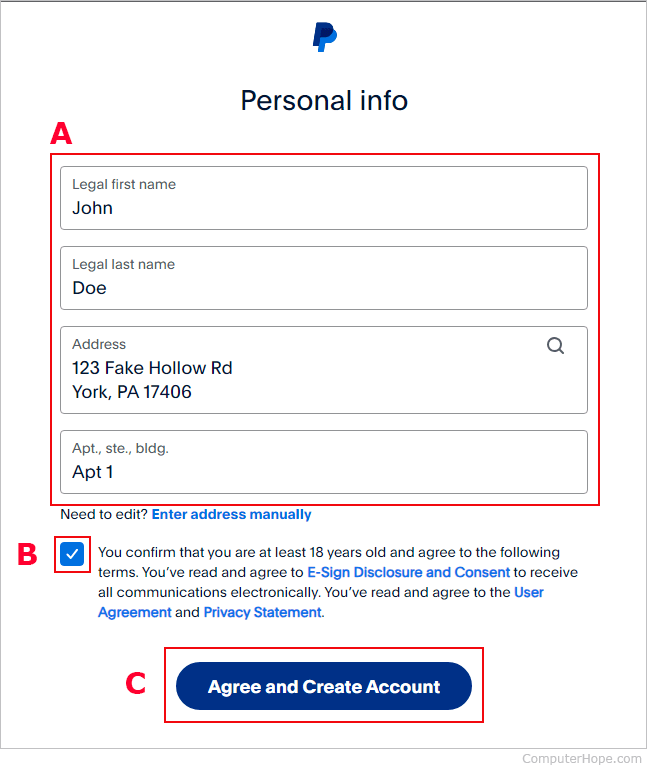
To begin, visit the PayPal website or download the application and select “Sign Up.” You will be prompted to provide a valid email address and create a strong, unique password. Within the context of financial security, your password should be viewed as the first line of defense for your capital; using a dedicated password manager is a recommended practice.
After providing basic details such as your legal name and address, you will need to verify your email and phone number. This is not just a technical formality; it establishes a multi-channel communication link that PayPal uses to alert you of any suspicious financial activity. For users intending to move significant volumes of money, further identity verification—such as providing a Social Security Number or a Tax Identification Number—is required to lift transaction limits and ensure regulatory compliance.
Connecting Bank Accounts and Credit Cards
The true utility of PayPal is realized when it is integrated with your existing financial ecosystem. You can link your account to a traditional checking account, a savings account, or various credit cards.
-
Bank Linking: Linking a bank account is typically done via an automated login process or through “micro-deposits.” In the latter method, PayPal sends two small amounts (pennies) to your bank, which you then confirm on the PayPal platform. This proves ownership of the funds and allows for the seamless transfer of capital between your digital wallet and your traditional bank.
-
Credit Card Integration: For those who utilize credit card rewards programs, linking a card allows you to earn points or cashback on digital purchases while still benefiting from PayPal’s security layer. From a money management perspective, this allows you to leverage “other people’s money” (credit) for liquidity while maintaining a centralized record of those transactions.
Maximizing Security and Fraud Protection
In the digital age, financial management is inseparable from cybersecurity. Protecting your account is synonymous with protecting your net worth.
Two-Factor Authentication and Financial Privacy
Once your account is live, the immediate next step should be enabling Two-Factor Authentication (2FA). This requires a secondary code—usually sent via an authenticator app or SMS—before any login or major transaction is approved. In the world of personal finance, 2FA is the equivalent of a deadbolt on a vault. It ensures that even if your login credentials are compromised, your funds remain inaccessible to unauthorized actors.
Furthermore, PayPal allows for a high degree of financial privacy. When you send money, the recipient sees your name and email, but never your bank account or credit card numbers. This “blind” transaction model is a foundational element of modern financial safety.
Understanding Purchase Protection for Buyers
One of the most significant financial advantages of using PayPal is “Purchase Protection.” If a transaction goes wrong—for instance, if an item never arrives or is significantly different than described—PayPal can facilitate a refund of the full purchase price plus original shipping costs. This acts as a form of transaction insurance, mitigating the financial risk associated with online commerce. For the savvy money manager, this protection is a vital tool for preserving capital against fraudulent merchants.
Leveraging PayPal for Income and Wealth Management
Beyond simple transactions, a properly set up PayPal account serves as a hub for generating and managing income.
Managing Side Hustle Revenue and Invoicing
For those pursuing side hustles or freelance careers, PayPal’s invoicing tools are essential for maintaining professional financial standards. You can create, send, and track itemized invoices, allowing you to monitor accounts receivable in real-time.
However, it is important to factor in the cost of doing business. PayPal charges a transaction fee for “Goods and Services” payments. When calculating your net income and setting your rates, these fees must be accounted for to ensure your profit margins remain healthy. From a tax perspective, PayPal provides 1099-K forms to users who meet certain thresholds, simplifying the process of reporting self-employment income to the IRS or relevant tax authorities.
Strategic Currency Conversion and International Transfers
In a globalized economy, you may find yourself earning or spending in multiple currencies. PayPal facilitates international commerce by supporting dozens of global currencies. While this provides immense convenience, the disciplined financial manager must stay aware of currency conversion rates and cross-border fees.
Strategically, it is often beneficial to hold balances in different currencies within your PayPal account if you anticipate future expenses in those same currencies. This avoids multiple conversion fees and protects your purchasing power against fluctuations in the foreign exchange market.
Long-term Financial Health and the Digital Economy
Setting up a PayPal account is more than a one-time task; it is an ongoing commitment to organized financial living. By centralizing your digital transactions, you gain a clearer picture of your spending habits and income patterns.
Regularly reviewing your PayPal activity statements allows you to identify unnecessary subscriptions, track the growth of your side income, and ensure that every dollar is accounted for. As you become more comfortable with the platform, you may explore advanced features like “PayPal Savings” (where available) or using the platform to manage a portfolio of digital assets.
In conclusion, the process of setting up a PayPal account is a fundamental exercise in modern financial literacy. By choosing the correct account type, rigorously verifying your identity, and implementing robust security measures, you create a powerful engine for wealth management. In an era where the velocity of money continues to increase, having a secure, well-managed digital gateway is essential for anyone looking to navigate the complexities of the global marketplace with confidence and professional oversight.
aViewFromTheCave is a participant in the Amazon Services LLC Associates Program, an affiliate advertising program designed to provide a means for sites to earn advertising fees by advertising and linking to Amazon.com. Amazon, the Amazon logo, AmazonSupply, and the AmazonSupply logo are trademarks of Amazon.com, Inc. or its affiliates. As an Amazon Associate we earn affiliate commissions from qualifying purchases.