
Running a small business is an entrepreneurial journey fraught with both immense potential and significant challenges. At its core, the success and longevity of any small enterprise are inextricably linked to its financial health and the astute management of its monetary resources. It’s not merely about having a great product or service; it’s about understanding and meticulously orchestrating the financial engine that powers your vision. Without a firm grasp of business finance, even the most innovative ideas can falter. This guide delves into the essential financial strategies and practices that underpin the successful operation of a small business, offering insights into how to build, manage, and grow your venture with financial acumen.
Establishing a Solid Financial Foundation
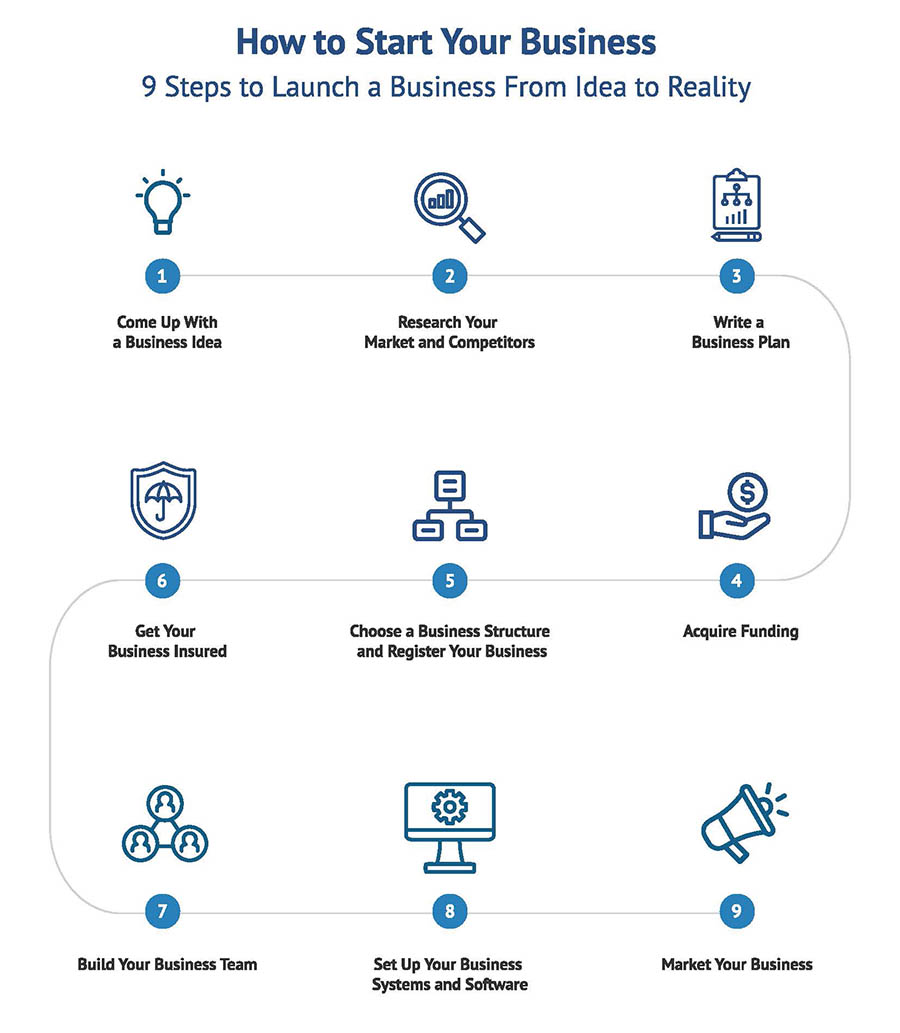
Every robust structure begins with a strong foundation, and a small business is no exception. Before you even open your doors, laying a clear financial groundwork is paramount. This initial phase dictates how efficiently and effectively you’ll manage money throughout your business’s lifecycle.
Crafting a Comprehensive Business Plan with Financial Projections
A business plan serves as your strategic roadmap, and its financial section is the compass guiding your journey. This isn’t just a document for investors; it’s a critical tool for you. It requires you to project startup costs, operational expenses, revenue streams, and anticipated profits. These financial projections – including a break-even analysis – force you to confront the economic realities of your proposed venture. They help you understand how much money you’ll need, how long it will take to become profitable, and what benchmarks you need to hit. This exercise in foresight allows for proactive adjustments and validates the financial viability of your concept before significant capital is committed. It’s an iterative process, demanding research into market rates, supplier costs, and potential sales volumes, translating abstract ideas into concrete financial figures.
Securing Initial Capital and Understanding Funding Options
Once your financial projections are clear, the next step is to secure the necessary capital. Small businesses have a myriad of funding options, each with its own implications for ownership, repayment, and risk.
-
Self-Funding (Bootstrapping): Using personal savings or assets minimizes external debt and maintains full control, but limits the scale of initial investment.
-
Friends and Family: Often a flexible and accessible option, but requires clear agreements to avoid personal strain.
-
Bank Loans: Traditional financing requires a solid business plan, good personal credit, and often collateral. These come with structured repayment schedules and interest rates.
-
SBA Loans: Backed by the Small Business Administration, these government-guaranteed loans can offer more favorable terms for qualified businesses.
-
Venture Capital (VC) / Angel Investors: Suitable for high-growth potential businesses, these investors provide capital in exchange for equity, influencing strategic direction.
-
Crowdfunding: Platforms allow you to raise small amounts from many individuals, often through rewards-based or equity-based models.
Each option demands a thorough understanding of its terms, interest rates, equity implications, and repayment responsibilities. The choice profoundly impacts your financial obligations and long-term business strategy.
Setting Up Robust Financial Systems and Accounts
Before transactions begin, establish a clear separation between personal and business finances. Open dedicated business bank accounts for checking, savings, and potentially credit. This separation is crucial for legal protection, simplifies tax preparation, and provides a clear picture of your business’s financial standing. Beyond bank accounts, invest in reliable accounting software from day one. Tools like QuickBooks, Xero, or Wave (for free options) automate bookkeeping, track income and expenses, generate invoices, and produce essential financial reports. This systematization not only saves time but also reduces errors, providing accurate real-time data for decision-making. Proper categorization of transactions is key, requiring a foundational understanding of accounting principles or professional guidance.
Strategic Financial Management for Day-to-Day Operations
With the foundation laid, the ongoing challenge is to skillfully manage the flow of money in and out of your business. This operational phase requires constant vigilance and strategic decision-making to maintain liquidity and drive profitability.
Budgeting and Expense Control: Optimizing Cash Flow
A budget is more than just a spending limit; it’s a financial blueprint for your operational activities. It allocates resources to different areas of your business based on anticipated income and expenses. Regularly reviewing your budget against actual performance allows you to identify discrepancies, uncover unnecessary spending, and reallocate funds where they’re most needed. Expense control isn’t about being cheap; it’s about being strategic. Continuously seek ways to optimize costs without compromising quality or operational efficiency. This might involve negotiating better deals with suppliers, scrutinizing subscription services, or investing in energy-efficient equipment. Effective budgeting and rigorous expense control are critical for maintaining healthy cash flow – the lifeblood of any small business. Without sufficient cash on hand, even profitable businesses can face liquidity crises, hindering growth and leading to operational paralysis.
Pricing Strategies: Balancing Value, Cost, and Profitability
Setting the right price for your products or services is a delicate art and a critical financial decision. It directly impacts your revenue, profitability, and market positioning. Your pricing strategy must consider:
-
Cost-Plus Pricing: Covering all direct and indirect costs, then adding a desired profit margin. This ensures profitability but might not reflect market value.
-
Value-Based Pricing: Setting prices based on the perceived value to the customer, rather than just the cost of production. This often allows for higher margins.
-
Competitive Pricing: Benchmarking against competitors’ prices. While essential for market awareness, simply matching prices might undervalue your unique offering or fail to cover your specific costs.
-
Dynamic Pricing: Adjusting prices in real-time based on demand, inventory, and other market factors.
Your chosen strategy must cover your operational costs, contribute to your desired profit margins, and be acceptable to your target market. Regularly review and adjust your pricing as costs change, competition evolves, and customer perceived value shifts. Underpricing can lead to unsustainable business models, while overpricing can alienate customers.
Managing Accounts Receivable and Payable Effectively
Efficient management of both money owed to you (receivables) and money you owe (payables) is vital for stable cash flow.
-
Accounts Receivable: Implement clear invoicing procedures with detailed terms, due dates, and payment options. Follow up promptly on overdue invoices with professional reminders. Consider offering early payment discounts or imposing late payment penalties, if appropriate, to encourage timely payments. Delays in collecting receivables can severely strain your cash flow and hinder your ability to meet your own financial obligations.
-
Accounts Payable: Strategically manage when you pay your suppliers and vendors. While timely payments foster good relationships, extending payment terms when possible (without incurring penalties) can keep cash in your business longer. Always pay bills before their due date to avoid late fees and maintain a strong credit history, which is crucial for future financing. Automating bill payments where possible can prevent oversights and ensure consistency.
Leveraging Financial Data for Growth and Decision-Making
Financial management isn’t just about tracking transactions; it’s about extracting actionable insights from the data. Your financial records are a treasure trove of information that, when properly analyzed, can guide strategic growth and robust decision-making.

Understanding Key Financial Statements: P&L, Balance Sheet, Cash Flow
These three core financial statements provide a holistic view of your business’s financial health:
-
Profit & Loss (P&L) Statement (Income Statement): Shows your revenues, expenses, and profit (or loss) over a specific period (e.g., a quarter or year). It’s crucial for assessing profitability and operational efficiency.
-
Balance Sheet: Offers a snapshot of your business’s assets (what you own), liabilities (what you owe), and owner’s equity (your stake in the business) at a specific point in time. It reveals your financial position and liquidity.
-
Cash Flow Statement: Tracks the actual cash moving in and out of your business from operating, investing, and financing activities. This is perhaps the most critical statement for small businesses, as it directly reflects your ability to pay bills and invest in growth, regardless of theoretical profitability.
Regularly reviewing these statements, ideally with the help of an accountant, allows you to spot trends, identify areas of concern, and make informed decisions.
Monitoring Key Performance Indicators (KPIs)
Beyond the standard financial statements, identify specific financial KPIs that are most relevant to your business model. These are measurable values that demonstrate how effectively your business is achieving key objectives. Examples include:
-
Gross Profit Margin: (Revenue – Cost of Goods Sold) / Revenue. Indicates the profitability of your products/services.
-
Net Profit Margin: Net Profit / Revenue. Shows overall business profitability after all expenses.
-
Operating Cash Flow: Cash generated from regular business operations.
-
Customer Acquisition Cost (CAC): Cost to acquire a new customer.
-
Customer Lifetime Value (CLTV): Total revenue expected from a customer over their relationship with your business.
-
Inventory Turnover: How quickly inventory is sold and replaced.
Tracking these KPIs regularly provides early warnings of potential issues and highlights opportunities for improvement, allowing you to react swiftly and strategically.
Forecasting and Financial Planning for Future Expansion
Financial data isn’t just for looking backward; it’s essential for looking forward. Use historical data to create financial forecasts for sales, expenses, and cash flow. These forecasts are critical for:
-
Strategic Planning: Deciding when to hire new staff, invest in new equipment, or expand into new markets.
-
Funding Applications: Providing potential lenders or investors with a clear picture of your anticipated financial performance.
-
Contingency Planning: Identifying potential shortfalls and developing strategies to mitigate them before they become crises.
Financial planning goes hand-in-hand with forecasting, translating your business goals into concrete financial targets and strategies. This proactive approach allows you to anticipate challenges, capitalize on opportunities, and steer your business towards sustainable growth.
Navigating Business Taxes and Compliance
The financial responsibilities of running a small business extend beyond daily operations to encompass a complex landscape of tax obligations and regulatory compliance. Neglecting these areas can lead to significant financial penalties and legal troubles.
Understanding Small Business Tax Obligations
Small businesses face a myriad of tax requirements at federal, state, and local levels. These can include:
-
Income Tax: Based on your business’s net profit. The structure of your business (sole proprietorship, partnership, S-corp, C-corp, LLC) dictates how this is filed and paid.
-
Self-Employment Tax: For sole proprietors and partners, covering Social Security and Medicare.
-
Sales Tax: If you sell taxable goods or services, you are responsible for collecting and remitting sales tax to the appropriate authorities.
-
Payroll Taxes: If you have employees, you must withhold income, Social Security, and Medicare taxes and pay employer contributions.
-
Property Taxes: On business-owned real estate or significant assets.
-
Excise Taxes: On specific goods or services.
Misunderstanding or mismanaging these obligations can lead to severe fines, interest charges, and audits. Proper record-keeping is paramount for accurate tax filing and for defending against potential inquiries.
The Importance of Professional Financial Guidance
While much can be learned independently, navigating the complexities of business finance, especially taxes and compliance, often requires professional expertise. Engaging an experienced accountant or financial advisor is not an expense; it’s an investment.
-
Accountants can help with setting up your accounting system, managing payroll, preparing financial statements, filing taxes, and advising on tax planning strategies to minimize your tax burden legally.
-
Financial Advisors can offer broader strategic advice on investments, growth financing, risk management, and long-term financial planning for your business and personal wealth.
Their expertise can save you time, prevent costly errors, and provide invaluable insights that support sound financial decision-making, allowing you to focus on core business operations.
Risk Management and Insurance for Financial Security
Every business faces risks, and many of these can have significant financial implications. Proactive risk management and adequate insurance coverage are crucial for protecting your business’s financial stability.
-
General Liability Insurance: Protects against claims of bodily injury or property damage caused by your business operations.
-
Property Insurance: Covers damage to your business property (building, equipment, inventory) from events like fire or theft.
-
Business Interruption Insurance: Replaces lost income and covers extra expenses if your business is forced to close temporarily due to a covered event.
-
Professional Liability (E&O) Insurance: For service-based businesses, protects against claims of negligence or errors in professional services.
-
Cyber Liability Insurance: Covers costs associated with data breaches or cyberattacks.
Beyond insurance, maintaining an emergency fund—a cash reserve specifically for unforeseen circumstances—is a cornerstone of financial resilience. This acts as a buffer against unexpected downturns, equipment failures, or temporary revenue dips, preventing a crisis from derailing your entire operation.
Sustaining Profitability and Planning for the Future
Running a small business successfully isn’t just about surviving; it’s about thriving and planning for sustained growth and long-term financial security.
Reinvesting Profits Strategically
Once your business achieves profitability, a key decision is how to utilize those earnings. While some owners may take distributions, strategic reinvestment of profits is often critical for growth. This could involve:
-
Expanding Operations: Opening new locations, launching new product lines, or entering new markets.
-
Investing in Technology: Upgrading software, purchasing new equipment, or automating processes to improve efficiency and reduce costs.
-
Marketing and Brand Building: Allocating funds to reach new customers and strengthen your market presence.
-
Employee Development: Investing in training, benefits, or hiring more staff to support growth.
The goal is to channel profits back into areas that will generate a higher return, fueling further expansion and increasing the overall value of your business. This requires careful analysis of potential ROIs for different investment opportunities.
Building a Financial Reserve for Contingencies
Beyond short-term operational cash flow, a robust financial reserve is a hallmark of a well-run business. This isn’t just for emergencies; it’s for strategic flexibility. A healthy reserve provides peace of mind and allows you to:
-
Navigate Economic Downturns: Cushion the blow of recessions or industry-specific slowdowns.
-
Seize Opportunities: Have the capital ready to quickly invest in new equipment, acquire a competitor, or take advantage of market shifts.
-
Manage Unexpected Expenses: Cover major repairs, legal fees, or unforeseen operational costs without resorting to high-interest debt.
Aim to build a reserve equivalent to several months of operating expenses. This financial buffer is a testament to sound financial discipline and a critical component of long-term stability.
Succession Planning and Exit Strategies
Even if retirement or selling seems a distant prospect, considering your exit strategy is a crucial financial exercise. Planning for the eventual transition of ownership or closure allows you to maximize the financial return on your years of effort and ensure a smooth handover. Options include:
-
Selling the Business: Preparing your business for sale requires optimizing its financial performance, documenting processes, and ensuring all legal and financial records are impeccable to attract buyers and achieve the best valuation.
-
Passing it to Family: Requires careful estate planning, valuation, and potentially structured training for successors.
-
Management Buyout: Selling the business to existing employees or management.
-
Liquidation: Selling off assets if the business is not viable for sale as a going concern.
Early planning for an exit strategy helps you build a more valuable and transferable business, ensuring that your financial legacy as an entrepreneur is secured. It involves understanding valuation methods, structuring deals, and minimizing tax implications upon exit.
In conclusion, running a small business effectively is fundamentally about mastering its financial engine. From the initial capital infusion and meticulous budgeting to strategic pricing, data-driven decision-making, tax compliance, and long-term financial planning, every aspect of your operation has a monetary dimension. By diligently applying sound financial principles and leveraging available tools and expertise, small business owners can not only navigate the complexities of entrepreneurship but also build resilient, profitable, and enduring enterprises.
aViewFromTheCave is a participant in the Amazon Services LLC Associates Program, an affiliate advertising program designed to provide a means for sites to earn advertising fees by advertising and linking to Amazon.com. Amazon, the Amazon logo, AmazonSupply, and the AmazonSupply logo are trademarks of Amazon.com, Inc. or its affiliates. As an Amazon Associate we earn affiliate commissions from qualifying purchases.