
For millions of individuals worldwide, student loans represent a significant investment in their future – a critical stepping stone to higher education and professional opportunities. Yet, the day repayment begins can feel less like a celebration of past achievements and more like confronting a daunting financial mountain. The truth is, navigating student loan repayment doesn’t have to be overwhelming. With the right understanding, strategy, and proactive approach, you can effectively manage your debt, minimize interest costs, and achieve financial freedom. This comprehensive guide will break down the complexities of student loan repayment, offering insights and actionable steps to help you on your journey.
Understanding Your Student Loan Landscape
Before you can effectively tackle your student loans, you first need to understand what kind of loans you have and what their terms entail. This foundational knowledge is crucial for selecting the most appropriate repayment strategy.
Federal vs. Private Loans: Key Differences
The first distinction to make is between federal and private student loans, as they operate under very different rules and offer varying levels of borrower protection.
- Federal Student Loans: These are issued by the U.S. Department of Education and come with a host of benefits designed to help borrowers manage repayment. These include fixed interest rates, various income-driven repayment plans, opportunities for deferment and forbearance in times of hardship, and potential for loan forgiveness programs. They generally do not require a credit check (with the exception of PLUS loans).
- Private Student Loans: These loans are offered by banks, credit unions, and other private lenders. They typically have fewer borrower protections compared to federal loans. Interest rates can be variable or fixed, often depending on your creditworthiness, and may be higher than federal rates. Repayment options are generally less flexible, and opportunities for deferment, forbearance, or forgiveness are limited and depend on the individual lender’s policies. A strong credit history or a co-signer is usually required.
Identifying Your Loan Servicer and Terms
Once you know the type of loans you have, the next critical step is to identify who holds your loans and understand their specific terms.
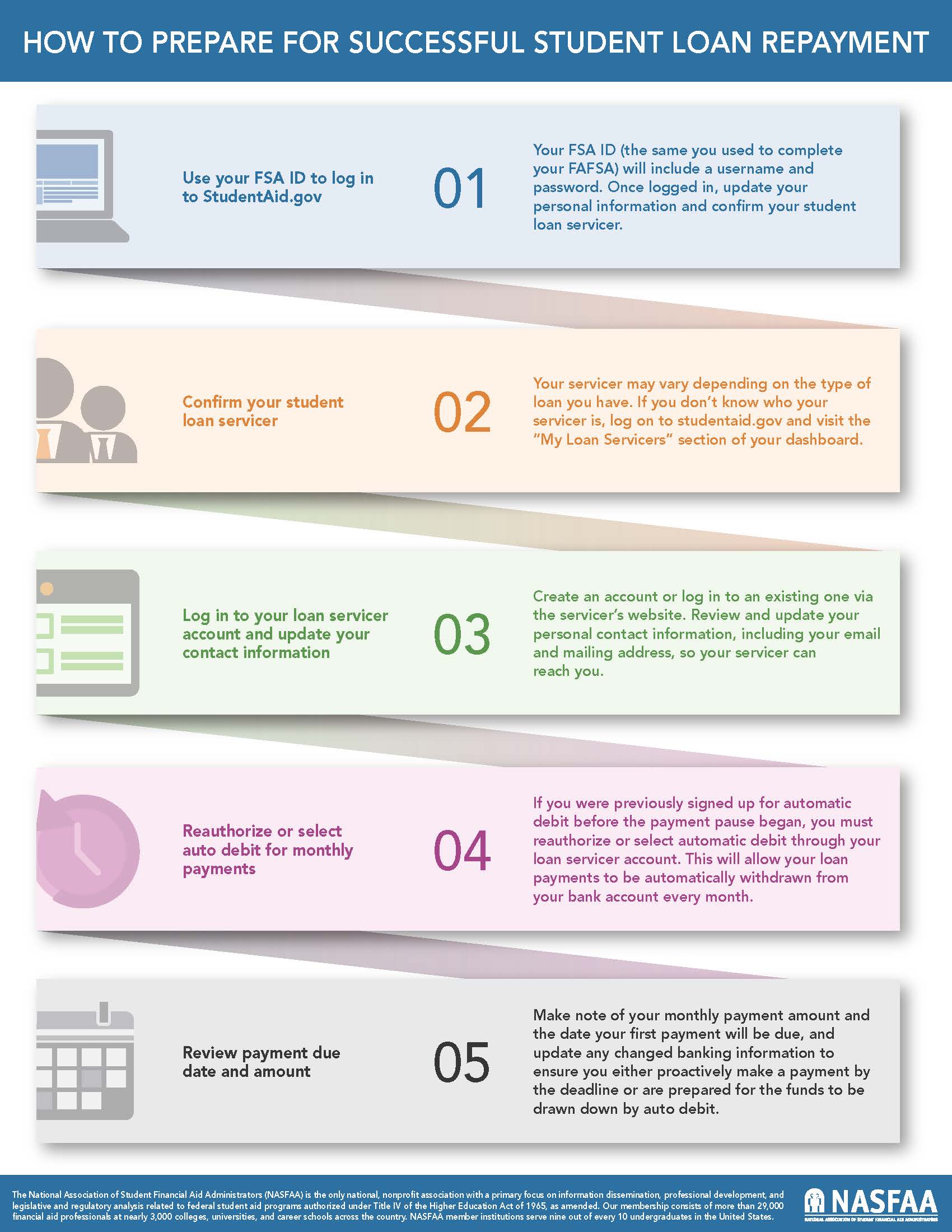
- Federal Loans: You can find details about all your federal student loans, including your loan servicer(s), current balance, interest rates, and repayment status, by logging into your account at StudentAid.gov. Your loan servicer is the company that handles billing and other services for your federal student loans. Common servicers include Nelnet, Aidvantage, MOHELA, and Edfinancial.
- Private Loans: For private loans, you’ll need to check your credit report (you can get a free copy annually from AnnualCreditReport.com) or review your original loan documents. Each private loan will have its own terms, including interest rates, repayment schedule, and any applicable fees.
Understanding your total principal balance, the interest rate for each loan, and your monthly payment due date is paramount. High-interest loans, regardless of type, should often be prioritized in your repayment strategy.
The Impact of Interest and Capitalization
Interest is the cost of borrowing money, and it accrues on your loan balance over time. Understanding how interest works and the concept of capitalization is vital to minimizing the overall cost of your loans.
- Interest Accrual: Interest typically accrues daily on your outstanding principal balance. The higher your interest rate and the longer you take to repay, the more you’ll pay in interest.
- Capitalization: This occurs when unpaid interest is added to your loan’s principal balance. Once capitalized, that interest then starts accruing interest itself. This can happen, for example, if you defer payments or put your loans into forbearance, or if you switch out of certain income-driven repayment plans. Capitalization significantly increases the total amount you repay over the life of the loan, so it’s a factor you want to avoid whenever possible.
Navigating Federal Student Loan Repayment Plans
Federal student loans offer a diverse array of repayment plans designed to accommodate different financial situations. Choosing the right plan can significantly impact your monthly payments, the total amount you pay, and your path to eventual loan forgiveness.
Standard and Graduated Repayment Plans
These plans are the default options for many borrowers and typically lead to the fastest repayment.
- Standard Repayment Plan: This plan divides your loan balance into fixed monthly payments over a 10-year period (or up to 30 years for consolidated loans). It typically results in the lowest total interest paid because you pay off your loan relatively quickly.
- Graduated Repayment Plan: Payments start lower and gradually increase, usually every two years, over a 10-year period (or up to 30 years for consolidated loans). This plan might appeal to those who expect their income to rise steadily over time, but you’ll pay more in total interest compared to the Standard Plan.
Income-Driven Repayment (IDR) Plans: A Lifeline for Many
IDR plans are designed to make federal student loan payments more manageable by capping them at a percentage of your discretionary income. These plans are particularly beneficial for borrowers with low incomes relative to their loan balances.
- SAVE Plan (Saving on a Valuable Education): This is the newest IDR plan, replacing the REPAYE plan. It offers the lowest monthly payments for most borrowers, calculating payments based on a smaller portion of discretionary income and preventing interest capitalization if you make your full required payment.
- Pay As You Earn (PAYE) Repayment Plan: Your monthly payment is generally 10% of your discretionary income, but never more than what you would pay under the 10-year Standard Repayment Plan.
- Income-Based Repayment (IBR) Plan: Your monthly payment is generally 10% or 15% of your discretionary income, depending on when you received your first loans.
- Income-Contingent Repayment (ICR) Plan: Your monthly payment is either 20% of your discretionary income or what you would pay on a fixed 12-year repayment plan, adjusted according to your income, whichever is less.
Under all IDR plans, any remaining loan balance is forgiven after 20 or 25 years of qualifying payments (depending on the plan and whether you have graduate or undergraduate loans), though the forgiven amount may be subject to income tax.
Extended Repayment Plans
If you have more than $30,000 in federal student loans, you may be eligible for an Extended Repayment Plan, which allows you to make fixed or graduated payments over a period of up to 25 years. This lowers your monthly payment but increases the total interest paid over the life of the loan.
Public Service Loan Forgiveness (PSLF) Program
The PSLF Program offers a powerful incentive for those working in public service. If you are employed by a U.S. federal, state, local, or tribal government or a not-for-profit organization, you may be eligible to have the remaining balance of your Direct Loans forgiven after making 120 qualifying monthly payments while working full-time for a qualifying employer. This program requires specific types of loans and repayment plans (typically IDR plans) and strict adherence to program rules.
Strategies for Repaying Private Student Loans
Repaying private student loans can be more challenging due to fewer borrower protections and less flexible terms. However, there are still effective strategies to manage and potentially reduce their cost.
Understanding Limited Repayment Options
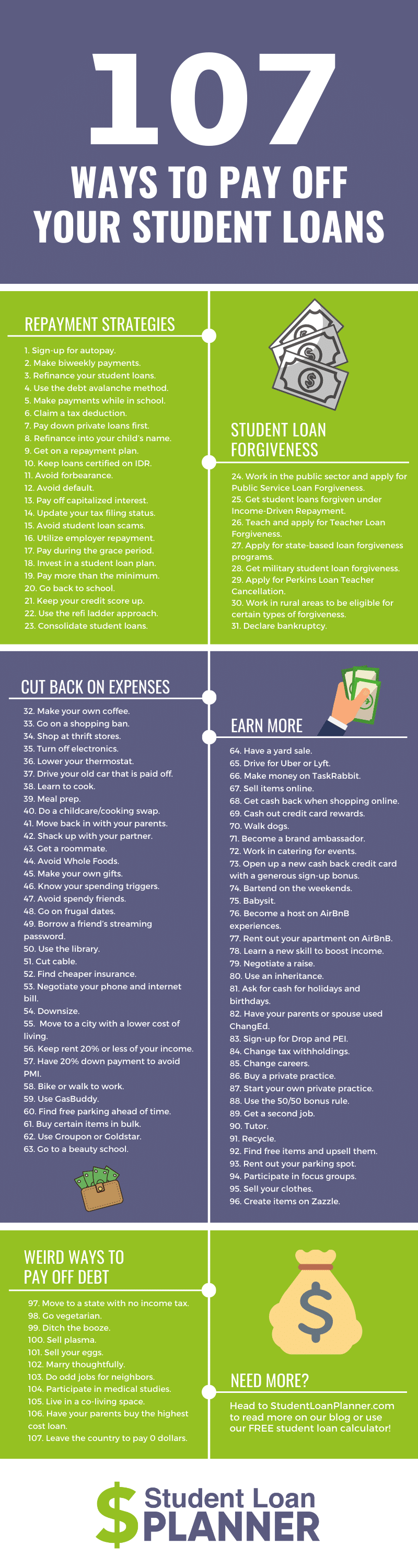
Private lenders typically offer fewer options for adjusting payments based on income or for temporary payment pauses. Hardship options, if available, are at the discretion of the lender and often come with interest accrual. This makes proactive management and a strong repayment plan even more critical.
Refinancing Private Student Loans: When it Makes Sense
Refinancing involves taking out a new loan, usually from a private lender, to pay off one or more existing student loans. This can be an attractive option for private loans if you can qualify for a lower interest rate, as it can significantly reduce your total repayment cost.
- Benefits of Refinancing: Lower interest rate, reduced monthly payment, simpler repayment (one payment instead of many), shorter loan term.
- Considerations: Refinancing often requires a good credit score and stable income. If you have federal loans, refinancing them into a private loan means forfeiting all federal benefits, including IDR plans and federal forgiveness programs. For this reason, refinancing federal loans is generally not recommended unless you are absolutely certain you will not need those protections.
Direct Communication with Your Lender
If you anticipate difficulty making private loan payments, communicate with your lender before you miss a payment. Some lenders may offer limited deferment or forbearance options, or even a temporary reduction in payments, but these are typically less generous than federal options and often result in interest capitalization. Being transparent about your financial situation can sometimes open doors to solutions you might not have known existed.
Proactive Steps to Accelerate Repayment and Minimize Costs
Beyond choosing the right repayment plan, several proactive strategies can help you pay off your student loans faster and save a substantial amount on interest.
Making Extra Payments and the Snowball/Avalanche Methods
Even small extra payments can make a big difference. When you pay more than your minimum, ensure the extra amount is applied directly to the principal balance of the loan with the highest interest rate (unless you’re using a specific debt payoff strategy).
- Debt Avalanche Method: This strategy involves paying extra towards the loan with the highest interest rate first, while making minimum payments on all other loans. Once the highest-interest loan is paid off, you roll that payment amount into the next highest-interest loan, and so on. This method saves you the most money on interest over time.
- Debt Snowball Method: This method prioritizes paying off the smallest loan balance first, while making minimum payments on all other loans. Once the smallest loan is paid off, you “snowball” that payment into the next smallest loan. While it may not save the most money on interest, it provides psychological wins that can keep you motivated.
Utilizing Autopay for Interest Rate Reductions
Many federal and private loan servicers offer a small interest rate reduction (typically 0.25%) if you sign up for automatic debit payments. This seemingly small discount can add up over the life of your loan and ensures you never miss a payment, protecting your credit score.
Budgeting and Financial Planning
A well-structured budget is the bedrock of effective loan repayment. By tracking your income and expenses, you can identify areas where you can cut back and allocate more funds toward your student loans. Creating an emergency fund (3-6 months of living expenses) is also crucial, as it prevents you from relying on loans or credit cards if unexpected expenses arise, keeping your repayment strategy on track.
Exploring Employer Assistance Programs and Tax Deductions
Some employers offer student loan assistance programs as part of their benefits package, contributing a certain amount directly to your loans. Inquire with your HR department about such opportunities. Additionally, you may be able to deduct a portion of the student loan interest you paid on your federal income tax return, reducing your taxable income.
What to Do When Repayment Becomes Challenging
Life happens, and sometimes even the best-laid plans go awry. If you find yourself struggling to make your student loan payments, it’s crucial to act quickly and explore your options.
Deferment and Forbearance: Temporary Relief
Both deferment and forbearance allow you to temporarily postpone or reduce your student loan payments.
- Deferment: This is available for specific situations, such as unemployment, active military service, or economic hardship. For subsidized federal loans, the government pays the interest during deferment. For unsubsidized federal and all private loans, interest continues to accrue and may capitalize.
- Forbearance: This is a more general option where your loan servicer may grant a temporary pause or reduction in payments if you face financial hardship. Interest accrues on all types of loans during forbearance, and it will capitalize at the end of the forbearance period.
While these options offer temporary relief, they should be used judiciously, as they can increase the overall cost of your loan due to accrued and capitalized interest.
Loan Rehabilitation and Consolidation for Defaulted Federal Loans
Falling into default on federal student loans has severe consequences, including damaged credit, wage garnishment, and loss of eligibility for federal aid. However, there are paths to recovery:
- Loan Rehabilitation: This involves making nine voluntary, reasonable, and affordable monthly payments within a 10-month period. Successful rehabilitation removes the default from your credit report and restores your eligibility for federal student aid.
- Loan Consolidation: You can consolidate defaulted federal loans into a new Direct Consolidation Loan, provided you agree to repay the new loan under an Income-Driven Repayment plan or make three consecutive, voluntary, on-time, full payments before consolidating.
Seeking Professional Financial Advice
If your financial situation is particularly complex, or you feel overwhelmed by your options, consider seeking advice from a qualified non-profit credit counselor or a financial advisor specializing in student loans. They can provide personalized guidance, help you create a budget, and navigate the various repayment and relief options. Be wary of companies that charge high fees for services you can get for free from your loan servicer or the Department of Education.
Conclusion
Repaying student loans is a significant financial undertaking, but it is far from an insurmountable challenge. By thoroughly understanding your loan types, exploring the various repayment plans, and proactively implementing smart financial strategies, you can take control of your debt. Whether it’s opting for an income-driven plan, aggressively targeting high-interest loans, or making smart refinancing decisions for private debt, a personalized and disciplined approach is key. Remember, student loan repayment is a marathon, not a sprint. Regularly review your financial situation, adjust your strategy as needed, and stay informed about any new programs or policies. With diligence and perseverance, you can successfully navigate your student loan journey and move toward a future of greater financial freedom.
aViewFromTheCave is a participant in the Amazon Services LLC Associates Program, an affiliate advertising program designed to provide a means for sites to earn advertising fees by advertising and linking to Amazon.com. Amazon, the Amazon logo, AmazonSupply, and the AmazonSupply logo are trademarks of Amazon.com, Inc. or its affiliates. As an Amazon Associate we earn affiliate commissions from qualifying purchases.