
In the rapidly evolving landscape of personal finance, digital payment platforms like Venmo have become indispensable tools for managing money. Far beyond simple transactions, Venmo empowers millions to seamlessly send, receive, and spend funds, blurring the lines between traditional banking and social interaction. For anyone navigating the complexities of modern finances – from splitting restaurant bills and paying rent to receiving payments for side hustles or small businesses – understanding how to effectively receive money on Venmo is not just convenient, it’s a fundamental aspect of contemporary financial literacy.
This guide delves into the mechanics of receiving money through Venmo, framed within the broader context of personal finance. We’ll explore the immediate steps, the options for accessing your funds, the critical considerations of security and fees, and how Venmo integrates into various financial scenarios, ultimately helping you leverage this powerful financial tool with confidence and clarity.

The Mechanics of Receiving Funds on Venmo: A Financial Lifeline
Venmo simplifies the process of receiving money, making it accessible even for those new to digital financial tools. When someone sends you money, the process is designed to be intuitive, but understanding the underlying financial implications is key to effective management.
Understanding Incoming Payments and Notifications
The moment someone sends you money on Venmo, you’ll receive an immediate notification, typically via an in-app alert, email, or text message, depending on your notification settings. This notification serves as your initial financial update, confirming that funds have been transferred to your account. Unlike some traditional banking transfers that might have processing delays, Venmo payments are often instantaneous between users, meaning the funds are usually available in your Venmo balance almost immediately.
It’s crucial to check these notifications and the Venmo app itself to confirm the payment. Verify the sender’s identity, the amount received, and the associated note (if any). This simple act of confirmation is the first step in responsible financial management, ensuring the transaction aligns with your expectations and helps you spot any discrepancies early.
Differentiating Between Personal and Business Payments
While Venmo started primarily as a peer-to-peer (P2P) platform for personal transactions between friends and family, its utility has expanded to accommodate small businesses and freelancers. This distinction carries significant financial implications, particularly concerning fees and tax obligations.
- Personal Payments: When friends or family send you money for shared expenses, gifts, or informal transfers, these are typically considered personal payments. Venmo generally does not charge fees for these transactions if funded by a bank account, debit card, or your Venmo balance.
- Business Payments: If you’re receiving money for goods or services, whether you’re a freelance designer, a small online seller, or providing any professional service, these are considered business payments. Venmo has specific terms for business profiles, which may involve seller transaction fees (often a percentage of the transaction amount). Furthermore, the IRS requires Venmo to report payments for goods and services to certain users once they cross a specific threshold (e.g., over $600 in a calendar year for tax year 2023 onwards, though this threshold has been subject to change and debate). Understanding this distinction is vital for accurate financial record-keeping and tax compliance, transforming Venmo from a simple money-sharing app into a component of your business’s financial infrastructure.
The Proactive Approach: Requesting Money Strategically
Beyond simply receiving payments, Venmo also empowers you to proactively manage your finances by requesting money. This feature is an invaluable tool for debt collection, splitting bills, or managing group finances.
To request money:
- Open the Venmo app and tap the “Pay & Request” button (often a pencil and paper icon).
- Select the individual(s) you want to request money from.
- Enter the amount and a clear note explaining the request (e.g., “Dinner last night,” “Share of rent,” “Freelance invoice #123”).
- Tap “Request.”
This proactive financial management tool ensures that you’re not waiting passively for funds but actively facilitating their collection, improving cash flow and reducing financial ambiguities among parties.
Managing Your Venmo Balance: Immediate Access vs. Long-Term Holding
Once money has been received into your Venmo account, it resides in your Venmo balance, acting as a digital wallet. How you choose to manage this balance – whether to spend it directly, hold it, or transfer it to an external bank account – significantly impacts your personal financial strategy.
The Venmo Balance as a Digital Wallet
Your Venmo balance functions much like a prepaid debit card or a digital checking account. Funds held here can be used for:
- Sending money to other Venmo users: This keeps the money within the Venmo ecosystem, avoiding external transfer fees.
- Making purchases: Many online and physical retailers accept Venmo as a payment method, allowing you to spend directly from your balance.
- Using the Venmo Debit Card: This card directly links to your Venmo balance, enabling everyday purchases wherever Mastercard is accepted.
For those who frequently use Venmo for transactions, keeping a portion of their funds in their Venmo balance can streamline day-to-day spending and avoid repeated bank transfers.
Standard Bank Transfers: The Cost-Effective Route
For most users, the primary goal after receiving money is to transfer it to their traditional bank account. Venmo offers a standard bank transfer option, which is both reliable and free of charge.
- Process:
- Tap the “Transfer” button in the Venmo app.
- Enter the amount you wish to transfer.
- Select your linked bank account.
- Choose the “Standard Transfer” option.
- Timeline: Standard transfers typically take 1 to 3 business days to process and appear in your bank account. Weekends and holidays can extend this timeframe.
This method is ideal for those not in a rush to access their funds and for whom avoiding fees is a priority. Integrating standard transfers into your financial routine helps ensure that funds received on Venmo are consolidated into your main banking for budgeting, saving, or investing purposes.
Instant Transfers: Prioritizing Speed (and Understanding the Cost)
When time is of the essence, Venmo’s Instant Transfer feature provides a rapid solution to move funds from your Venmo balance to your linked debit card or eligible bank account.
- Process: The steps are similar to a standard transfer, but you select the “Instant Transfer” option.
- Timeline: Funds usually arrive in your bank account or debit card within minutes, often less than 30 minutes.
- Fees: This convenience comes with a cost. Venmo charges a fee for instant transfers, typically 1.75% of the transferred amount, with a minimum fee of $0.25 and a maximum fee of $25.
From a personal finance perspective, instant transfers should be used judiciously. While convenient for urgent needs, the associated fee can add up over time. It’s important to weigh the immediate need for funds against the cost, especially for larger sums where the 1.75% fee can become substantial. Budgeting for these fees, or planning ahead to use standard transfers, is a smart financial practice.
Leveraging the Venmo Debit Card for Direct Spending
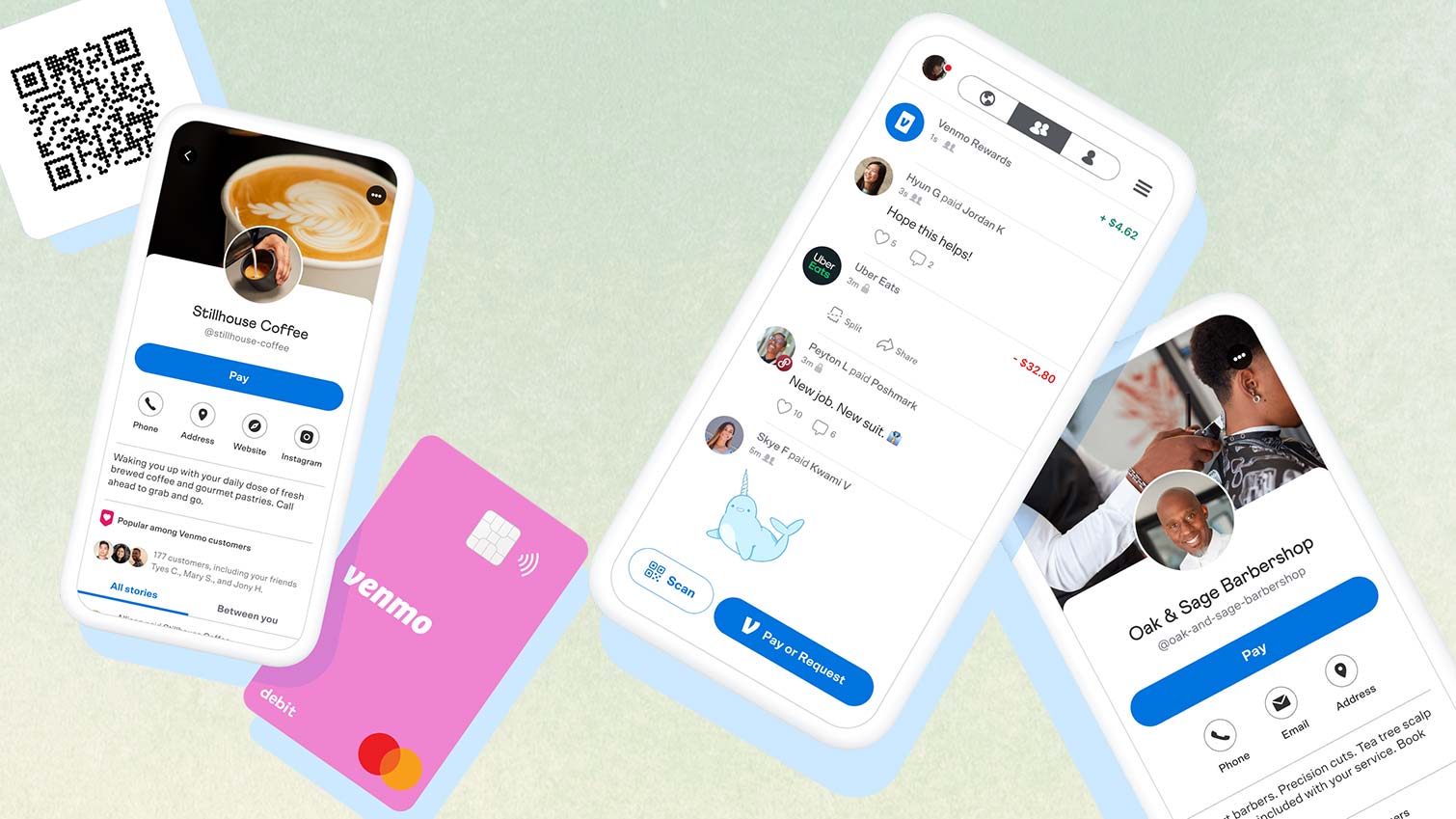
The Venmo Debit Card offers a unique way to bridge your digital Venmo balance with everyday spending. This Mastercard-branded debit card allows you to spend money directly from your Venmo balance anywhere Mastercard is accepted, both online and in physical stores.
- Benefits:
- Direct Access: No need to transfer funds to your bank account before spending.
- Financial Flexibility: Funds received on Venmo can be immediately utilized for purchases, bills, or cash withdrawals from ATMs (with associated fees).
- Rewards and Offers: Venmo often partners with retailers to offer cashback and discounts when using the debit card, providing an added financial incentive.
For individuals who use Venmo frequently to receive payments (e.g., freelancers, those managing shared household expenses), the Venmo Debit Card can be an effective tool for consolidating their digital funds into a tangible spending mechanism, simplifying budget tracking and reducing the need for multiple transfers.
Security, Fees, and Best Practices for Financial Prudence
Effective financial management on Venmo extends beyond just receiving and transferring money; it encompasses understanding the associated costs and ensuring the security of your transactions.
Unpacking Venmo’s Fee Structure for Recipients
While receiving personal payments on Venmo is generally free, there are specific scenarios where fees may apply:
- Instant Transfers: As mentioned, a 1.75% fee (min $0.25, max $25) applies for instant transfers to your bank account or debit card.
- Business Profile Payments: If you have a business profile, you’ll incur a seller transaction fee (e.g., 1.9% + $0.10) for payments received for goods and services.
- Credit Card Funding (for sending): While not a receiving fee, if someone sends you money and they funded their payment using a credit card, they would incur a 3% fee. This is relevant to understand the sender’s perspective.
- ATM Withdrawals (Venmo Debit Card): Standard ATM fees apply, plus potential out-of-network ATM fees.
Being aware of these fees helps you make informed financial decisions, avoiding unexpected deductions and optimizing the cost-effectiveness of your Venmo usage.
Safeguarding Your Financial Transactions
Security is paramount when dealing with any financial tool. Venmo employs various security measures, but user vigilance is equally important.
- Confirm Senders: Always verify the identity of the sender, especially for larger sums or unfamiliar transactions. Scammers can impersonate contacts.
- Use Strong, Unique Passwords: Protect your Venmo account with a robust password and enable two-factor authentication (2FA) for an extra layer of security.
- Beware of Phishing Scams: Do not click on suspicious links or respond to emails/texts asking for your Venmo login credentials or personal financial information.
- Privacy Settings: Manage your transaction privacy settings. While the default is often public, you can choose to make transactions private, controlling who sees your financial activity.
- Link Verified Accounts: Link only your legitimate bank accounts and debit cards to your Venmo profile.
These practices contribute significantly to safeguarding your funds and personal financial data on the platform.
Resolving Payment Issues: Protecting Your Funds
Despite best efforts, payment issues can arise. Knowing how to address them is crucial for protecting your financial interests.
- Incorrect Payments: If someone accidentally sends you money, or you receive an unauthorized payment, do not spend it. Venmo has a process for returning funds. Contact the sender and, if necessary, Venmo support to reverse the transaction. Spending misdirected funds could lead to financial liability.
- Unauthorized Activity: If you notice unauthorized transactions on your account, report them to Venmo support immediately. They can investigate and help secure your account.
- Disputes for Goods/Services: For business transactions, Venmo offers buyer/seller protection in certain circumstances. Understand these policies if you are receiving payments for goods or services, as they dictate how disputes might be resolved and how your funds are protected.
Proactive communication and adherence to Venmo’s terms of service are your best allies in resolving financial disputes effectively.
Venmo’s Role in Modern Personal and Small Business Finance
Venmo’s utility extends beyond simple person-to-person transfers, evolving into a versatile financial tool that supports various aspects of modern personal and small business finance.
Facilitating Online Income and Side Hustle Payments
For the growing number of individuals engaged in the gig economy, freelancing, or running small online businesses, Venmo has become a convenient method for receiving payments.
- Speed and Ease: Clients can pay quickly, improving cash flow for small operators.
- Record Keeping: While not a full accounting system, Venmo provides a transaction history that can aid in tracking income, especially when paired with a business profile.
- Tax Implications: As mentioned, income received for goods and services via Venmo may be subject to IRS reporting requirements if it exceeds specific thresholds. Small business owners and freelancers must understand this to ensure tax compliance and avoid penalties. This often means carefully tracking all Venmo-received income and potentially integrating it into broader accounting software.
Streamlining Shared Expenses and Group Payments
Venmo excels at simplifying the often-awkward process of splitting expenses among friends, family, or roommates.
- Household Budgeting: Roommates can easily send and receive shares of rent, utilities, and groceries, maintaining clear financial records.
- Group Activities: For vacations, events, or shared meals, one person can pay upfront, and others can instantly Venmo their share, making group budgeting seamless.
- Debt Management: It helps formalize small debts among acquaintances, ensuring payments are tracked and settled promptly, promoting healthier financial relationships.
This functionality makes Venmo a valuable tool for everyday financial organization, preventing personal funds from getting tangled in group expenses.
Beyond Simple Transfers: Exploring Venmo’s Broader Financial Ecosystem
Venmo is continuously expanding its offerings, positioning itself as a more comprehensive financial platform. While the core focus remains on payments, understanding its broader ecosystem can unlock additional financial benefits:
- Venmo Credit Card: This allows users to earn cashback on eligible purchases, with rewards often categorized based on spending habits, feeding back into their Venmo balance.
- Crypto on Venmo: For those interested in digital assets, Venmo now allows users to buy, hold, and sell cryptocurrency directly within the app, integrating a new facet of modern finance.
- Shopping Features: With in-app shopping and QR code payments, Venmo is becoming a more integrated part of the retail experience, allowing users to spend their balance or linked funds directly at participating merchants.
These developments highlight Venmo’s ambition to be more than just a payment app, but a central hub for various personal financial activities, from everyday spending to emerging investment opportunities.
Conclusion
Receiving money on Venmo is a straightforward process, but truly mastering this financial tool involves understanding its nuances. From the immediate notifications of incoming payments to the strategic decisions about managing your Venmo balance, every step has implications for your personal finance. By distinguishing between personal and business payments, leveraging instant versus standard transfers wisely, and understanding the associated fees, you can optimize your use of Venmo to suit your financial goals.
Furthermore, adopting robust security practices and knowing how to navigate potential issues are crucial for protecting your funds. Ultimately, Venmo stands as more than just a convenient app; it’s an integral part of the modern financial toolkit, empowering individuals and small businesses to manage their money efficiently, securely, and with greater control in an increasingly digital world. Embrace these insights, and make Venmo a powerful ally in your financial journey.
aViewFromTheCave is a participant in the Amazon Services LLC Associates Program, an affiliate advertising program designed to provide a means for sites to earn advertising fees by advertising and linking to Amazon.com. Amazon, the Amazon logo, AmazonSupply, and the AmazonSupply logo are trademarks of Amazon.com, Inc. or its affiliates. As an Amazon Associate we earn affiliate commissions from qualifying purchases.