
Planning a business is an intricate dance between vision and practicality, a process that lays the financial foundation for future success. While many aspects contribute to a thriving enterprise, the money perspective is undeniably the bedrock. Without a sound financial plan, even the most innovative ideas or brilliant brands can crumble. This guide delves into the essential financial considerations and steps involved in planning a business, ensuring your venture is not just a dream, but a sustainable and profitable reality.
Understanding the Financial Core of Your Business
Before any grand launch, a deep dive into the financial landscape of your proposed business is paramount. This initial phase is about asking fundamental questions that dictate viability and potential for growth. It’s not just about what you want to sell, but how that selling translates into sustainable income and profit.

Market Research & Financial Viability
Every business exists within a market, and understanding its financial contours is critical. This isn’t merely about identifying customers, but assessing their willingness to pay, the existing price structures, and the overall economic health of your target demographic. Financial viability research involves examining market size, growth potential, competitive pricing, and potential revenue streams. For instance, if you plan an online subscription service, you need to research average subscription prices in your niche, the number of potential subscribers, and how much they are currently spending on similar services. This data directly informs your revenue projections and helps you set realistic financial goals. Without a demonstrable market demand willing to pay, your business concept might be financially unsound, regardless of its innovation.
Crafting a Sustainable Pricing Strategy & Revenue Models
Your pricing strategy is perhaps the most direct link between your product or service and your financial health. It’s not arbitrary; it must reflect your costs, perceived value, market rates, and desired profit margins. Will you adopt a cost-plus pricing model, value-based pricing, competitive pricing, or a premium strategy? Each has different implications for your revenue potential and brand positioning. Simultaneously, you must define your revenue models: how will money flow into your business? Is it through direct sales, subscriptions, advertising, commissions, licensing, or a hybrid approach? A clear understanding of these models is essential for forecasting income and managing cash flow. For an e-commerce business, direct sales are primary, but a consulting firm might rely on project fees and retainer agreements. Each model requires specific financial management and forecasting techniques.
Identifying Key Financial Metrics and Milestones
From the outset, identify the financial metrics that will serve as your compass. These are not just arbitrary numbers; they are indicators of performance, health, and progress. Key metrics might include customer acquisition cost (CAC), customer lifetime value (CLTV), average transaction value (ATV), gross profit margin, net profit margin, break-even point, and return on investment (ROI). Setting financial milestones—specific, measurable financial targets—helps you track progress and provides a roadmap. For instance, a milestone might be achieving a 20% gross profit margin within the first year, or reaching a specific monthly recurring revenue (MRR) by the sixth month. These metrics and milestones transform abstract goals into concrete, quantifiable objectives that are crucial for both internal management and external stakeholders like investors or lenders.
Crafting Your Financial Blueprint: The Business Plan’s Money Section
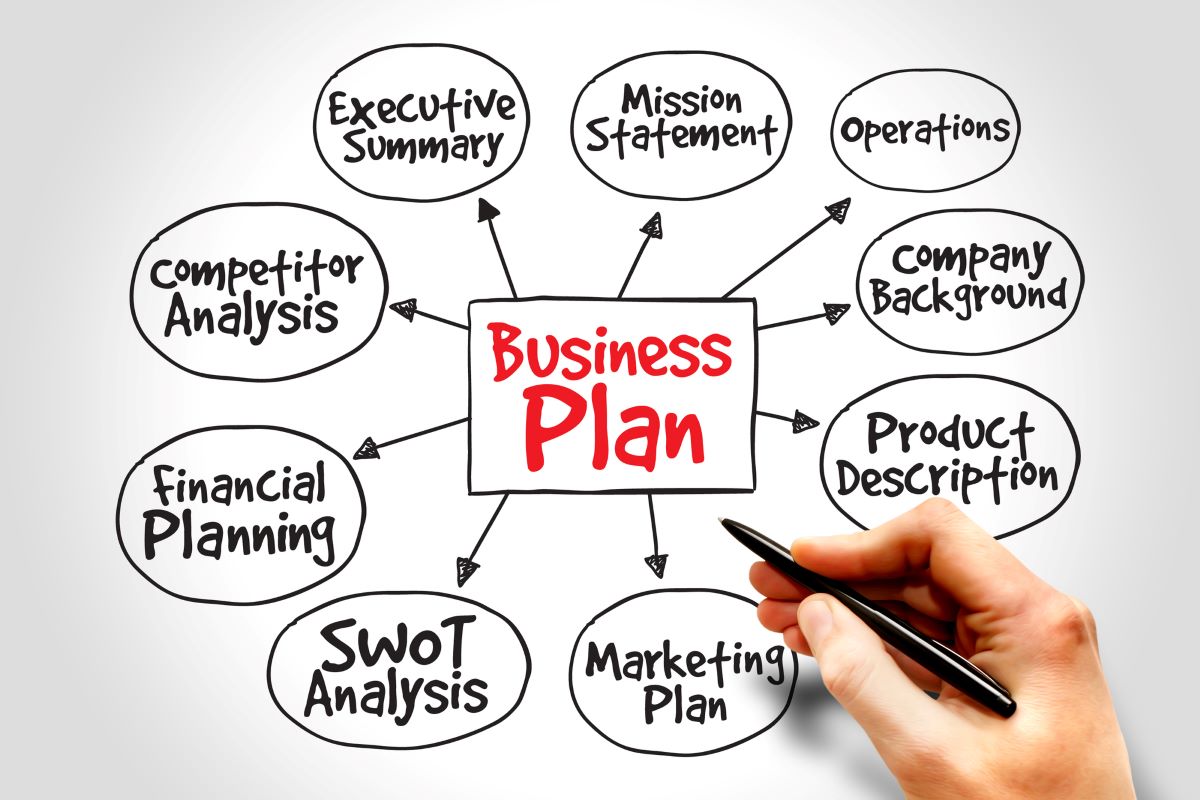
With a foundational understanding, the next step is to translate that knowledge into a detailed financial blueprint within your business plan. This section isn’t just a collection of numbers; it’s a narrative of your business’s financial journey, demonstrating how you will generate, manage, and grow money.
Startup Costs & Capital Requirements
One of the most critical financial exercises is meticulously calculating your startup costs. This involves identifying every expense incurred before your business officially opens its doors and begins generating revenue. These can range from tangible assets like equipment, inventory, and office space to intangible expenses such as legal fees, permits, website development, initial marketing campaigns, and technology setup. Crucially, don’t forget operational expenses for the first few months, often referred to as “runway” capital, needed before consistent revenue streams are established. This might include rent, salaries, utilities, and software subscriptions. A detailed breakdown helps determine your total capital requirement – the total amount of money you need to get the business off the ground and sustain it until it becomes self-sufficient. Underestimating these costs is a common pitfall that can derail even promising ventures.
Funding Your Vision: Sources of Capital
Once you know how much capital you need, the next question is where that money will come from. This section explores various funding avenues, each with its own financial implications.
- Self-funding (Bootstrapping): Using personal savings or revenue generated from initial sales. This offers complete control but limits growth potential and places personal assets at risk.
- Debt Financing (Loans): Securing loans from banks, credit unions, or government programs. This typically requires a solid business plan, collateral, and a good credit score. Understanding interest rates, repayment schedules, and loan terms is vital for your cash flow.
- Equity Financing: Selling a portion of your company ownership to investors (angel investors, venture capitalists). While this provides significant capital and expertise, it means giving up a share of future profits and control.
- Grants: Non-repayable funds often available from government agencies or non-profits, usually for specific industries or purposes.
- Crowdfunding: Raising small amounts of money from a large number of people, often through online platforms.
Each option has financial trade-offs in terms of control, risk, and repayment obligations. A strategic approach often involves a combination of these sources.
Developing a Comprehensive Budget
A budget is your financial roadmap, detailing how you plan to spend your money over a specific period. It’s an essential tool for managing cash flow, controlling expenses, and ensuring you stay on track with your financial goals. Your budget should encompass all expected income and expenses, categorised clearly. Key components include:
- Revenue Budget: Projections of sales and other income.
- Operating Expense Budget: Detailed breakdown of ongoing costs like salaries, rent, utilities, marketing, and supplies.
- Capital Expenditure Budget: Planned investments in long-term assets like equipment or property.
- Cash Flow Budget: A projection of cash inflows and outflows, critical for ensuring liquidity.
A well-constructed budget allows you to allocate resources effectively, identify areas for cost savings, and make informed financial decisions. It should be a living document, regularly reviewed and adjusted as your business evolves.
Projecting Success: Financial Forecasts and Analysis
Beyond the initial setup, a robust business plan includes detailed financial projections. These forecasts provide a forward-looking view of your business’s financial performance, essential for both internal planning and external stakeholders. They are not merely guesses, but informed estimates based on your market research, pricing strategy, and operational plans.
Sales & Revenue Projections
Projecting future sales and revenue is a critical exercise. This involves estimating how many products or services you expect to sell and at what price, over specific periods (e.g., monthly for the first year, quarterly for the next two, annually thereafter). These projections should be grounded in your market research, competitive analysis, and marketing strategy. Consider different scenarios: best-case, worst-case, and most likely. For instance, a new online course creator might project sales based on conversion rates from website traffic and advertising spend, while a physical product business would factor in production capacity and distribution channels. These projections directly feed into your income statement and cash flow forecasts.
Expense Forecasting & Profit Margins
Just as you project revenue, you must meticulously forecast your expenses. This includes both variable costs (which change with the volume of sales, like raw materials or shipping) and fixed costs (which remain relatively constant, like rent or salaries). Accurate expense forecasting allows you to calculate your projected profit margins – the percentage of revenue that translates into profit after accounting for costs. This includes gross profit margin (revenue minus cost of goods sold) and net profit margin (revenue minus all expenses, including taxes). Understanding these margins is crucial for assessing profitability and making strategic decisions about pricing, cost control, and scaling. If your projected profit margins are too low, it signals a need to re-evaluate your business model, pricing, or operational efficiencies.
Break-Even Analysis & Return on Investment (ROI)
The break-even analysis is a cornerstone of financial planning. It determines the point at which your total revenue equals your total costs, meaning your business is neither making a profit nor incurring a loss. Calculating your break-even point, whether in units sold or revenue generated, gives you a vital target. It helps you understand the minimum performance required to cover your expenses and guides pricing and sales volume goals. Complementing this is the Return on Investment (ROI), a metric that evaluates the efficiency of an investment. For a business, this could mean calculating the ROI of marketing campaigns, new equipment, or the entire venture itself. A positive ROI indicates a profitable investment, while a low or negative ROI signals a need for reassessment. Both analyses are critical for demonstrating the financial viability and attractiveness of your business.
Cash Flow Management
While profitability is important, cash flow is king. A business can be profitable on paper but still fail due to a lack of available cash to pay its bills. Cash flow projections detail the movement of cash into and out of your business over time. This includes cash from sales, investments, or loans (inflows) and cash spent on expenses, debt repayments, or capital purchases (outflows). A robust cash flow statement helps you anticipate periods of surplus or deficit, allowing you to plan for financing needs or allocate excess cash wisely. It’s an early warning system for liquidity issues and a vital tool for managing day-to-day operations and ensuring the financial stability of your enterprise.
Managing Your Business’s Ongoing Financial Health
Planning doesn’t stop at launch. Sustained financial health requires ongoing management, monitoring, and adaptation. This continuous process ensures your business not only survives but thrives and grows.
Financial Reporting & Analysis
Once your business is operational, regular financial reporting and analysis become indispensable. This involves preparing and reviewing key financial statements:
- Income Statement (Profit & Loss Statement): Shows your revenues, expenses, and profit (or loss) over a period.
- Balance Sheet: Provides a snapshot of your assets, liabilities, and equity at a specific point in time.
- Cash Flow Statement: Tracks the cash moving into and out of your business.
Regularly analysing these reports helps you understand your business’s current financial position, performance trends, and identify areas for improvement or concern. Are sales meeting projections? Are expenses under control? Is there enough cash to meet obligations? This data-driven approach is critical for informed decision-making.
Risk Management & Contingency Planning
Every business faces financial risks, from market downturns and unexpected expenses to changes in consumer behaviour or supply chain disruptions. Effective financial planning includes identifying potential risks and developing contingency plans to mitigate their financial impact. This might involve setting aside an emergency fund (a financial “rainy day” fund), securing appropriate business insurance, diversifying revenue streams, or having alternative suppliers. A robust contingency plan for financial shocks ensures that your business can weather unforeseen challenges without collapsing, protecting your investments and ensuring long-term stability.
Choosing the Right Financial Tools & Software
In today’s digital age, leveraging appropriate financial tools and software is crucial for efficient and accurate money management. These tools can automate tasks, reduce errors, and provide real-time financial insights. Options range from simple spreadsheets for small startups to comprehensive accounting software (like QuickBooks, Xero, or FreshBooks) for more complex operations. Consider tools for invoicing, expense tracking, payroll, budgeting, and financial reporting. The right software can save time, ensure compliance, and empower you to make data-driven financial decisions, directly contributing to the streamlined management of your business’s financial health.

Conclusion
Planning a business from a financial perspective is an exhaustive yet incredibly rewarding undertaking. It requires diligence, foresight, and a realistic understanding of market dynamics and operational costs. By meticulously addressing market viability, crafting sustainable pricing and revenue models, preparing detailed startup costs and budgets, projecting future performance, and establishing robust financial management practices, you lay a solid foundation for success. The financial blueprint is more than just a document; it’s a living guide that will shape every strategic decision, ensuring your vision not only takes flight but soars with financial resilience and profitability.
aViewFromTheCave is a participant in the Amazon Services LLC Associates Program, an affiliate advertising program designed to provide a means for sites to earn advertising fees by advertising and linking to Amazon.com. Amazon, the Amazon logo, AmazonSupply, and the AmazonSupply logo are trademarks of Amazon.com, Inc. or its affiliates. As an Amazon Associate we earn affiliate commissions from qualifying purchases.