
Budgeting is often perceived as a practice of restriction, a financial straitjacket designed to limit enjoyment and enforce frugality. In reality, a well-constructed budget is the ultimate tool for financial liberation. It is a strategic roadmap that transforms vague aspirations into actionable plans, ensuring that every dollar earned is working toward a specific purpose. Whether you are aiming to escape the cycle of living paycheck to paycheck, saving for a significant milestone, or building an investment portfolio, the process of planning a budget is the foundational step toward long-term wealth.
Planning a budget requires more than just a list of expenses; it demands an honest assessment of your financial habits, a clear vision of your goals, and a structured methodology to track and adjust your progress.
Defining Your Financial North Star
Before looking at spreadsheets or banking apps, you must establish the “why” behind your budget. A budget without a goal is merely a record of past spending. To create a plan that lasts, you must align your daily spending with your long-term values.
Setting SMART Financial Goals
The most effective budgets are built around SMART goals—Specific, Measurable, Achievable, Relevant, and Time-bound. Instead of saying “I want to save money,” a budget-centric goal would be “I want to save $12,000 for an emergency fund within the next 18 months.” This specificity allows you to reverse-engineer your monthly requirements. By knowing you need to save $667 per month, your budget becomes a functional tool to find that specific amount within your income and expense columns.
Distinguishing Between Needs, Wants, and Obligations
A common pitfall in budget planning is the failure to categorize spending correctly. Needs are essential for survival and maintaining your livelihood: housing, utilities, basic groceries, and transportation. Wants are discretionary choices that enhance your lifestyle but are not strictly necessary: dining out, subscription services, and luxury travel. Obligations represent the middle ground—they are often debt repayments or legal commitments like student loans, credit card minimums, or insurance premiums. Identifying these categories allows you to prioritize effectively when your income fluctuates or when you need to accelerate your savings.
Selecting the Right Budgeting Methodology
There is no one-size-fits-all approach to financial management. The methodology you choose should reflect your personality, your income stability, and your level of comfort with technology. Choosing the wrong system can lead to frustration and abandonment, so it is vital to select one that fits your lifestyle.
The 50/30/20 Rule
For those seeking simplicity, the 50/30/20 rule is an excellent starting point. This framework suggests allocating 50% of your after-tax income to Needs, 30% to Wants, and 20% to Savings and Debt Repayment. The beauty of this system lies in its flexibility. It provides broad boundaries that prevent overspending in one area without requiring you to track every cent across dozens of micro-categories. It is particularly effective for individuals with a steady salary who want to ensure they are consistently building their net worth.
Zero-Based Budgeting
Zero-based budgeting is the practice of giving “every dollar a job.” At the beginning of the month, your total income minus your total expenses (including savings and investments) should equal zero. This doesn’t mean you have zero dollars in your bank account; it means every cent is intentionally allocated. If you have $5,000 coming in and your expenses plus savings only total $4,800, you must decide where that remaining $200 goes—perhaps toward an extra mortgage payment or an investment account. This method is highly effective for those who want granular control over their finances and are looking to maximize efficiency.
The Envelope System and “Pay Yourself First”
The envelope system, or its digital equivalent, involves allocating a specific amount of cash for certain categories (like groceries or entertainment) and stopping spending once the “envelope” is empty. This is ideal for those who struggle with impulse control.
Conversely, the “Pay Yourself First” method prioritizes savings above all else. As soon as your paycheck hits your account, a predetermined amount is automatically transferred to your savings or brokerage accounts. You then live on whatever remains. This “anti-budget” works well for high-earners or those who are naturally frugal but want to ensure their long-term growth is never compromised.
The Practical Execution: A Step-by-Step Workflow
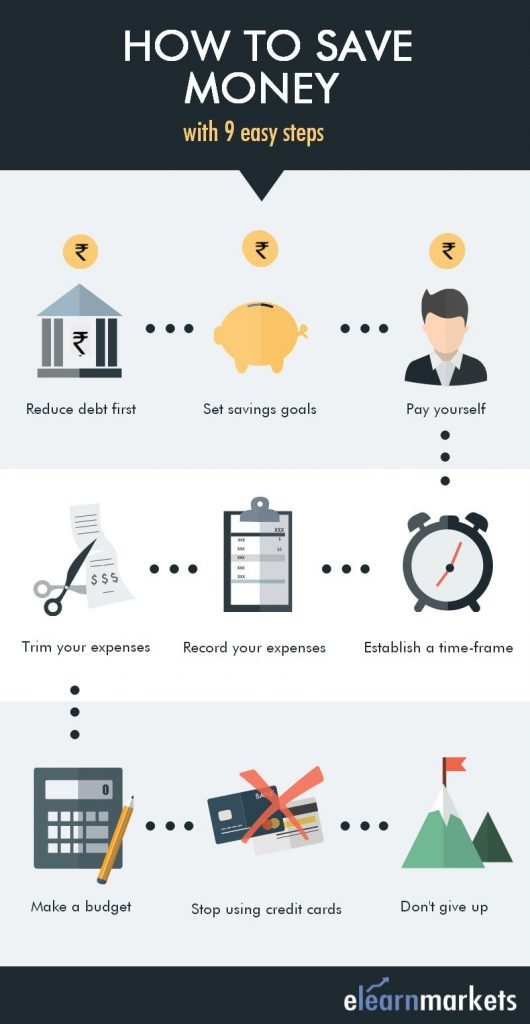
Once you have established your goals and chosen a framework, you must move into the execution phase. This involves moving from theoretical percentages to hard data.
Step 1: Calculate Your Net Income
Your budget must be based on your “take-home pay,” not your gross salary. Ensure you account for taxes, health insurance premiums, 401(k) contributions, and any other automated deductions. If you are a freelancer or business owner with variable income, use a “conservative average” of your lowest-earning months over the last year to ensure your budget is sustainable even during lean periods.
Step 2: Track and Categorize Historic Spending
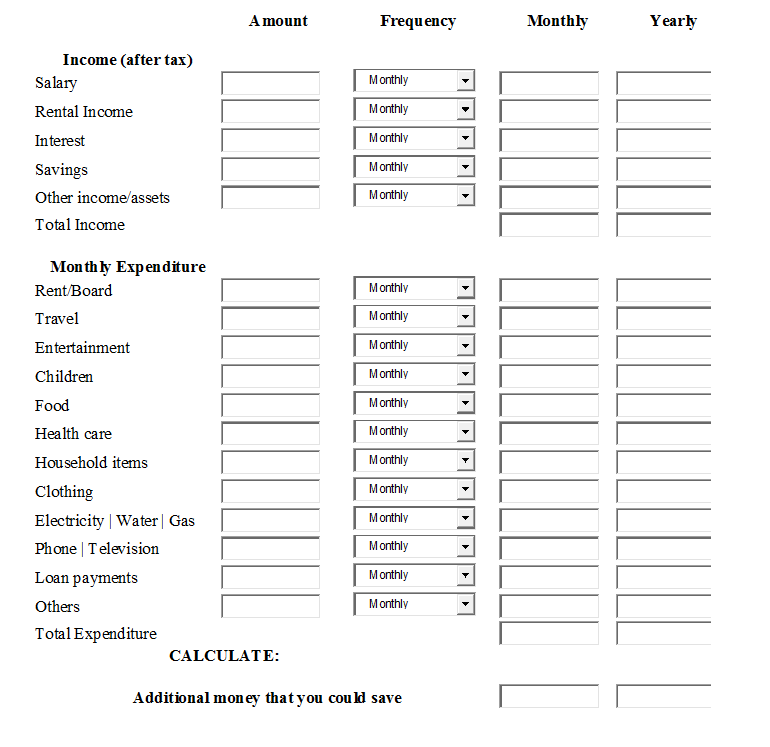
You cannot plan for the future without understanding the past. Review your bank statements and credit card history from the last three months. Group these transactions into categories such as housing, transportation, groceries, entertainment, and debt. This exercise often reveals “hidden” expenses—subscriptions you forgot to cancel or a dining-out habit that is significantly more expensive than you realized.
Step 3: Analyze the Gap and Adjust
This is the most critical stage of budget planning. Subtract your total expenses from your net income. If the number is negative, you are living beyond your means and must identify areas to cut. If the number is positive but small, you must decide if that surplus is enough to meet your SMART goals. If the gap is not wide enough to accommodate your savings targets, you have two levers to pull: decrease your expenses or increase your income.
Advanced Strategies for Optimized Cash Flow
A basic budget manages the present, but an optimized budget prepares for the future. Advanced planners incorporate specific buffers to ensure that unexpected events do not derail their financial progress.
Implementing Sinking Funds
One of the primary reasons budgets fail is the “unexpected” expense that was actually predictable. Annual car registrations, holiday gifts, and home maintenance are not emergencies—they are intermittent expenses. A sinking fund is a dedicated savings category where you set aside a small amount each month for these specific future costs. By saving $50 a month for car repairs, you avoid the shock of a $600 bill in December.
The Emergency Fund as a Budget Shield
A budget is a fragile ecosystem without an emergency fund. Most financial experts recommend holding three to six months of essential living expenses in a high-yield savings account. This fund acts as a barrier between your life and high-interest debt. When a true emergency occurs—such as a job loss or a medical crisis—you draw from this fund rather than disrupting your investment strategy or relying on credit cards.
Leveraging Financial Tools and Automation
While manual tracking in a spreadsheet offers the most control, technology can significantly reduce the “friction” of budgeting. Tools like specialized budgeting apps can sync with your bank accounts to provide real-time updates on your spending. Automation is perhaps the most powerful tool in the personal finance arsenal. Automating transfers to savings, investment accounts, and bill payments ensures that your budget is executed flawlessly, even when life gets busy.
Maintaining Discipline and Navigating Fluctuations
A budget is not a document you set and forget; it is a living entity that must evolve with your circumstances. The final stage of planning is establishing a cadence for review and adjustment.
Monthly Audits and Quarterly Adjustments
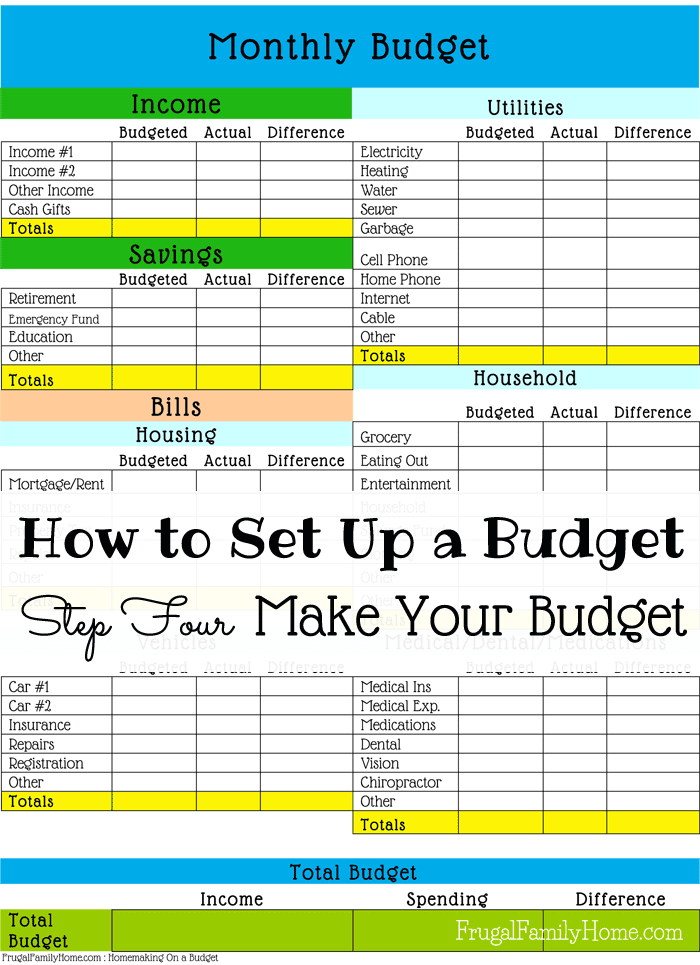
At the end of every month, compare your actual spending against your planned budget. Identify where you overspent and where you under-allocated. If you consistently overspend on groceries, your budget may be unrealistically low, and you need to adjust the numbers to reflect reality. Every quarter, review your progress toward your SMART goals. As you receive raises, pay off debts, or change your lifestyle, your budget should be updated to reflect these new realities.
The Role of Mindset in Long-Term Success
The technical aspects of budgeting are straightforward, but the psychological aspects are challenging. Discipline is the bridge between goals and accomplishment. It is important to build “flexibility” into your budget to avoid burnout. If your budget is too restrictive, you are more likely to abandon it. By including a “fun money” category—an amount you can spend without guilt or tracking—you create a sustainable system that allows for current enjoyment while securing future prosperity.
Planning a budget is the single most effective way to take control of your destiny. It replaces anxiety with clarity and transforms your income from a disappearing resource into a powerful tool for wealth creation. By setting clear goals, choosing a methodology that fits your life, and consistently monitoring your progress, you move beyond mere survival into a state of intentional financial growth.
aViewFromTheCave is a participant in the Amazon Services LLC Associates Program, an affiliate advertising program designed to provide a means for sites to earn advertising fees by advertising and linking to Amazon.com. Amazon, the Amazon logo, AmazonSupply, and the AmazonSupply logo are trademarks of Amazon.com, Inc. or its affiliates. As an Amazon Associate we earn affiliate commissions from qualifying purchases.