
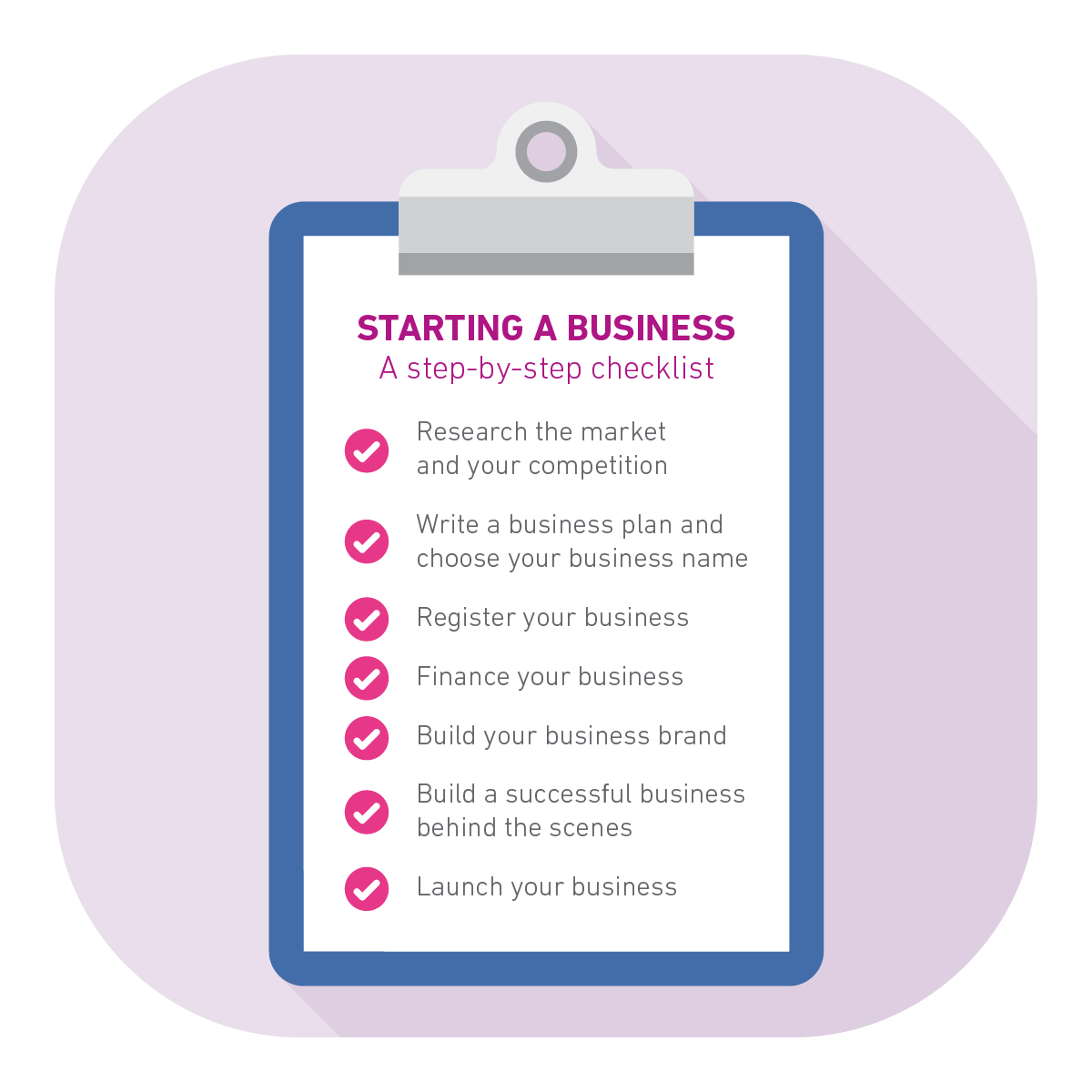
Opening a business is often romanticized as an act of pure creativity or leadership, but at its core, it is a rigorous exercise in financial engineering. The transition from a conceptual idea to a functioning commercial entity requires more than just passion; it demands a deep understanding of capital allocation, risk management, and the mechanics of cash flow. For any aspiring entrepreneur, the question “how do you open a business” must be answered first through the lens of finance. Without a solid financial foundation, even the most innovative products or services will fail to gain the necessary traction to survive the volatile early stages of the market.
The Financial Foundation: Calculating Your Startup Costs
Before the first dollar of revenue is ever earned, a business owner must have a precise understanding of the capital required to reach the “break-even” point. Many businesses fail not because of a lack of demand, but because they simply ran out of money before their operations became self-sustaining. Estimating startup costs is the first critical step in financial planning.
Fixed vs. Variable Costs
When calculating your initial investment, it is helpful to categorize expenses into fixed and variable costs. Fixed costs are those that remain constant regardless of your business activity level. These include rent for office or retail space, insurance premiums, legal fees for incorporation, and equipment leases. Variable costs, conversely, fluctuate based on production or sales volume, such as raw materials, shipping fees, and sales commissions. Understanding this distinction allows an entrepreneur to determine their “nut”—the minimum amount of money required each month just to keep the doors open.
Building a Runway
The concept of a “financial runway” refers to the amount of time a business can operate before it runs out of cash, assuming no additional capital is injected and revenue remains stagnant. When opening a business, it is a best practice to secure enough capital to cover at least six to twelve months of operating expenses. This buffer accounts for the “trough of sorrow,” the period shortly after launch where initial excitement may dip and customer acquisition costs are often at their highest. A robust runway provides the peace of mind necessary to make strategic decisions rather than desperate ones.
Funding Your Vision: Exploring Capital Sources
Once the startup costs are identified, the next hurdle is sourcing the capital. The method of funding a business significantly impacts its long-term financial health, ownership structure, and the speed at which it can scale. There is no one-size-fits-all approach, as the right choice depends on the industry, the risk profile, and the founder’s personal financial situation.
Bootstrapping and Personal Savings
Bootstrapping is the process of starting a company using only personal savings and the revenue generated from early sales. This is the most common way businesses begin. The primary advantage is total control; the founder retains 100% equity and does not answer to outside investors or debt collectors. However, bootstrapping limits the speed of growth to the pace of incoming cash flow. It requires extreme financial discipline and often a lean approach to operations, prioritizing essential expenditures over luxury overhead.
Debt Financing: Loans and Lines of Credit
Debt financing involves borrowing money that must be repaid over time with interest. This can come from traditional banks, Small Business Administration (SBA) loans, or online lenders. The benefit of debt is that it allows the founder to maintain full ownership of the company. However, it places a fixed monthly obligation on the business’s cash flow. For a new business with inconsistent revenue, high debt service can be a major risk. Lenders typically look for a solid credit history, collateral, and a detailed business plan that demonstrates the ability to repay the loan.
Equity Financing: Finding Investors
Equity financing involves selling a portion of the business to outside investors, such as angel investors or venture capitalists, in exchange for capital. This is common in high-growth sectors like technology or manufacturing, where significant upfront investment is required to scale. While equity financing does not require monthly repayments, it does mean giving up a share of future profits and, often, a degree of decision-making power. The trade-off is that investors often bring expertise, networks, and a “growth at all costs” mentality that can catapult a business into the mainstream much faster than organic growth.
Structural Financial Decisions: Entity Selection and Tax Implications

The legal structure of a business is not just a bureaucratic formality; it is a financial strategy. The way a business is organized determines how it is taxed, how its owners are paid, and the extent of the owners’ personal liability for the business’s debts.
Sole Proprietorship vs. LLC vs. Corporation
A sole proprietorship is the simplest form of business, but it offers no separation between personal and business finances. This means the owner is personally liable for all business debts and legal judgments. Most modern entrepreneurs opt for a Limited Liability Company (LLC) or a Corporation (S-Corp or C-Corp). An LLC provides a “corporate veil,” protecting the owner’s personal assets from business liabilities. From a tax perspective, an LLC is typically a “pass-through” entity, meaning profits are reported on the owner’s personal tax return, avoiding the double taxation often associated with traditional C-Corporations.
Federal and State Tax Obligations
Opening a business introduces a new world of tax complexities. Beyond standard income tax, businesses are responsible for payroll taxes if they have employees, sales tax if they sell physical goods, and self-employment taxes to cover Social Security and Medicare. Strategic tax planning—such as identifying deductible business expenses like home office use, travel, and equipment depreciation—can save a business thousands of dollars annually. Engaging a qualified accountant early in the process is often a high-ROI decision, as they can ensure compliance while optimizing the business’s tax burden.
Building a Resilient Cash Flow Management System
Cash flow is the lifeblood of any enterprise. It is entirely possible for a business to be profitable on paper—meaning its total sales exceed its total expenses—while still going bankrupt because it lacks the actual cash on hand to pay its bills. Efficient cash flow management is what separates sustainable businesses from those that collapse under their own weight.
Managing Accounts Payable and Receivable
In many industries, there is a delay between providing a service and receiving payment. This is the gap between “accounts receivable” (money owed to you) and “accounts payable” (money you owe others). To maintain healthy cash flow, entrepreneurs should strive to shorten the collection period for receivables through early-payment discounts or automated invoicing. Simultaneously, negotiating longer payment terms with vendors can keep cash in the business’s bank account for longer periods, providing a vital liquidity cushion.
The Importance of a Cash Reserve
Just as an individual needs an emergency fund, a business needs a cash reserve. Markets are unpredictable; supply chains break, consumer trends shift, and global events can disrupt operations overnight. A dedicated reserve fund—ideally three to six months of operating expenses—allows a business to weather these storms without having to resort to high-interest emergency loans or diluting equity to raise quick cash. This reserve should be treated as a non-negotiable expense in the early stages of the business.
Scaling for Long-Term Profitability
Once a business has moved past the initial startup phase and achieved a stable cash flow, the focus shifts to scaling. Scaling is the process of increasing revenue at a faster rate than expenses. This requires a shift from working in the business to working on the business, focusing on financial efficiency and high-margin opportunities.
Reinvesting Profits
A common mistake made by new business owners is withdrawing too much profit too early. In the growth phase, the most efficient use of capital is often reinvesting it back into the business. This might mean hiring key personnel, investing in automation software to reduce long-term labor costs, or expanding marketing efforts to capture a larger market share. Compounding works in business just as it does in the stock market; the more capital you leave in the “engine,” the more powerful that engine becomes over time.
Exit Strategies and Valuation
While it may seem premature to think about the end of a business while just opening it, understanding your exit strategy is essential for long-term financial planning. Is the goal to build a “lifestyle business” that provides a steady income for decades? Or is the goal to build an asset that can be sold to a larger competitor or taken public? Knowing the desired outcome influences how you manage your balance sheet. Businesses are often valued as a multiple of their EBITDA (Earnings Before Interest, Taxes, Depreciation, and Amortization). By focusing on maximizing this metric and maintaining clean, transparent financial records from day one, an entrepreneur ensures that when the time comes to exit, they can command the highest possible valuation for their hard work.
In conclusion, opening a business is a sophisticated financial undertaking. It requires a disciplined approach to estimating costs, a strategic mindset regarding funding, a clear understanding of legal and tax structures, and an obsessive focus on cash flow. By prioritizing these financial pillars, an entrepreneur transforms a simple idea into a robust, wealth-generating asset.
aViewFromTheCave is a participant in the Amazon Services LLC Associates Program, an affiliate advertising program designed to provide a means for sites to earn advertising fees by advertising and linking to Amazon.com. Amazon, the Amazon logo, AmazonSupply, and the AmazonSupply logo are trademarks of Amazon.com, Inc. or its affiliates. As an Amazon Associate we earn affiliate commissions from qualifying purchases.