
In the current economic climate, the question of how one generates income has evolved from a simple inquiry about one’s job title into a complex discussion about asset allocation, digital leverage, and the diversification of revenue streams. The traditional “single source of income” model is rapidly being replaced by a more robust, multifaceted approach to wealth. Whether you are a professional looking to maximize your career earnings or an entrepreneur building a digital empire, understanding the mechanics of modern money-making is essential for long-term financial security.
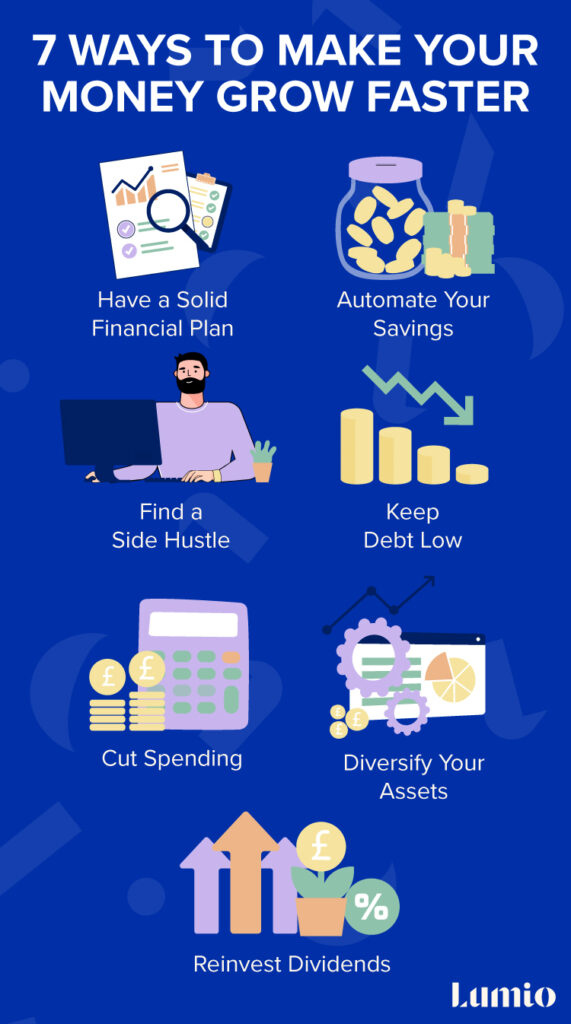
The path to financial independence is no longer a linear climb up a corporate ladder. Instead, it is a strategic assembly of active, passive, and portfolio income. To answer the question “How do you make your money?” one must look beyond the monthly paycheck and explore the systems, skills, and investments that drive true wealth in the 21st century.
The Evolution of Active Income: Building a Foundation of High-Value Skills
Active income—money earned in exchange for your time and effort—remains the primary engine for most individuals. However, the nature of active income has shifted. In the past, loyalty to a single employer was the gold standard. Today, the most successful earners treat their careers as a business, constantly upgrading their “product”—their skills—to meet market demand.
The Shift from Generalist to Specialist
The highest earners in the modern economy are those who possess “high-income skills.” These are specialized abilities that are difficult to automate and in high demand. Skills such as data science, strategic negotiation, full-stack development, and high-ticket sales command a premium because they directly impact a company’s bottom line. By transitioning from a generalist to a specialist, you increase your hourly value, allowing you to earn more in less time, which in turn provides the capital necessary to invest in other income streams.
Leveraging the Freelance and Fractional Economy
The rise of the “fractional” executive and the high-end freelancer has changed the way professionals make money. Instead of being tied to one salary, many are now selling their expertise to multiple clients simultaneously. This not only increases total income potential but also mitigates risk. If one client leaves, the income stream doesn’t dry up completely. This model requires a shift in mindset: you are no longer an employee; you are a service provider operating within a competitive marketplace.
Building Sustainable Passive Income Streams
If active income is the engine, passive income is the fuel that allows the vehicle to run while you sleep. The goal of passive income is to decouple your earnings from your time. While the term is often overused in marketing, the reality of passive income involves significant upfront work or capital to create a system that generates recurring revenue.
Equity and the Power of Compounding
The most time-tested way to make money passively is through equity—owning a piece of a profitable enterprise. This is typically achieved through the stock market. By investing in low-cost index funds or dividend-paying stocks, you are essentially hiring the world’s best CEOs and employees to work for you. Over decades, the power of compounding transforms modest monthly contributions into a substantial nest egg. The key to making money in this niche is not timing the market, but time in the market.
Real Estate and Alternative Assets
Real estate remains a cornerstone of wealth generation. Through rental properties, investors can benefit from three distinct income drivers: monthly cash flow, property appreciation, and mortgage paydown. For those who do not wish to manage physical property, Real Estate Investment Trusts (REITs) and syndications offer a way to participate in large-scale commercial or residential projects with a lower barrier to entry. Additionally, the rise of alternative assets—such as private equity, venture capital, and even fractional ownership in fine art—has provided new avenues for sophisticated investors to diversify their income beyond traditional markets.
The Digital Frontier: Monetizing Expertise and Attention
The internet has democratized the ability to create scalable businesses with near-zero overhead. This “digital frontier” allows individuals to make money by leveraging their knowledge or their ability to capture human attention.

The Creator Economy and Information Products
We are currently in the midst of the creator economy boom. Professionals are making money by packaging their expertise into digital products—E-books, online courses, and paid newsletters. This is the ultimate form of leverage: you create the product once and sell it thousands of times. The marginal cost of replication is zero. Whether it is a software engineer teaching coding through a subscription platform or a financial analyst selling a proprietary valuation model, information products allow for exponential income growth that is disconnected from the 40-hour workweek.
Building and Scaling a Micro-SaaS
Another lucrative avenue in the digital space is the development of Micro-SaaS (Software as a Service) tools. These are small, focused software solutions that solve a specific problem for a specific niche. Because these businesses operate on a subscription model, they provide highly predictable recurring revenue. With the advent of no-code tools and AI-assisted programming, building a software solution no longer requires a team of developers. An individual can identify a gap in the market, build a tool to fix it, and generate thousands of dollars in monthly recurring revenue (MRR) with minimal ongoing maintenance.
Side Hustles and the Bridge to Entrepreneurship
Many people begin their journey of answering “How do you make your money?” by starting a side hustle. A side hustle is more than just a way to make extra cash; it is a low-risk laboratory for entrepreneurship. It allows you to test business ideas, develop new skills, and build a secondary income stream while maintaining the security of a full-time job.
Identifying Market Gaps and Arbitrage
Successful side hustles often start with identifying a market inefficiency. This could be service-based, such as high-end consulting for small businesses, or product-based, such as e-commerce through Amazon FBA or Shopify. E-commerce, in particular, relies on the principle of arbitrage—buying low and selling high—often by sourcing products globally and selling them to a targeted domestic audience. While the competition is high, those who focus on branding and customer experience can build significant equity in a digital storefront.
Automation as a Force Multiplier
The difference between a side hustle that feels like a second job and one that feels like a business is automation. To truly make money efficiently, one must use tools to handle repetitive tasks. This includes using AI for content creation, automated email sequences for marketing, and outsourced fulfillment for physical products. By automating the “busy work,” you can focus on the high-level strategy that actually moves the needle on profitability.
Strategic Financial Management: Keeping What You Earn
Making money is only half of the equation; keeping it is the other half. High earners often find that as their income increases, so do their expenses and tax liabilities—a phenomenon known as lifestyle creep. True wealth is built through the disciplined management of the money you have already made.
Tax Efficiency and Legal Structures
One of the most overlooked aspects of making money is tax strategy. How you earn your money determines how much of it you keep. For example, income from long-term capital gains is often taxed at a lower rate than ordinary income from a salary. Entrepreneurs and freelancers can also use legal structures like LLCs or S-Corps to optimize their tax burden and deduct business expenses. Understanding the tax code is not about evasion; it is about using the rules of the game to ensure your wealth is not eroded by inefficiency.

The Psychological Blueprint of Wealth
Ultimately, how you make your money is heavily influenced by your mindset toward risk and reward. The transition from a “scarcity mindset” (focused on saving every penny) to an “abundance mindset” (focused on creating value and scaling assets) is often the catalyst for a significant jump in net worth. Financial mastery requires the emotional intelligence to stay the course during market volatility and the intellectual curiosity to keep searching for new opportunities in an ever-changing economy.
In conclusion, the answer to “How do you make your money?” is rarely found in a single activity. It is the result of a deliberate strategy that combines the high-value application of your time with the intelligent allocation of your capital. By building a portfolio of skills, assets, and digital systems, you create a financial engine that is resilient, scalable, and capable of generating wealth in any economic environment.
aViewFromTheCave is a participant in the Amazon Services LLC Associates Program, an affiliate advertising program designed to provide a means for sites to earn advertising fees by advertising and linking to Amazon.com. Amazon, the Amazon logo, AmazonSupply, and the AmazonSupply logo are trademarks of Amazon.com, Inc. or its affiliates. As an Amazon Associate we earn affiliate commissions from qualifying purchases.