
The cryptocurrency landscape, born from the innovative spirit of Bitcoin, has evolved into a vast and complex digital economy. At its heart lies the ability to create new digital assets, often referred to as “crypto coins” or “tokens.” Far from a simple click-and-create process, developing a cryptocurrency involves a deep understanding of blockchain technology, cryptography, distributed systems, and smart contract programming. This article delves into the technical blueprints and tools required to bring a new crypto asset into existence, focusing exclusively on the technological aspects of its creation.
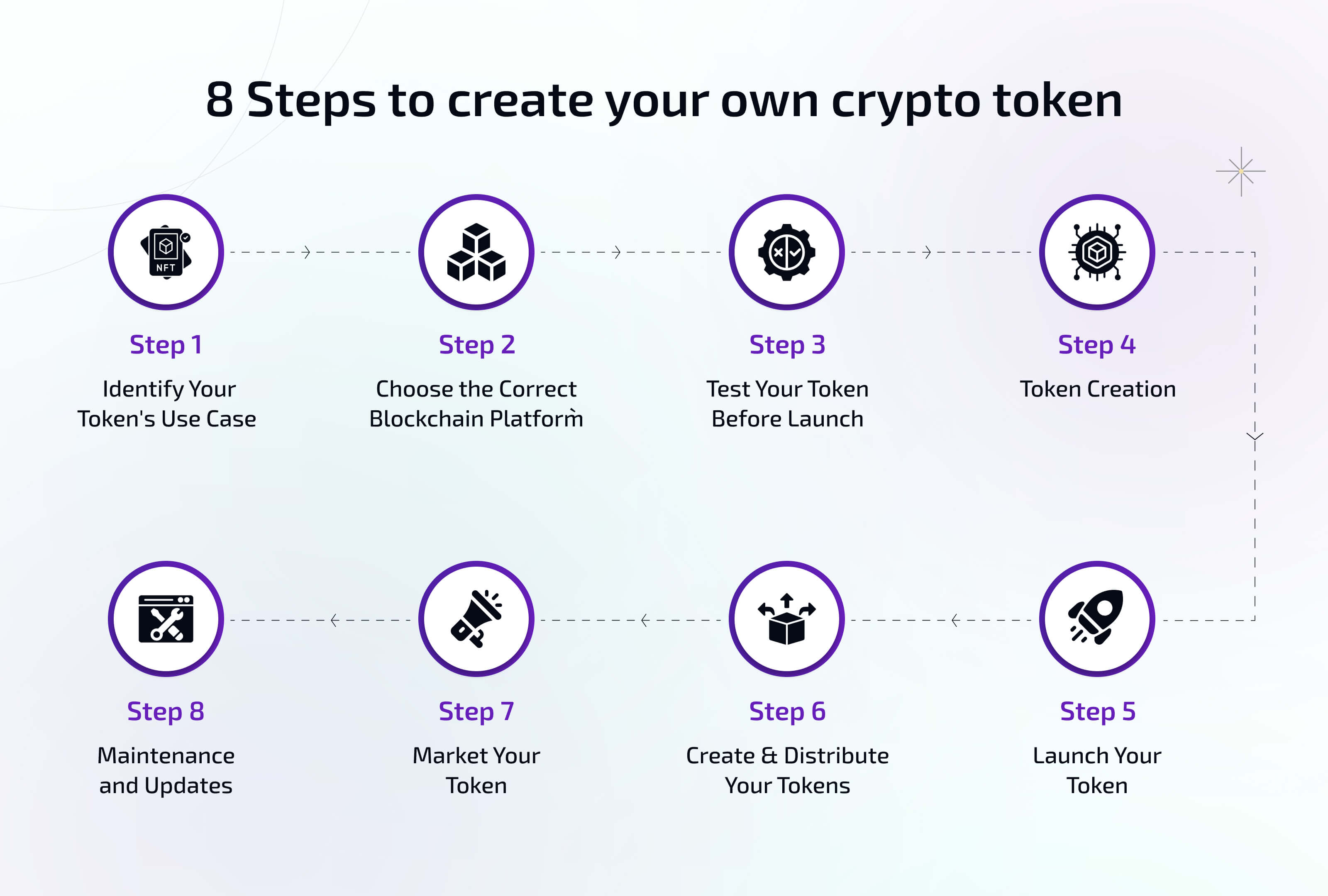
Deconstructing the Core Technology: Blockchain Fundamentals
Before embarking on the creation of a crypto coin, it is imperative to grasp the underlying technology that powers it: the blockchain. A cryptocurrency is fundamentally an entry on a distributed, immutable ledger, and understanding this foundation is the first step in its technical design.
The Immutable Ledger: What is a Blockchain?
At its simplest, a blockchain is a decentralized database shared across a network of computers (nodes). Each “block” in the chain contains a list of transactions, and once a block is added, it cannot be altered, making the ledger immutable. This immutability is achieved through cryptographic hashing: each block contains a hash of the previous block, creating a secure, chronological chain. When a new transaction occurs, it’s broadcast to the network, verified by nodes, and then bundled into a new block. This distributed nature eliminates the need for a central authority, making the system resistant to censorship and single points of failure. From a technical perspective, the efficiency and security of this data structure are paramount for any coin built upon it.
Ensuring Integrity: Consensus Mechanisms
To maintain the integrity and agreement across all nodes in a decentralized network, a consensus mechanism is required. This technical protocol determines how transactions are validated and new blocks are added to the chain. The two most prominent mechanisms are:
-
Proof of Work (PoW): As seen with Bitcoin and Ethereum (prior to its transition to PoS), PoW requires “miners” to solve complex computational puzzles to validate transactions and create new blocks. The first miner to find a solution (a “nonce” that, when combined with the block data, results in a hash below a target value) proposes the new block. This process is resource-intensive but offers robust security against malicious attacks, as altering the chain would require redoing immense computational work. The technical challenge here lies in designing efficient hashing algorithms and difficulty adjustments.
-
Proof of Stake (PoS): Newer blockchains and upgraded versions (like Ethereum 2.0) utilize PoS. Instead of computational power, validators “stake” a certain amount of the cryptocurrency as collateral to participate in block validation. The probability of being chosen to validate a block is proportional to the amount staked. PoS is significantly more energy-efficient and scalable than PoW, relying on economic incentives rather than brute force computation. Technically, this involves complex smart contracts to manage staking, slashing conditions, and validator selection algorithms.
The choice of consensus mechanism profoundly impacts a coin’s security model, transaction throughput, and environmental footprint, all critical technical considerations.
Programmable Logic: The Power of Smart Contracts
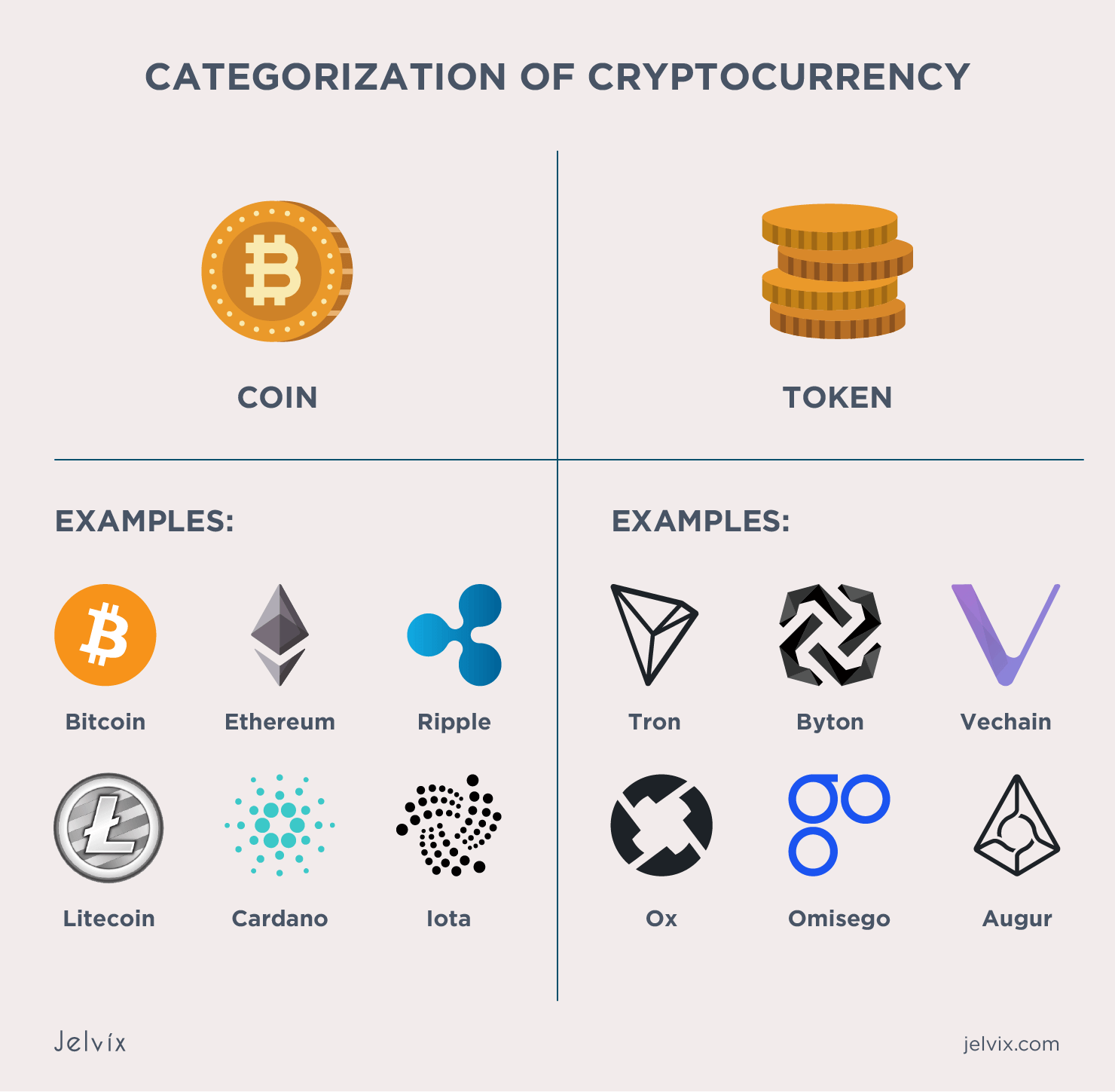
Many modern crypto coins, especially those on platforms like Ethereum, are not standalone blockchains but rather tokens implemented as smart contracts. A smart contract is a self-executing contract with the terms of the agreement directly written into lines of code. These programs run on the blockchain, executing automatically when predefined conditions are met.
Technically, smart contracts are deterministic programs stored on a blockchain that can hold assets and perform actions. They enable the creation of decentralized applications (dApps) and various types of tokens (fungible, non-fungible, utility). For instance, an ERC-20 token on Ethereum is a smart contract that adheres to a specific technical standard, defining functions for transferring tokens, checking balances, and approving spending. Their immutability and verifiable execution provide a powerful foundation for complex digital economies.
Choosing Your Development Path: Platform Selection
The decision of where to build your crypto coin is perhaps the most critical technical choice. This largely dictates the complexity, tools, and expertise required for development.
Building from the Ground Up: Layer 1 Blockchain Creation
Creating an entirely new blockchain, often called a Layer 1 solution, is the most ambitious and technically challenging path. This involves designing and implementing every component: the consensus mechanism, networking protocols, cryptography, transaction validation rules, and the native token.
This endeavor demands deep expertise in distributed systems, network architecture, cryptography, and low-level programming languages (like Go, Rust, or C++). Frameworks such as the Cosmos SDK or Parity Substrate significantly streamline this process by providing modular components and pre-built libraries, allowing developers to focus on custom logic rather than reinventing core blockchain infrastructure. While offering ultimate control and customization, Layer 1 development is typically reserved for projects aiming to innovate fundamentally on blockchain technology itself.
Leveraging Existing Infrastructure: Token Creation on Layer 2
For most projects, creating a token on an existing, established blockchain (a Layer 2 solution in this context) is the more practical and efficient approach. Platforms like Ethereum, Binance Smart Chain (BSC), Polygon, Solana, and Avalanche provide robust, secure, and well-supported environments.
-
Ethereum Virtual Machine (EVM)-compatible chains (Ethereum, BSC, Polygon, Avalanche): These chains support smart contracts written in Solidity and execute within the EVM. The technical advantage here is access to a vast ecosystem of developer tools, documentation, security standards (like ERC-20 for fungible tokens and ERC-721/ERC-1155 for NFTs), and a large developer community. Creating a token here primarily involves writing and deploying a smart contract that conforms to one of these standards.
-
Solana: Offering high throughput and low transaction fees, Solana uses the Rust programming language for its smart contracts. Its architecture is distinct from EVM chains, providing a different set of performance characteristics and development paradigms.
-
Other Platforms: Each platform (e.g., Cardano, Polkadot) has its own technical specifications, programming languages (Haskell for Cardano, Rust for Polkadot via Substrate), and tooling, requiring developers to adapt to their specific ecosystems.
The technical benefits of using an existing platform include inheriting its security model, leveraging its network effects, and significantly reducing development time and cost compared to building a new Layer 1.
The ‘Fork’ Approach: Modifying Open-Source Code
Another method, less common for entirely new tokens but historically significant for altcoins, is to “fork” an existing open-source blockchain project (e.g., Bitcoin or Litecoin). This involves taking the existing codebase, making modifications, and launching a new, separate chain.
Technically, this means understanding and altering the core blockchain code, which could include changes to parameters like block time, block size, consensus rules, or even the hashing algorithm. While it leverages existing, battle-tested code, it also inherits any technical limitations or security vulnerabilities present in the original. Furthermore, maintaining and upgrading a forked codebase requires ongoing technical expertise similar to that for Layer 1 development.
The Technical Process of Token Creation
Once a platform is chosen, the actual technical creation of the coin involves several distinct phases, primarily centered around smart contract development and deployment.
Defining the Digital Blueprint: Tokenomics and Technical Parameters
Before writing any code, the technical specifications of the token must be precisely defined. This “tokenomics” from a technical viewpoint includes:
-
Total Supply: The maximum number of tokens that will ever exist.
-
Decimals: How divisible the token is (e.g., 18 decimals for Ethereum’s native Ether). This is a crucial programming detail for arithmetic accuracy.
-
Minting/Burning Capabilities: Whether new tokens can be created or existing ones destroyed, and under what programmatic conditions.
-
Pause Functionality: A technical safeguard allowing contract owners to temporarily halt transfers in emergencies (e.g., security breach).
-
Governance Features: If the token enables voting or other governance mechanisms, the smart contract must contain the logic for these functions.
These parameters are not just economic decisions; they are directly translated into the code of the smart contract.
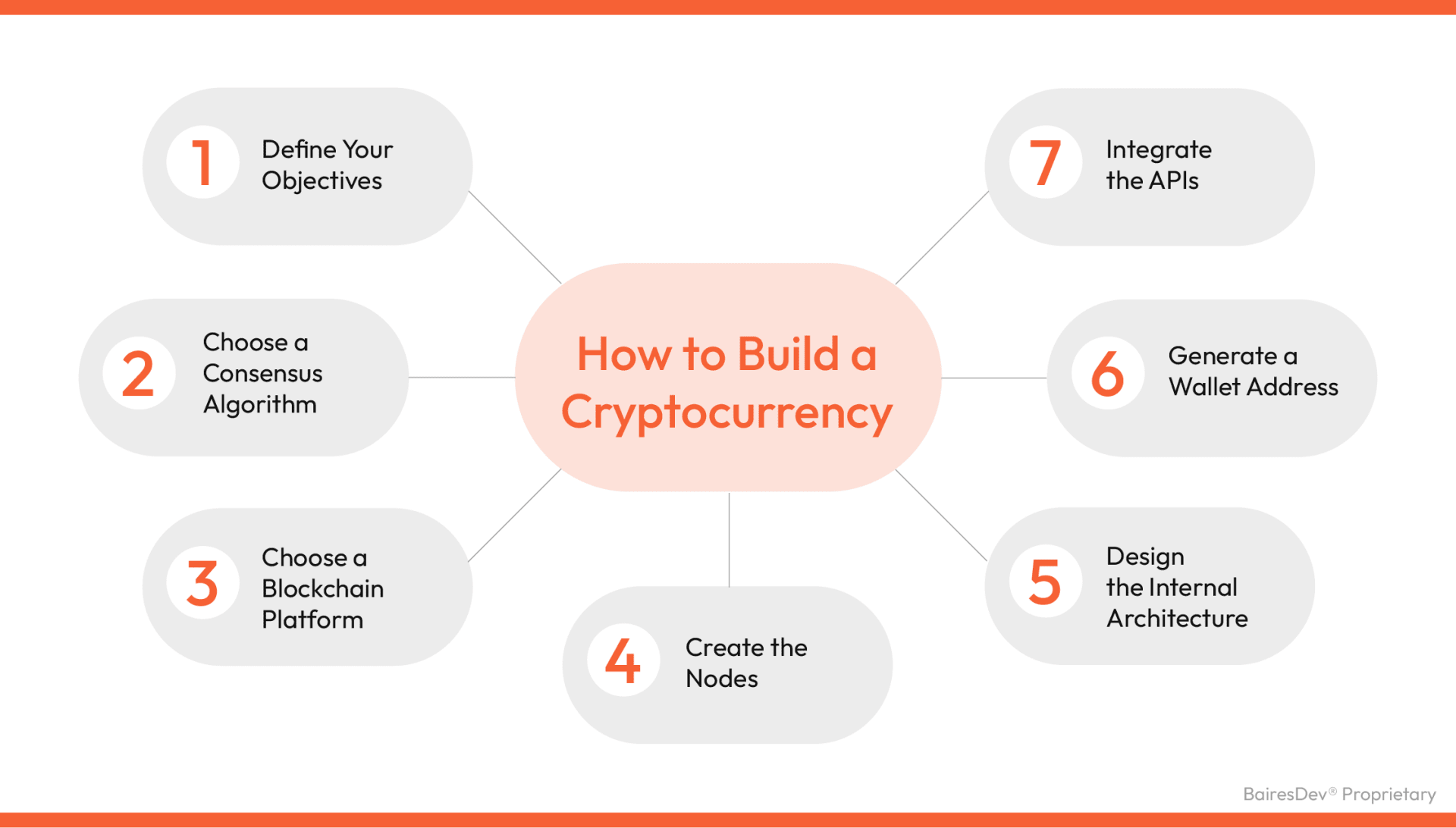
Coding the Contract: Smart Contract Development
This is the core technical phase. Using a language like Solidity (for EVM-compatible chains) or Rust (for Solana, Polkadot), developers write the smart contract code. A standard fungible token (like ERC-20) contract typically includes functions for:
-
totalSupply(): Returns the total number of tokens. -
balanceOf(address account): Returns the token balance of an address. -
transfer(address recipient, uint256 amount): Transfers tokens to another address. -
approve(address spender, uint256 amount): Allows aspenderto withdraw tokens from the owner’s account. -
transferFrom(address sender, address recipient, uint256 amount): Transfers tokens from one address to another, often after anapprovecall.
Libraries like OpenZeppelin Contracts provide highly audited and secure implementations of these standards, significantly reducing development time and risk by offering modular, reusable components. Developers customize these templates with their specific tokenomics and additional functionalities.
Fortifying Against Vulnerabilities: Security Audits and Best Practices
Given the immutable nature of blockchain and the potential for financial loss, security is paramount. Smart contract code must undergo rigorous technical scrutiny.
-
Code Review: Peer review of the codebase to identify logical errors, inefficiencies, and potential vulnerabilities.
-
Unit and Integration Testing: Writing comprehensive tests to ensure each function behaves as expected under various scenarios.
-
Formal Verification: Using mathematical methods to prove the correctness of algorithms and protocols, ensuring the code adheres to its specification.
-
Third-Party Audits: Engaging specialized blockchain security firms to conduct in-depth analyses of the smart contract for common attack vectors such as reentrancy, integer overflow/underflow, access control issues, and denial-of-service vulnerabilities. This is a critical step before deploying any production-ready token.
Neglecting security can lead to catastrophic financial losses and reputational damage.
Bringing it to Life: Deployment to the Blockchain
Once the smart contract is coded, tested, and audited, it’s ready for deployment. This process involves:
-
Compiling the Contract: Transforming the human-readable source code (e.g., Solidity) into bytecode that the blockchain’s virtual machine (e.g., EVM) can execute.
-
Interacting with the Blockchain: Using development tools like Remix IDE (for simple contracts), Truffle Suite, or Hardhat (for complex projects) to connect to a blockchain network (testnet first, then mainnet).
-
Transaction Submission: Sending a transaction to the network that contains the compiled bytecode. This transaction requires “gas fees” (paid in the native cryptocurrency of the blockchain, like ETH for Ethereum) to compensate validators for processing and storing the contract.
-
Contract Address: Upon successful deployment, the contract receives a unique address on the blockchain, becoming accessible to anyone.
Post-Deployment Technical Infrastructure
The creation of the token contract is just the beginning. For a crypto coin to be truly functional and usable, it requires integration into the broader blockchain ecosystem.
Interfacing with Your Creation: Wallet Integration
For users to hold, send, and receive your new coin, wallets must be able to recognize and interact with it. Technically, this means ensuring the token adheres to widely adopted standards (like ERC-20) so that existing wallet software (e.g., MetaMask, Trust Wallet) can automatically discover or be easily configured to display balances and facilitate transactions. This involves providing users with the token’s contract address, symbol, and decimals. Advanced wallets might even integrate with the token’s specific smart contract functions beyond basic transfers.
Enabling Trade: Liquidity Pools and DEX Integration
For a crypto coin to have practical utility, it must be tradeable. Decentralized Exchanges (DEXs) facilitate this through smart contract-based automated market makers (AMMs). To list a token on a DEX (like Uniswap or PancakeSwap), developers must:
-
Provide Liquidity: Deposit an equivalent value of the new token and another established cryptocurrency (e.g., ETH, USDT) into a liquidity pool smart contract. This provides the necessary assets for users to swap between the two.
-
Interact with DEX Routers: The DEX’s router smart contract provides the interface for users to swap tokens against these pools. The technical mechanism of an AMM involves an algorithm (e.g.,
x * y = k) that maintains a constant product between the reserves of the two tokens in the pool, dynamically adjusting prices based on demand.
Expanding Reach: Bridging and Cross-Chain Compatibility
In an increasingly multi-chain world, enabling your token to move between different blockchains (e.g., from Ethereum to Polygon) can significantly enhance its utility. This requires technical solutions known as “bridges.”
Bridges typically involve a smart contract locking tokens on the source chain while an equivalent number of “wrapped” tokens are minted on the destination chain. Conversely, burning wrapped tokens on the destination chain unlocks the original tokens. Implementing and securing these bridges is a highly complex technical challenge, often involving multiple smart contracts, relayers, and sophisticated security mechanisms to prevent exploits.
Essential Tools and Developer Ecosystems
The journey of creating a crypto coin is heavily reliant on a suite of specialized development tools and a vibrant ecosystem.
Integrated Development Environments (IDEs)
-
Remix IDE: A web-based IDE primarily for Solidity, excellent for quickly prototyping, testing, and deploying smart contracts on EVM chains.
-
VS Code: A highly popular code editor with numerous extensions for Solidity, Rust, and other blockchain-relevant languages, offering advanced features like syntax highlighting, debugging, and linting.
Frameworks and Libraries
-
Truffle Suite: A comprehensive framework for Ethereum development, including tools for compiling contracts, running tests, and deploying to various networks.
-
Hardhat: Another powerful Ethereum development environment, offering a flexible and extensible platform for building dApps and smart contracts, known for its strong testing capabilities.
-
OpenZeppelin Contracts: A widely used library of secure and audited smart contracts for common functionalities (ERC-20, ERC-721, access control, etc.), drastically reducing boilerplate code and security risks.
Programming Languages
-
Solidity: The primary language for writing smart contracts on Ethereum and other EVM-compatible blockchains.
-
Rust: Gaining prominence for high-performance blockchains like Solana, Polkadot (via Substrate), and Near Protocol due to its memory safety and speed.
-
Go (Golang): Used for building core blockchain infrastructure, such as node implementations (e.g., Geth for Ethereum) and new Layer 1 protocols (e.g., Cosmos SDK).
-
JavaScript/TypeScript: Essential for interacting with deployed smart contracts from front-end applications (dApps) using libraries like Web3.js or Ethers.js.
Blockchain Explorers and Testnets
-
Blockchain Explorers (e.g., Etherscan, BscScan): Technical tools for viewing all transactions, blocks, and smart contract details on a blockchain. Indispensable for debugging and verifying deployments.
-
Testnets (e.g., Sepolia for Ethereum, Mumbai for Polygon): Replicas of the main blockchain network where developers can deploy and test contracts without using real funds, offering a safe sandbox for technical experimentation.
-
Ganache: A personal Ethereum blockchain for local development, allowing instant feedback and complete control over the blockchain environment.
Creating a crypto coin is a sophisticated technical undertaking that requires a blend of cryptographic understanding, software engineering prowess, and an awareness of distributed system design. It is not merely a financial or branding exercise but a deep dive into the practical application of cutting-edge technology. The ongoing evolution of blockchain platforms and development tools continues to shape and redefine the technical pathways available to innovators in this dynamic space.
aViewFromTheCave is a participant in the Amazon Services LLC Associates Program, an affiliate advertising program designed to provide a means for sites to earn advertising fees by advertising and linking to Amazon.com. Amazon, the Amazon logo, AmazonSupply, and the AmazonSupply logo are trademarks of Amazon.com, Inc. or its affiliates. As an Amazon Associate we earn affiliate commissions from qualifying purchases.