
In an increasingly digital financial landscape, tools like Cash App have revolutionized the way many individuals manage their money, send funds, and make purchases. At the heart of this convenience for many users is the Cash App Card – a customizable, free debit card directly linked to your Cash App balance. Understanding how to effectively load and manage funds on this card is crucial for maximizing its utility as a powerful personal finance tool. This guide delves into the various methods for funding your Cash App Card, outlining the processes, considerations, and best practices to ensure your financial transactions are seamless and secure.
Understanding Your Cash App Card and Its Functions
Before diving into the mechanics of loading, it’s essential to grasp what the Cash App Card is and how it integrates into your overall financial picture. This foundational understanding empowers you to use it more strategically for your personal finance goals.
What is the Cash App Card?
The Cash App Card is a Visa debit card directly associated with your Cash App balance. Unlike traditional bank debit cards that pull from a checking or savings account, the Cash App Card uses the funds you hold within your Cash App account. It functions like any other debit card, allowing you to make purchases online, in stores, and withdraw cash from ATMs (though ATM withdrawals often incur a fee). Its distinctive feature is its direct link to your digital Cash App wallet, providing a tangible way to spend the funds you receive or hold within the app.
Why Use a Cash App Card?
The appeal of the Cash App Card extends beyond mere convenience. For many, it serves as a valuable financial instrument for several reasons:
- Budgeting: It can act as a dedicated spending card for specific categories, helping users stick to a budget by only loading the allocated amount for things like groceries or entertainment.
- Accessibility: For those without traditional bank accounts, it offers a pathway to participate in digital transactions and cashless payments.
- Instant Access to Funds: Money received via Cash App, whether from friends, family, or direct deposits, is immediately available on your card for use, bypassing typical bank transfer delays.
- Security: By isolating a portion of your funds on Cash App, you can limit exposure in case of fraud compared to carrying a traditional debit card linked to your primary bank account.
- Ease of Use: Managing your card and balance directly through the intuitive Cash App interface makes tracking expenditures and making adjustments straightforward.
The Link Between Your Card and Your Cash App Balance
It’s critical to remember that the Cash App Card does not hold funds independently. Instead, it is a direct conduit to your Cash App balance. When you “load” your Cash App Card, you are actually adding money to your overall Cash App balance. Any transactions made with the card will draw directly from this available balance. This seamless integration means that if your Cash App balance is empty, your card cannot be used until more funds are added to the app.
Direct Methods for Loading Your Cash App Card
The most straightforward ways to load your Cash App Card involve digital transfers directly into your Cash App account. These methods offer speed and convenience, making them preferred choices for many users.
Linking an External Bank Account
One of the most common and versatile methods for funding your Cash App Card is by linking an external bank account. This allows you to transfer money from your traditional checking or savings account directly to your Cash App balance.
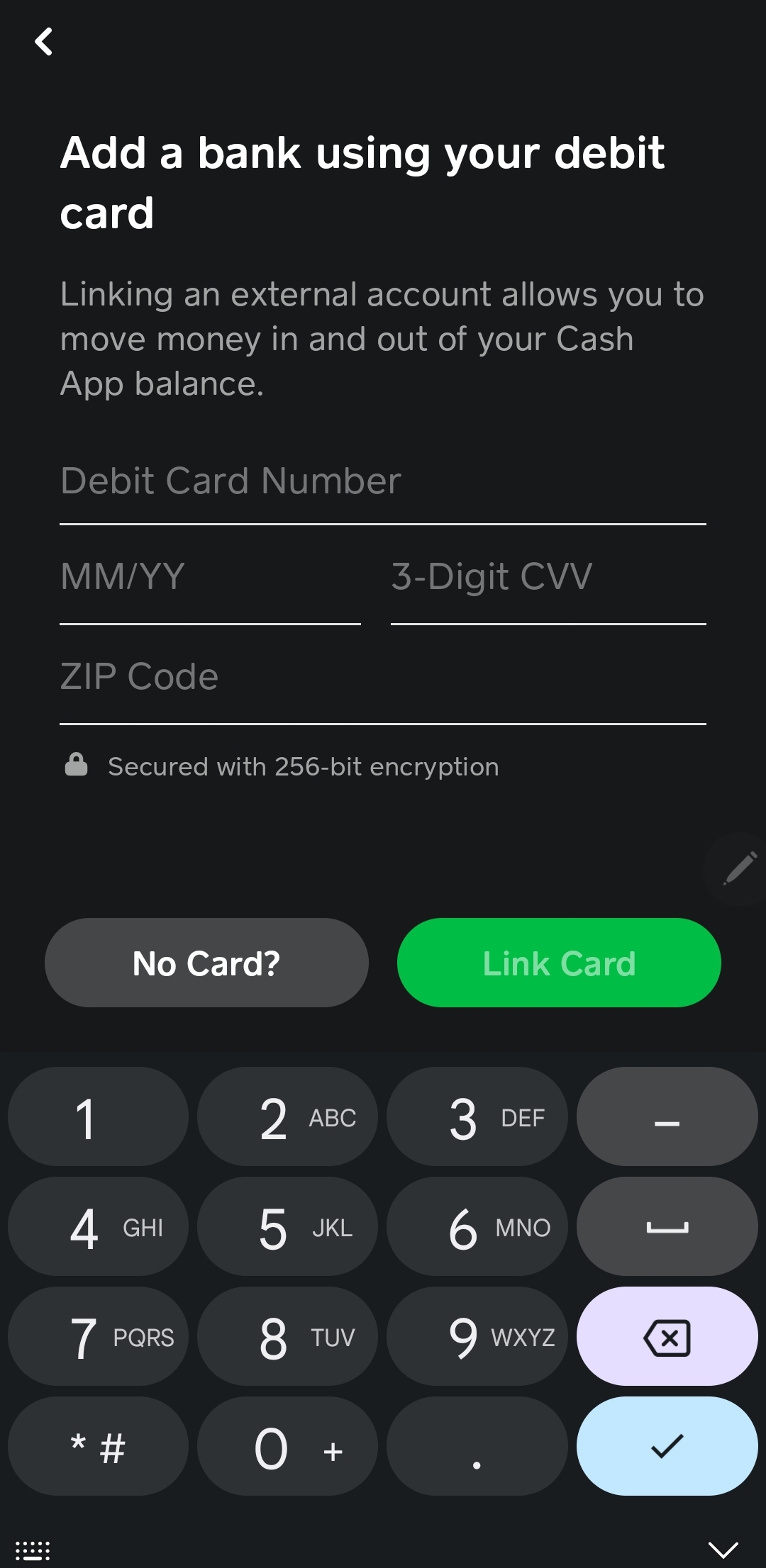
- Link Your Bank: Within the Cash App, navigate to the “Banking” or “Money” tab and select “Link Bank.” You’ll be prompted to search for your bank and then securely log in using your online banking credentials. This usually involves a secure third-party service like Plaid.
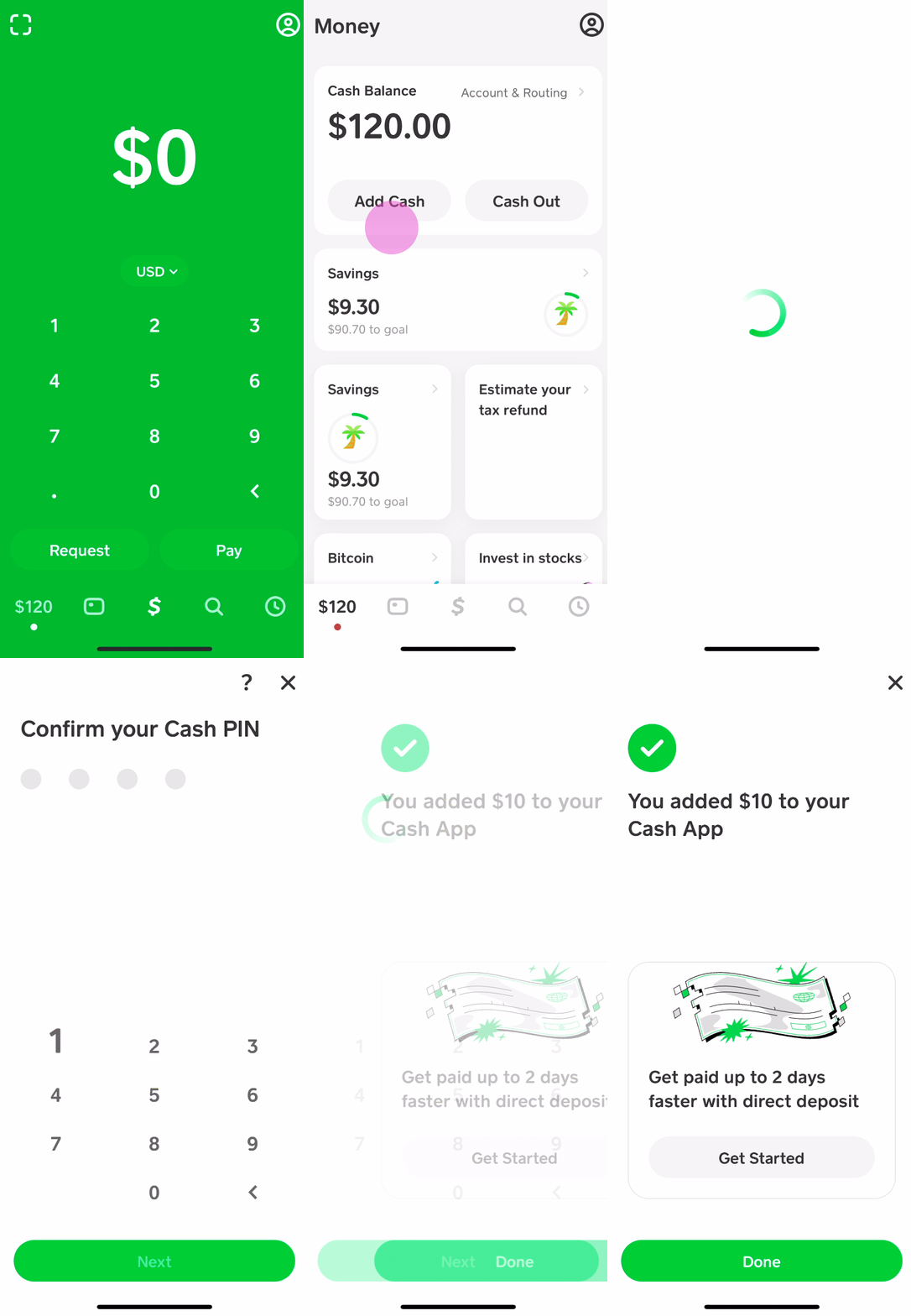
- Add Cash: Once linked, you can tap the “Add Cash” button. You’ll enter the desired amount you wish to transfer from your linked bank account to your Cash App balance.
- Instant vs. Standard Deposit: Cash App typically offers two options: standard deposits are usually free but can take 1-3 business days to process, while instant deposits come with a small fee (often 0.5% to 1.75%) but make funds available immediately. Carefully consider your urgency and cost tolerance.
This method is ideal for regular top-ups and for transferring larger sums from your primary financial institution.
Receiving Funds from Other Cash App Users
Cash App’s peer-to-peer payment functionality is one of its core strengths. If you need to load your card and someone owes you money or is sending you funds, they can instantly send it to your Cash App account.
- Request or Receive: You can request money from another Cash App user by sharing your $Cashtag (your unique username) or phone number/email associated with your account. Alternatively, they can send money to you directly using your $Cashtag.
- Instant Availability: Once the sender confirms the transfer, the funds appear in your Cash App balance almost instantly. These funds are immediately available for use with your Cash App Card.
This method is particularly useful for splitting bills, receiving payments from friends or family, or for small business owners receiving payments for goods or services.
Direct Deposit from Your Employer or Benefits Provider
For a consistent and hands-off approach to loading your Cash App Card, setting up direct deposit is an excellent option. This turns your Cash App into a primary financial hub, allowing your paycheck or government benefits to land directly in your account.
- Access Direct Deposit Info: In the Cash App, go to the “Banking” or “Money” tab and look for the “Direct Deposit” option. Here, you will find your unique Cash App account number and routing number.
- Provide Info to Payer: Share these details with your employer’s HR or payroll department, or your benefits provider (e.g., Social Security, unemployment office). They will typically have a form for you to fill out to initiate direct deposit.
- Automatic Loading: Once set up, your regular payments will automatically be deposited into your Cash App balance on your payday or scheduled payment date, instantly funding your Cash App Card for use.
Setting up direct deposit streamlines your financial flow, providing immediate access to your income and making your Cash App Card a central component of your personal finance management.
Loading Cash at Retail Locations
While digital transfers are convenient, sometimes you need to load physical cash onto your Cash App Card. Cash App facilitates this through a network of participating retail stores, offering a crucial bridge between the physical and digital financial worlds.
Finding Participating Retailers
Cash App has partnered with various major retailers across the United States to allow cash deposits. Common locations include:
- Walmart
- 7-Eleven
- CVS
- Dollar General
- Walgreens
- Family Dollar
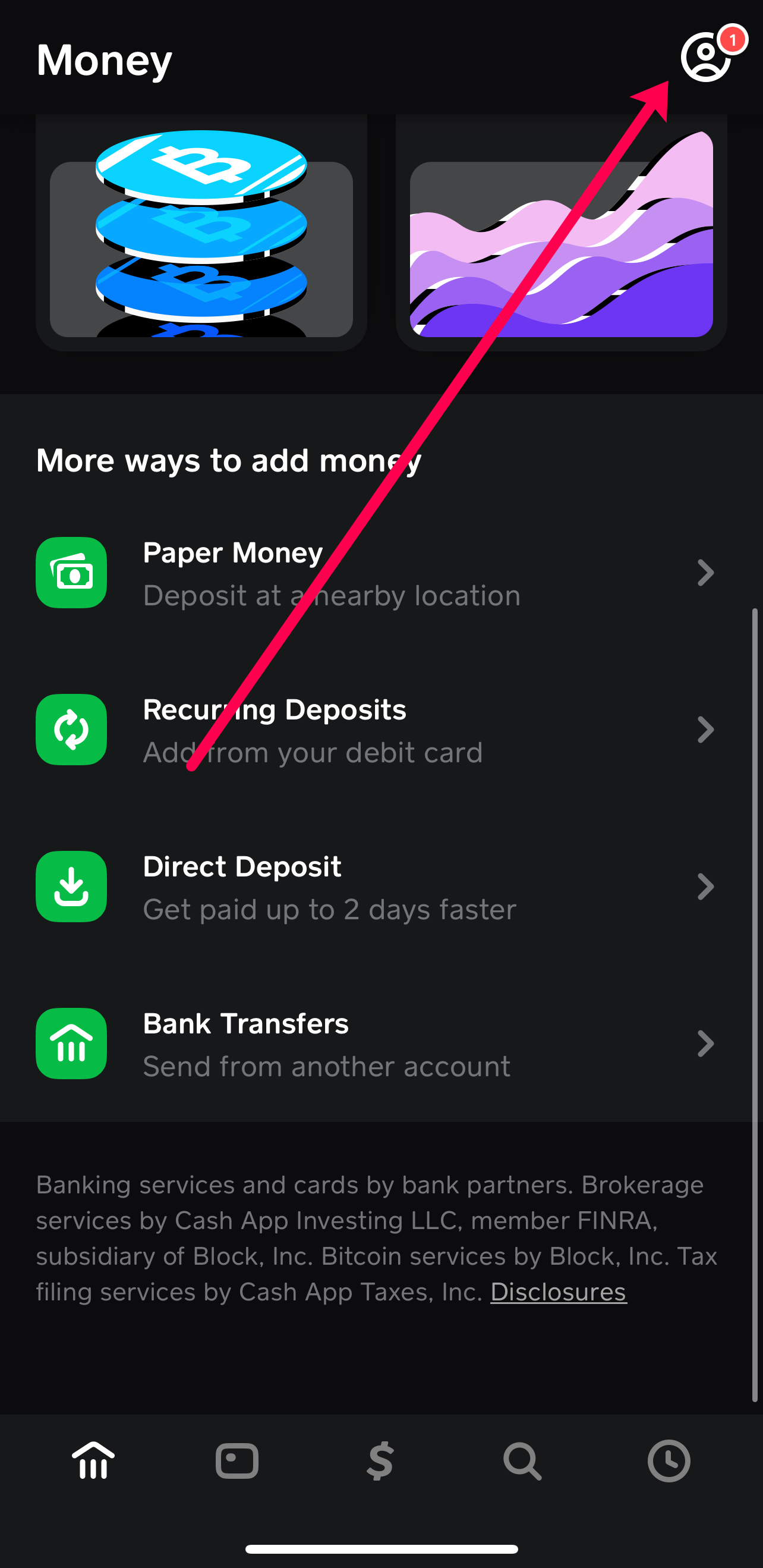
To find the nearest participating location, you can often use the “Paper Money” or “Deposit Cash” feature within your Cash App, which may provide a map or list of nearby stores. Alternatively, look for signs indicating Cash App services at the customer service desk or cashier.
The Process of Adding Cash In-Store
The procedure for depositing physical cash is generally straightforward:
- Inform the Cashier: Approach the cashier or customer service desk and state that you wish to “add money to your Cash App” or “load cash to Cash App.”
- Generate a Barcode (or Provide Phone Number): The cashier will typically ask for your phone number associated with your Cash App account, or you may need to open your Cash App, go to the “Banking” or “Money” tab, select “Paper Money” or “Deposit Cash,” and generate a unique barcode.
- Hand Over Cash: Provide the cashier with the cash amount you wish to deposit. There might be a minimum and maximum transaction limit, typically ranging from $5 to $500 or $1,000 per transaction, and daily/weekly limits may apply.
- Pay the Fee: Be aware that most retail locations charge a small fee for this service, often around $1.00 to $5.00, which will be added to your total transaction. Confirm the fee before proceeding.
- Confirm Deposit: The cashier will scan the barcode or enter your phone number. Once the transaction is complete, the funds should appear in your Cash App balance almost immediately. Always keep your receipt as proof of deposit.
Important Considerations for Retail Loads
While convenient, loading cash at retail locations comes with a few considerations:
- Fees: Always factor in the retail service fee. While small, these can add up if you make frequent cash deposits.
- Transaction Limits: Be mindful of daily, weekly, and per-transaction limits set by both Cash App and the individual retailers. If you need to deposit a large sum, you might need to make multiple trips or consider alternative methods.
- Privacy: When providing your phone number or scanning a barcode, ensure you are in a secure environment and that the transaction is being handled by a legitimate store employee.
- Receipts: Always retain the physical receipt provided by the retailer until you confirm the funds have appeared in your Cash App balance. This serves as vital proof of your transaction in case of any discrepancies.
Managing Your Cash App Balance: Fees, Limits, and Security
Effective financial management with your Cash App Card involves more than just knowing how to load it. It also requires understanding the associated costs, limits, and crucial security measures.
Understanding Loading Fees
While Cash App itself offers many free services, certain actions and payment methods do incur fees:
- Instant Deposits from Linked Banks: As mentioned, transferring funds instantly from a linked bank account usually comes with a fee (e.g., 0.5% to 1.75%). Standard deposits are generally free.
- Retail Cash Deposits: Almost all participating retail locations charge a fee for processing cash deposits, typically $1.00 to $5.00 per transaction.
- ATM Withdrawals: While you can use your Cash App Card at ATMs, Cash App charges a fee for withdrawals unless you meet certain direct deposit criteria (e.g., receiving at least $300 in direct deposits per month to waive the fee). Always check the ATM’s fees as well.
Being aware of these fees allows you to make informed decisions about the most cost-effective ways to manage your funds.
Transaction and Loading Limits
Cash App implements various limits to protect users and comply with financial regulations. These limits can vary based on whether your account is verified and the type of transaction:
- Unverified Accounts: Typically have lower limits for sending, receiving, and withdrawing funds. For instance, you might be limited to sending $250 per week and receiving $1,000 per 30 days.
- Verified Accounts: By providing your full legal name, date of birth, and the last four digits of your Social Security Number (or full SSN), you can significantly increase these limits. Verified accounts generally have much higher sending and receiving limits (e.g., sending up to $7,500 per week, receiving unlimited amounts).
- Retail Load Limits: As noted, cash deposits at retailers also have daily/weekly limits, which can vary by store and Cash App policy.
Always check your specific account limits within the Cash App to avoid unexpected transaction failures.
Safeguarding Your Funds and Information
Security is paramount when dealing with any financial tool. Cash App employs robust security features, but user vigilance is equally important:
- Strong Passwords/PINs: Use a unique, strong password for your Cash App account and enable a PIN or fingerprint/Face ID for app access.
- Two-Factor Authentication (2FA): Always enable 2FA for an added layer of security, typically involving a code sent to your phone or email.
- Beware of Scams: Be highly suspicious of unsolicited messages asking for your Cash App login details, promising free money, or requesting you send money to claim a prize. Cash App will never ask for your PIN or full login information.
- Monitor Transactions: Regularly review your Cash App activity log for any unauthorized transactions. Report suspicious activity immediately.
- Secure Devices: Ensure your mobile device is protected with a strong passcode, and avoid using Cash App on public Wi-Fi networks if possible, due to potential security risks.
By following these practices, you can significantly reduce the risk of fraud and ensure your funds remain secure.
Optimizing Your Cash App Card Usage for Financial Management
Beyond merely loading and spending, the Cash App Card can be a potent instrument for enhancing your personal financial management, especially when integrated thoughtfully into your budgeting and spending habits.
Budgeting with Your Cash App Card
One of the most effective ways to leverage your Cash App Card for financial discipline is by using it as a dedicated budgeting tool.
- Category-Specific Spending: Load specific amounts onto your Cash App balance for discretionary spending categories like entertainment, dining out, or shopping. Once those funds are depleted, you know you’ve hit your budget for that category.
- Allowance System: For personal allowances or managing funds for younger family members (with appropriate oversight), the Cash App Card can function as a pre-loaded allowance card, teaching financial responsibility within controlled limits.
- Emergency Fund Isolation: While not recommended for primary emergency savings, some users might keep a small, accessible emergency fund on Cash App for immediate, unexpected expenses, separate from their main bank accounts.
This approach provides a clear visual and functional separation of funds, making it easier to track and control expenditures in real-time.
Integrating with Other Financial Tools
The digital nature of Cash App means it can often be integrated with or complement other financial management applications.
- Spending Trackers: Many budgeting apps allow you to link your Cash App account, automatically importing transactions for a comprehensive overview of your spending habits.
- Bill Pay Reminders: While Cash App itself doesn’t typically handle complex bill pay directly, by using it as a central hub for income, you can ensure funds are available to then transfer to pay bills via other platforms or directly from your linked bank account.
- Savings Goals: While Cash App offers basic savings features, integrating with dedicated savings apps can help you funnel excess funds from your Cash App balance towards specific long-term financial goals.
By viewing Cash App as one component of a broader financial ecosystem, you can create a more robust and interconnected system for managing your money.
Best Practices for Seamless Funding
To ensure you always have access to funds when you need them, consider these best practices:
- Regular Balance Checks: Periodically check your Cash App balance, especially before making significant purchases.
- Understand Transfer Times: Be mindful of the difference between instant and standard transfer times when moving money from your bank account. Plan ahead for larger, non-urgent transfers to avoid instant transfer fees.
- Proactive Loading: Don’t wait until your balance is zero. Top up your Cash App Card a day or two before you anticipate needing funds, particularly if relying on slower transfer methods or retail deposits that might have specific hours.
- Verify Direct Deposit Setup: If using direct deposit, confirm with your employer or provider that the setup is correct and monitor the first few deposits to ensure they arrive as expected.
By adopting these habits, you can transform your Cash App Card from a simple payment method into a reliable and efficient personal financial asset.
Conclusion
The Cash App Card stands as a versatile and accessible financial tool, empowering users with instant access to their funds and a convenient way to manage daily expenditures. Whether you prefer the immediacy of digital transfers from a linked bank account or other Cash App users, the consistency of direct deposit, or the flexibility of cash loads at retail locations, Cash App offers multiple avenues to fund your card. By understanding these methods, recognizing associated fees and limits, and prioritizing robust security practices, you can harness the full potential of your Cash App Card. Integrating it thoughtfully into your personal finance strategy, from budgeting to seamless fund management, ensures that this digital debit card becomes a truly invaluable asset in navigating your financial life with ease and confidence.
aViewFromTheCave is a participant in the Amazon Services LLC Associates Program, an affiliate advertising program designed to provide a means for sites to earn advertising fees by advertising and linking to Amazon.com. Amazon, the Amazon logo, AmazonSupply, and the AmazonSupply logo are trademarks of Amazon.com, Inc. or its affiliates. As an Amazon Associate we earn affiliate commissions from qualifying purchases.