
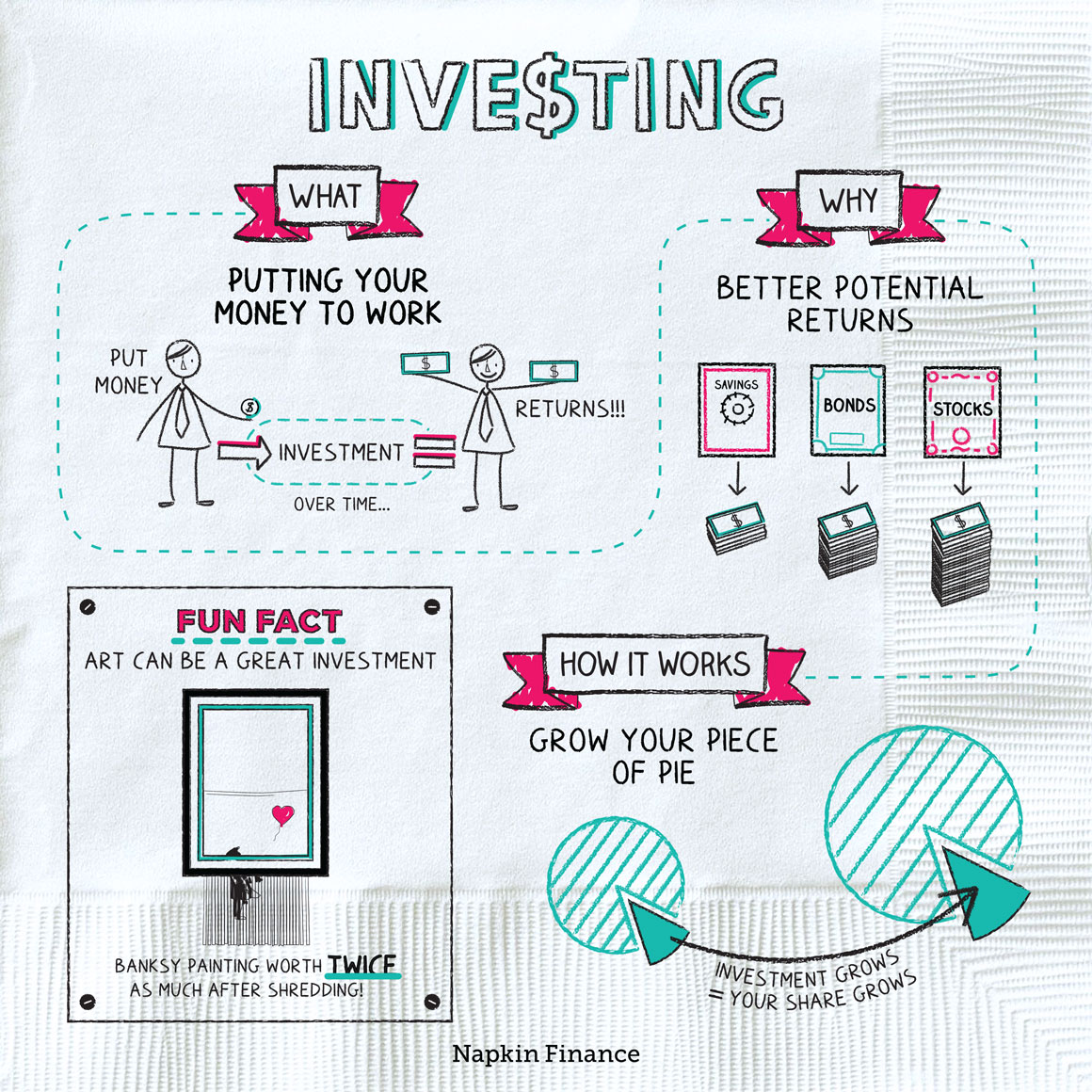
Investing money is often perceived as a complex, impenetrable world reserved for Wall Street elites and mathematical geniuses. However, at its core, investing is simply the act of putting your capital to work today to generate a greater return in the future. It is the transition from working for your money to having your money work for you. In an era of fluctuating inflation and economic uncertainty, understanding the mechanics of investment is no longer a luxury—it is a foundational necessity for financial survival and prosperity.
This guide explores the multifaceted landscape of personal finance and investing, detailing how to prepare, where to allocate assets, and how to maintain a portfolio that stands the test of time.
1. Establishing a Strong Financial Foundation
Before a single dollar is placed into the stock market or a real estate venture, a builder must ensure the foundation is secure. Investing without a financial safety net is akin to building a skyscraper on sand. The first step in “how to invest” is actually “how to prepare.”
The Necessity of an Emergency Fund
An emergency fund is a liquid reservoir of cash, typically held in a high-yield savings account, covering three to six months of essential living expenses. This fund serves as a psychological and financial buffer. Without it, an investor may be forced to liquidate their investments during a market downturn to cover an unexpected medical bill or job loss, effectively locking in losses and disrupting the power of compounding.
High-Interest Debt Liquidation
Mathematically, it makes little sense to pursue a 7% to 10% return in the stock market while carrying credit card debt with a 20% interest rate. The “guaranteed return” of paying off high-interest debt is often the most effective first investment anyone can make. Clearing these liabilities frees up cash flow and reduces the overall risk profile of your financial life.
Defining Your Risk Tolerance and Time Horizon
Investment strategy is dictated by two primary factors: when you need the money (time horizon) and how much volatility you can stomach (risk tolerance). A 25-year-old saving for retirement in 40 years can afford to be aggressive, as they have decades to recover from market corrections. Conversely, a 55-year-old may prioritize capital preservation. Understanding your emotional reaction to market dips is crucial; an investment plan is only successful if you can stick to it during a crisis.
2. Navigating Primary Investment Vehicles
Once the foundation is set, the next step is determining where to allocate capital. The “Money” niche offers a diverse array of asset classes, each with its own risk-reward profile.
The Equity Market: Stocks and Ownership
Buying stocks means purchasing a piece of a company. Historically, the stock market has been one of the greatest wealth-generating engines in human history. Investors can choose between individual stocks—which offer high potential rewards but carry significant risk—or diversified options. For most investors, the most prudent path is through Index Funds or Exchange-Traded Funds (ETFs). These instruments allow you to own a tiny slice of hundreds or thousands of companies (like the S&P 500), providing instant diversification and tracking the overall growth of the economy.
Fixed Income: Bonds and Security
Bonds are essentially loans you provide to a government or a corporation in exchange for periodic interest payments and the return of the principal at a set date. Bonds are generally less volatile than stocks and serve as a “ballast” for a portfolio. When the stock market is turbulent, bonds often provide stability. While their returns are typically lower than equities, they are vital for income generation and risk mitigation.
Real Estate and Alternative Assets
Beyond the paper markets of stocks and bonds lies the world of “hard assets.” Real estate offers the benefits of rental income, potential appreciation, and unique tax advantages. For those who do not wish to manage physical property, Real Estate Investment Trusts (REITs) offer a way to invest in commercial or residential portfolios via the stock market. Other alternative assets might include commodities like gold, which often acts as a hedge against inflation.
3. Strategic Methodologies for Optimized Returns
Knowing what to buy is only half the battle; knowing how to buy is what separates successful investors from speculators. Strategic investing relies on proven methodologies rather than “hot tips” or market timing.

The Power of Asset Allocation and Diversification
Asset allocation is the process of dividing your investment portfolio among different asset categories. It is arguably the most important decision an investor makes. Diversification—the practice of spreading investments across various industries, geographic locations, and asset types—ensures that a failure in one sector does not lead to total financial ruin. As the adage goes, “Don’t put all your eggs in one basket.”
Dollar-Cost Averaging (DCA)
Market timing is a fool’s errand; even professional fund managers rarely succeed at it consistently. Dollar-cost averaging involves investing a fixed amount of money at regular intervals, regardless of the price. When prices are high, your fixed amount buys fewer shares; when prices are low, it buys more. Over time, this lowers the average cost per share and removes the emotional stress of trying to “time the bottom.”
Tax-Advantaged Investing
In the realm of personal finance, it’s not about what you make, but what you keep. Utilizing tax-advantaged accounts—such as 401(k)s, IRAs, or ISAs (depending on your jurisdiction)—can significantly accelerate wealth building. These accounts allow investments to grow tax-deferred or even tax-free, saving the investor tens of thousands of dollars in liabilities over a lifetime. Furthermore, many employers offer matching contributions to retirement accounts, which is essentially “free money” and a 100% instant return on investment.
4. Leveraging Modern Financial Tools and Platforms
The digital age has democratized investing, providing individual investors with tools that were once the exclusive domain of institutional firms.
The Rise of Robo-Advisors
For those who prefer a “hands-off” approach, robo-advisors use algorithms to manage and rebalance a portfolio based on your risk profile. These platforms are cost-effective and eliminate human error and emotional bias. They are an excellent entry point for beginners who want a sophisticated, diversified portfolio without having to learn the minutiae of asset selection.
Online Brokerages and Direct Investing
For the self-directed investor, modern brokerage platforms offer zero-commission trades and access to global markets from a smartphone. These tools provide extensive research, real-time data, and educational resources. However, the ease of use comes with a caveat: the ability to trade instantly can lead to over-trading, which often degrades long-term performance due to fees (where applicable) and poor timing decisions.
5. The Psychology of Investing and Portfolio Maintenance
The final, and perhaps most difficult, aspect of investing is the human element. The greatest enemy of a good investment plan is often the person in the mirror.
Maintaining Emotional Discipline
The stock market is a weighing machine in the long run but a voting machine in the short run. It is driven by the twin emotions of fear and greed. During a “bull market,” greed drives prices to unsustainable heights; during a “bear market,” fear causes panic selling. Successful investors cultivate a “stoic” mindset, viewing market volatility not as a threat, but as a natural part of the economic cycle. Staying the course when others are panicking is often when the most significant wealth is built.
The Importance of Rebalancing
Over time, a portfolio’s original asset allocation will drift. If stocks perform exceptionally well, they may grow to represent a larger percentage of your portfolio than intended, increasing your risk. Rebalancing is the process of selling high-performing assets and buying underperforming ones to return to your target allocation. This forced “sell high, buy low” mechanism ensures the portfolio remains aligned with your long-term goals and risk tolerance.
The Role of Inflation and Compounding
Understanding “Real Return” is vital. If your investments return 5% but inflation is at 4%, your purchasing power has only grown by 1%. Therefore, investing is not just about growth; it is about outpacing the eroding effects of inflation. When combined with the “eighth wonder of the world”—compound interest—even small, consistent investments can grow into substantial fortunes over several decades. The key is time. The earlier you start, the less heavy lifting your capital has to do.

Conclusion
Investing is a journey of discipline, education, and patience. There is no “get rich quick” scheme that does not carry the risk of “getting poor quickly.” By establishing a firm financial foundation, choosing a diversified mix of assets, employing consistent strategies like dollar-cost averaging, and utilizing modern financial tools, anyone can build a robust investment portfolio.
The answer to “how do you invest money” is not found in a single stock pick or a complex algorithm, but in the commitment to a long-term plan and the wisdom to let time and compounding do the heavy lifting. Start small, stay consistent, and keep your focus on the horizon. Wealth is not built overnight, but through the steady accumulation of assets and the persistent application of sound financial principles.
aViewFromTheCave is a participant in the Amazon Services LLC Associates Program, an affiliate advertising program designed to provide a means for sites to earn advertising fees by advertising and linking to Amazon.com. Amazon, the Amazon logo, AmazonSupply, and the AmazonSupply logo are trademarks of Amazon.com, Inc. or its affiliates. As an Amazon Associate we earn affiliate commissions from qualifying purchases.