
The digital age has fundamentally reshaped nearly every aspect of our lives, and the world of personal finance and investing is no exception. Gone are the days when stock market participation was largely the domain of seasoned brokers and high-net-worth individuals, requiring phone calls and significant fees. Today, investing in stocks online has become remarkably accessible, democratizing wealth creation and empowering millions to take control of their financial futures directly from their computers or smartphones.
This comprehensive guide will demystify the process of online stock investing, outlining the essential steps, considerations, and strategies to help you navigate this dynamic landscape with confidence. Whether you’re a complete novice or looking to refine your digital investing approach, understanding the mechanics, platforms, and principles involved is crucial for success.
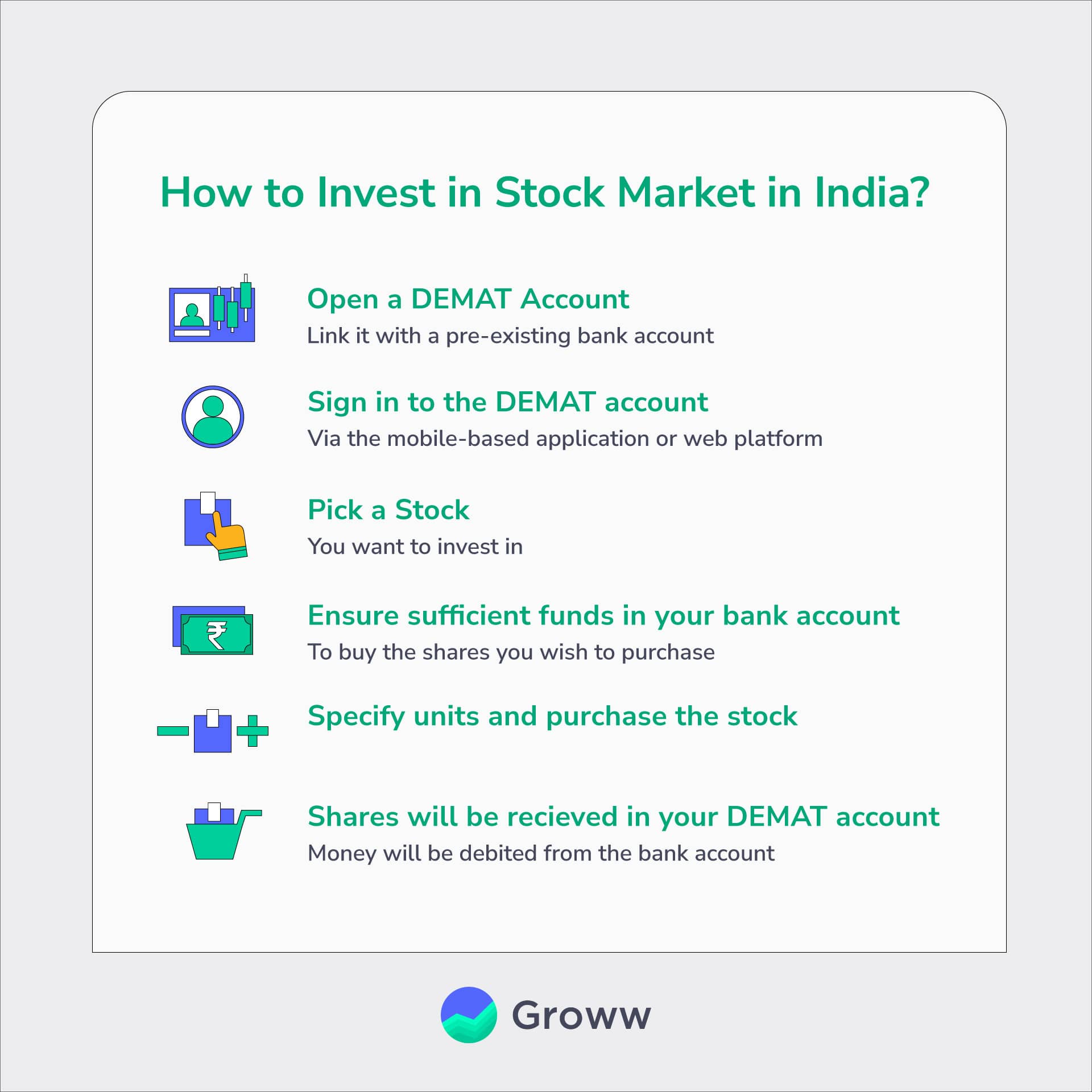
The Digital Evolution of Stock Market Investing
The advent of the internet and advancements in financial technology have transformed stock market participation from an exclusive club into a mainstream activity. Online investing simply means buying and selling financial instruments, predominantly stocks, through an internet-based platform provided by a brokerage firm.
What is Online Stock Investing?
At its core, online stock investing involves using a digital brokerage account to purchase shares of publicly traded companies, exchange-traded funds (ETFs), mutual funds, and other securities. These online platforms provide tools for research, order placement, portfolio tracking, and account management, all accessible with an internet connection. This model removes the traditional intermediaries, offering investors greater control, lower costs, and unparalleled convenience.
Why the Shift to Digital?
Several factors have driven the monumental shift towards online investing:
- Accessibility: Anyone with an internet connection and a bank account can open a brokerage account, often with minimal initial deposits.
- Lower Costs: Online brokers typically charge significantly lower commissions per trade, with many now offering commission-free trading for stocks and ETFs, a stark contrast to the higher fees charged by traditional full-service brokers.
- Control and Convenience: Investors can execute trades, monitor their portfolios, and access a wealth of research materials 24/7, without needing to consult a human broker for every transaction.
- Educational Resources: Most online platforms offer extensive educational content, tutorials, and simulated trading environments, empowering new investors to learn at their own pace.
- Technological Innovation: User-friendly interfaces, mobile apps, and advanced analytical tools make investing intuitive and efficient.
Dispelling Common Myths
Despite its widespread adoption, some misconceptions about online investing persist:
- Myth: It’s only for day traders. While day trading is a form of online investing, the vast majority of online investors are long-term investors focused on building wealth gradually.
- Myth: It requires vast sums of money. Many platforms allow you to start with very small amounts, some even offering fractional shares, meaning you can buy a portion of a high-priced stock.
- Myth: It’s inherently riskier. All investing carries risk, but online investing itself doesn’t inherently increase or decrease it. The risk comes from the investment choices made, not the method of transaction. Informed decisions and diversification are key.
Your First Step: Selecting an Online Brokerage
The foundation of your online investing journey is choosing the right brokerage firm. This decision is paramount as it dictates the tools, resources, and cost structure you’ll encounter.
Full-Service vs. Discount Brokers
Historically, there was a clear distinction:
- Full-Service Brokers: Offer comprehensive financial planning, personalized advice, and a wide range of products, often for higher fees and commissions. While some have online interfaces, their core value is human guidance.
- Discount Brokers: Primarily provide a platform for executing trades at lower costs, with limited or no personalized advice. This category has evolved significantly, with many now offering extensive tools and research, blurring the lines with robo-advisors.
Today, most online investors opt for what are essentially advanced discount brokers that offer a robust digital experience.
Key Factors When Choosing a Platform
Selecting an online brokerage requires careful consideration of your individual needs and investment style:
- Fees and Commissions: This is often the first consideration. Look for platforms offering commission-free trading on stocks and ETFs. Also, inquire about other fees such as account maintenance fees, inactivity fees, and fees for transferring funds or closing accounts.
- Minimum Deposit Requirements: Some brokers require a minimum initial deposit to open an account, while others have no minimum. This is important for new investors with limited capital.
- Investment Offerings: Ensure the broker offers the types of investments you’re interested in (e.g., individual stocks, ETFs, mutual funds, options, cryptocurrencies, international stocks).
- Trading Tools and Features: Evaluate the platform’s trading interface, charting capabilities, research tools, screening options, and order types. Advanced traders might look for more sophisticated tools, while beginners might prefer simpler interfaces.
- Educational Resources: A good online broker will provide a wealth of articles, webinars, tutorials, and even practice accounts (paper trading) to help you learn and hone your skills.
- Customer Support: Assess the availability and quality of customer service (phone, chat, email). Quick and effective support can be invaluable, especially for new investors.
- Mobile App Functionality: For many, investing on the go is essential. A well-designed, functional, and secure mobile app is a significant plus.
- Security: Ensure the broker is regulated (e.g., by FINRA and SIPC in the US) and employs robust security measures to protect your account and personal information. SIPC protection covers up to $500,000 per customer in case of broker failure.
Popular Online Brokerage Examples
The market is saturated with excellent options. Some well-known platforms include:
- Fidelity: Known for its extensive research, low fees, and wide range of investment products.
- Charles Schwab: Offers a strong combination of low costs, robust research, and excellent customer service.
- E*TRADE: A pioneer in online trading, offering a comprehensive platform suitable for various investor types.
- TD Ameritrade (now part of Schwab): Historically known for its advanced trading platforms and extensive educational resources.
- Robinhood: Popularized commission-free trading and offers a very user-friendly mobile experience, appealing to newer investors.
- Vanguard: Best known for its low-cost index funds and ETFs, with a platform geared towards long-term investors.
Thorough research and perhaps even trying out demo accounts are recommended before committing to a specific broker.
Building Your Online Investment Portfolio
Once your brokerage account is open and funded, the next step is to strategize and begin building your investment portfolio. This involves understanding different investment vehicles and adopting suitable strategies.
Understanding Different Investment Vehicles
While the title focuses on “stocks,” online platforms offer access to a broader universe of investments:
- Individual Stocks: Represent ownership in a specific company. When you buy a stock, you’re buying a piece of that company. Their value fluctuates based on company performance, industry trends, and overall market sentiment.
- Exchange-Traded Funds (ETFs): A collection of stocks, bonds, or other assets that trade like a single stock on an exchange. ETFs offer instant diversification and are often low-cost, tracking specific indexes (e.g., S&P 500) or sectors.
- Mutual Funds: Professionally managed portfolios of stocks, bonds, or other investments. Unlike ETFs, mutual funds are priced once a day after the market closes. They often come with higher fees (expense ratios) compared to ETFs.
- Options: Financial derivatives that give the buyer the right, but not the obligation, to buy or sell an underlying asset at a specified price before a certain date. They are highly speculative and complex, generally not recommended for beginners.
For most new online investors, a focus on individual stocks and ETFs provides a solid foundation.
Basic Investment Strategies

Your investment strategy should align with your financial goals, time horizon, and risk tolerance:
- Growth Investing: Focuses on companies expected to grow earnings and revenues at a faster rate than the overall market. These stocks often reinvest profits back into the company, leading to higher valuations but also higher risk.
- Value Investing: Involves identifying companies whose stocks appear to be trading for less than their intrinsic value. Value investors look for “bargains” that the market has undervalued.
- Income Investing: Prioritizes investments that generate regular income, typically through dividends (from stocks) or interest (from bonds).
- Index Investing: A passive strategy that involves investing in funds (like ETFs or mutual funds) that track a specific market index (e.g., S&P 500). The goal is to match the market’s performance rather than trying to beat it. This is highly popular due to its simplicity, diversification, and typically lower fees.
Diversification: The Cornerstone of Risk Management
Regardless of your chosen strategy, diversification is critical. It involves spreading your investments across various assets, industries, and geographies to reduce overall risk. The principle is simple: don’t put all your eggs in one basket. If one investment performs poorly, others may perform well, cushioning the impact on your overall portfolio. This can be achieved through:
- Investing in a mix of individual stocks from different sectors.
- Utilizing ETFs or mutual funds that inherently hold diversified portfolios.
- Considering a blend of stocks and other asset classes like bonds (though typically less prevalent in pure “stock” investing).
The Role of Robo-Advisors
For those who want a hands-off approach to diversification and portfolio management, robo-advisors offer an excellent online solution. These platforms use algorithms to build and manage diversified portfolios based on your financial goals and risk tolerance. They are typically lower cost than human financial advisors and provide automatic rebalancing, making them ideal for beginners or those with limited time.
Navigating the Dynamics of Online Trading
Once you’ve selected your broker and decided on your investment vehicles and strategy, understanding the mechanics of placing trades and analyzing the market becomes crucial.
Market Orders vs. Limit Orders
When buying or selling stocks, you’ll typically encounter two primary order types:
- Market Order: An instruction to buy or sell a stock immediately at the best available current price. While simple, the executed price might be slightly different from what you saw due to rapid market fluctuations.
- Limit Order: An instruction to buy or sell a stock at a specific price or better. For a buy limit order, you specify the maximum price you’re willing to pay; for a sell limit order, it’s the minimum price you’re willing to accept. This gives you more control over the execution price but there’s no guarantee the order will be filled if the market doesn’t reach your specified price.
For most long-term investors, limit orders are generally preferred for greater price control, especially for less liquid stocks or during volatile periods.
Fundamental vs. Technical Analysis
Online investing empowers you to perform your own research. Two main schools of thought dominate stock analysis:
- Fundamental Analysis: Involves evaluating a company’s financial health, management, industry position, and economic factors to determine its intrinsic value. Key metrics include earnings per share (EPS), price-to-earnings (P/E) ratio, revenue growth, and debt levels.
- Technical Analysis: Focuses on analyzing past market data, primarily price and volume charts, to identify patterns and predict future price movements. Technical analysts use various indicators (e.g., moving averages, relative strength index) to inform their trading decisions.
Most successful investors use a blend of both, but for beginners, understanding basic fundamental analysis to identify strong companies is a good starting point.
Understanding Market Volatility
Stock markets are inherently volatile, meaning prices can fluctuate significantly in short periods. Online investors must be prepared for this. Panicking during downturns and selling low is a common mistake. A long-term perspective, combined with a diversified portfolio and a clear investment plan, helps weather market storms. Remember that market corrections are a normal part of the economic cycle.
Essential Tips for the Prudent Online Investor
Embarking on your online investing journey can be empowering, but success hinges on continuous learning and disciplined practice.
Start Small and Learn Continuously
Don’t feel pressured to invest a large sum upfront. Begin with an amount you’re comfortable losing, and gradually increase your investments as your knowledge and confidence grow. The financial markets are constantly evolving, so commit to lifelong learning through books, reputable financial news sources, educational webinars, and your broker’s resources.
Define Your Investment Goals and Risk Tolerance
Before placing your first trade, clearly articulate what you’re investing for (e.g., retirement, a down payment, a child’s education) and your timeline. Equally important is understanding your risk tolerance – how much market fluctuation can you emotionally and financially withstand? This will dictate your investment strategy and asset allocation. Younger investors with longer time horizons can generally afford to take on more risk, while those nearing retirement might prioritize capital preservation.
Avoid Emotional Decisions
One of the biggest pitfalls for online investors is making decisions based on fear or greed. The market can evoke strong emotions, leading to impulsive buying at market peaks or panic selling during downturns. Stick to your predetermined investment plan, rebalance your portfolio periodically, and avoid making significant changes based on short-term market noise.
Leverage Educational Resources and Community Forums
Your online brokerage is likely a treasure trove of educational materials. Utilize them. Additionally, reputable financial forums and communities can offer insights and different perspectives, but always cross-reference information and be wary of unsolicited advice or “get rich quick” schemes.
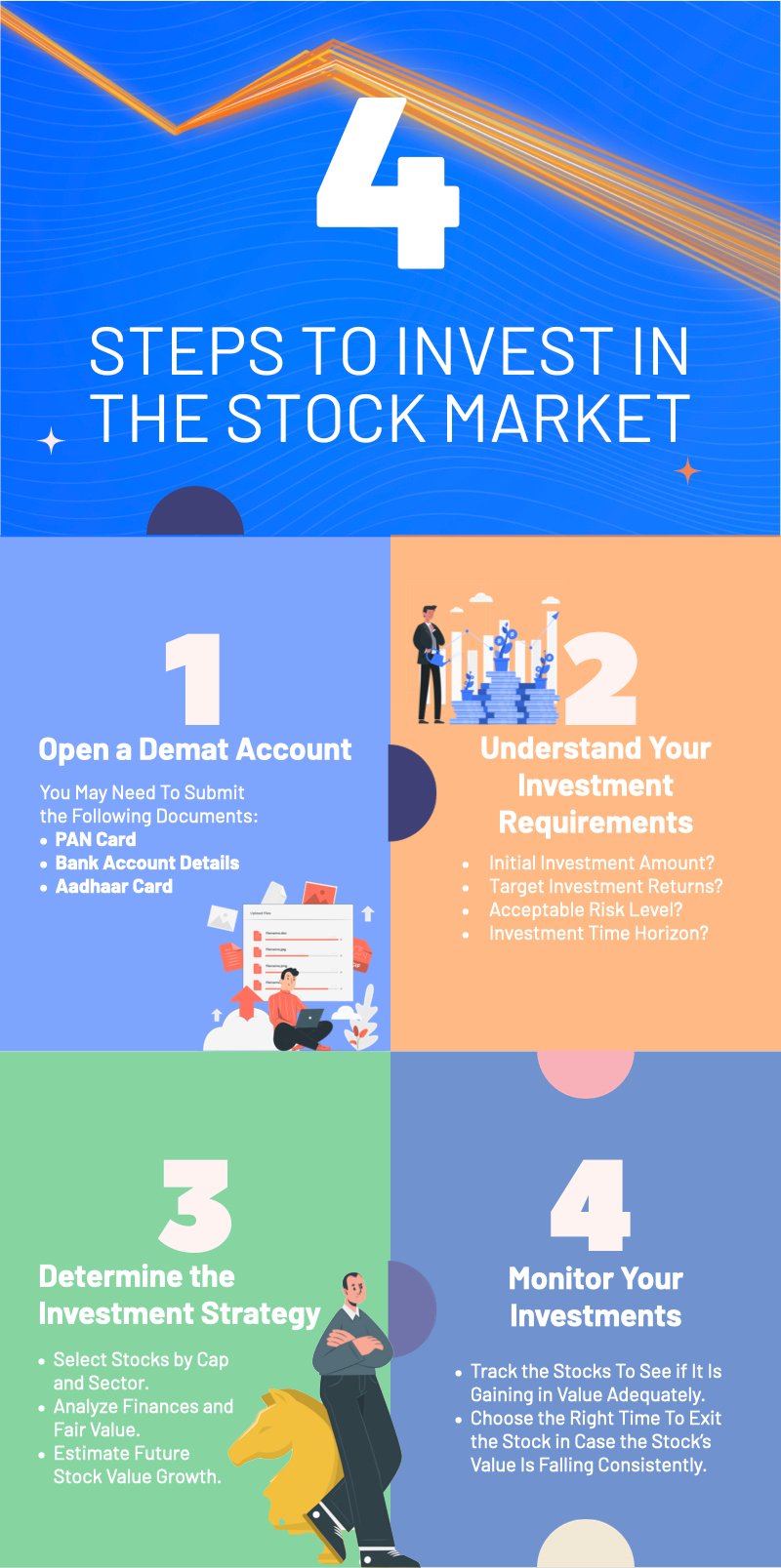
Stay Informed, But Don’t Overtrade
Keep abreast of economic news, company earnings, and market trends, but avoid the temptation to constantly check your portfolio or make frequent trades. Overtrading often leads to higher transaction costs (even with commission-free trading, there are bid-ask spreads) and poor investment decisions. For most, a long-term buy-and-hold strategy, with periodic rebalancing, proves more effective than active trading.
In conclusion, investing in stocks online is a powerful tool for building wealth and achieving financial independence. By choosing the right platform, understanding the basics of portfolio construction, managing risk effectively, and committing to continuous learning, you can successfully navigate the digital financial landscape and work towards your long-term financial goals. Remember, patience, discipline, and a well-informed approach are your greatest allies in the world of online investing.
aViewFromTheCave is a participant in the Amazon Services LLC Associates Program, an affiliate advertising program designed to provide a means for sites to earn advertising fees by advertising and linking to Amazon.com. Amazon, the Amazon logo, AmazonSupply, and the AmazonSupply logo are trademarks of Amazon.com, Inc. or its affiliates. As an Amazon Associate we earn affiliate commissions from qualifying purchases.