
The prospect of harnessing the sun’s power for your home is more appealing than ever, driven by environmental consciousness and the desire for long-term cost savings. But when it comes to the practicalities, the question “how do you install solar panels?” looms large. While many homeowners opt for professional installation due to the complexity and safety considerations, understanding the process provides valuable insight and empowers informed decision-making. This guide delves into the multifaceted world of solar panel installation, touching upon the technological underpinnings, the branding considerations for solar companies, and the financial implications for homeowners.
Understanding the Solar Ecosystem: Technology, Brands, and Your Investment
Before we dive into the nitty-gritty of installation, it’s crucial to frame the process within the broader context of the solar industry. This involves understanding the technology that makes it all possible, the brands that bring these solutions to your doorstep, and the significant financial investment you’re making.
The Technological Backbone: From Sunlight to Usable Energy
At its core, solar panel installation is about integrating a sophisticated technological system into your home. The fundamental principle is the photovoltaic (PV) effect, where semiconductor materials within solar panels convert sunlight directly into electricity.
The Anatomy of a Solar System
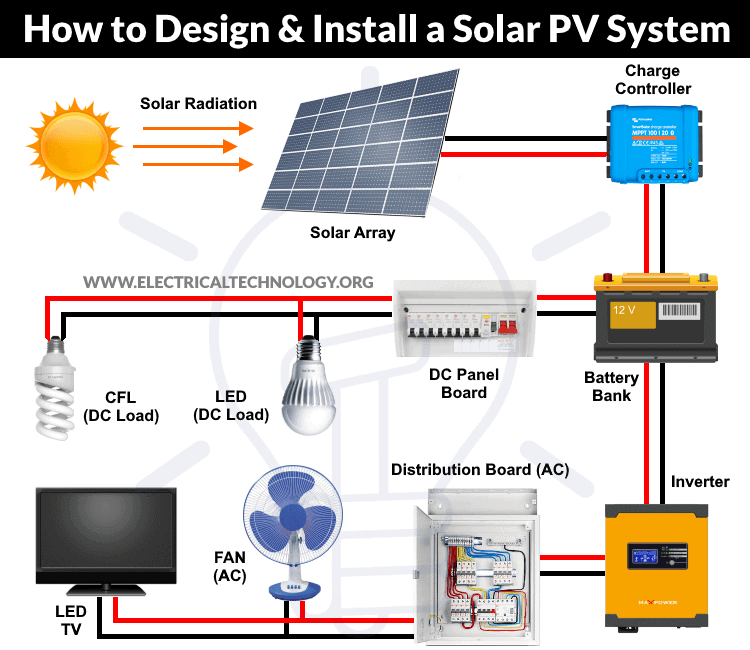
A typical residential solar installation comprises several key components, each playing a vital role:
-
Solar Panels (PV Modules): These are the most visible part of the system. They are typically made of silicon, a semiconductor material. When photons from sunlight strike the silicon, they excite electrons, creating an electric current. Different types of solar cells exist, including monocrystalline, polycrystalline, and thin-film, each with varying efficiencies and cost profiles. The choice of panel technology directly impacts the system’s energy output and, consequently, the amount of electricity you can generate.
-
Inverters: The electricity produced by solar panels is direct current (DC). However, most homes operate on alternating current (AC). Inverters are essential devices that convert the DC electricity from the panels into usable AC electricity. There are several types of inverters, including string inverters, microinverters, and power optimizers.
- String Inverters: These are the most traditional type, connecting multiple panels in a series (a “string”) to a single inverter. They are generally more cost-effective but can be less efficient if one panel in the string is shaded or underperforming.
- Microinverters: Installed on each individual solar panel, microinverters convert DC to AC at the panel level. This offers excellent performance monitoring and allows each panel to operate independently, mitigating the impact of shading on the overall system output.
- Power Optimizers: These devices are installed on each panel but work in conjunction with a central string inverter. They optimize the DC output of each panel before sending it to the inverter, offering a compromise between the cost of string inverters and the panel-level optimization of microinverters.
-
Mounting Systems (Racking): This is the structural framework that securely attaches the solar panels to your roof or the ground. The design and material of the mounting system are critical for ensuring the panels can withstand various weather conditions, including wind and snow. For roof installations, it involves attaching rails to the roof rafters, ensuring structural integrity and preventing leaks. Ground-mounted systems require a foundation, often concrete footings, to support the panels.
-
Wiring and Electrical Components: This includes all the necessary cables, conduits, disconnect switches, and circuit breakers to safely connect the solar panels to the inverter and then to your home’s electrical panel. Proper wiring is paramount for safety and system efficiency.
-
Monitoring System: Most modern solar installations come with a monitoring system, often accessible via a mobile app or web portal. This allows homeowners to track their energy production, consumption, and system performance in real-time. This technological feature is invaluable for identifying any issues and understanding your energy savings.
Branding in the Solar Landscape: Trust and Reputation
The solar industry, like any other, is populated by a diverse range of companies, from manufacturers of solar panels and inverters to local installation businesses and national solar providers. The brand of these entities plays a significant role in a homeowner’s decision-making process.
-
Manufacturer Brands: Companies like SunPower, LG, Panasonic, and Canadian Solar are known for producing high-quality, efficient, and durable solar panels. Their brand reputation is built on years of research and development, rigorous testing, and positive customer reviews. A reputable manufacturer brand offers peace of mind regarding the longevity and performance of the core components of your solar system.
-
Installer Brands: The company you choose to install your solar panels is equally, if not more, important. Installer brands are judged on their:
- Expertise and Experience: Proven track record in designing and installing solar systems, adhering to local building codes and electrical standards.
- Customer Service: Responsiveness, transparency, and helpfulness throughout the consultation, installation, and post-installation phases.
- Warranty Offerings: Comprehensive warranties on both the solar panels themselves (often 25 years for performance and 10-15 years for product defects) and the workmanship of the installation.
- Reputation and Reviews: Online reviews, testimonials, and Better Business Bureau ratings can provide valuable insights into a company’s reliability.
- Pricing and Financing Options: While not solely a branding aspect, competitive pricing and flexible financing solutions contribute to a positive brand perception.
Choosing a well-established and reputable installer brand is crucial for a smooth and successful installation process, ensuring your system is not only functional but also safe and reliable for years to come.
The Financial Equation: Your Solar Investment
Installing solar panels is a significant financial undertaking, but it’s an investment with the potential for substantial returns. Understanding the money aspect is as vital as comprehending the technology.
-
Upfront Costs: The initial cost of a solar panel system includes the price of the panels, inverters, mounting hardware, and labor for installation. This can vary widely depending on the size of your system, the quality of the components, and your location.
-
Incentives and Rebates: Many governments and local authorities offer incentives, tax credits, and rebates to encourage solar adoption. These can significantly reduce the net cost of your installation. Researching available incentives in your area is a crucial step in the financial planning process.
-
Energy Savings: The primary financial benefit of solar panels is the reduction in your electricity bills. By generating your own power, you become less reliant on utility companies, leading to substantial long-term savings. The amount of savings depends on your electricity consumption, the size of your system, and the local electricity rates.
-
Return on Investment (ROI): Solar panel installations are often viewed as an investment. The ROI is calculated by comparing the total cost of the system against the accumulated energy savings and any incentives received over time. Most systems achieve a positive ROI within 7-15 years.
-
Financing Options: To make solar more accessible, various financing options are available, including solar loans, leases, and power purchase agreements (PPAs). Each has its own set of financial implications, and understanding these is key to making an informed decision.
The Installation Process: A Step-by-Step Overview
While professional installation is highly recommended, understanding the typical steps involved in installing solar panels can demystify the process and help you communicate effectively with your chosen installers.
Pre-Installation: Planning and Permitting
This initial phase is critical for a successful installation and involves several key activities:
-
Site Assessment: A professional installer will visit your property to assess its suitability for solar. This includes evaluating:
- Roof Condition and Orientation: The age, material, and structural integrity of your roof are paramount. The ideal roof orientation is south-facing in the Northern Hemisphere, but east and west-facing roofs can also be viable.
- Shading: Trees, adjacent buildings, or other obstructions that could cast shadows on the panels will be identified. Shading significantly reduces energy output, and installers will strategize to minimize its impact.
- Electrical Panel Capacity: Your existing electrical panel needs to be capable of handling the additional load from the solar system.
- Local Regulations and HOA Rules: Installers will ensure compliance with all local building codes, electrical permits, and any homeowner association (HOA) restrictions.
-
System Design: Based on the site assessment and your energy needs, the installer will design a custom solar system. This involves determining the optimal number of panels, the type of inverter, the mounting system, and the overall system size (measured in kilowatts, kW).

- Permitting: Obtaining the necessary permits from your local municipality is a crucial step. This process can take time and involves submitting detailed plans and specifications for approval.
Installation: Bringing the System to Life
Once permits are secured, the physical installation can begin. This is typically a multi-day process performed by a team of trained professionals.
Mounting the System and Connecting the Panels
-
Roof Preparation and Racking Installation: For roof-mounted systems, installers will locate the roof rafters and securely attach mounting brackets. These brackets form the foundation for the rails that will hold the solar panels. Sealants are used to prevent any water intrusion.
-
Installing the Rails: The rails are then attached to the mounting brackets, creating a level surface for the solar panels.
-
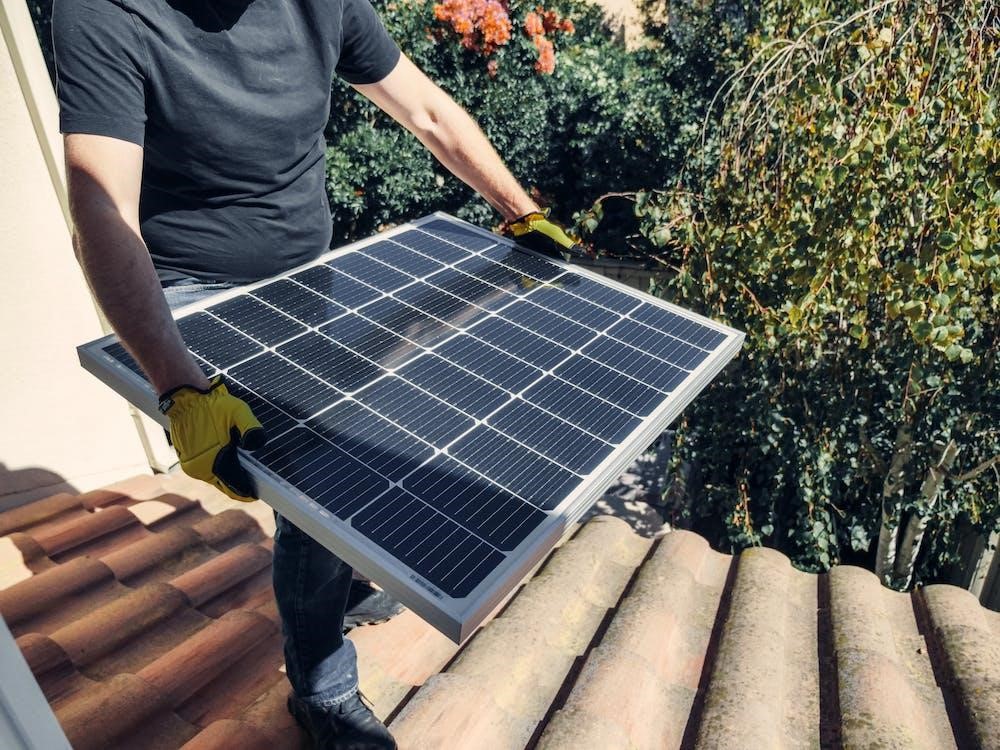
Mounting the Solar Panels: The solar panels are carefully lifted onto the roof and secured to the rails using specialized clamps.
-
Wiring the Panels: The solar panels are then interconnected using DC wiring. This is where the decision about string inverters versus microinverters or power optimizers becomes physically evident.
Inverter Installation and Electrical Connections
-
Inverter Placement: The inverter(s) are typically installed in a cool, dry, and accessible location, such as a garage, basement, or on an exterior wall.
-
Connecting to the Electrical Panel: The AC output from the inverter is then connected to your home’s main electrical panel through a dedicated circuit breaker. This allows the solar-generated electricity to power your home or be sent back to the grid.
-
Grounding: Proper grounding of the entire system is a critical safety measure to protect against electrical surges and lightning strikes.
Post-Installation: Inspection, Commissioning, and Monitoring
The installation isn’t complete until the system is fully operational and authorized for use.
Inspection, Commissioning, and Grid Connection
-
Electrical Inspection: A local building inspector will conduct a thorough inspection of the installed system to ensure it meets all safety codes and regulations.
-
Utility Interconnection: Once the system passes inspection, your utility company will typically install a new meter (a bidirectional meter) that can track both the electricity you consume from the grid and the excess electricity you send back to the grid. This process is known as net metering.
-
System Commissioning: The installer will “commission” the system, which involves testing all components to ensure they are functioning correctly and producing electricity as expected. This is also when the monitoring system is set up and explained to the homeowner.
Ongoing Monitoring and Maintenance
-
Performance Monitoring: Homeowners are encouraged to regularly monitor their system’s performance through the provided app or web portal. This allows for early detection of any issues and helps in understanding the long-term savings.
-
Maintenance: Solar panels are generally low-maintenance. Occasional cleaning to remove dirt, debris, or snow can help optimize performance. Most reputable installers offer maintenance packages or can be contacted for any necessary repairs.
The Future of Solar Installation: Innovations and Considerations
The field of solar technology and installation is constantly evolving. As you consider installing solar panels, it’s worth being aware of emerging trends.
Advancements in Technology and Efficiency
-
Higher Efficiency Panels: Manufacturers are continuously developing solar panels with higher energy conversion efficiencies, meaning more electricity can be generated from the same surface area. This is particularly beneficial for homes with limited roof space.
-
Bifacial Solar Panels: These panels can capture sunlight from both the front and the back, potentially increasing energy generation by up to 20% in optimal conditions, especially when installed on ground mounts or elevated rooftops.
-
Integrated Solar Solutions: The trend towards integrating solar technology into building materials, such as solar tiles and solar windows, is growing. While still niche, these solutions offer a more aesthetically pleasing and seamless integration of solar power.
The Role of AI and Digital Tools
The “Tech” aspect of our website perfectly aligns with how technology is transforming solar.
- AI-Powered Design and Optimization: Artificial intelligence is increasingly being used to optimize solar system design, predict energy production more accurately, and identify the best placement for panels to maximize sunlight exposure.
- Remote Monitoring and Diagnostics: Advanced AI algorithms can monitor system performance remotely, detect anomalies, and even predict potential maintenance needs before they become serious issues.
- Digital Security: As solar systems become more connected, ensuring the digital security of these systems against cyber threats is a growing concern, which is a core area of focus on our Tech-focused platforms.
Environmental and Economic Impact
The decision to install solar panels is not just a personal one; it has broader implications.
- Environmental Sustainability: By reducing reliance on fossil fuels, solar energy plays a crucial role in combating climate change and promoting a cleaner environment.
- Economic Opportunities: The solar industry creates jobs in manufacturing, installation, sales, and maintenance, contributing to economic growth.
In conclusion, while the question “how do you install solar panels” might initially seem daunting, it opens the door to a fascinating intersection of technology, branding, and financial planning. By understanding the components, the process, and the evolving landscape, homeowners can confidently embark on their journey to harness the power of the sun, making a smart investment for their home and the planet.
aViewFromTheCave is a participant in the Amazon Services LLC Associates Program, an affiliate advertising program designed to provide a means for sites to earn advertising fees by advertising and linking to Amazon.com. Amazon, the Amazon logo, AmazonSupply, and the AmazonSupply logo are trademarks of Amazon.com, Inc. or its affiliates. As an Amazon Associate we earn affiliate commissions from qualifying purchases.