
Navigating the world of taxes can often feel like deciphering a complex code, filled with deadlines, forms, and jargon. For many, the phrase “getting tax returns” is synonymous with receiving a refund—that welcome influx of cash from the government. However, the process of “getting tax returns” is actually about filing your tax return, which is the crucial step that determines whether you owe money, break even, or indeed, receive a refund. This comprehensive guide will demystify the entire process, from understanding what a tax return truly is to successfully filing it and tracking any potential refund.

Demystifying “Tax Returns”: Beyond Just the Refund
Before diving into the mechanics, it’s vital to clarify what we mean when we talk about “tax returns.” The terminology can often be confusing, leading many to misunderstand their obligations and potential benefits.
Tax Return vs. Tax Refund: Clarifying the Terminology
A tax return is the official documentation you file with tax authorities (like the IRS in the United States) declaring your income, expenses, and other financial information for a specific tax year. It’s how you report your financial activity so the government can calculate your tax liability. This document, once submitted, is your “return.”
A tax refund, on the other hand, is the money you receive back from the government when you’ve paid more in taxes than you actually owe. This often happens throughout the year if your employer withholds too much from your paycheck, or if you qualify for certain tax credits. So, while you file a tax return, you receive a tax refund. Our focus here is on the entire journey of filing that return to ultimately receive any due refund.
Why Filing is Mandatory (Even Without a Refund)
Many people assume they only need to file a tax return if they expect a refund. This is a common misconception. Filing a tax return is often a legal obligation, regardless of whether you anticipate a refund or owe additional taxes. Failure to file, even if you don’t owe taxes, can result in penalties, interest, and even impact your ability to receive future government benefits or loans. For instance, you might need to file if your income exceeds a certain threshold, even if no tax is due after deductions and credits. Filing is also essential to claim refundable credits, which could provide you with a refund even if you had no tax liability.
Key Deadlines to Keep in Mind
Tax deadlines are non-negotiable and vary by country. In the United States, the primary deadline for filing federal income tax returns for most individuals is typically April 15th of each year (or the next business day if April 15th falls on a weekend or holiday). However, certain circumstances, like living abroad or being affected by a natural disaster, might grant an extension. Missing these deadlines can lead to penalties and interest charges on any unpaid taxes. It’s always wise to mark your calendar and aim to file well in advance.
Essential Preparations: Gathering Your Documents
The secret to a smooth tax filing process lies in thorough preparation. Before you even think about forms or software, you need to collect all relevant financial documents. Being organized from the start will save you significant time and stress.
Income Statements: W-2s, 1099s, K-1s
Your income is the foundation of your tax return. You’ll need documents that detail all sources of income:
- W-2 Forms: If you are an employee, your employer will send you a W-2 form, detailing your wages, tips, and other compensation, as well as the taxes withheld. You should receive this by January 31st.
- 1099 Forms: These forms report various types of income other than wages, such as:
- 1099-NEC: Nonemployee Compensation (for independent contractors, freelancers).
- 1099-MISC: Miscellaneous Income (rent, royalties, prizes, awards).
- 1099-INT: Interest Income (from banks, savings accounts).
- 1099-DIV: Dividend Income (from stocks, mutual funds).
- 1099-R: Distributions from pensions, annuities, retirement plans.
- 1099-B: Proceeds from broker and barter exchange transactions (for stock sales).
- K-1 Forms: If you are a partner in a partnership, a beneficiary of an estate or trust, or a shareholder in an S corporation, you’ll receive a Schedule K-1 detailing your share of the entity’s income, losses, and deductions.
- Other Income Records: Don’t forget records for any other income, such as unemployment benefits, gambling winnings, or income from sharing economy activities (e.g., Airbnb, Uber).
Deduction and Credit Documentation: Receipts, Statements, Records
To reduce your taxable income and potentially increase your refund, you’ll need documentation for any deductions or credits you plan to claim. This can include:
- Itemized Deductions: Medical expense receipts, mortgage interest statements (Form 1098), property tax statements, charitable contribution receipts.
- Tax Credits: Education expenses (Form 1098-T), child care expenses, adoption expenses, energy-efficient home improvement receipts.
- Business Expenses: If you’re self-employed, keep meticulous records of all business-related expenses, including mileage logs, home office expenses, supplies, and professional development costs.
Personal Information and Previous Year’s Returns
You’ll also need basic personal information for yourself and anyone else you’re claiming as a dependent, including Social Security numbers or Taxpayer Identification Numbers. A copy of your previous year’s tax return is incredibly helpful as it contains vital information that can carry over, such as prior year adjusted gross income (AGI) which is often used for identity verification when e-filing.
Bank Account Details for Direct Deposit
If you anticipate a refund, having your bank account and routing numbers ready for direct deposit is crucial. This is the fastest and most secure way to receive your refund.
Choosing Your Filing Pathway: DIY, Software, or Professional Help?
With all your documents in hand, the next step is to decide how you want to prepare and file your tax return. Several options cater to different levels of complexity and comfort.
Do-It-Yourself (DIY): For Simple Returns
If your tax situation is straightforward (e.g., a single W-2, no dependents, standard deduction), you might consider using paper forms available directly from tax authorities. This is the most basic approach, requiring you to manually calculate and fill out everything. While cost-effective, it’s prone to errors and lacks the guidance that software or a professional provides.
Tax Software Solutions: Balancing Cost and Convenience
For most taxpayers, tax preparation software offers an excellent balance. Companies like TurboTax, H&R Block, and TaxAct provide user-friendly interfaces that guide you step-by-step through the process, asking questions in plain language and performing calculations automatically. They help identify potential deductions and credits you might miss. Different versions cater to varying complexities, from simple W-2 filers to those with investments or self-employment income. While there’s typically a fee, the peace of mind and potential for maximizing your refund often outweigh the cost.
Professional Tax Preparers: When Expertise is Essential
If your tax situation is complex—you own a business, have significant investments, deal with foreign income, or have experienced major life changes—hiring a professional tax preparer (such as a CPA, Enrolled Agent, or tax attorney) is often the best choice. They possess deep expertise, can offer strategic advice, and often represent you if your return is audited. While this is the most expensive option, the value of their specialized knowledge and error prevention can be invaluable. Always choose a reputable preparer with verifiable credentials.
Free Tax Filing Options: VITA, TCE, and Free File Alliance
Don’t overlook free resources!
- IRS Free File Program: If your Adjusted Gross Income (AGI) is below a certain threshold (which changes annually), you may qualify to use free tax software provided by IRS partners. This is often an overlooked opportunity for free, guided tax preparation.
- Volunteer Income Tax Assistance (VITA) and Tax Counseling for the Elderly (TCE) Programs: These IRS-sponsored programs offer free tax help to qualified individuals, including those with low to moderate income, the elderly, persons with disabilities, and limited English-speaking taxpayers. Certified volunteers provide free basic income tax return preparation.
The Filing Process: Step-by-Step Submission
Once you’ve chosen your method, the actual process of filling out and submitting your return begins. While specifics vary by method, the general steps remain consistent.
Entering Your Income Information
This is where you input all the data from your W-2s, 1099s, K-1s, and other income records. Tax software will prompt you for each type of income, making sure you don’t miss anything. If you’re using paper forms, you’ll transfer the relevant figures to the correct lines.
Identifying Deductions and Credits
This is a critical step for reducing your tax liability.
- Deductions: These reduce your taxable income. You can choose to take the standard deduction (a fixed amount based on your filing status) or itemize deductions (listing out specific expenses like mortgage interest, state and local taxes, charitable contributions). Software will help you determine which option is more beneficial.
- Credits: These directly reduce the amount of tax you owe, dollar for dollar. Some credits are non-refundable (reduce your tax liability to zero but won’t result in a refund beyond that), while others are refundable (can result in a refund even if you owe no tax). Examples include the Child Tax Credit, Earned Income Tax Credit, and education credits.
Reviewing for Accuracy
Regardless of how you prepare your return, always, always review it thoroughly. Double-check all numbers, names, Social Security numbers, and addresses. Even a small typo can cause delays or issues. Tax software usually includes an error check feature, which is a significant advantage over manual preparation. If using a professional, they will guide you through the review process before you sign off.
E-filing vs. Paper Filing
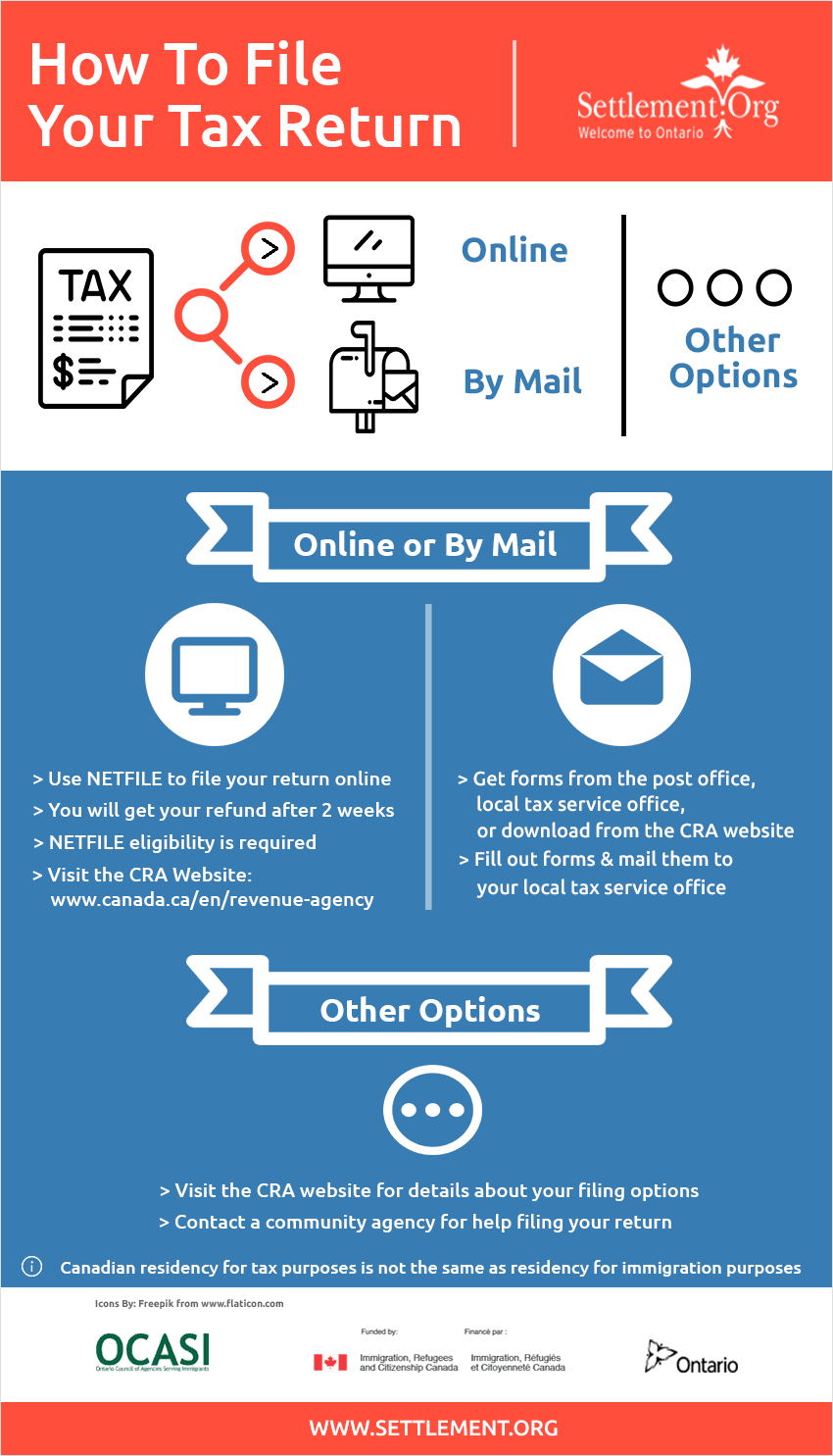
- E-filing: This is the most common, recommended, and fastest method. You submit your return electronically through tax software or your tax preparer. E-filing is secure, provides immediate confirmation of receipt, and generally leads to quicker refund processing.
- Paper Filing: You print out your completed return, sign it, and mail it to the appropriate tax authority address. This method is slower, less secure (due to potential mail loss), and results in longer refund times. It should only be used if e-filing is not an option or preferred.
After Filing: What to Expect and How to Track Your Refund (or Payment)
Congratulations! You’ve filed your tax return. But the journey isn’t over yet. Now it’s time to understand what happens next and how to monitor your refund or make any payments due.
Understanding Your Post-Filing Status
Once your return is submitted, it enters processing. If you e-filed, you’ll typically receive an email confirmation that your return was accepted by the tax authority. This acceptance means they received your return and it passed initial checks, not that it has been fully processed or that your refund is guaranteed.
Tracking Your Refund: Tools and Timelines
The most anticipated part for many is receiving their refund.
- Where’s My Refund? Tool: In the U.S., the IRS provides an online tool called “Where’s My Refund?” (IRS.gov/Refunds) that allows you to check the status of your federal refund. You’ll need your Social Security number, filing status, and the exact refund amount shown on your return. State tax agencies often have similar tools.
- Timelines: The IRS typically issues most refunds in less than 21 calendar days, especially if you e-file and choose direct deposit. However, certain returns (like those claiming the Earned Income Tax Credit or Additional Child Tax Credit) may experience delays, and refunds for these credits cannot be issued before mid-February by law. Paper-filed returns can take much longer, sometimes six to eight weeks or more.
If You Owe Taxes: Payment Options
If your tax return indicates you owe money, you have several options for payment:
- Direct Pay: You can pay directly from your bank account through the IRS website.
- Debit Card, Credit Card, or Digital Wallet: You can use third-party payment processors to pay with these methods, though they often charge a processing fee.
- Electronic Federal Tax Payment System (EFTPS): A free service from the Treasury Department for individual and business payments.
- Check or Money Order: You can mail a check or money order with your payment voucher.
It’s crucial to pay by the tax deadline (usually April 15th) to avoid penalties and interest. If you can’t pay the full amount, you may be able to set up a payment plan with the IRS.

What to Do If Your Return is Audited or Rejected
While rare, it’s possible for your return to be rejected or audited.
- Rejected Return: This typically happens immediately after e-filing if there’s an error like an incorrect Social Security number or prior year AGI. The e-filing system will usually tell you why it was rejected, allowing you to correct the issue and resubmit.
- Audit: An audit means the tax authority wants to examine your return more closely, usually to verify the accuracy of your income, deductions, or credits. If you receive an audit notice, don’t panic. Respond promptly, provide all requested documentation, and consider seeking professional advice if you used a preparer or if the situation feels overwhelming. Most audits are resolved by mail.
“Getting tax returns” is an annual financial responsibility that, with proper understanding and preparation, can be a straightforward process. By clarifying the terminology, diligently gathering your documents, choosing the right filing method, and understanding the post-filing procedures, you can confidently navigate the tax landscape and ensure you meet your obligations while maximizing any potential refund due to you.
aViewFromTheCave is a participant in the Amazon Services LLC Associates Program, an affiliate advertising program designed to provide a means for sites to earn advertising fees by advertising and linking to Amazon.com. Amazon, the Amazon logo, AmazonSupply, and the AmazonSupply logo are trademarks of Amazon.com, Inc. or its affiliates. As an Amazon Associate we earn affiliate commissions from qualifying purchases.