
Securing investment is often a critical juncture for any small business aspiring to grow, innovate, or simply scale its operations beyond initial bootstrapping capabilities. While the allure of external capital is strong, the path to attracting investors is complex, demanding meticulous preparation, strategic outreach, and a deep understanding of what investors truly seek. This guide will demystify the process, offering a comprehensive roadmap for small business owners navigating the intricate world of investment.
Understanding the Funding Landscape for Small Businesses
Before embarking on the quest for capital, it’s essential to grasp why investors choose to back certain ventures and the broader ecosystem of small business finance. Not all capital is created equal, and understanding the nuances can significantly streamline your search.
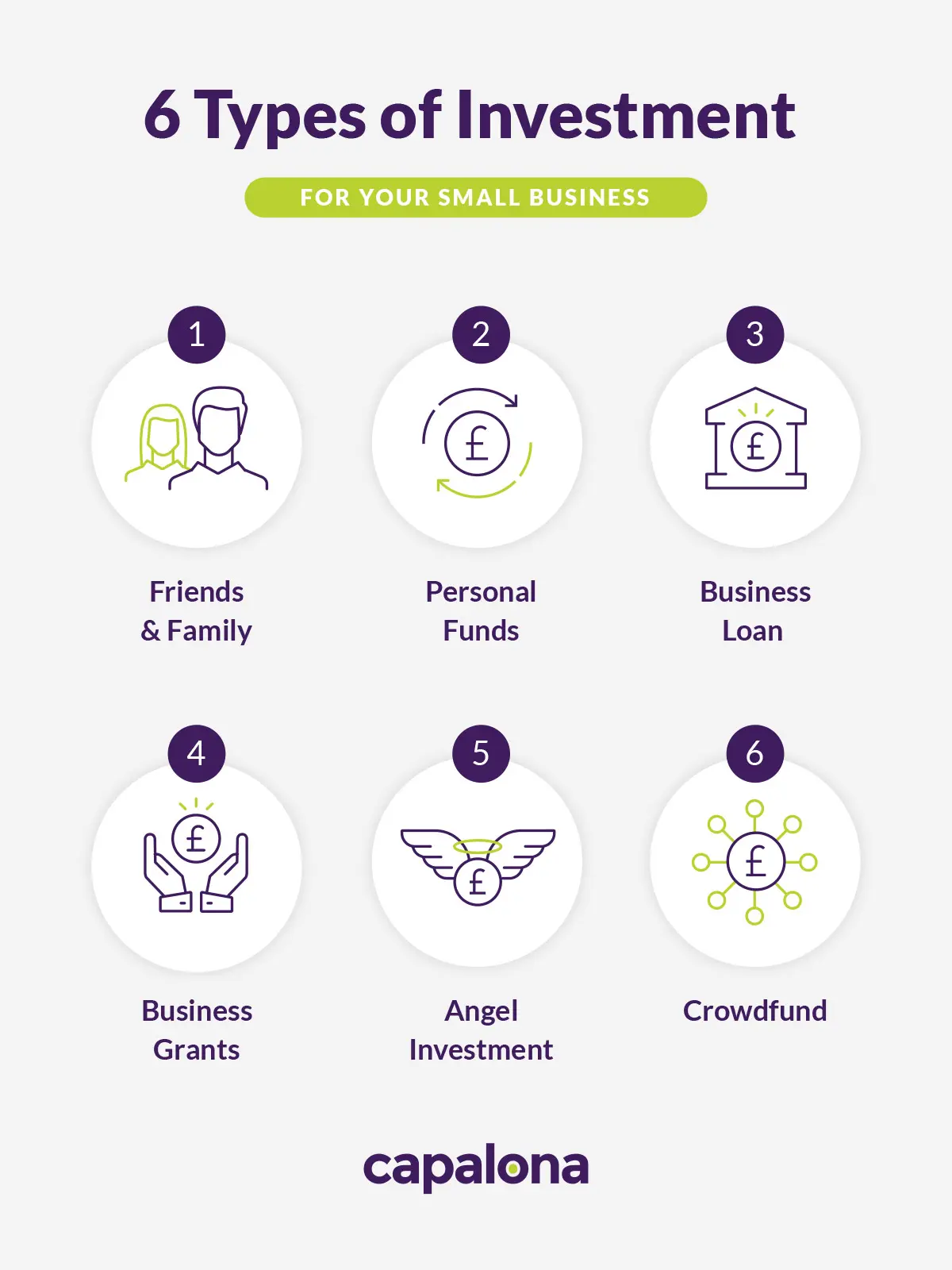
Why Small Businesses Need Investors
Small businesses often face a classic dilemma: they need capital to grow, but growth is a prerequisite for generating more capital. This is where external investors come in. They provide the necessary injection of funds to cover operational expenses during expansion, invest in new technologies, develop new products, enter new markets, or simply overcome cash flow challenges that are common in early-stage businesses. Beyond money, the right investors can bring invaluable experience, strategic guidance, and extensive networks, transforming them from mere financiers into true partners in growth.
Different Stages of Business and Funding Needs
The type of investment suitable for a small business often depends on its stage of development.
- Seed Stage: This is the earliest stage, typically when a business is just an idea or has a nascent product. Funding here often comes from personal savings, friends and family, or early-stage angel investors. The capital is used for market research, prototype development, and initial team building.
- Startup Stage: With a viable product or service and some initial traction, startups seek capital to refine their offering, acquire initial customers, and establish basic operations. Angel investors and micro-VCs are common sources.
- Early Growth Stage: Businesses demonstrating consistent revenue and a growing customer base need funds to scale operations, expand marketing efforts, and perhaps develop new features or products. This is where traditional venture capital, strategic angel groups, or even debt financing become more relevant.
- Expansion/Maturity Stage: For established businesses looking to enter new markets, make significant capital expenditures, or acquire competitors, larger venture capital rounds, private equity, or commercial loans might be pursued.
Understanding your current stage helps in identifying the most appropriate investor type and tailoring your pitch accordingly.
The Investor’s Perspective: What They Look For
Investors are not philanthropists; they are seeking a return on their investment. Their motivations typically revolve around potential financial gain, and they assess opportunities based on several key criteria:
- Market Opportunity: Is the market large enough to support significant growth? Is there a clear need for your product or service?
- Problem-Solution Fit: Does your business genuinely solve a pressing problem for a defined target audience?
- Scalability: Can your business grow rapidly without a proportional increase in costs?
- Competitive Advantage: What makes your business unique? Do you have defensible intellectual property, a strong brand, or a unique business model?
- Team: Investors bet on people. They look for a passionate, experienced, and competent management team with a clear vision and the ability to execute.
- Financials: Robust financial projections, a clear understanding of your burn rate, and a path to profitability are crucial.
- Exit Strategy: How will investors eventually get their money back, typically through an acquisition, IPO, or dividend payouts?
Preparing Your Business for Investment
Attracting investors is an exercise in rigorous preparation. You cannot simply walk into a meeting and ask for money; you must present a compelling case built on solid foundations.
Developing a Robust Business Plan
A well-structured business plan is your foundational document. It articulates your vision, mission, and how you intend to achieve your goals. For investors, it’s proof that you’ve thought critically about every aspect of your venture. Key components include:
- Executive Summary: A concise overview of your entire plan, highlighting key opportunities and financial projections.
- Company Description: What your business does, its legal structure, and its unique selling proposition.
- Market Analysis: In-depth research on your target market, industry trends, competition, and customer demographics.
- Organization & Management: The structure of your business and the profiles of your key team members.
- Service or Product Line: Detailed descriptions of what you offer, including any intellectual property.
- Marketing & Sales Strategy: How you will reach and convert customers.
- Funding Request: The specific amount of funding you need, how you plan to use it, and what return investors can expect.
- Financial Projections: Historical financials (if any) and detailed forecasts for the next 3-5 years, including income statements, cash flow projections, and balance sheets.
Financial Projections and Valuation
This is often the most scrutinized section for investors. Your financial projections must be realistic, well-researched, and clearly demonstrate a path to profitability and substantial growth. Show your assumptions clearly and be prepared to defend them.
- Valuation: Understanding your business’s current and projected valuation is crucial. While early-stage businesses are notoriously difficult to value precisely, you should have a reasoned approach. This could involve comparing your business to similar companies (comparable transactions), using discounted cash flow models, or considering market multiples. Be prepared to negotiate.
Building a Strong Management Team
Investors primarily invest in the team. A brilliant idea poorly executed is worthless. Highlight the experience, skills, and commitment of your core team. Demonstrate that you have the right people to navigate challenges and drive the business forward. If there are gaps in expertise, acknowledge them and explain your plan to fill them (e.g., advisory board, future hires).
Legal and Due Diligence Readiness
Before any investment closes, investors will conduct extensive due diligence. This involves scrutinizing your legal documents, financial records, contracts, intellectual property, and operational procedures. Ensure your business is legally sound:
- Proper Formation: Are you legally registered as a sole proprietorship, LLC, corporation, etc.?
- Contracts: Are all employee, vendor, and customer contracts in order?
- Intellectual Property: Are your trademarks, copyrights, and patents (if any) properly registered and protected?
- Compliance: Are you compliant with all industry-specific regulations and general business laws?
- Clean Cap Table: A clear capitalization table (cap table) showing ownership stakes is essential.
Being organized and having these documents readily available will significantly smooth the due diligence process and build investor confidence.
Exploring Various Funding Avenues
The world of investment is diverse, offering multiple avenues for small businesses. Your choice will depend on your specific needs, industry, and growth potential.
Friends, Family, and Fools (FFF)
Often the first port of call, FFF funding relies on personal networks. It’s relatively easier to secure but requires careful management to avoid straining personal relationships. This capital is usually early-stage and can be critical for getting off the ground.
Angel Investors
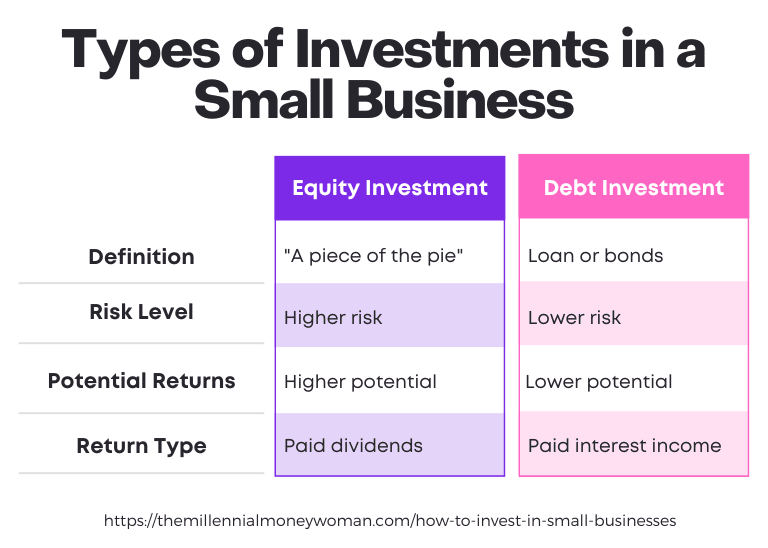
Angel investors are high-net-worth individuals who invest their own money in early-stage companies, often in exchange for equity. They typically invest smaller amounts than venture capitalists but can bring invaluable industry experience and mentorship. Finding angels often involves networking, attending pitch events, or through online platforms specializing in angel investing.
Venture Capital Firms (VCs)
Venture capital firms invest institutional money (from limited partners) into high-growth potential companies in exchange for significant equity stakes. VCs are typically looking for businesses with scalable models, large market opportunities, and the potential for substantial returns (often 10x or more). They usually come into play at later stages than angels and involve more rigorous due diligence and a more formal investment process.
Crowdfunding Platforms
Crowdfunding allows businesses to raise small amounts of capital from a large number of individuals, typically via online platforms.
- Equity Crowdfunding: Investors receive equity in your company in exchange for their funds.
- Reward-Based Crowdfunding: Backers receive a product or service (or other non-financial reward) in exchange for their contribution.
- Debt Crowdfunding: Loans from a large group of individuals.
Crowdfunding can be an excellent way to not only raise capital but also to validate your product and build a community of early adopters.
Small Business Loans and Grants
While not equity investors, traditional small business loans (e.g., SBA loans) and government grants are vital forms of funding. Loans require repayment, typically with interest, and grants usually don’t need to be repaid but often come with specific eligibility criteria and reporting requirements. These are often pursued in conjunction with or as an alternative to equity financing, particularly if you prefer to retain full ownership.
Crafting Your Pitch and Engaging with Investors
Once prepared and aware of your options, the next step is to actively engage potential investors. This requires a compelling narrative and effective communication.
The Art of the Investor Pitch Deck
Your pitch deck is a concise visual presentation (typically 10-15 slides) that tells your business story. It should be visually appealing, data-driven, and persuasive, covering the key elements of your business plan:
- Problem: Clearly articulate the problem you are solving.
- Solution: Introduce your product/service as the solution.
- Market Opportunity: Demonstrate the size and potential of your target market.
- Business Model: How you will make money.
- Competition: Your competitive landscape and differentiation.
- Team: Highlight your team’s strengths.
- Traction/Milestones: What you have achieved so far.
- Financials: Key projections and funding request.
- Ask: Clearly state how much money you are raising and what it will be used for.
Practice your pitch relentlessly until it flows naturally and confidently.
Networking and Building Relationships
Investment often comes through relationships. Attend industry events, pitch competitions, and entrepreneurial gatherings. Network with other founders, mentors, and advisors who might introduce you to potential investors. A warm introduction is far more effective than a cold email. Build genuine connections and seek advice; the funding might follow naturally.
Navigating Negotiations and Term Sheets
If an investor is interested, they will likely present a “term sheet,” a non-binding document outlining the proposed terms of the investment. This includes valuation, equity stake, investor rights, board representation, and other crucial clauses.
- Seek Legal Counsel: Always have an experienced lawyer review any term sheet before you sign it. They can help you understand complex legal jargon and negotiate favorable terms.
- Understand Dilution: Be prepared for dilution of your ownership stake. This is a natural part of taking on equity investment. Focus on how the investment will grow the overall pie, making your smaller slice more valuable.
The Due Diligence Process
Post-term sheet, investors will conduct thorough due diligence, delving into every aspect of your business. This can be an intense period, requiring you to provide extensive documentation and answer numerous questions. Be transparent, organized, and responsive. Any red flags here can derail the entire investment.
Post-Investment: Nurturing Investor Relationships
Securing the investment is not the end of the journey; it’s the beginning of a new partnership. Effective post-investment management is crucial for future success and potential follow-on funding.
Transparency and Reporting
Keep your investors regularly updated on your progress, financial performance, and any challenges you face. Provide quarterly or monthly reports, attend board meetings, and maintain open lines of communication. Transparency builds trust and ensures investors remain confident in your ability to execute.
Leveraging Investor Expertise
Good investors bring more than just capital. They often have vast experience, strategic insights, and extensive networks. Don’t hesitate to leverage their expertise. Seek their advice on strategic decisions, introductions to key contacts, or help in overcoming obstacles. They have a vested interest in your success.

Planning for Future Rounds or Exit Strategies
From day one, investors will be thinking about their exit. While it might seem premature, having a long-term vision that includes potential future funding rounds or an eventual exit strategy (e.g., acquisition, IPO) demonstrates foresight and strategic thinking. Discussing these possibilities with your investors shows you are aligned with their goals for a return on investment.
Securing investors for a small business is a marathon, not a sprint. It demands foresight, resilience, and an unwavering belief in your venture. By thoroughly preparing your business, understanding the various funding avenues, crafting a compelling narrative, and meticulously managing investor relationships, you significantly increase your chances of attracting the capital needed to transform your small business aspirations into impactful realities.
aViewFromTheCave is a participant in the Amazon Services LLC Associates Program, an affiliate advertising program designed to provide a means for sites to earn advertising fees by advertising and linking to Amazon.com. Amazon, the Amazon logo, AmazonSupply, and the AmazonSupply logo are trademarks of Amazon.com, Inc. or its affiliates. As an Amazon Associate we earn affiliate commissions from qualifying purchases.