
In an era where travel aspirations often clash with financial realities, the quest for cheap flights has become less of a luxury and more of a financial necessity for many. It’s a pursuit that transcends mere convenience, delving deep into the realm of astute personal finance, strategic budgeting, and savvy consumer behavior. Far from being a mythical treasure hunt, securing affordable airfare is a skill honed by understanding market dynamics, employing clever booking techniques, and leveraging financial tools designed to stretch your travel dollar further. This comprehensive guide will dissect the monetary strategies involved in consistently finding budget-friendly flights, transforming your travel dreams from an expensive fantasy into an accessible reality.
Understanding Airfare Dynamics: The Science of Saving
The price of an airline ticket is rarely static. It’s a dynamic figure, influenced by a complex interplay of economic factors, behavioral economics, and algorithmic pricing. To truly master the art of obtaining cheap flights, one must first grasp the underlying financial currents that dictate these fluctuating costs.
The Illusion of Fixed Prices: Why Volatility is Your Friend
Unlike many consumer goods, airfare operates on a sophisticated, demand-driven pricing model. Airlines employ intricate algorithms that constantly adjust prices based on real-time demand, competitor pricing, route popularity, and even browsing history. For the financially savvy traveler, this volatility isn’t a frustration but an opportunity. By understanding that prices will ebb and flow, you can position yourself to strike when the market is most favorable. This requires patience, monitoring, and a willingness to act decisively when a good deal emerges, rather than falling prey to the psychological trap of feeling compelled to book immediately.
The Supply and Demand Seesaw: Peak vs. Off-Peak Travel
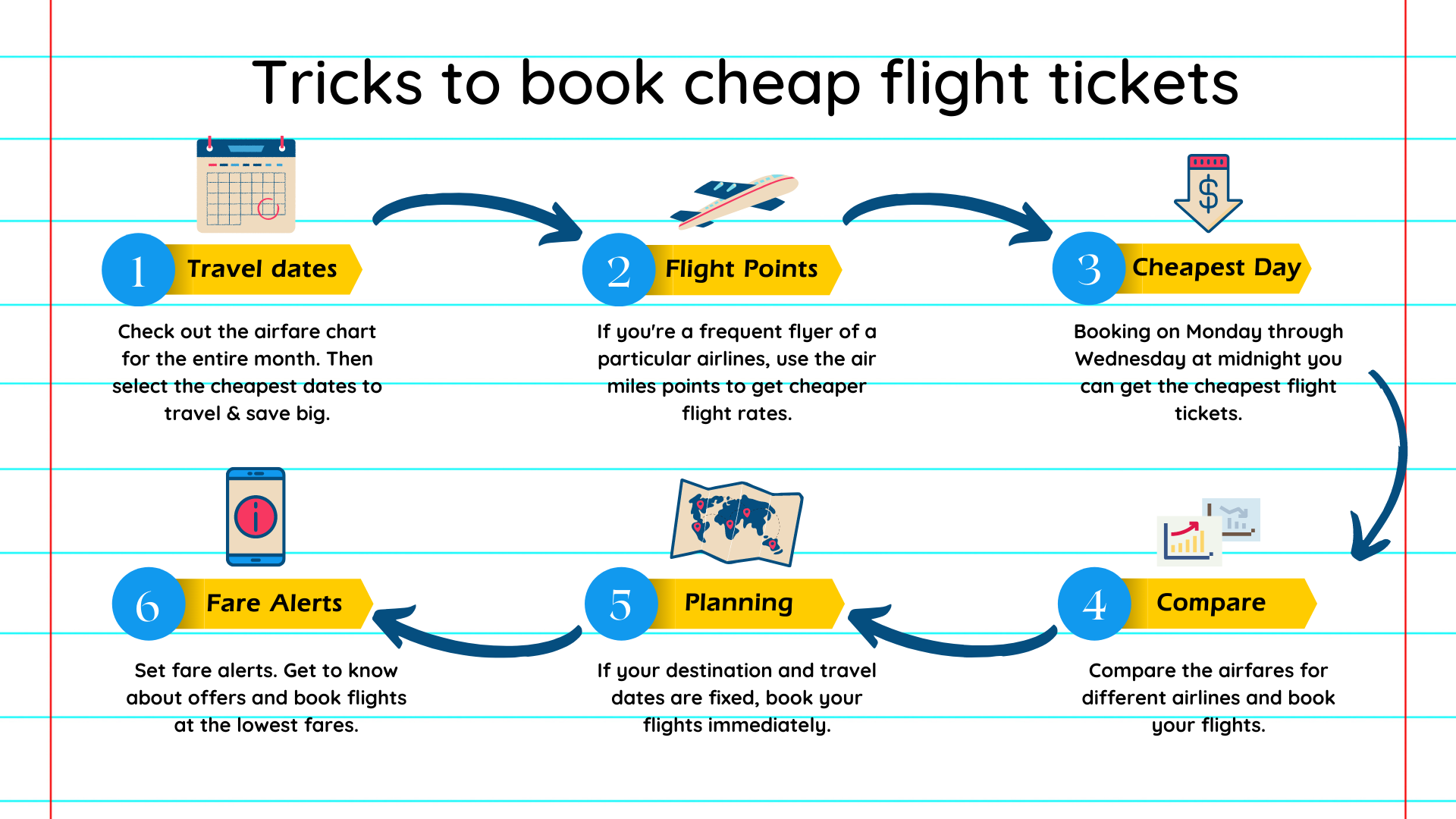
At its core, airfare pricing adheres to the fundamental economic principle of supply and demand. During periods of high demand—holidays, school breaks, major events, or popular seasons for specific destinations—airlines can command premium prices. Conversely, during off-peak times, when planes are less likely to be full, prices drop significantly as airlines compete to fill seats. From a financial perspective, consciously choosing to travel during the shoulder seasons (just before or after peak) or the true off-season can lead to substantial savings. This involves a cost-benefit analysis: is the premium for peak-season travel worth the financial outlay, or can your travel experience be just as rich (or even richer, due to fewer crowds) during a less popular time? Flexibility in your travel dates is, therefore, one of the most powerful financial levers you possess.
The ‘Sweet Spot’ Window: Timing Your Purchase for Optimal Savings
While prices fluctuate constantly, data analysis reveals a discernible “sweet spot” for booking flights. Generally, purchasing tickets too far in advance (e.g., 9-12 months out) can be expensive, as airlines initially price high to capture early bookers and business travelers. Booking too late (within a few weeks of departure) is almost always detrimental to your wallet, as last-minute availability dwindles and demand-based pricing soars. The ideal window typically falls between 21 days and 4 months before departure for domestic flights, and 2-8 months for international routes. This is when airlines have a clearer picture of demand and often release promotional fares to fill anticipated vacancies. Financially, identifying and acting within this window means optimizing your spending by avoiding both speculative early pricing and last-minute scarcity premiums.
Strategic Booking Techniques for Maximizing Your Budget
Beyond understanding the market, actively employing specific booking strategies can significantly reduce your airfare expenditure. These are actionable steps that put more money back into your pocket, turning clever tactics into real financial gains.
The Power of Flexibility: Dates, Times, and Destinations
Rigidity is the enemy of cheap flights. If your travel dates, times, or even destinations are flexible, you gain immense leverage. Flying midweek (Tuesday-Thursday) is often cheaper than weekends. Red-eye flights or early morning departures can also offer savings. For the ultimate flexibility, consider using “everywhere” or “anywhere” search functions on flight aggregators. This allows the system to identify the cheapest destinations from your departure point within a given timeframe, opening doors to unexpected and budget-friendly adventures. This approach turns your travel planning into a financial optimization exercise, prioritizing cost-efficiency over pre-conceived notions.
The Art of Incognito Browsing and VPNs
Airlines and online travel agencies (OTAs) often track your browsing habits using cookies and IP addresses. If they detect you’re repeatedly searching for the same route, they might subtly increase the price, creating a sense of urgency or fear of missing out. To circumvent this, always search for flights in incognito or private browsing mode, which prevents websites from storing your browsing history. Going a step further, using a Virtual Private Network (VPN) can allow you to appear as though you’re browsing from a different country. Airfare prices can vary by region or point of sale, so connecting via a VPN to a country with a lower cost of living or where the airline is based might reveal cheaper fares. While not a guaranteed saving, it’s a shrewd financial maneuver to explore.
One-Way vs. Round-Trip: Unbundling for Better Deals
Traditionally, round-trip tickets were seen as the most economical option. However, with the rise of budget airlines and more complex airline alliances, booking two separate one-way tickets can sometimes be cheaper. This is particularly true if you are flying different airlines for each leg of your journey or if one airline offers a significantly cheaper one-way fare for a specific segment. It requires more meticulous searching and careful timing but offers the financial flexibility to cherry-pick the best deals from different carriers. Always compare the combined cost of two one-way tickets against a single round-trip fare to ensure you’re making the most financially advantageous choice.
Leveraging Stopovers and Layovers: Sacrificing Convenience for Cost
Direct flights are the most convenient but also typically the most expensive. Introducing a stopover or a longer layover can drastically reduce the cost of a flight. Airlines often price direct routes at a premium due to high demand for convenience. By opting for an itinerary with one or more connections, you essentially trade a bit of your time and comfort for significant monetary savings. This strategy is a direct application of value-based purchasing: assessing whether the time saved on a direct flight is worth the additional financial expenditure. For budget-conscious travelers, a longer journey can translate into hundreds of dollars saved, freeing up funds for experiences at the destination.
Beyond Direct Booking: Alternative Paths to Affordable Airfare
Sometimes, the cheapest flight isn’t found through conventional search engines or direct airline websites. Exploring alternative airports, understanding the nuances of different airline models, and considering package deals can unlock further savings.
Exploring Lesser-Known Airports: The Peripheral Advantage
Major international airports often levy higher landing fees and operational costs, which airlines pass on to passengers. Many large cities are served by multiple airports, including smaller, regional ones that might be a bit further out. These secondary airports often have lower operating costs and may host budget airlines, leading to significantly cheaper flights. For example, flying into London Stansted or Luton instead of Heathrow, or Oakland instead of San Francisco International. While there might be an additional cost and time for ground transport to your final destination, a quick financial calculation often reveals that the overall savings still make this a worthwhile strategy.
Budget Airlines vs. Full-Service Carriers: A Cost-Benefit Analysis

Budget airlines (e.g., Ryanair, Spirit, Allegiant, Frontier, EasyJet) specialize in offering extremely low base fares by unbundling services that full-service carriers include. While seemingly cheaper initially, it’s crucial to perform a thorough cost-benefit analysis. Baggage fees, seat selection, in-flight meals, and even printing your boarding pass can add up quickly. For travelers with minimal luggage and no need for frills, budget airlines can offer substantial savings. However, for those needing checked bags, specific seats, or greater comfort, a full-service carrier’s inclusive fare might prove more economical or offer better value in the long run. The key is to fully understand the financial implications of each carrier’s pricing structure relative to your specific needs.
Package Deals vs. DIY Booking: When Bundling Saves Money
While typically advocating for unbundling services, there are instances where package deals (flight + hotel, or flight + car) can offer better value. Travel agencies and OTAs often negotiate bulk rates with airlines and hotels, allowing them to offer bundled prices that are lower than booking each component separately. This is particularly true for popular tourist destinations during certain seasons. The financial benefit here comes from leveraging wholesale pricing. However, always compare the package price against the individual costs of booking the flight, hotel, and car rental separately. Sometimes, a “deal” is simply marketing, and doing it yourself can still be cheaper.
The Art of Error Fares and Flash Sales: Being Prepared for Serendipity
Error fares (mistake fares) occur when airlines accidentally publish incorrect, unusually low prices due to technical glitches or human error. These are rare but can offer incredibly deep discounts. Flash sales are intentional, short-term promotions designed to stimulate demand. Both require vigilance and the ability to book quickly before the error is corrected or the sale ends. Financially, capitalizing on these opportunities means being signed up for fare alerts, following deal aggregators, and having your travel documents and payment information ready to go. It’s an opportunistic strategy that can yield extraordinary savings for the prepared and decisive traveler.
Harnessing Financial Tools and Loyalty Programs
Beyond smart booking tactics, integrating personal finance tools and loyalty programs into your travel strategy is paramount for long-term savings and maximizing value. These avenues turn your everyday spending into future travel currency.
Travel Credit Cards: Unlocking Rewards, Miles, and Sign-Up Bonuses
Travel credit cards are a cornerstone of budget travel. Many offer substantial sign-up bonuses (often enough for a free round-trip flight or more) upon meeting initial spending requirements. Earning points or miles on everyday purchases means you’re continuously accruing value that can be redeemed for flights. Furthermore, many travel cards offer perks like free checked bags, lounge access, travel insurance, or statement credits for travel expenses, all of which represent tangible financial savings. However, responsible credit card use is crucial; only pursue these cards if you can pay off your balance in full each month to avoid interest charges that would negate any travel rewards.
Frequent Flyer Programs: Building Loyalty for Future Savings
Even without a co-branded credit card, joining an airline’s frequent flyer program is a no-brainer. These programs reward loyalty, earning you miles or points for every flight you take. While individual flights might not yield enough for a free trip immediately, points accumulate over time. These can be redeemed for flights, upgrades, or even hotel stays. Moreover, achieving elite status in a program can unlock benefits like priority boarding, extra baggage allowance (saving on fees), or complimentary upgrades, all of which contribute to a more financially efficient and comfortable travel experience.
Redeeming Points and Miles Strategically: Maximizing Value
Redeeming your accumulated points and miles effectively is an art in itself. Not all redemptions offer the same value. Generally, redeeming points for international business or first-class travel often yields the highest “cents per point” value. However, if your goal is simply to fly for free, domestic economy flights can also be excellent uses of points, especially during off-peak times when cash fares are low but still significant to your budget. Avoid redeeming points for merchandise or gift cards, as these typically offer a much lower value. Understanding peak and off-peak redemption rates and watching for sweet spots in airline award charts can turn a moderate points balance into a dream trip for minimal cash outlay.
Understanding Companion Passes and Status Benefits
Some premium travel credit cards offer companion passes, allowing a travel partner to fly for free (or for a small fee) when you purchase a ticket. This can halve the cost of airfare for two people, representing immense savings. Similarly, achieving elite status with an airline often comes with benefits that translate directly into money saved, such as waived baggage fees, complimentary upgrades (saving you from paying for premium economy or business class), and priority service that can prevent costly delays or missed connections. These are financial incentives embedded within loyalty programs, rewarding frequent travelers with tangible economic advantages.
Avoiding Hidden Costs and Common Pitfalls
The quest for cheap flights isn’t just about finding a low base fare; it’s also about meticulously avoiding the myriad of hidden fees and common mistakes that can inflate your final travel budget. A truly cheap flight is one where the advertised price closely matches the final amount you pay.
Baggage Fees: Weighing Your Options (Literally and Financially)
One of the most significant hidden costs comes from baggage fees. Budget airlines, in particular, are notorious for charging for both checked and carry-on bags. Before booking, check the airline’s baggage policy and factor these costs into your total fare. Can you pack lighter and travel with just a personal item? Or is paying for a checked bag still cheaper than a full-service airline’s inclusive fare? Some travel credit cards offer a free checked bag, a direct financial saving. Accurately weighing your bags before heading to the airport can also prevent costly overweight baggage fees.
Seat Selection Charges: Is Comfort Worth the Premium?
Many airlines now charge for seat selection, especially for preferred seats with extra legroom or near the front of the cabin. While tempting to pay for comfort, if you’re on a tight budget, skipping paid seat selection can save you money. You’ll typically be assigned a seat for free at check-in or the gate. For short flights, the cost of a specific seat might not be worth the premium. For longer flights, it’s a personal financial decision weighing comfort against cost.
Change and Cancellation Fees: The Cost of Uncertainty
Life happens, and plans change. However, modifying or canceling a flight can incur hefty fees that sometimes exceed the original ticket price. Many airlines, especially budget carriers, offer basic, non-refundable fares. If there’s any uncertainty in your travel plans, consider purchasing a slightly more expensive “flexible” fare or travel insurance. While insurance is an upfront cost, it can provide significant financial protection against unforeseen circumstances, saving you from losing the entire value of your ticket or paying exorbitant change fees.

Dynamic Currency Conversion: Paying in the Local Currency
When paying for international flights, you might be offered the option to pay in your home currency. This is often an example of Dynamic Currency Conversion (DCC), where the merchant’s bank converts the currency at an unfavorable exchange rate, adding a hidden fee. Always opt to pay in the local currency of the country where the airline is based or where the transaction is processed. Your own credit card company will likely offer a much better exchange rate, especially if you have a card with no foreign transaction fees, resulting in direct financial savings.
The pursuit of cheap flights is not a matter of luck but a testament to financial literacy, strategic planning, and diligent execution. By understanding the economic forces at play, employing savvy booking techniques, leveraging financial tools, and meticulously avoiding hidden costs, travelers can consistently unlock affordable airfare. This empowers them to explore the world without breaking the bank, demonstrating that prudent personal finance can indeed be the ultimate passport to global adventures.
aViewFromTheCave is a participant in the Amazon Services LLC Associates Program, an affiliate advertising program designed to provide a means for sites to earn advertising fees by advertising and linking to Amazon.com. Amazon, the Amazon logo, AmazonSupply, and the AmazonSupply logo are trademarks of Amazon.com, Inc. or its affiliates. As an Amazon Associate we earn affiliate commissions from qualifying purchases.