
The allure of first class travel is undeniable: spacious lie-flat seats, gourmet dining, attentive service, and an overall elevated journey that transforms air travel from a chore into a luxurious experience. However, the price tag often keeps this dream firmly out of reach for the average traveler. But what if we told you that flying first class doesn’t always require a stratospheric budget? Within the realm of personal finance and savvy travel hacking, there are indeed strategies to significantly reduce the cost of these premium seats. This guide will delve into the financial intelligence and tactical approaches required to unlock cheap first class airline tickets, ensuring you fly in style without breaking the bank.

Decoding the Dynamics of First Class Pricing
Before we can strategize on getting a deal, it’s crucial to understand why first class tickets are so expensive in the first place and how airlines set these prices. This foundational knowledge empowers you to look for opportunities where the system might offer an advantage.
The Premium Price Tag: What You’re Paying For
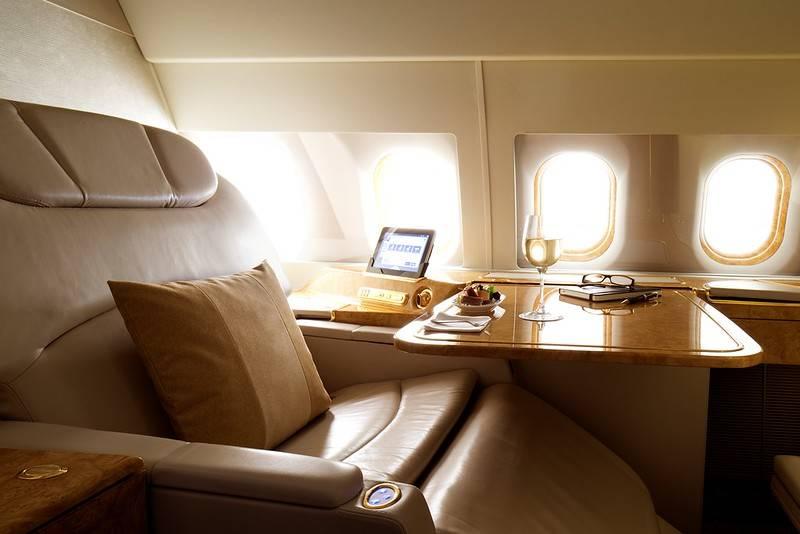
First class isn’t just a seat; it’s an experience curated to offer comfort, privacy, and exceptional service from the moment you step into the airport until you reach your destination. You’re paying for priority check-in, exclusive lounge access, expedited security, dedicated cabin crew, fine dining, premium beverages, amenity kits, and of course, a significantly more comfortable seat, often transforming into a bed. From a financial perspective, airlines are segmenting their market, offering a premium product to those willing to pay for exclusivity and comfort, which naturally commands a higher price point due to the limited supply and high perceived value.
Supply, Demand, and Dynamic Pricing Algorithms
Airline pricing is a complex science, driven by sophisticated algorithms that constantly adjust fares based on a multitude of factors. For first class, these factors include the route’s popularity, competitor pricing, booking trends, time until departure, day of the week, seasonality, and even the individual passenger’s search history. Airlines aim to maximize revenue for every seat. If a route is highly demanded by business travelers (who often pay premium fares regardless of cost), prices will naturally be higher. Conversely, if a flight is undersold, algorithms might trigger last-minute discounts to fill seats that would otherwise fly empty, generating zero revenue. Understanding this dynamic interplay is the first step in identifying potential windows of opportunity.
The Myth of “Cheap” vs. “Value”: Redefining Expectations
It’s important to set realistic expectations. “Cheap” first class rarely means budget economy prices. Instead, it often refers to securing a first class ticket at a significantly lower price than its published fare, or achieving a high value for your money – for instance, redeeming points for a flight that would otherwise cost thousands. The goal isn’t necessarily to find a ticket for $200, but rather to get a $10,000 seat for $2,000 in cash, or for the equivalent of $500 in points and fees. This redefinition of “cheap” to “exceptional value” is crucial for any aspiring first class traveler.
Strategic Planning and Timely Execution
Much like investing or managing personal finances, securing a deal on first class tickets requires foresight, research, and a strategic approach to timing and flexibility. Haphazard searching is unlikely to yield the best results.
The Art of Early Booking and Price Tracking
While last-minute deals can sometimes materialize, a general rule of thumb for premium cabins is that booking further in advance often provides better pricing, especially on popular routes. Airlines tend to release their cheapest premium inventory months in advance to entice early bookers. Tools like Google Flights, Skyscanner, or specific airline apps offer price tracking alerts. Set up alerts for your desired route and travel period, and be prepared to act quickly when a favorable price drop occurs. Consistently monitoring price fluctuations allows you to identify trends and strike when the market is in your favor.
Harnessing Flexibility: Dates, Airports, and Airlines
Flexibility is perhaps the single most potent weapon in a deal-hunter’s arsenal. If your travel dates are rigid, your chances of finding a bargain plummet.
- Flexible Dates: Flying mid-week (Tuesday, Wednesday) or during off-peak seasons typically yields lower fares than weekend or holiday travel. Experiment with different departure and return dates around your preferred travel window.
- Flexible Airports: Consider flying out of or into alternative, smaller airports within a reasonable driving distance of your primary origin or destination. Sometimes, the pricing difference from a less busy hub can be substantial enough to justify the extra ground travel.
- Flexible Airlines: Don’t be loyal to a single airline in your initial search. Broaden your scope to include various carriers, especially those known for competitive premium fares or frequent sales on specific routes. Utilizing flight aggregators that search across multiple airlines is key here.
The Sweet Spot: When to Book First Class Tickets
While there’s no single magic number, general wisdom suggests booking international first or business class tickets anywhere from 3 to 11 months in advance. This window often captures the initial release of premium inventory at competitive prices, before demand truly drives them up. For domestic first class, the window might be a bit shorter, perhaps 2 to 6 months out. However, always cross-reference this with your price tracking. Sometimes, a “flash sale” might appear closer to departure, but relying on this is riskier. The goal is to secure a good price early, then continue tracking to see if an even better deal emerges closer to the date, which might allow for a rebooking if the fare rules permit.
Maximizing Loyalty Programs and Travel Rewards
For many seasoned travelers, the most effective and financially prudent way to experience first class isn’t by paying cash, but by strategically leveraging airline loyalty programs and credit card travel rewards. This is where your financial management skills can truly shine.
Accumulating Miles and Points: Credit Card Strategies

The fastest way to accumulate a substantial stash of airline miles or transferable points is through travel rewards credit cards.
- Sign-Up Bonuses: Many premium travel cards offer lucrative sign-up bonuses, often enough for a round-trip first class ticket on certain routes after meeting a minimum spending requirement. Look for cards with large bonuses (e.g., 50,000 to 100,000+ points).
- Everyday Spending: Use your credit card for all your regular purchases to earn points on every dollar spent. Choose cards that offer bonus points in categories where you spend the most (e.g., dining, groceries, travel).
- Co-Branded Airline Cards: These cards often come with perks like priority boarding, free checked bags, and sometimes even upgrade certificates, in addition to earning miles directly with that airline.
Smart Redemption: Getting the Most Value for Your Points
Accumulating points is only half the battle; redeeming them wisely is where the financial value is realized.
- Transfer Partners: Many flexible points programs (like Chase Ultimate Rewards, Amex Membership Rewards, Capital One Venture X, Citi ThankYou Points) allow you to transfer points to various airline loyalty programs. Research which transfer partners offer the best redemption rates for first class on your desired routes. Often, redeeming points through a partner airline’s program can require significantly fewer miles than booking directly through the original card issuer’s portal.
- Sweet Spots: Some airline programs have “sweet spots” – specific routes or cabin classes where the mileage requirement is disproportionately low compared to the cash price. For instance, flying certain routes using ANA Mileage Club or Avianca LifeMiles might offer incredible value for first class redemptions.
- Avoiding Poor Redemptions: Be wary of redeeming points at a fixed value (e.g., 1 cent per point) through a credit card travel portal for first class. While convenient, this often provides significantly less value than transferring points to an airline partner and booking a “saver” award ticket. The goal is to achieve 3-10 cents per point in value for first class redemptions.
Elite Status Perks: Unlocking Upgrade Opportunities
Achieving elite status with an airline or an airline alliance can provide a golden ticket to first class travel without the hefty price tag.
- Complimentary Upgrades: Many airlines offer complimentary upgrades to first class on domestic routes for their elite members, often on a space-available basis. While not guaranteed, high-tier elites have a strong chance.
- Upgrade Certificates: Higher tiers of elite status sometimes come with upgrade certificates that can be used to confirm upgrades to first class on both domestic and international flights, either for a small co-pay or for free.
- Priority for Paid Upgrades: Even if not complimentary, elite status often puts you higher on the list for discounted paid upgrades at check-in or the gate, as airlines prioritize their most valuable customers.
Tactical Approaches for Last-Minute Upgrades and Deals
While early planning and point redemptions are strategic cornerstones, there are also more tactical, sometimes spontaneous, ways to snag first class at a reduced rate, often closer to departure.
The Art of the Op-Up (Operational Upgrade)
An “operational upgrade” (Op-Up) is a free upgrade to a higher cabin class given by an airline, typically when the economy cabin is oversold, or due to a change in aircraft. While entirely at the airline’s discretion, you can increase your chances:
- Be a Loyalty Program Member: Airlines prioritize their elite status members first.
- Dress Smartly: While not a guaranteed factor, presenting yourself well can sometimes make a subconscious positive impression.
- Travel Solo: It’s easier for an airline to upgrade one person than a family of four.
- Be Polite and Pleasant: A positive attitude can go a long way if you need to interact with gate agents.
- Don’t Ask for It: Aggressively asking for a free upgrade rarely works and can be counterproductive. Let the airline make the decision.
Bidding for Upgrades and Paid Upgrades at Check-in
Many airlines now offer passengers the opportunity to bid for upgrades to first or business class, or to purchase discounted upgrades at check-in or at the gate.
- Upgrade Bidding Programs: Airlines like Lufthansa, Etihad, and Air New Zealand allow passengers to submit bids for an upgrade to a higher cabin. If your bid is accepted (often 24-72 hours before departure), you pay the bid amount and enjoy the upgraded experience. Research what a “winning bid” typically looks like for your route.
- Check-in or Gate Upgrades: If first class seats remain unsold close to departure, airlines might offer them at a reduced cash price. These can be significantly cheaper than booking first class outright and often represent excellent value, especially on long-haul flights. Always check the airline’s website or app in the days leading up to your flight, and inquire at the check-in counter or gate.
Discounted Premium Fare Sales and Error Fares
Occasionally, airlines will run legitimate sales on first and business class tickets, or an “error fare” might appear due to a technical glitch.
- Flash Sales: Keep an eye on airline newsletters, social media, and dedicated flight deal websites (like Scott’s Cheap Flights or Secret Flying) for announcements of premium cabin sales. These sales are often for specific routes and travel windows.
- Error Fares: While rare, error fares (e.g., a first class ticket priced at an economy fare) do happen. These require extreme vigilance and quick action, as airlines typically correct them rapidly. If you find one, book immediately, but understand there’s a small risk the airline might not honor it (though most do).
Beyond the Conventional: Advanced Strategies and Considerations
For the truly dedicated, there are even more nuanced approaches and philosophical considerations when it comes to experiencing first class travel.
Flying Less Popular Routes or Airlines
Just as flexibility in dates and airports helps, so does considering less conventional routes or carriers. Flying first class on an airline that’s not a major player on your route, or choosing a connecting flight instead of a direct one, can sometimes present better value for cash fares. Niche carriers or airlines with strong regional networks might have competitive premium cabin pricing to attract customers. Similarly, flying to a slightly less popular destination and then taking a short connecting flight in economy might be cheaper overall than a direct first class ticket to your ultimate destination.
Utilizing Travel Agents Specializing in Premium Fares
While online booking is dominant, traditional travel agents, especially those specializing in premium and luxury travel, can sometimes access consolidated fares, unpublished rates, or special deals with airlines that aren’t available to the general public. They often have long-standing relationships with specific carriers and can piece together complex itineraries or advise on optimal booking strategies that save money. For very complex or expensive first class itineraries, their expertise can be invaluable.
The Cost-Benefit Analysis: Is First Class Always Worth It?
Finally, it’s crucial to perform a personal cost-benefit analysis. Even with a “cheap” first class ticket, you’re still likely spending significantly more than an economy fare. Is the incremental comfort, service, and experience truly worth the extra financial outlay for you? For a short, 2-hour flight, the value proposition might be low. For a 12-hour international journey, it could be transformative. Consider your personal travel priorities, your budget, and the specific amenities offered. Ultimately, getting “cheap” first class airline tickets is about making an informed financial decision that maximizes your travel comfort without compromising your broader financial well-being. By employing these strategies, the dream of gliding through the skies in luxury can become a much more achievable reality.
aViewFromTheCave is a participant in the Amazon Services LLC Associates Program, an affiliate advertising program designed to provide a means for sites to earn advertising fees by advertising and linking to Amazon.com. Amazon, the Amazon logo, AmazonSupply, and the AmazonSupply logo are trademarks of Amazon.com, Inc. or its affiliates. As an Amazon Associate we earn affiliate commissions from qualifying purchases.