
In an era where digital transactions have become the standard for everything from grocery shopping to global travel, having access to a plastic or digital payment method is no longer a luxury—it is a necessity. However, not everyone wants or qualifies for a traditional credit card. Whether you are looking to stick to a strict budget, protect your primary bank account from online fraud, or manage finances without a credit check, a prepaid card offers a versatile solution.
Commonly referred to as “prepaid credit cards,” these tools are technically prepaid debit cards. Unlike traditional credit cards, which allow you to borrow money up to a certain limit, a prepaid card requires you to load funds onto it in advance. You can only spend what you have deposited. Because they do not involve a line of credit, the process of acquiring one is significantly different and often much simpler than applying for a standard Visa or Mastercard.
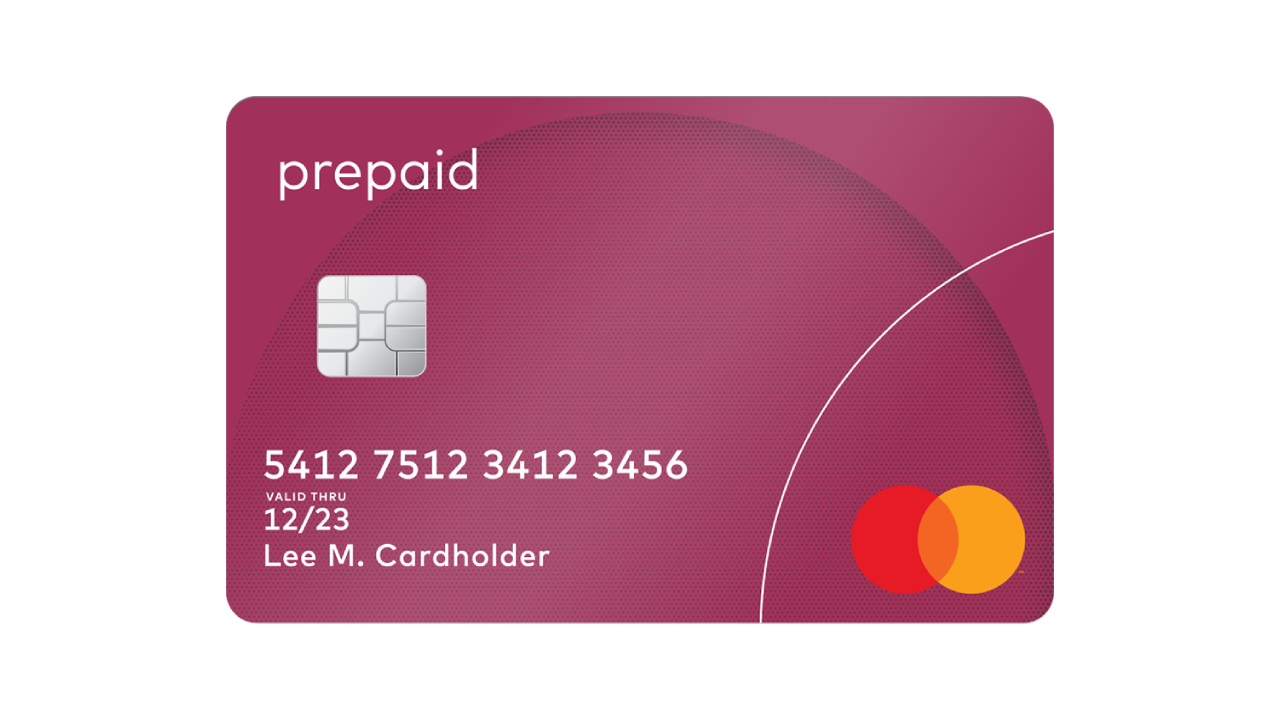
The Path to Acquisition: A Step-by-Step Guide
Getting a prepaid card is a straightforward process, but the specific steps can vary depending on whether you are purchasing a card at a physical retail location or applying for one online through a financial institution or fintech provider.
Choosing Your Provider and Card Type
The first step is determining which type of prepaid card suits your financial lifestyle. Retail-based cards, often found at pharmacies or grocery stores, are ideal for immediate use. These are frequently branded by major networks like Visa, Mastercard, or American Express. On the other hand, digital-first prepaid cards offered by online banks or financial apps often provide more robust features, such as direct deposit, mobile check loading, and integrated budgeting tools.
When choosing a provider, look beyond the brand name. Examine the network—ensure it is widely accepted—and check if the card offers a companion mobile app for real-time balance tracking. Some cards are designed specifically for travel, offering low foreign transaction fees, while others are geared toward household budgeting.
The Registration and Identification Process
Because of federal regulations aimed at preventing money laundering and identity theft (commonly known as “Know Your Customer” or KYC laws), you cannot use a reloadable prepaid card anonymously for long. While you can buy a “temporary” card at a store with cash, you must register it to unlock its full functionality, including the ability to reload funds and use it at ATMs.
During the registration process, you will typically need to provide:
-
Full legal name
-
Physical mailing address (not a P.O. Box)
-
Date of birth
-
Social Security Number (SSN) or Individual Taxpayer Identification Number (ITIN)
Unlike a traditional credit card application, this process does not involve a hard credit inquiry. The provider is simply verifying your identity to comply with banking regulations.
Loading Initial Funds and Activation
Once your identity is verified, you must fund the card. If you purchase a card at a retail store, you pay the cashier the amount you wish to load plus a small “starter” or “acquisition” fee. If you apply online, you may need to link a bank account or wait for the physical card to arrive in the mail before you can add funds via direct deposit or a mobile check scan.
Once the card is in your possession, you usually activate it via a phone call or a dedicated mobile app. After activation, you will set a Personal Identification Number (PIN), making the card ready for both “swipe and sign” and “debit” transactions.
Navigating the Cost Structure: What to Look for in a Provider
While prepaid cards offer convenience and accessibility, they are notorious for their fee structures. Because the issuer is not making money from interest (since you aren’t borrowing money), they generate revenue through various service charges. To get the most value out of your card, you must understand these costs before you commit.
Monthly Maintenance and Transaction Fees
Many prepaid cards charge a monthly service fee, which can range from $3 to $10. Some providers will waive this fee if you maintain a certain balance or if you have a minimum amount of money direct-deposited into the account each month.
Transaction fees are less common today than they were a decade ago, but some “pay-as-you-go” plans still charge a small fee (e.g., $1.00) every time you make a purchase. For frequent users, a card with a flat monthly fee is almost always more economical than one with per-transaction charges.
Reload and ATM Fees
How you put money on the card can significantly impact its cost-effectiveness. Direct deposit is almost always free and is the most efficient way to use a prepaid card as a primary spending account. However, if you load cash at a retail location (using services like Green Dot or MoneyGram), the retailer may charge a “reload fee” of $3.95 to $5.95 per instance.
ATM usage is another area where costs can accumulate. Most prepaid cards offer a network of “surcharge-free” ATMs. If you step outside that network, you may be hit with a fee from both the card issuer and the ATM owner. Always check the provider’s app to find the nearest free withdrawal point.
Hidden and Occasional Costs
Before signing up, read the “Long Form” fee disclosure. You might find fees for:
-
Inactivity: Charged if you don’t use the card for 90 days.
-
Balance Inquiries: Charged when you check your balance at an ATM rather than on the app.
-
Paper Statements: Charged if you request a physical copy of your transaction history.
-
Card Replacement: Charged if you lose your card and need a new one mailed to you.
The Critical Distinction: Prepaid Cards vs. Traditional and Secured Credit
It is a common misconception that using a “prepaid credit card” will help build your credit score. In the world of personal finance, the distinction between these tools is vital for long-term financial health.
Why Prepaid Cards Do Not Build Credit
Credit scores are based on your history of borrowing money and paying it back. Because a prepaid card only uses money you already own, there is no debt involved. Consequently, prepaid card issuers do not report your activity to the three major credit bureaus (Equifax, Experian, and TransUnion). If your primary goal is to improve your credit score to eventually qualify for a mortgage or an auto loan, a prepaid card is not the right tool.
Prepaid vs. Secured Credit Cards
If you need a card that looks and acts like a prepaid card but does build credit, you should look into a “secured credit card.”
-
Prepaid Card: You load money into an account and spend it. There is no credit check, and no impact on your credit score.
-
Secured Credit Card: You provide a security deposit (e.g., $500) which acts as your credit limit. You are borrowing against that limit and must pay the balance back every month. Because this is a form of credit, the issuer reports your payments to the credit bureaus, helping you build a positive credit history.
The Advantage of “No Debt” Risk
The primary advantage of the prepaid model over any form of credit card—secured or unsecured—is the impossibility of falling into debt. With a prepaid card, there is no interest (APR) because there is no balance to carry. For individuals who have struggled with overspending in the past, the “hard stop” of a prepaid card (where the transaction is declined if funds are insufficient) provides a level of financial discipline that credit cards cannot offer.
Strategic Uses for Prepaid Financial Tools
Beyond being a simple alternative to a bank account, prepaid cards serve several strategic purposes in a modern financial plan.
Budgeting and Expense Management
Many financial advisors recommend the “envelope method” for budgeting, where you allocate specific amounts of cash for different categories (groceries, entertainment, etc.). Prepaid cards are the digital version of this. By loading only your monthly “discretionary spending” onto a prepaid card, you create a physical barrier to overspending. Once the card is empty, your fun budget is exhausted for the month, protecting the money in your primary savings or checking account meant for rent and utilities.
Enhanced Security for Online Shopping
Data breaches are an unfortunate reality of the digital economy. If you link your primary debit card (connected to your life savings) to every app and website you use, you are at higher risk. A prepaid card acts as a firewall. By loading only the amount you need for a specific purchase, you ensure that even if the card details are compromised, the “hacker” only has access to a minimal balance, and your main bank account remains untouched.
A Tool for Financial Education
Prepaid cards are an excellent way to introduce teenagers to the world of digital finance. Many providers offer “Sub-Accounts” for minors, where parents can load allowance money, monitor spending in real-time, and even lock the card instantly through an app if it is lost. It provides the experience of using a card and managing a digital balance without the risk of the teenager racking up debt or overdrafting a traditional bank account.

Final Considerations: Choosing the Right Path
Getting a prepaid card is a simple task, but choosing the right one requires a moment of reflection on your financial goals. If you are unbanked and need a way to receive your paycheck via direct deposit, look for a card with low monthly fees and high daily spending limits. If you are a traveler, look for a card with no foreign transaction fees.
Ultimately, the “prepaid credit card” is a bridge to financial inclusion. It provides the utility of the global payments network to everyone, regardless of their credit history. By understanding the fee structures, the registration requirements, and the strategic benefits of these cards, you can turn a simple piece of plastic into a powerful tool for financial control and security. While it won’t build your credit score, it can certainly help you build a more disciplined and secure financial life.
aViewFromTheCave is a participant in the Amazon Services LLC Associates Program, an affiliate advertising program designed to provide a means for sites to earn advertising fees by advertising and linking to Amazon.com. Amazon, the Amazon logo, AmazonSupply, and the AmazonSupply logo are trademarks of Amazon.com, Inc. or its affiliates. As an Amazon Associate we earn affiliate commissions from qualifying purchases.