
In an increasingly digital world, the ability to send, receive, and manage money online has become an indispensable aspect of personal and business finance. Among the myriad of digital payment platforms, PayPal stands out as a global leader, offering a robust and versatile solution for countless financial transactions. Whether you’re an individual looking to shop securely online, a freelancer receiving payments from international clients, or a small business owner processing sales, understanding how to get a PayPal account is the foundational step towards unlocking a world of digital financial convenience. This comprehensive guide will walk you through the process, explore the financial implications, and provide insights into leveraging PayPal for various monetary needs, all within the framework of savvy financial management.

Understanding PayPal’s Role in Modern Finance
Before diving into the mechanics of account creation, it’s crucial to grasp why PayPal has become such a ubiquitous and integral financial tool. Its existence profoundly impacts how individuals manage personal finances, how entrepreneurs conduct business, and how money moves across borders.
The Evolution of Digital Payments
Historically, financial transactions were bound by physical currency, checks, or direct bank transfers, often involving significant delays and geographic limitations. The advent of the internet paved the way for digital payment systems, with PayPal emerging in the late 1990s as a pioneer in facilitating online transactions. It democratized digital money movement, making it accessible to anyone with an email address and a bank account or credit card. This shift fundamentally altered commerce, enabling the rise of e-commerce, the gig economy, and global digital marketplaces. For individuals, it meant quicker access to funds and simpler online shopping. For businesses, it opened up new customer bases and streamlined payment processing.
Why PayPal Remains a Premier Financial Tool
Decades later, PayPal continues to be a premier financial tool for several compelling reasons:
- Widespread Acceptance: It is accepted by millions of merchants worldwide, making it a highly versatile payment method for online shopping.
- Ease of Use: The platform is designed for intuitive navigation, simplifying complex financial actions like sending money or paying bills.
- Security Features: PayPal employs advanced encryption and fraud protection measures, offering a layer of security often superior to direct credit card payments, protecting users’ financial information.
- Dispute Resolution: Its buyer and seller protection policies provide a mechanism for resolving transaction disputes, offering peace of mind to both parties.
- Integration with Financial Ecosystems: PayPal integrates seamlessly with various banks, credit unions, and other financial services, acting as a central hub for digital funds.
- Support for Diverse Financial Needs: From peer-to-peer payments to robust business solutions, PayPal caters to a broad spectrum of financial activities.
Personal vs. Business Accounts: Choosing Your Financial Path
One of the first financial decisions you’ll make when setting up a PayPal account is whether to open a Personal or Business account. This choice has significant implications for how you manage your money, track income, and adhere to financial regulations.
- Personal Accounts: Ideal for individuals who primarily use PayPal for online shopping, sending money to friends and family, or occasionally receiving payments for small, informal transactions (e.g., selling an item on a marketplace). These accounts are simpler to set up and manage, focusing on convenience for everyday financial interactions.
- Business Accounts: Designed for entrepreneurs, freelancers, small business owners, and larger enterprises. Business accounts offer features essential for commercial operations, such as accepting payments from customers using various methods (credit cards, PayPal balance), invoicing, managing multiple users, and integrating with e-commerce platforms. They also provide tools for financial reporting and often require more detailed business information during setup, which is crucial for tax purposes and financial auditing. Choosing a Business account ensures proper segregation of personal and business finances, a fundamental principle of sound financial management.
Your decision should align with your primary use case. If you anticipate receiving payments for goods or services regularly, a Business account is the financially prudent choice, providing the necessary tools and ensuring compliance with financial reporting requirements.
A Step-by-Step Guide to Setting Up Your PayPal Account
The process of getting a PayPal account is streamlined and user-friendly, designed to get you up and running with minimal hassle. However, understanding each step ensures a smooth financial onboarding experience.
Initiating the Sign-Up Process
To begin, navigate to the official PayPal website (paypal.com) or download the PayPal mobile app. You’ll typically find a “Sign Up” or “Get Started” button prominently displayed. Clicking this will prompt you to choose between a Personal and Business account, as discussed above. Make your selection carefully, as changing account types later might involve additional steps.
Providing Essential Information
Regardless of the account type, PayPal will require certain personal and financial information to verify your identity and comply with financial regulations (Know Your Customer – KYC and Anti-Money Laundering – AML laws). This typically includes:
- Your Full Name: As it appears on official identification documents.
- Email Address: This will serve as your primary identifier for transactions and account access. Choose a secure email address you actively use.
- Mobile Phone Number: For security verification (two-factor authentication) and account recovery.
- Physical Address: Your current residential address.
- Date of Birth: To confirm you meet the age requirement (usually 18 years or older).
- Password: Create a strong, unique password to protect your financial account.
For Business accounts, you will also need to provide information about your business, such as the business name, type, and possibly tax identification numbers (EIN/TIN). This information is crucial for PayPal to verify the legitimacy of your business and ensure proper financial reporting.
Linking Your Financial Instruments (Bank Accounts & Cards)
While you can receive money into your PayPal balance without linking a bank account or card, to fully utilize PayPal’s financial capabilities—such as sending money, making purchases, or withdrawing funds—you’ll need to link a funding source.
- Linking a Bank Account: This is often the most cost-effective way to fund transactions and withdraw your PayPal balance. PayPal will typically initiate small deposits (usually a few cents) into your bank account, which you’ll then need to verify by entering the amounts back into PayPal. This process confirms you own the bank account, bolstering the security of your financial connections.
- Linking a Credit or Debit Card: Cards offer instant funding for transactions and can serve as a backup payment method. Linking a card usually involves entering the card number, expiration date, and security code. PayPal may make a small temporary charge to verify the card, which is then refunded.
You can link multiple bank accounts and cards, allowing for flexibility in managing your digital finances.
Verifying Your Account for Enhanced Financial Access
After linking your bank account or card, PayPal will often prompt you to verify your account fully. This step is critical for several financial reasons:
- Removing Limits: Unverified accounts often have limits on how much money you can send, receive, or withdraw. Verification removes these restrictions, providing full financial flexibility.
- Enhanced Security: It adds an extra layer of security, making it harder for unauthorized individuals to use your account.
- Access to All Features: Many advanced features, particularly for Business accounts, become available only after full verification.
- Compliance: Full verification helps PayPal comply with financial regulations, ensuring a secure and legitimate environment for all users.
Verification usually involves confirming your email address, phone number, and linking and confirming a bank account or credit card. In some cases, especially for higher transaction volumes or business accounts, PayPal may request additional documentation, such as a government-issued ID or business registration documents. Completing this step is a vital practice for responsible digital financial management.
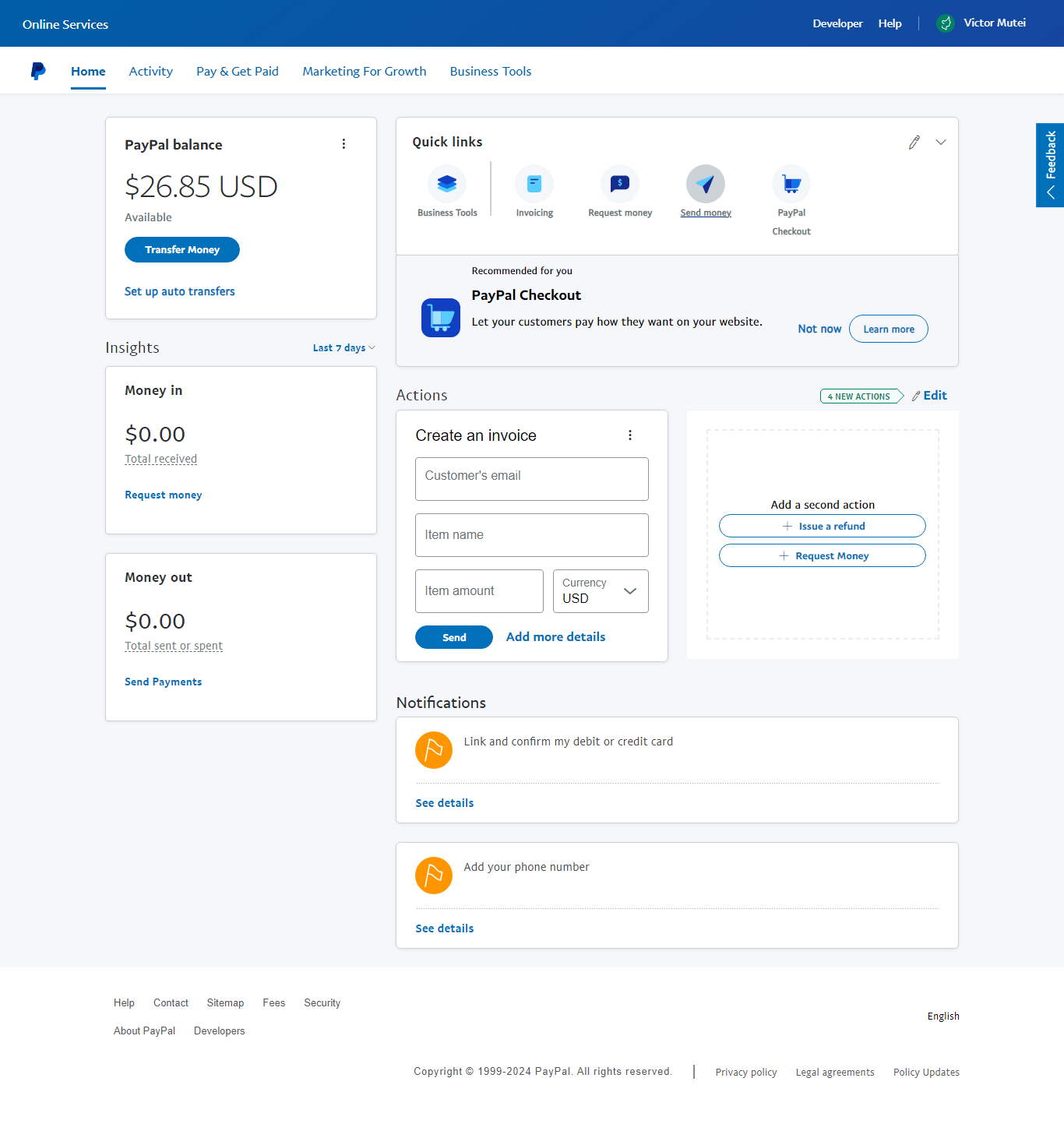
Leveraging PayPal for Diverse Financial Activities
Once your PayPal account is set up and verified, you unlock a powerful suite of financial tools. Its utility extends far beyond simple online payments, integrating into various aspects of personal and business finance.
Sending and Receiving Money with Ease
At its core, PayPal simplifies money transfers.
- Sending Money: You can send money to friends, family, or businesses using just their email address or phone number. For personal payments, you can typically choose to pay from your PayPal balance, linked bank account (often free), or a linked card (may incur a fee). For goods and services, buyer protection is usually included, reflecting PayPal’s commitment to secure financial transactions.
- Receiving Money: Individuals can receive payments into their PayPal balance. For businesses, PayPal offers robust solutions to accept payments from customers worldwide, which is invaluable for online income streams and international trade. Received funds can be kept in your PayPal balance for future transactions, transferred to a linked bank account, or used to fund a PayPal Debit Card.
Secure Online Shopping and Bill Payments
PayPal is a preferred payment method for millions of online retailers.
- Online Shopping: When checking out, simply select PayPal as your payment option. You’ll be redirected to PayPal to log in and confirm the payment. This process keeps your sensitive financial information (bank details, card numbers) private from the merchant, adding a significant layer of security to your online purchases.
- Bill Payments: Many utility companies, service providers, and even government agencies now accept PayPal, allowing you to manage various monthly expenses from a single digital wallet. This streamlines personal finance management and helps track spending.
Facilitating Online Income and Side Hustle Payments
For the growing number of individuals involved in the gig economy, freelancing, or running online businesses, PayPal is an essential financial instrument.
- Freelancers: Easily receive payments from clients globally, often in various currencies. This dramatically reduces the complexity of international payment processing.
- Online Sellers: Platforms like eBay, Etsy, and many e-commerce sites integrate seamlessly with PayPal, allowing sellers to accept payments for goods sold. PayPal’s seller protection policies offer a safety net for these transactions.
- Side Hustles: Whether you’re selling handmade crafts, offering digital services, or participating in affiliate marketing, PayPal provides a straightforward way to collect your earnings, consolidating diverse income streams. Managing these income sources through a PayPal Business account can simplify tax preparation and financial record-keeping.
Streamlining Business Transactions and Invoicing
For businesses, PayPal offers more than just payment acceptance; it’s a comprehensive financial management tool.
- Invoicing: Business accounts allow you to create and send professional invoices directly from the PayPal platform, tracking payments and outstanding balances.
- Mass Payments: For businesses that need to pay multiple individuals (e.g., contractors, affiliates), PayPal’s mass payments feature can automate the process, saving time and administrative effort.
- Reporting: Access detailed transaction history and reports, which are invaluable for financial analysis, budgeting, and tax compliance. This granular data helps businesses understand cash flow and make informed financial decisions.
- Point-of-Sale Solutions: PayPal also offers solutions for in-person payments, extending its utility beyond purely online transactions.
Maximizing Security and Financial Management with PayPal
While PayPal offers convenience, responsible financial management dictates vigilance regarding security and understanding the financial implications of its use.
Protecting Your Account: Best Practices for Digital Financial Safety
Your PayPal account holds access to your money, making its security paramount.
- Strong, Unique Passwords: Never reuse passwords. Use a complex combination of letters, numbers, and symbols.
- Two-Factor Authentication (2FA): Enable 2FA, which requires a code from your phone in addition to your password, significantly enhancing security.
- Beware of Phishing: PayPal will never ask for your password or sensitive financial information via email. Always verify the sender and look for suspicious links. When in doubt, go directly to the PayPal website.
- Monitor Activity: Regularly review your PayPal transaction history for any unauthorized activity.
- Secure Your Devices: Ensure your computer and mobile devices are protected with up-to-date antivirus software and strong screen locks.
Understanding Fees and Transaction Limits
While many personal PayPal transactions are free (especially when using a linked bank account), it’s essential to understand the fee structure to manage your finances effectively.
- Personal Payments: Sending money to friends and family from a bank account or PayPal balance within the same country is typically free. Using a credit/debit card for personal payments may incur a fee.
- Business/Commercial Payments: Receiving payments for goods and services (including online income) generally incurs a transaction fee, which is usually a percentage of the transaction amount plus a fixed fee. International transactions, currency conversions, and certain withdrawal methods may also have fees.
- Transaction Limits: Initially, accounts might have limits on sending, receiving, or withdrawing funds. Verification helps remove these, but it’s wise to be aware of any applicable limits for your financial planning. Always check PayPal’s official fee page for the most current information relevant to your region and account type. Understanding these fees is critical for accurate budgeting and calculating net income from online sales or services.
Monitoring Your Activity and Dispute Resolution
Active financial monitoring is a hallmark of good money management.
- Regular Review: Consistently check your PayPal transaction history against your bank statements. This helps identify errors or fraudulent activity quickly.
- Dispute Resolution: If you encounter an issue with a transaction (e.g., an item not received, unauthorized payment), PayPal offers a robust dispute resolution process. Understanding this process, particularly their Buyer Protection and Seller Protection policies, is crucial for safeguarding your financial interests. Promptly reporting issues can significantly improve the chances of a favorable resolution.
Integrating PayPal into Your Broader Financial Strategy
For optimal financial health, your PayPal account should not exist in isolation.
- Budgeting: Incorporate your PayPal transactions into your overall personal or business budget. Track income and expenses processed through PayPal as part of your comprehensive financial overview.
- Tax Planning: If you use PayPal for online income or business transactions, ensure you keep meticulous records for tax purposes. PayPal often provides year-end summaries, but it’s wise to maintain your own records. Understanding your tax obligations related to digital income is paramount.
- Cash Flow Management: For businesses, PayPal’s ability to facilitate quick payments can significantly impact cash flow. Strategic use of PayPal, including timely invoicing and prompt withdrawals, can help maintain liquidity.
Beyond Account Creation: Advanced Tips for Financial Empowerment
Getting a PayPal account is just the beginning. The platform continues to evolve, offering new tools that can further enhance your financial capabilities.
Exploring PayPal Credit and Other Financial Products
PayPal is not just a payment processor; it’s expanding into broader financial services.
- PayPal Credit: For eligible users, PayPal Credit (formerly Bill Me Later) offers a line of credit for online purchases. This can be a useful tool for managing larger expenses, often with promotional financing options, but it requires careful financial discipline to avoid accumulating debt.
- PayPal Debit Card: A debit Mastercard linked to your PayPal balance, allowing you to spend your PayPal funds in brick-and-mortar stores or withdraw cash from ATMs. This can be particularly useful for freelancers or small businesses who want quick access to their digital earnings.
- Cryptocurrency: In some regions, PayPal has integrated cryptocurrency buying, selling, and holding features, allowing users to dabble in digital assets directly from their account, bridging traditional finance with emerging digital currencies.
International Transfers and Currency Conversion
For global financial dealings, PayPal offers competitive solutions.
- Global Reach: Send and receive money across borders with relative ease, facilitating international trade and personal remittances.
- Currency Conversion: PayPal provides tools for converting currencies, though it’s important to be aware of conversion rates and any associated fees, which can impact the net amount received or sent. For frequent international transactions, understanding these costs is vital for managing global finances efficiently.

Future-Proofing Your Digital Wallet
The landscape of digital finance is constantly changing. Staying informed about PayPal’s new features, security updates, and integrations with other financial technologies will ensure your digital wallet remains robust and secure. As online income opportunities grow and global commerce expands, a well-managed PayPal account will continue to be a cornerstone of effective personal and business financial strategy.
In conclusion, getting a PayPal account is a straightforward process that opens the door to a vast array of digital financial opportunities. By understanding the setup process, leveraging its diverse functionalities, and prioritizing security and sound financial management, you can effectively integrate PayPal into your personal and professional financial life, navigating the modern money landscape with confidence and efficiency.
aViewFromTheCave is a participant in the Amazon Services LLC Associates Program, an affiliate advertising program designed to provide a means for sites to earn advertising fees by advertising and linking to Amazon.com. Amazon, the Amazon logo, AmazonSupply, and the AmazonSupply logo are trademarks of Amazon.com, Inc. or its affiliates. As an Amazon Associate we earn affiliate commissions from qualifying purchases.