
The question “how do you find interest?” resonates deeply within the realm of personal finance and wealth creation. While often immediately associated with the literal returns on savings and investments, its true scope extends much further. It encompasses not only the pursuit of attractive interest rates or dividend yields but also the discovery of financially compelling opportunities, the alignment of investments with personal goals, and the cultivation of income-generating ventures. In a dynamic economic environment, understanding how to actively seek out, identify, and leverage these “interests” is paramount for anyone aiming to build substantial financial well-being. This article delves into the multi-faceted answer to this crucial question, providing a comprehensive guide for navigating the pathways to financial growth and identifying what genuinely interests you in the world of money.
Demystifying Financial Interest: The Fundamentals
Before embarking on a quest to find the best opportunities, it’s essential to grasp the foundational concepts of financial interest. This understanding forms the bedrock upon which all sound financial decisions are built, allowing individuals to accurately assess and compare various investment vehicles and financial tools.
Distinguishing Between Simple and Compound Interest
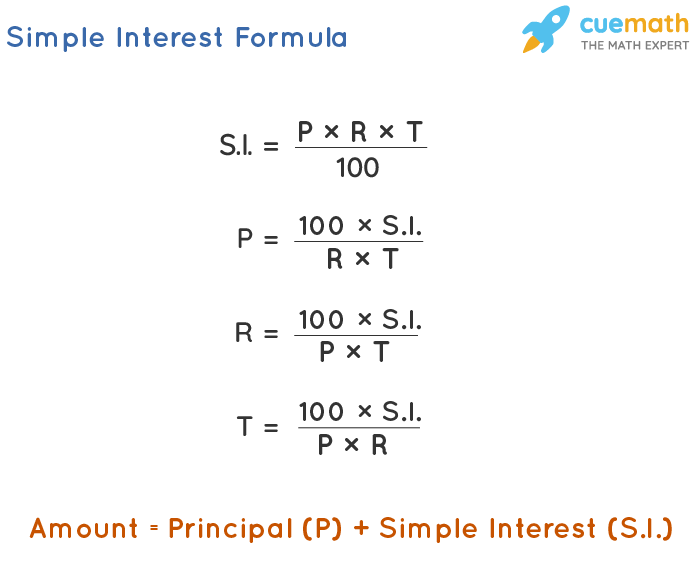
At its core, “interest” is the cost of borrowing money or the reward for lending it. Simple interest is calculated solely on the principal amount, making it straightforward to compute. For example, if you invest $1,000 at a 5% simple interest rate, you earn $50 each year, regardless of how long the money is invested.
However, the real magic in wealth accumulation lies in compound interest. This is interest earned not only on the initial principal but also on the accumulated interest from previous periods. Albert Einstein famously called compound interest the “eighth wonder of the world.” With compound interest, your $1,000 at 5% would earn $50 in the first year, but in the second year, you’d earn 5% on $1,050, and so on. Over time, this snowball effect can lead to exponential growth, making it a critical factor to consider when evaluating long-term investments like retirement funds or savings plans. Understanding this distinction is crucial for maximizing returns and appreciating the long-term implications of various financial products.
The Power of Annual Percentage Yield (APY) and Return on Investment (ROI)
When comparing different savings accounts or investment options, two key metrics help in evaluating their “interest” potential: Annual Percentage Yield (APY) and Return on Investment (ROI).
Annual Percentage Yield (APY) provides a standardized measure of the actual annual rate of return, taking into account the effect of compounding. Unlike the nominal interest rate, APY offers a more accurate picture of how much interest you will truly earn over a year. For instance, an account with a 4.89% interest rate compounded daily might have an APY of 5.00%. Always look at the APY when comparing savings accounts, Certificates of Deposit (CDs), or money market accounts to get a true sense of their earning power.
Return on Investment (ROI), on the other hand, is a broader measure used across various investments, from stocks and bonds to real estate and business ventures. ROI quantifies the benefit of an investment relative to its cost, typically expressed as a percentage. It helps assess the efficiency and profitability of an investment. A higher ROI indicates a more favorable return. While APY is specific to interest-bearing accounts, ROI provides a versatile tool for evaluating the “interest” or profitability of virtually any financial undertaking, making it invaluable for investors and business finance managers alike.
Inflation and Real Interest Rates
Nominal interest rates—the rates you see advertised—don’t always tell the full story. To understand the true purchasing power of your earnings, you must consider the impact of inflation. Inflation is the rate at which the general level of prices for goods and services is rising, and subsequently, the purchasing power of currency is falling.
The real interest rate is the nominal interest rate adjusted for inflation. It reflects the true rate of return that an investor receives after accounting for the erosion of purchasing power due to rising prices. If your savings account offers a 2% nominal interest rate, but inflation is running at 3%, your real interest rate is -1%. This means your money is actually losing purchasing power over time, despite earning nominal interest. Finding “interest” in a meaningful way requires seeking opportunities where the real interest rate is positive, ensuring your money grows faster than the cost of living. This awareness is crucial for sound financial planning and maintaining long-term financial health.
Strategic Pathways to Earning Passive Interest
Once the fundamentals are clear, the next step is to explore the diverse avenues available for generating passive interest. This involves identifying specific financial tools and investment vehicles designed to provide returns with minimal ongoing effort.
Traditional Interest-Bearing Accounts
For those prioritizing safety and liquidity, traditional interest-bearing accounts are the first port of call. High-yield savings accounts offer better interest rates than standard savings accounts, making them an excellent place for emergency funds or short-term savings goals. They are typically FDIC-insured up to $250,000 per depositor, offering significant peace of mind.
Certificates of Deposit (CDs) lock your money away for a fixed period (e.g., 6 months, 1 year, 5 years) in exchange for a higher, guaranteed interest rate. While less liquid than savings accounts, they offer predictable returns, especially beneficial in a rising interest rate environment. Money market accounts combine features of savings and checking accounts, offering competitive interest rates with some check-writing privileges. These accounts, while providing modest returns compared to other investments, are cornerstones of a balanced personal finance strategy, especially for capital preservation and liquidity.
Investing in Bonds and Fixed-Income Securities
Moving up the risk-reward spectrum, bonds represent a loan made by an investor to a borrower (typically a corporation or government) in exchange for periodic interest payments and the return of the principal at maturity. Government bonds (like U.S. Treasury bonds) are considered among the safest investments due to the backing of the issuing government, offering lower but reliable interest. Corporate bonds, issued by companies, generally offer higher interest rates to compensate for their slightly higher risk profile.
Fixed-income securities provide a steady stream of “interest” payments, making them attractive to investors seeking income and stability. They play a vital role in portfolio diversification, balancing the higher volatility of equities, and are often included in retirement planning portfolios to provide a consistent return stream. Understanding how to analyze bond yields and credit ratings is key to finding the right interest-generating fixed-income opportunities.
Exploring Dividend Stocks and Real Estate Investment Trusts (REITs)
For investors willing to embrace higher risk for potentially greater returns, dividend stocks offer a compelling way to earn interest-like income. These are shares of companies that regularly distribute a portion of their earnings to shareholders in the form of dividends. Companies with a history of consistent dividend payments are often mature, stable businesses, making them attractive for long-term income generation. While not technically “interest,” dividends function similarly by providing regular cash flow.
Real Estate Investment Trusts (REITs) allow individuals to invest in income-producing real estate without the complexities of owning physical property. REITs own, operate, or finance income-generating real estate across various sectors, such as apartments, shopping centers, offices, and warehouses. By law, REITs must distribute at least 90% of their taxable income to shareholders annually, largely in the form of dividends. This makes them an excellent vehicle for earning passive “interest” from real estate, combining diversification benefits with a stable income stream, particularly appealing for online income strategies.
Peer-to-Peer Lending and Alternative Investments
The digital age has opened new avenues for finding interest through peer-to-peer (P2P) lending platforms. These platforms connect individual borrowers with individual investors, bypassing traditional banks. Investors can lend money to a diversified pool of borrowers and earn interest payments, often at rates higher than traditional savings accounts. While offering attractive returns, P2P lending carries higher risk, including the potential for borrower default, necessitating careful due diligence and diversification.

Beyond P2P, the landscape of alternative investments is vast, including private equity, hedge funds, and even niche assets like art or collectibles. While often requiring higher capital and carrying significant risk, some alternative investments can offer uncorrelated returns and unique “interest” opportunities for sophisticated investors. Tools that analyze different investment options and their associated risks are crucial for navigating these less conventional pathways to financial growth.
Cultivating Interest Through Active Income & Entrepreneurship
“Finding interest” isn’t solely about passive returns on capital; it also profoundly involves investing in oneself and actively creating income streams. This facet delves into strategies for generating income through direct effort, skill development, and entrepreneurial ventures, which are central to building comprehensive financial freedom.
Identifying Profitable Side Hustles
For many, the quest for additional “interest” begins with a side hustle. These are income-generating activities pursued in addition to one’s primary job. Profitable side hustles leverage existing skills or develop new ones to provide services or products that meet market demand. Examples include freelance writing, graphic design, web development, virtual assistance, social media management, tutoring, pet sitting, or selling handmade goods online. Platforms like Upwork, Fiverr, or Etsy have made it easier than ever to connect skills with paying clients globally. Identifying a profitable side hustle requires understanding your strengths, assessing market needs, and dedicating time to building a client base or product offering. This not only generates additional online income but can also be a testing ground for future business ventures.
Entrepreneurship and Business Ventures
Taking the leap into entrepreneurship is perhaps the most significant way to “find interest” through active means. Starting a business involves investing not just capital, but also significant time, effort, and intellectual property, with the potential for substantial returns. Whether it’s a small e-commerce store, a consulting firm, a tech startup, or a local service business, entrepreneurship demands a deep understanding of market dynamics, strategic planning, and resilient execution. Success in business finance means creating a valuable product or service, effectively reaching customers, and managing finances prudently. While carrying higher risk, successful business ventures offer the highest potential for financial independence and wealth creation, making it an incredibly interesting path for those with an entrepreneurial spirit.
Investing in Yourself Through Skill Development
Perhaps the most potent “interest” generating investment is in oneself. Investing in skill development directly enhances your earning potential, marketability, and ability to pursue more lucrative opportunities. This could involve formal education, professional certifications, learning new software, mastering a foreign language, or honing soft skills like leadership and negotiation. In today’s rapidly evolving economy, continuous learning is not just an advantage but a necessity. The “return on investment” (ROI) from skill development can manifest as higher salaries, promotions, new career paths, or the ability to launch successful side hustles and businesses. This form of “interest” is foundational, as it empowers individuals to adapt, innovate, and thrive, regardless of external market conditions.
Personalizing Your Interest Quest: Goals, Risk, and Tools
Finding interest isn’t a one-size-fits-all endeavor. It’s a deeply personal journey that requires aligning opportunities with individual financial goals, understanding one’s risk tolerance, and effectively utilizing available financial tools.
Defining Your Financial Objectives
The very first step in personalizing your “interest” quest is to clearly define your financial objectives. Are you saving for a down payment on a house in five years (short-term)? Building a robust retirement fund (long-term)? Planning for your children’s education? Or perhaps aiming for early financial independence? Each objective comes with a different time horizon, liquidity requirement, and risk profile. Short-term goals typically call for lower-risk, more liquid interest-bearing accounts or short-term bonds, while long-term goals can accommodate higher-risk, higher-return investments like stocks or real estate, leveraging the power of compounding over time. Explicitly stating your goals provides a roadmap for selecting the most appropriate interest-generating vehicles.
Assessing Your Risk Appetite
Your risk appetite—your willingness and ability to take on financial risk—is a crucial determinant of where you will “find interest.” Investors generally fall into categories such as conservative (prioritizing capital preservation), moderate (seeking a balance between growth and safety), or aggressive (willing to accept higher risk for higher potential returns). Understanding your comfort level with market volatility and potential losses is paramount. A conservative investor might find interest in high-yield savings accounts, CDs, and government bonds, whereas an aggressive investor might gravitate towards growth stocks, alternative investments, or even venture capital. Trying to invest beyond your risk tolerance can lead to stress and poor decision-making, while being too conservative might mean missing out on significant growth. A honest self-assessment ensures that your chosen investments align with your psychological comfort and financial capacity.
The Role of Diversification
Regardless of risk appetite, diversification is a fundamental principle for effective interest-finding and risk management. It involves spreading your investments across various asset classes, industries, and geographies to reduce overall portfolio risk. The adage “don’t put all your eggs in one basket” is particularly pertinent here. For example, instead of investing solely in one company’s stock, diversify across several companies, sectors, and perhaps include bonds, real estate, or international investments. Diversification helps to mitigate the impact of poor performance in any single investment, smoothing out returns and making the “interest” earned more consistent over time. It’s a strategic approach that enhances the stability of your financial growth journey.
Leveraging Financial Tools and Robo-Advisors
In today’s digital age, a wealth of financial tools and robo-advisors are available to simplify and optimize your search for interest. Budgeting apps can help you identify excess cash flow for saving and investing. Online brokerage platforms offer access to a vast array of stocks, bonds, ETFs, and mutual funds, often with low fees. Robo-advisors are automated financial planning services that use algorithms to create and manage diversified investment portfolios tailored to your goals and risk tolerance. They offer a cost-effective way to get professional investment management, automatically rebalancing portfolios and finding suitable interest-generating funds. These tools democratize access to sophisticated financial strategies, making it easier for individuals to find, manage, and grow their “interest” effectively.
Navigating the Evolving Landscape: Continuous Learning and Adaptation
The search for “interest” is not a one-time event but an ongoing process that demands continuous learning and adaptation to ever-changing economic and market conditions.
Staying Informed with Economic Trends
The broader economic environment profoundly influences where and how you can find interest. Factors like inflation rates, central bank policies (interest rate hikes or cuts), geopolitical events, and technological advancements all impact asset valuations, bond yields, and business profitability. Staying informed with economic trends is crucial for making timely and intelligent adjustments to your financial strategy. Subscribing to reputable financial news outlets, following economic indicators, and understanding macro trends can help you anticipate shifts in the market. For instance, knowing when interest rates are likely to rise might prompt you to invest in a long-term CD to lock in a higher rate, or conversely, to avoid certain types of bonds. This proactive approach ensures your pursuit of interest remains aligned with current realities.
Regular Portfolio Review and Rebalancing
Once you’ve built a portfolio aimed at generating interest, it’s not a set-it-and-forget-it endeavor. Regular portfolio review and rebalancing are essential to ensure your investments remain aligned with your evolving goals and risk tolerance. Over time, market fluctuations can cause certain asset classes to grow disproportionately, altering your original asset allocation. Rebalancing involves selling some of the outperforming assets and buying more of the underperforming ones to bring your portfolio back to its target allocation. This disciplined approach helps manage risk, locks in gains, and ensures you’re consistently investing in opportunities that provide the optimal “interest” for your situation. Annual or semi-annual reviews are typically recommended.
The Importance of Professional Financial Guidance
While self-education and utilizing financial tools are powerful, there comes a point where professional financial guidance becomes invaluable. A certified financial planner (CFP) can offer personalized advice, help clarify complex financial situations, assist in creating a comprehensive financial plan, and identify sophisticated interest-generating strategies that might not be obvious. They can help navigate tax implications, estate planning, and provide objective advice during volatile market periods. For those with significant assets, complex financial structures, or specific long-term goals like business finance or legacy planning, a financial advisor can be a crucial partner in optimizing their quest for interest and securing their financial future.
In conclusion, the question “how do you find interest?” opens up a rich and intricate world of personal finance and wealth creation. It moves beyond the simple definition of a percentage on savings to encompass a proactive, informed, and personalized journey. From understanding the fundamentals of compounding and inflation to strategically investing in passive income streams, cultivating active income through entrepreneurship, and continuously adapting to market shifts, finding “interest” is an ongoing commitment. By aligning your pursuits with clear financial goals, assessing your risk tolerance, and leveraging the right tools and expertise, you can effectively navigate the financial landscape, secure attractive returns, and build a robust foundation for lasting financial well-being.
aViewFromTheCave is a participant in the Amazon Services LLC Associates Program, an affiliate advertising program designed to provide a means for sites to earn advertising fees by advertising and linking to Amazon.com. Amazon, the Amazon logo, AmazonSupply, and the AmazonSupply logo are trademarks of Amazon.com, Inc. or its affiliates. As an Amazon Associate we earn affiliate commissions from qualifying purchases.