
Navigating the complexities of income tax can feel like deciphering an arcane language, yet it’s a fundamental aspect of personal and business finance that affects nearly everyone. From understanding your obligations to meticulously calculating what you owe, the process requires attention to detail, accurate record-keeping, and a grasp of the relevant tax laws. This comprehensive guide will demystify income tax, providing a structured approach to finding, understanding, and managing your tax liability. Whether you’re an individual wage earner, a self-employed professional, or a small business owner, mastering the art of income tax calculation is crucial for financial well-being and compliance.
Understanding the Fundamentals of Income Tax
Before diving into calculations, it’s essential to establish a foundational understanding of what income tax is and why it exists. This knowledge forms the bedrock upon which all subsequent steps are built.
What is Income Tax and Who Pays It?
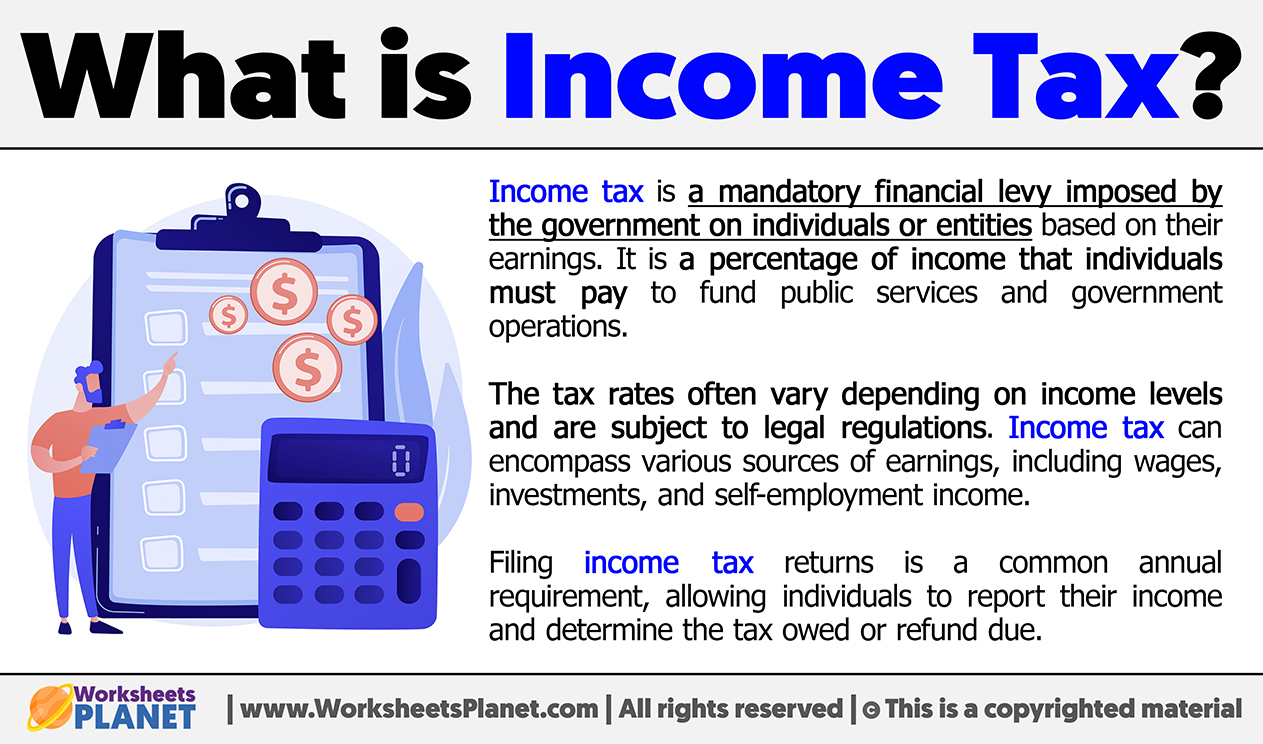
Income tax is a type of tax levied by governments on the income and profits (taxable income) of individuals and corporations. It is a primary source of government revenue, funding public services such as infrastructure, education, healthcare, and defense. In essence, it’s your contribution to the collective good, based on your earnings.
Who pays it? In most countries, virtually anyone earning an income beyond a certain threshold is subject to income tax. This includes:
- Individuals: Wages, salaries, tips, commissions, bonuses, investment income (dividends, interest, capital gains), rental income, pension income, and certain benefits.
- Self-Employed Individuals/Sole Proprietors: Profits from their business activities.
- Businesses (Corporations, Partnerships, LLCs): Profits generated by their operations.
The specific rules, rates, and exemptions vary significantly by jurisdiction (federal, state, and local levels) and are subject to change based on legislative action.
The Progressive Tax System and Your Tax Bracket
Many countries, including the United States, employ a progressive income tax system. This means that as an individual’s taxable income increases, they pay a higher percentage of that income in tax. It’s not a flat rate applied to all income; rather, different portions of income are taxed at different rates.
Your “tax bracket” refers to the range of income taxed at a specific rate. It’s a common misconception that if you move into a higher tax bracket, all your income is suddenly taxed at that higher rate. In reality, only the portion of your income that falls within that higher bracket is taxed at the higher marginal rate. For example, if the first $10,000 of income is taxed at 10% and the next $20,000 is taxed at 12%, an individual earning $25,000 would pay 10% on the first $10,000 and 12% on the remaining $15,000. Understanding this marginal rate system is key to accurately assessing your tax liability.
Key Steps to Calculating Your Income Tax
Calculating your income tax liability involves a systematic approach, moving from your gross earnings through various adjustments to arrive at your final tax due or refund. This process is universal, regardless of the tools you choose to use.
1. Gathering Necessary Documents and Information
The first and most critical step is to collect all relevant financial documents. Accuracy here is paramount, as missing information can lead to errors, delays, or even penalties.
- Income Statements: W-2 forms (from employers), 1099 forms (for independent contractors, investment income, dividends, interest, retirement distributions, etc.), K-1 forms (for partnerships/S-corps).
- Deduction and Credit Documentation: Receipts for eligible expenses (medical, educational, business), mortgage interest statements (Form 1098), property tax records, charitable contribution records, student loan interest statements, records of childcare expenses, and energy-efficient home improvements.
- Personal Information: Social Security numbers (for all individuals on the return), dates of birth, and bank account information for direct deposit of refunds.
Organizing these documents systematically throughout the year, rather than scrambling at tax time, will significantly streamline the process.
2. Determining Your Gross Income
Gross income is the total of all income you received from all sources before any deductions or adjustments. This includes, but is not limited to:
- Wages, salaries, tips
- Self-employment income
- Interest and dividends
- Capital gains from investments
- Rental income
- Retirement distributions
- Alimony received
- Unemployment compensation
Carefully list every income source to ensure nothing is overlooked.
3. Calculating Your Adjusted Gross Income (AGI)
Your Adjusted Gross Income (AGI) is a crucial figure. It’s your gross income minus specific “above-the-line” deductions, which are deductions that can be taken even if you don’t itemize. These adjustments include:
- IRA contributions
- Student loan interest
- Health Savings Account (HSA) contributions
- Self-employment tax (one-half)
- Alimony paid (for divorces finalized before 2019)
- Educator expenses
AGI is important because it often determines your eligibility for certain tax credits and other deductions.
4. Applying Standard vs. Itemized Deductions
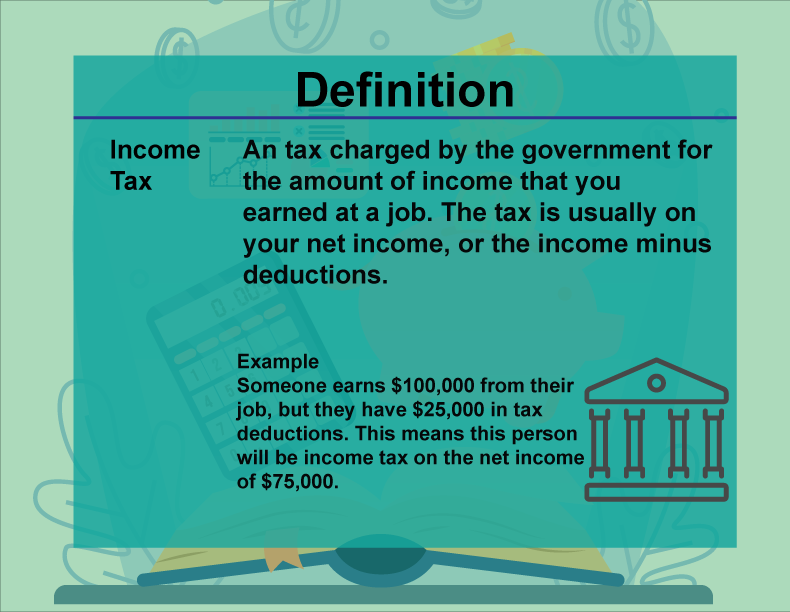
Once you have your AGI, the next step is to reduce it further by taking either the standard deduction or itemized deductions, whichever results in a lower taxable income.
- Standard Deduction: A fixed dollar amount set by the IRS/government that you can subtract from your AGI. This amount varies based on your filing status (single, married filing jointly, head of household, etc.) and is often adjusted annually for inflation. For many taxpayers, especially those with simpler financial situations, the standard deduction is the most straightforward and beneficial option.
- Itemized Deductions: This involves listing out specific eligible expenses to deduct from your AGI. Common itemized deductions include:
- State and local taxes (SALT) – often capped
- Mortgage interest
- Medical expenses exceeding a certain percentage of AGI
- Charitable contributions
- Certain casualty and theft losses
You must choose one or the other; you cannot claim both in the same tax year. Careful record-keeping is essential if you plan to itemize.
5. Calculating Taxable Income and Applying Tax Rates
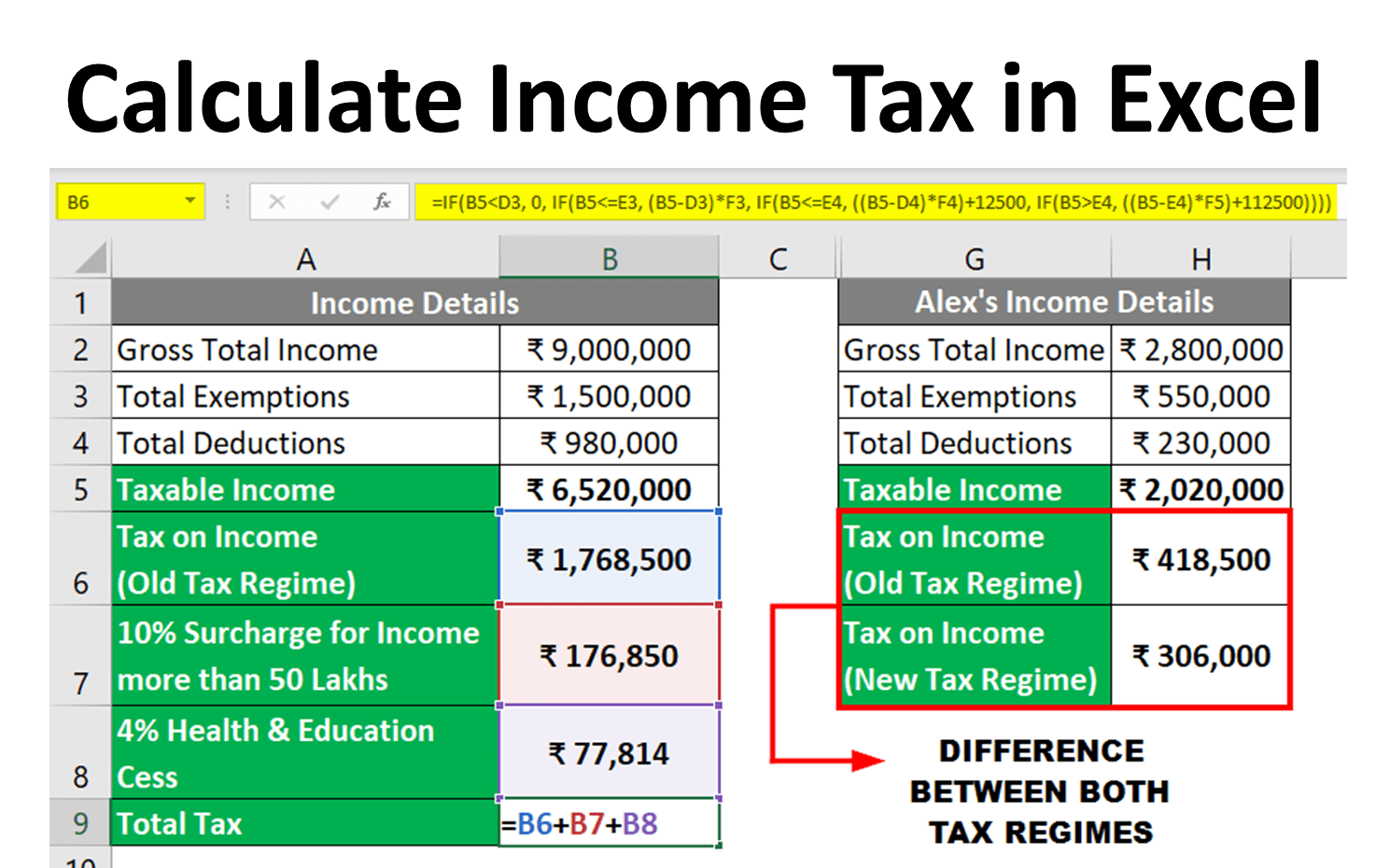
Subtracting your chosen deductions (standard or itemized) from your AGI yields your taxable income. This is the final amount of income upon which your tax liability is calculated.
Once you have your taxable income, you apply the relevant tax rates based on your filing status and the progressive tax brackets discussed earlier. This will give you your total tax liability before credits.
6. Claiming Tax Credits
Tax credits are highly valuable because they directly reduce the amount of tax you owe, dollar for dollar. Unlike deductions, which reduce your taxable income, credits directly reduce your tax bill. Some credits are refundable, meaning you can get money back even if you don’t owe any tax, while others are non-refundable, only reducing your tax liability to zero.
Common tax credits include:
- Child Tax Credit
- Earned Income Tax Credit (EITC)
- Education credits (e.g., American Opportunity Tax Credit, Lifetime Learning Credit)
- Child and Dependent Care Credit
- Retirement Savings Contributions Credit (Saver’s Credit)
Carefully determine your eligibility for any applicable credits, as they can significantly lower your final tax payment or increase your refund.
Tools and Resources for Income Tax Calculation
While the steps above outline the theoretical process, practical application often involves leveraging various tools and resources designed to simplify tax preparation.
Utilizing Tax Software and Online Platforms
For most individuals and many small businesses, tax software has become the go-to solution. Programs like TurboTax, H&R Block Tax Software, FreeTaxUSA, and TaxAct guide users through the process step-by-step, asking questions, flagging potential deductions, and performing all the necessary calculations.
- Pros: User-friendly interfaces, often cheaper than professional preparers, error-checking features, direct e-filing.
- Cons: Requires careful input from the user; complex situations might still warrant professional advice.
Many of these platforms offer free federal filing for simple returns, with fees for state returns or more complex scenarios. They are excellent for helping you “find” your income tax by automating much of the calculation and form completion.
Engaging Professional Tax Preparers
For individuals with complex financial situations, high-income earners, small business owners, or those facing specific tax challenges, hiring a professional tax preparer is often the wisest choice.
- Certified Public Accountants (CPAs): Licensed professionals who can provide comprehensive tax planning, preparation, and advisory services. They are well-versed in complex tax laws and can represent you before the IRS.
- Enrolled Agents (EAs): Federally licensed tax professionals who specialize in taxation and have unlimited rights to practice before the IRS.
- Other Tax Preparers: Many reputable tax preparation services exist, though their credentials and scope of practice may vary.
A professional can ensure accuracy, identify all applicable deductions and credits, offer strategic tax planning advice, and reduce the stress associated with tax season. Their fees, while an expense, can often be offset by the savings they find or the penalties they help you avoid.
Leveraging Official Government Resources
The IRS website (IRS.gov in the U.S.) is an invaluable, free resource. It provides:
- Publications and Forms: Detailed guides (e.g., Publication 17, Your Federal Income Tax), all necessary tax forms, and instructions.
- Tax Tools: Withholding calculators, tax bracket information, and frequently asked questions.
- Taxpayer Assistance: Information on free tax help programs (VITA, TCE) and options for taxpayer assistance.
State tax agencies also offer similar resources for state income tax matters. These official sources are crucial for understanding the most up-to-date tax laws and ensuring compliance.
Understanding Withholding and Estimated Taxes
“Finding” your income tax isn’t just about year-end calculation; it also involves managing how that tax is paid throughout the year to avoid surprises or penalties.
Adjusting Your W-4 for Accurate Withholding
For employees, income tax is typically withheld from each paycheck based on the information provided on Form W-4, Employee’s Withholding Certificate. If too little is withheld, you might owe tax at year-end or incur underpayment penalties. If too much is withheld, you’re giving the government an interest-free loan, effectively reducing your take-home pay throughout the year.
Periodically reviewing and adjusting your W-4, especially after significant life changes (marriage, birth of a child, new job, or major financial events), can help ensure your withholding accurately matches your expected tax liability. The IRS’s Tax Withholding Estimator tool is an excellent resource for this.
Making Estimated Tax Payments for Other Income
Individuals who are self-employed, own a business, or have significant income from other sources (e.g., investments, rental property) for which no tax is withheld, are generally required to make estimated tax payments throughout the year. These payments typically cover income tax, self-employment tax (Social Security and Medicare), and any other taxes owed.
Estimated taxes are usually paid in four equal installments over the year (April 15, June 15, September 15, and January 15 of the following year). Failing to pay enough estimated tax can result in penalties, even if you ultimately receive a refund. It’s crucial to accurately project your income and deductions to ensure you pay enough, but not excessively, each quarter.
Strategies for Effective Tax Planning
Finding your income tax also involves proactively planning to minimize your liability within the bounds of the law. This isn’t about avoidance but about smart financial management.
Maximizing Deductions and Credits
Staying informed about available deductions and credits is a continuous process. Changes in tax law can introduce new opportunities or alter existing ones. Regularly review your financial activities to ensure you’re capturing every eligible reduction. For instance, contributions to traditional IRAs or 401(k)s reduce your taxable income, while contributions to HSAs offer a triple tax advantage. Education expenses, home energy improvements, and certain medical costs can also provide significant benefits.
Strategic Retirement Contributions
Contributing to tax-advantaged retirement accounts like 401(k)s, 403(b)s, and traditional IRAs is one of the most effective ways to reduce your current year’s taxable income. These contributions are typically pre-tax, meaning they lower your AGI. While Roth versions of these accounts don’t offer an upfront tax deduction, they provide tax-free withdrawals in retirement, representing a different kind of tax benefit that aligns with long-term financial planning.
Meticulous Record-Keeping
The importance of good record-keeping cannot be overstated. Keeping accurate and organized records of all income, expenses, and supporting documents throughout the year simplifies tax preparation and serves as crucial evidence in case of an audit. Digital tools, cloud storage, and even simple spreadsheets can make this process manageable, turning a potential chore into an efficient habit.
Ultimately, “finding” your income tax is an ongoing process of understanding, calculating, and planning. By diligently following these steps, utilizing available resources, and potentially seeking professional guidance, you can navigate the tax landscape with confidence, ensuring compliance while optimizing your financial outcomes.
aViewFromTheCave is a participant in the Amazon Services LLC Associates Program, an affiliate advertising program designed to provide a means for sites to earn advertising fees by advertising and linking to Amazon.com. Amazon, the Amazon logo, AmazonSupply, and the AmazonSupply logo are trademarks of Amazon.com, Inc. or its affiliates. As an Amazon Associate we earn affiliate commissions from qualifying purchases.