
Finding a house for rent can often feel like a daunting task, a competitive sprint through a constantly shifting market. In an era dominated by instantaneous information and digital connectivity, the traditional methods of scouring newspaper ads or driving around neighborhoods have largely given way to sophisticated technological solutions. Today, the process of securing a rental home is deeply interwoven with apps, websites, and digital tools, transforming what was once a laborious search into a streamlined, albeit still challenging, digital quest.
This article delves into the technological strategies and tools essential for anyone looking to find a house for rent in the modern age. We’ll explore how to leverage various digital platforms, optimize your search strategy, utilize tech for application and due diligence, and even touch upon emerging innovations that are shaping the future of rental hunting. By embracing these digital avenues, renters can gain a significant edge, saving time, reducing stress, and ultimately finding a home that perfectly matches their needs and preferences.

Leveraging Digital Platforms: Your First Port of Call
The cornerstone of any modern rental search is a robust engagement with digital platforms. These online ecosystems serve as central hubs for listings, offering unparalleled reach and filtering capabilities that traditional methods simply cannot match. Understanding which platforms to prioritize and how to effectively utilize their features is paramount.
Aggregator Websites & Dedicated Rental Apps
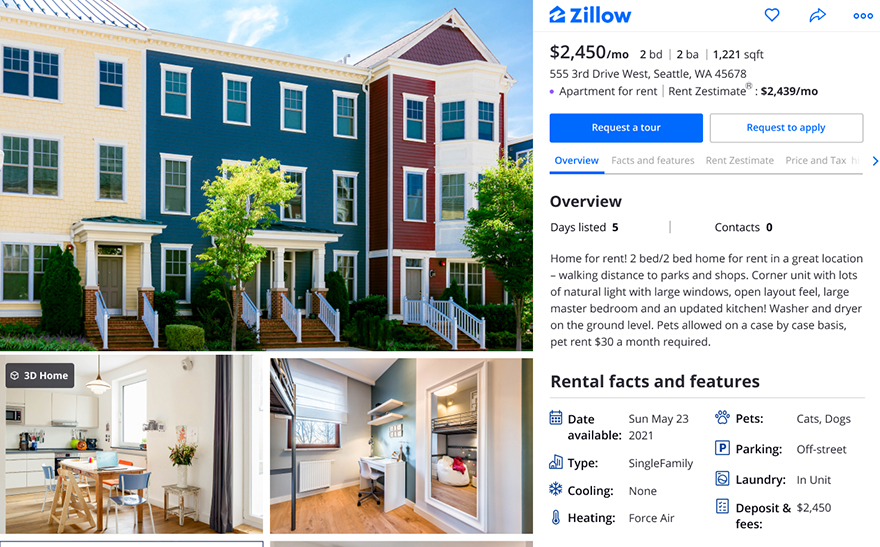
These platforms are the giants of the online rental world, compiling listings from various sources and offering powerful search functionalities. Websites like Zillow, Apartments.com, Realtor.com, Trulia, and HotPads are indispensable. They allow users to filter by an extensive range of criteria, including location, price range, number of bedrooms/bathrooms, pet policy, amenities (e.g., in-unit laundry, gym access, parking), and even specific keywords. Most offer intuitive map-based searches, enabling users to pinpoint properties within desired neighborhoods or proximity to specific landmarks like schools or workplaces.
Dedicated rental apps often provide a more mobile-friendly experience, with features like instant notifications for new listings, in-app messaging with landlords or agents, and even virtual tour capabilities. It’s advisable to download and regularly check several of these apps, as listings can vary between platforms, and new properties often appear first on one before propagating to others. Creating a detailed profile on these sites can also streamline the application process later on, as some allow you to pre-fill information or even securely share background check results.
Social Media & Niche Online Communities
Beyond the major aggregators, social media platforms have emerged as surprisingly effective tools for finding rentals, particularly Facebook Marketplace and local Facebook groups. Many landlords and property managers bypass traditional listing sites to save on fees, opting instead to post directly to these community-driven spaces. Searching “houses for rent [your city/neighborhood]” on Facebook can yield numerous results, including private listings that might not appear anywhere else.
Furthermore, niche online communities, such as Reddit housing subreddits (e.g., r/bostonhousing), Nextdoor groups, or university housing forums, can be invaluable. These platforms often foster direct communication between renters and landlords, providing opportunities to ask questions, gather local insights, and sometimes even find sub-leases or short-term rentals not available through conventional channels. Engaging respectfully within these communities can open doors to unique opportunities and peer-to-peer recommendations.
Real Estate Agency Portals & Local MLS
While many real estate agents use the aggregator sites, it’s also wise to check the websites of local real estate agencies directly. Larger agencies often have proprietary portals that list their exclusive properties before they hit broader markets. These listings tend to be professionally managed and offer a higher degree of reliability. Additionally, the Multiple Listing Service (MLS), though primarily used by agents, forms the backbone of many online listings. Some independent websites or local realtor associations provide public access to MLS data, allowing you to view a comprehensive list of professionally managed rentals in your area. This approach can provide deeper insights and often more detailed information than consumer-facing aggregators.
Mastering Your Digital Search Strategy
Simply browsing listings isn’t enough; a strategic approach to your digital search will significantly enhance your chances of finding the right home quickly. Leveraging the full power of technological features can turn a haphazard search into an efficient, targeted effort.
Setting Up Smart Alerts & Notifications
In a competitive rental market, speed is crucial. The best properties often get snapped up within hours or days of being listed. This is where smart alerts and notifications become your best friend. Most major rental apps and websites allow you to save your search criteria and set up email or push notifications for new listings that match your preferences. Configure these alerts on multiple platforms to ensure you’re among the first to know when a suitable property becomes available. Be specific with your filters – the more precise your criteria (e.g., “3 bedrooms, 2 baths, pet-friendly, under $2500, within 5 miles of XYZ employer”), the more relevant your notifications will be, preventing inbox overload.
Utilizing Advanced Filters & Map Tools
Beyond basic filters, dive into the advanced options offered by rental platforms. These can include specifics like “washer/dryer in unit,” “central air conditioning,” “hardwood floors,” “fenced yard,” or even “furnished.” Thinking about your non-negotiables and nice-to-haves will help you narrow down the vast number of listings.

Map tools are particularly powerful. Instead of just searching by zip code, use the map to draw custom search boundaries, ensuring you only see properties within your preferred commute distance, school district, or proximity to specific amenities like parks or public transport. Many platforms also offer “commute time” filters, allowing you to input your workplace address and see properties within a specific driving or public transit time, which can be a game-changer for daily logistics.
Virtual Tours & High-Quality Visuals
The COVID-19 pandemic accelerated the adoption of virtual tours, and they are now a standard offering for many rental properties. Always prioritize listings that include high-quality photos, detailed floor plans, and 3D virtual tours or video walkthroughs. These digital assets allow you to get a comprehensive sense of the property’s layout, condition, and flow without needing to visit in person, saving time and travel costs. Pay attention to details in the visuals: check for signs of wear and tear, natural light, and the overall upkeep of the property. Be wary of listings with only a few blurry photos or generic stock images, as these can sometimes indicate a less-than-transparent listing or even a scam. If a virtual tour isn’t available, don’t hesitate to request one from the landlord or agent.
Tech-Driven Tools for Application & Due Diligence
Once you’ve found a promising property, technology continues to streamline the subsequent steps, from applying to securing the lease. Modern rental processes are increasingly paperless, relying on digital solutions for speed and efficiency.
Online Application Systems & Digital Background Checks
Many landlords and property management companies now utilize online application portals. These systems allow you to submit your personal information, employment history, rental history, and references electronically. Be prepared to provide accurate and complete information promptly. Many platforms also integrate digital background check and credit check services, which often require a small fee. Ensure you understand what information will be accessed and how it will be used. Having digital copies of necessary documents (e.g., pay stubs, bank statements, previous landlord contact info) readily available on your device or cloud storage can significantly speed up the application process.
Communication & Scheduling Tools
Efficient communication is key in a fast-paced market. Most online platforms offer in-app messaging or direct email options to contact landlords or agents. Use these tools to ask questions, express interest, and request viewings. When scheduling, leverage online calendar integrations or simple messaging apps to confirm appointments, reducing misunderstandings and ensuring smooth coordination. Be polite, professional, and prompt in your responses, as this reflects positively on you as a prospective tenant.
Digital Documentation & Lease Signing
The final stages of securing a rental often involve reviewing and signing a lease. The days of endless paper shuffling are largely over. Landlords and agencies increasingly use e-signature platforms like DocuSign or Adobe Sign for lease agreements. These platforms provide legally binding digital signatures, secure document storage, and an audit trail. Always thoroughly read the entire lease agreement before signing, ensuring you understand all terms and conditions. If you have any questions, use digital communication methods to get clarification before committing. Keep digital copies of your signed lease and all related documents in a secure, accessible location (e.g., cloud storage, encrypted drive) for future reference.
Beyond the Obvious: Innovative Tech Solutions
The rental market is constantly evolving, with new technologies emerging to make the search even smarter and more efficient. Staying abreast of these innovations can give you an edge in a competitive landscape.
AI-Powered Rental Matchmaking
The future of rental hunting is moving towards more personalized, AI-driven experiences. Some emerging platforms are beginning to use artificial intelligence and machine learning algorithms to analyze your preferences, search history, and even social media data (with consent) to suggest listings that you might not have found through conventional filtering. These tools aim to predict what you’ll love, matching you with properties that align not just with your basic criteria but also with your lifestyle and unspoken preferences, effectively acting as a digital real estate concierge.
Data Analytics for Rental Market Insights
Beyond individual listings, data analytics offers a bird’s-eye view of the rental market. Websites and tools like Rent.com’s market reports or local government housing data can provide insights into average rental prices in different neighborhoods, market trends (e.g., whether rents are rising or falling), vacancy rates, and demand levels. Understanding these broader market dynamics, often visualized through interactive dashboards, can help you make more informed decisions about where and when to look, what to expect in terms of pricing, and how competitive a particular area might be. This data can also empower you to negotiate rent more effectively if you can cite specific market trends.
Cybersecurity for Online Renters
As with any online activity involving personal and financial information, cybersecurity is paramount when searching for rentals. Be vigilant against rental scams. Always verify the legitimacy of landlords, agents, and listings. Look for official websites, professional email addresses, and consistency in communication. Never send money via wire transfer or gift cards, as these are common red flags for scams. Be cautious about sharing highly sensitive personal information until you are confident in the legitimacy of the listing and the party you are dealing with. Use strong, unique passwords for all rental platforms and enable two-factor authentication where available. Being tech-savvy also means being cyber-aware.
In conclusion, finding a house for rent in today’s world is an exercise in digital fluency. From the initial search on aggregator apps to the final digital lease signing, technology permeates every step of the journey. By strategically leveraging digital platforms, mastering advanced search tools, utilizing tech for applications and due diligence, and staying aware of emerging innovations and cybersecurity best practices, renters can navigate the complex rental landscape with greater confidence and efficiency. The key is to embrace the vast array of digital resources available, transforming what could be a stressful ordeal into a streamlined, productive search for your next home.
aViewFromTheCave is a participant in the Amazon Services LLC Associates Program, an affiliate advertising program designed to provide a means for sites to earn advertising fees by advertising and linking to Amazon.com. Amazon, the Amazon logo, AmazonSupply, and the AmazonSupply logo are trademarks of Amazon.com, Inc. or its affiliates. As an Amazon Associate we earn affiliate commissions from qualifying purchases.