
Understanding how to locate your bank account number is a fundamental aspect of managing personal and business finances. This unique identifier is crucial for a myriad of transactions, from setting up direct deposits to initiating wire transfers. While often confused with other financial digits like debit card numbers or routing numbers, the bank account number serves a distinct purpose in linking funds to your specific account within a financial institution. For anyone looking to streamline their financial operations or simply gain a clearer understanding of their banking essentials, knowing where and how to find this critical sequence of numbers is invaluable.
The Essentials of Your Bank Account Number
Before diving into the practical steps of locating your account number, it’s beneficial to understand what it is and why it holds such significance in the financial landscape.
What is a Bank Account Number?
A bank account number is a unique string of digits assigned by your financial institution to identify your specific bank account. Whether you have a checking account, savings account, or money market account, each one will have its own distinct number. This number acts like a personal identifier for your funds, ensuring that money transferred to or from your account goes to the correct destination. It’s distinct from your bank’s routing number, which identifies the financial institution itself, and your debit card number, which is tied to a specific payment card.
The importance of your bank account number cannot be overstated. It’s the key identifier for:
- Receiving direct deposits for your salary, government benefits, or tax refunds.
- Setting up automatic bill payments for utilities, loans, or subscriptions.
- Transferring funds between your own accounts at different institutions.
- Initiating or receiving wire transfers both domestically and internationally.
- Connecting your bank account to third-party financial tools or investment platforms.
Understanding the Structure
Bank account numbers typically range from 10 to 12 digits in the United States, though the exact length can vary depending on the financial institution. There isn’t a universal standard, as each bank develops its own internal numbering system. Unlike routing numbers, which are standardized nine-digit codes used across the U.S. banking system, your account number is specific to your individual account at your particular bank. It contains no personally identifiable information on its own, but combined with other details, it becomes a powerful identifier. For security reasons, financial institutions never print the full account number on debit or credit cards. This separation of identifiers is a deliberate measure to prevent unauthorized access if a card is lost or stolen.
Common Methods for Locating Your Account Number
Fortunately, there are several straightforward and secure ways to find your bank account number, catering to various preferences and situations.
Physical Checks
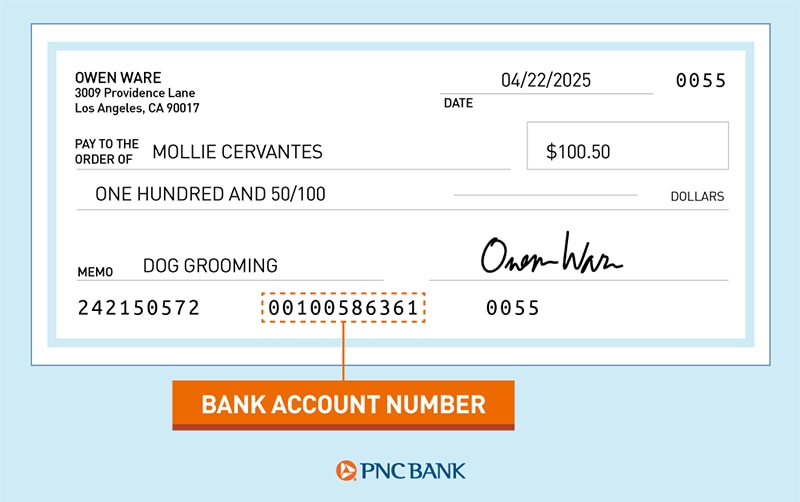
One of the most traditional and reliable places to find your bank account number is on a physical check. If you have a checkbook for your checking account, simply open it and look at any blank check. You will typically find three sets of numbers printed along the bottom edge:
- The first set of nine digits on the left is the routing number.
- The second set of numbers in the middle is your bank account number.
- The third set of numbers, usually on the right, is the check number.
This method is quick and requires no internet access or contacting your bank. For savings accounts, however, this method won’t apply as savings accounts generally do not come with checks.
Bank Statements
Your monthly or quarterly bank statements are another excellent source for your account number. Whether you receive paper statements in the mail or opt for electronic statements (e-statements) online, your full bank account number is usually prominently displayed.
- Paper Statements: Look for the account summary section, often near the top or bottom of the first page.
- E-statements: Access your e-statements through your online banking portal. Once downloaded, you can view the PDF document, and the account number will be visible in the same location as a physical statement.
Always handle physical bank statements with care, shredding them when no longer needed to prevent identity theft. For e-statements, ensure you’re accessing them from a secure, trusted device and connection.
Online Banking Portal
For most individuals, their online banking portal is the most convenient and frequently used method to access financial details. Banks design these portals for ease of use and secure access to your account information.
- Log In: Navigate to your bank’s official website and log in to your online banking account using your username and password.
- Navigate to Account Summary: Once logged in, you’ll typically see a dashboard or summary of all your accounts.
- Select the Account: Click on the specific checking or savings account for which you need the number.
- View Account Details: Look for a section labeled “Account Details,” “Account Information,” “Statements,” or similar. Your full account number should be displayed here. Some banks might mask a few digits for security, requiring an extra click or verification to reveal the full number.
Mobile Banking App
Similar to online banking, your bank’s mobile app provides a secure and convenient way to find your account number on the go.
- Open and Log In: Launch your bank’s official mobile app and log in using your credentials, possibly with biometric authentication (fingerprint, face ID).
- Select Account: Tap on the specific account you’re interested in.
- Access Account Info: Look for an “Account Details,” “Information,” or “Manage Account” section. Your account number will usually be listed there. Again, some apps may initially mask parts of the number for security, requiring a tap to reveal it fully.
Contacting Your Bank Directly
If you’ve exhausted other options or prefer direct assistance, contacting your bank is a reliable method.
- Phone Call: Call your bank’s customer service number (found on their website, statements, or the back of your debit card). Be prepared to verify your identity with personal information such as your full name, address, date of birth, Social Security number, and possibly answers to security questions. The representative will be able to provide your account number after successful verification.
- In-Person Visit: Visit a local branch of your bank. Bring a valid form of identification (driver’s license, passport). A teller or customer service representative can look up your account details and provide the number.
Debit Card
It is crucial to note that your bank account number is not printed on your debit card. Debit cards carry a 16-digit card number, an expiration date, and a security code (CVV/CVC). While your debit card is linked to your checking account, the card number itself is not your bank account number. This is a security measure to prevent direct access to your account should your card be compromised.
Why You Might Need Your Bank Account Number
The bank account number is more than just a sequence of digits; it’s a vital component for numerous financial activities that impact your daily life and long-term financial planning.
Setting Up Direct Deposit
Perhaps the most common reason individuals need their bank account number is to set up direct deposit. This applies to payroll from an employer, government benefits (like Social Security), or tax refunds. Providing your bank account number, along with your bank’s routing number, ensures that funds are electronically transferred directly into your designated account, bypassing physical checks and accelerating access to your money.
Automatic Bill Payments

Many people utilize their bank account number to set up recurring automatic payments for bills such as rent, mortgage, utilities (electricity, water, internet), insurance premiums, or loan payments (car, student). This ensures timely payments, helps avoid late fees, and simplifies budgeting. When setting these up, merchants often request both your bank account and routing numbers.
Wire Transfers and ACH Payments
For sending or receiving larger sums of money, or for transferring funds between different financial institutions, your bank account number is essential for both wire transfers and Automated Clearing House (ACH) payments. Wire transfers are typically faster but more expensive, often used for international transactions or urgent domestic transfers. ACH payments are common for payroll, direct deposits, and online bill pay within the U.S. and are generally less expensive.
Linking External Accounts
In today’s interconnected financial world, you might need to link your primary bank account to various external financial services. This includes investment platforms (brokerage accounts, robo-advisors), peer-to-peer payment apps, budgeting software, or even other bank accounts you hold at different institutions. This linking process often requires your bank account and routing numbers to verify ownership and enable seamless fund transfers.
Opening New Accounts or Services
When opening a new account at a different bank, transferring funds from an existing account might require providing your current bank account details. Similarly, some financial service providers or online merchants may request your bank account number for specific payment methods or verification processes.
Disputing Transactions or Fraud Reporting
In unfortunate circumstances like fraudulent activity or erroneous transactions, your bank will require your specific account number to investigate and resolve the issue. Providing this detail helps them pinpoint the exact account affected, facilitating a quicker resolution.
Security Best Practices When Handling Your Account Number
While your bank account number is crucial for various financial transactions, it’s equally important to handle it with extreme care and implement robust security measures to protect your finances from fraud and identity theft.
Keeping it Confidential
Your bank account number, especially when paired with your routing number, can be used to initiate transactions from your account. Therefore, treat it as sensitive information. Avoid sharing it publicly or with unverified individuals or organizations. Be cautious about where you write it down and how you store it.
Secure Online Access
Always ensure you are accessing your online banking portal or mobile app through secure, trusted networks. Avoid public Wi-Fi when managing sensitive financial information. Use strong, unique passwords for your banking accounts and enable two-factor authentication (2FA) whenever possible. This adds an extra layer of security, typically requiring a code sent to your phone or email in addition to your password.
Protecting Physical Documents
Physical documents like bank statements and old checks contain your account number. Do not simply throw them in the trash. Invest in a shredder to securely dispose of these documents once you no longer need them. Store current physical statements and checks in a secure location, such as a locked drawer or safe.
Be Wary of Phishing Scams
Fraudsters frequently attempt to obtain bank account numbers and other personal information through phishing scams. These often come in the form of unsolicited emails, texts, or phone calls impersonating your bank or a reputable organization. Never click on suspicious links, open unexpected attachments, or provide your bank account number over the phone unless you have initiated the call to a verified bank number. Your bank will typically not ask for your full account number via email or text.
Monitoring Your Accounts
Regularly review your bank statements and transaction history through your online banking portal or mobile app. Promptly report any suspicious or unauthorized transactions to your bank. Early detection of fraudulent activity can significantly limit your liability and financial losses. Many banks offer alerts for certain types of transactions, which can be an excellent proactive security measure.
Distinguishing Between Account Number and Other Financial Identifiers
It’s common for individuals to confuse their bank account number with other financial identifiers. Understanding the distinctions is crucial for accurate financial transactions and robust security.
Account Number vs. Routing Number
- Account Number: Identifies your specific account within your bank. It’s unique to your checking, savings, or money market account.
- Routing Number (ABA Transit Number): Identifies your financial institution itself. It’s a nine-digit code that tells other banks where to send money. A single bank may have multiple routing numbers depending on the region or type of transaction. You need both your account and routing numbers for most electronic transfers.
Account Number vs. Debit/Credit Card Number
- Account Number: Direct identifier for your bank account, used for ACH and wire transfers.
- Debit/Credit Card Number: A 16-digit number printed on your payment card, used for point-of-sale transactions and online purchases. This number is linked to your account but does not reveal your full bank account number. The separation is a deliberate security feature.

Account Number vs. IBAN
- Account Number: Primarily used for domestic transactions within your country.
- IBAN (International Bank Account Number): Used for international wire transfers. The IBAN is an internationally recognized standard for identifying bank accounts across national borders. It incorporates your country code, bank identifier, and your domestic bank account number into a longer, alphanumeric string. If you’re sending or receiving money from overseas, you’ll typically need an IBAN instead of just your domestic account number.
By understanding these distinctions and implementing the recommended security practices, you can confidently locate and utilize your bank account number for all your personal and business financial needs while safeguarding your assets.
aViewFromTheCave is a participant in the Amazon Services LLC Associates Program, an affiliate advertising program designed to provide a means for sites to earn advertising fees by advertising and linking to Amazon.com. Amazon, the Amazon logo, AmazonSupply, and the AmazonSupply logo are trademarks of Amazon.com, Inc. or its affiliates. As an Amazon Associate we earn affiliate commissions from qualifying purchases.