
In the evolving landscape of digital banking and instant wire transfers, the humble money order remains a vital tool for millions of consumers. Whether you are paying rent to a landlord who doesn’t accept personal checks, sending funds to someone without a bank account, or completing a secure transaction with a stranger, the money order offers a level of security and guaranteed payment that cash and personal checks cannot match. Chase, as one of the largest financial institutions in the world, provides a streamlined process for purchasing and executing these documents.

Understanding the nuances of a Chase money order—from the initial purchase to the final signature—is essential for ensuring your funds reach their destination safely. This guide provides an in-depth look at the mechanics of filling out a Chase money order, the costs involved, and the strategic advantages of using this financial instrument.
Understanding the Role of Money Orders in Modern Finance
Before diving into the “how-to,” it is important to understand what a money order is and why a Chase-issued document carries significant weight in the financial sector. At its core, a money order is a prepaid certificate of payment. Unlike a personal check, which relies on the availability of funds in your account at the moment the recipient deposits it, a money order is paid for upfront. This eliminates the risk of “bouncing,” making it a preferred method for high-stakes or formal transactions.
What is a Money Order?
A money order is often described as a hybrid between a check and cash. It is more secure than cash because it is made out to a specific payee, meaning if it is lost or stolen, it cannot easily be cashed by a third party. However, like cash, the funds are guaranteed because the issuer (Chase) has already collected the money from the purchaser. For the recipient, this provides immediate peace of mind. For the sender, it provides a paper trail and a receipt, which are unavailable when using physical currency.
Why Choose Chase for Your Money Order Needs?
While you can purchase money orders at post offices, grocery stores, and convenience stores, obtaining one through Chase offers distinct advantages for account holders. Chase money orders are widely recognized and accepted due to the bank’s global reputation. Furthermore, for Chase customers, the process is integrated into their existing banking relationship. If you have a premium account, such as a Chase Sapphire Checking or a Chase Private Client account, the standard fees for money orders are often waived. This makes Chase not just a secure option, but a cost-effective one for regular users of official payment instruments.
Step-by-Step Guide: How to Fill Out a Chase Money Order Correctly
Filling out a money order requires precision. Because the document represents “guaranteed funds,” errors can be costly and difficult to correct once the document is issued. Unlike a personal check where you can simply strike through a mistake and initial it, many banks and check-cashing services will reject a money order that shows signs of alteration.
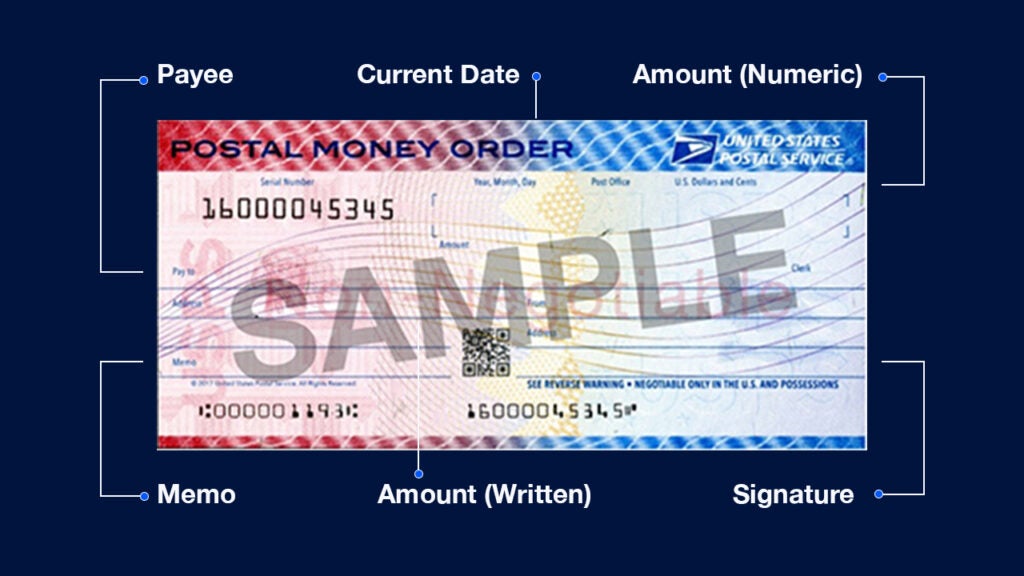
The Payee Line: Identifying the Recipient
The most critical part of the money order is the line that usually begins with “Pay to the Order Of” or “Pay To.” This is where you enter the name of the person or business receiving the money. It is imperative to write the name clearly and use the legal name of the entity. For example, if you are paying rent, ensure you are writing the name of the management company or the landlord exactly as it appears on your lease.
Once you write a name on this line, only that individual or entity can cash or deposit the instrument. Do not leave this line blank under any circumstances after purchasing the money order; a blank money order is essentially as dangerous as a signed blank check.
The Purchaser’s Information: Your Address and Details
Most Chase money orders will have a section labeled “Purchaser,” “From,” or “Sender.” Here, you are required to provide your legal name and current mailing address. This information is vital for two reasons. First, it identifies you as the rightful owner of the funds should the recipient have questions. Second, if the money order is lost and someone attempts to return it to you, the address provides a way for the document to find its way back. Use a permanent address where you can reliably receive mail, as any refunds for cancelled money orders will likely be sent to the address on record.
The Memo Field: Adding Context to Your Payment
The “Memo” or “Payment For” line is often optional but highly recommended for record-keeping. This is the space where you provide context for the transaction. If you are paying a utility bill, include your account number. If you are paying rent, write “October Rent – Apt 4B.” This ensures that when the recipient processes the payment, they know exactly which account to credit. In the event of a legal or financial dispute, a clearly labeled memo line serves as a powerful piece of evidence that the payment was intended for a specific purpose.
The Signature: Where to Sign (And Where Not To)
This is the area where most mistakes occur. There are typically two signature spots on a money order: one on the front and one on the back.
- The Front: You must sign the front of the money order in the space labeled “Purchaser’s Signature,” “Drawer,” or “Signer.” This signature validates the document and authorizes the payment.
- The Back: Do not sign the back of the money order. The back is reserved for the “Endorsement,” which is the signature of the person receiving the money. If you sign the back, you have effectively endorsed the document to yourself, which can make it very difficult for the intended recipient to deposit it into their own account.
Costs, Limits, and Requirements at Chase

Navigating the logistics of a Chase money order involves understanding the bank’s internal policies regarding fees and maximum denominations. These policies can vary based on your geographic location and the specific type of checking or savings account you hold.
Current Fee Structures and Account Tiers
For a standard Chase Total Checking account, the fee for a money order is typically around $5.00 per instrument. While this is higher than the fees found at a local post office or retail outlet (which usually range from $1.50 to $2.50), the convenience and security of a bank-issued document often justify the cost.
As mentioned previously, Chase rewards its higher-tier customers. If you maintain a Chase Premier Plus Checking, Chase Sapphire Checking, or Chase Private Client status, these fees are generally waived. It is always wise to check the “Terms and Conditions” or the “Additional Banking Services and Fees” PDF on the Chase website, as fee structures are subject to periodic updates.
Maximum Limits and Volume Restrictions
Chase imposes a limit on the maximum amount of a single money order, which is typically $1,000. If you need to pay an amount higher than this—for instance, a $2,500 security deposit—you will need to purchase multiple money orders.
If the amount you need to send is significantly higher, a money order may not be the most efficient tool. For amounts exceeding a few thousand dollars, Chase will typically recommend a Cashier’s Check. While similar in function, cashier’s checks have higher limits and are signed by a bank teller rather than the purchaser, offering an even higher level of institutional guarantee.
What You Need to Bring to a Chase Branch
To purchase a money order at a Chase branch, you should bring a valid government-issued photo ID. If you are a Chase customer, the funds will be debited directly from your account. If you are not a Chase customer, it is important to note that many Chase branches only issue money orders to existing account holders. If they do serve non-customers, you will likely be required to provide the full amount in cash plus the applicable fee.
Security Measures and Managing Your Receipt
The transaction does not end once you hand over the money order. Because this is a physical document, its security depends heavily on the “Purchaser’s Receipt”—the small, perforated strip attached to the side or top of the money order.
The Importance of the Detachable Receipt
When you fill out the money order, the information you write usually transfers through to the receipt via carbonless copy technology. This receipt is your only proof of purchase. It contains the serial number of the money order, the date of issue, and the amount. Without this receipt, it is nearly impossible to track the funds or request a refund if the document is lost or stolen. Store this receipt in a safe place until you have confirmed that the recipient has successfully cashed the payment.
Tracking Your Payment Status
If a recipient claims they never received your payment, you can use the serial number on your receipt to track the status. Chase provides customer service channels where you can inquire if a specific money order number has been cleared. This level of transparency is a significant advantage over sending cash, which offers no way to verify if it reached the intended party.
Procedures for Lost or Stolen Money Orders
If a money order is lost, you must visit a Chase branch to file a claim. You will need to provide the original receipt and pay a processing fee (often around $20 to $30) to initiate a stop-payment and request a refund. This process can take anywhere from 30 to 60 days, as the bank must verify that the original document has not been cashed. This underscores why filling out the “Payee” line immediately is so important; if a blank money order is lost, anyone can write their name on it and cash it, leaving you with no recourse for a refund.
Alternatives to Money Orders: When to Use Other Financial Tools
While the Chase money order is a robust financial tool, it is not always the best fit for every scenario. Modern personal finance offers several alternatives that may be faster or more suitable for larger sums.
Money Orders vs. Cashier’s Checks
The primary difference between these two is the limit and the source of the guarantee. Money orders are usually capped at $1,000 and are filled out by the purchaser. Cashier’s checks are used for much larger amounts (like a down payment on a home) and are issued and signed by the bank itself. If your transaction is over $1,000, skip the multiple money orders and opt for a single cashier’s check for a cleaner professional appearance.
Moving Toward Digital: Zelle and Wire Transfers
For those who do not require a physical document, Chase offers Zelle, a peer-to-peer payment service that allows you to send money instantly to anyone with a U.S. bank account. Zelle is free and eliminates the need for physical paperwork. For international payments or very large business transactions, a Wire Transfer is the gold standard. While wire transfers carry higher fees (often $25 to $50), they are near-instantaneous and offer the highest level of security in the global banking system.
By understanding how to correctly fill out a Chase money order and when to use it, you can navigate your personal and professional financial obligations with confidence. These documents remain a cornerstone of secure payment, bridging the gap between the physical and digital worlds of finance.
aViewFromTheCave is a participant in the Amazon Services LLC Associates Program, an affiliate advertising program designed to provide a means for sites to earn advertising fees by advertising and linking to Amazon.com. Amazon, the Amazon logo, AmazonSupply, and the AmazonSupply logo are trademarks of Amazon.com, Inc. or its affiliates. As an Amazon Associate we earn affiliate commissions from qualifying purchases.