
In an increasingly complex financial landscape, the seemingly mundane act of “filing” transcends mere administrative duty; it becomes a cornerstone of personal and business prosperity. From managing daily expenses to navigating annual tax obligations, understanding how you file your financial records directly impacts your ability to make informed decisions, capitalize on opportunities, and safeguard your wealth. This isn’t just about compliance; it’s about empowerment, efficiency, and peace of mind. For individuals, robust filing practices illuminate spending patterns, optimize budgeting, and streamline wealth accumulation. For businesses and side hustlers, it’s the bedrock of sound financial health, regulatory adherence, and strategic growth.
The Indispensable Role of Diligent Financial Filing
The act of organizing and storing financial documents might appear tedious, yet its implications are profound. It’s an investment in clarity, control, and future stability that pays dividends in multiple ways. Ignoring this crucial aspect can lead to stress, missed opportunities, and even costly penalties.
Beyond Compliance: Strategic Advantages
While legal and tax compliance are primary drivers for diligent financial filing, the benefits extend far beyond avoiding fines or audits. Well-organized financial records provide a crystal-clear snapshot of your fiscal health at any given moment. For personal finance, this means readily accessible data for budgeting, tracking investment performance, planning for retirement, and assessing loan eligibility. Imagine quickly aggregating all necessary documents for a mortgage application or proving your income for a new venture—seamless access significantly reduces stress and expedites processes.
For businesses, especially those engaging in online income or side hustles, meticulous filing facilitates performance analysis, cash flow management, and strategic forecasting. Identifying profitable revenue streams, understanding operational costs, and preparing compelling financial statements for investors or lenders all hinge on having easily retrievable, accurate records. It transforms raw data into actionable intelligence, allowing for agile decision-making and proactive problem-solving rather than reactive damage control.
The Hidden Costs of Disorganization
The converse of diligent filing is disorganization, and its costs are often underestimated until they manifest as significant problems. Lost receipts can mean missed deductions come tax time, directly impacting your bottom line. Incomplete records can trigger an audit, leading to substantial time and resources diverted to reconstructing information, not to mention potential penalties if discrepancies are found. For businesses, poor financial record-keeping can obscure genuine profitability, hinder accurate valuation, and even lead to business failure.
Beyond the monetary costs, there’s the significant psychological toll. The anxiety of uncertainty, the scramble for forgotten documents, and the fear of overlooking critical deadlines create an environment of constant stress. This emotional burden can permeate other areas of life and work, stifling creativity and productivity. The investment in effective filing, therefore, is also an investment in mental well-being and operational efficiency.
Building a Foundation for Financial Health
Ultimately, robust financial filing practices are foundational to achieving and maintaining financial health. They provide the necessary visibility to set realistic goals, track progress, and adapt strategies as circumstances change. Whether you’re aiming to save for a down payment, launch a new product, or plan for a comfortable retirement, the clarity derived from organized financial data is invaluable. It’s about building a reliable historical ledger that empowers future decisions, turning aspirations into achievable targets supported by concrete facts.
Core Pillars of Effective Financial Filing
Effective financial filing isn’t about hoarding every scrap of paper or digital file; it’s about systematically categorizing and storing essential documents that serve specific financial functions. Understanding what to keep and how to classify it is paramount.
Income and Expense Tracking: The Daily Bread
At the heart of all financial management, whether personal or business, lies the meticulous tracking of income and expenses. This includes pay stubs, bank statements, credit card statements, invoices sent and received, utility bills, receipts for purchases, and records of charitable contributions. For online income and side hustles, this extends to platform payout reports, payment processor statements (e.g., PayPal, Stripe), and records of business-related software subscriptions or advertising costs.
The goal here is to paint a complete picture of cash flow: where money comes from and where it goes. This data is critical for budgeting, tax preparation, and understanding profitability. Keeping these records organized by month and year, and categorized by type (e.g., “Utilities,” “Groceries,” “Business Software”), allows for quick retrieval and analysis.
Asset, Liability, and Investment Documentation
Beyond day-to-day transactions, maintaining detailed records of your assets, liabilities, and investments is crucial for understanding your net worth and managing your financial portfolio.
Assets include property deeds, vehicle titles, investment statements (stocks, bonds, mutual funds, cryptocurrency), retirement account statements (401k, IRA), and significant personal possessions (with appraisals if applicable).
Liabilities encompass loan documents (mortgages, auto loans, student loans), and detailed credit card agreements.
Investment documentation should include trade confirmations, annual statements, and any communications from brokers or fund managers. These documents are vital for estate planning, wealth management, and calculating capital gains or losses for tax purposes. Organizing these by asset type and year provides a clear overview of your financial portfolio’s evolution.
Tax-Specific Records and Supporting Documents
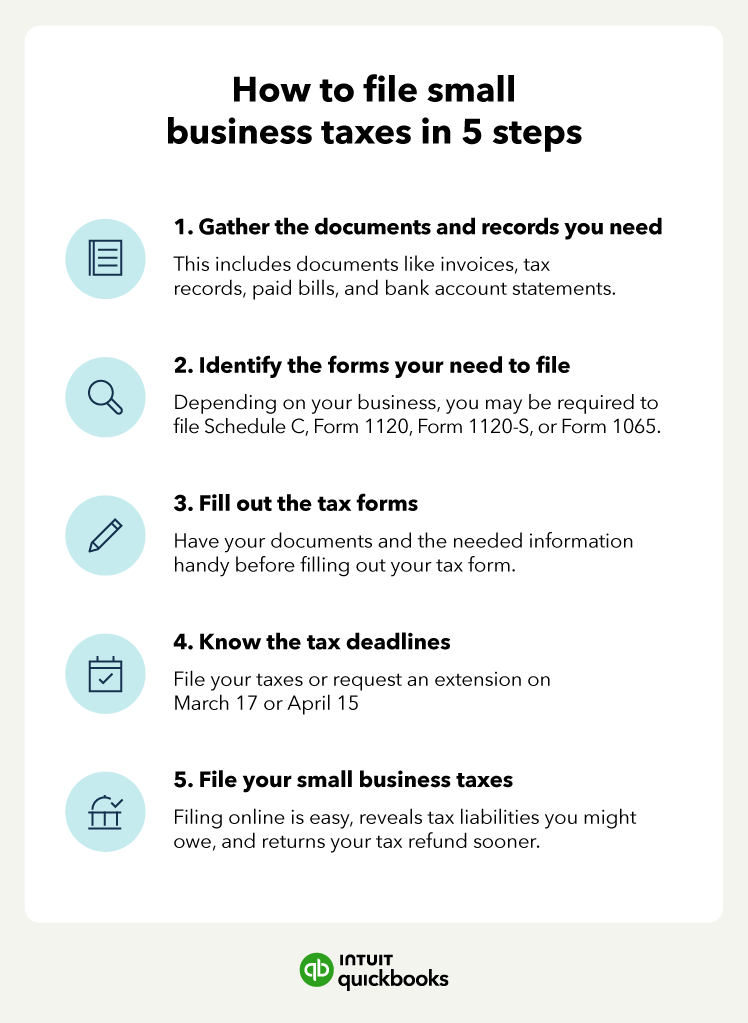
Tax season highlights the critical importance of organized filing. Beyond income and expense records, specific documents are needed for accurate tax preparation. This includes W-2s, 1099s (for contract income, dividends, interest), K-1s (for partnerships or S-corps), property tax statements, mortgage interest statements (1098), and records of any deductible expenses not covered by standard income/expense tracking (e.g., medical expenses, student loan interest, education credits). Keeping these documents together in a dedicated “Tax Documents” file, organized by year, vastly simplifies the annual filing process and ensures you claim all eligible deductions and credits.
Navigating the Digital vs. Physical Filing Landscape
The modern era offers a duality in filing: traditional physical documents and an ever-expanding universe of digital records. An effective strategy often involves a thoughtful blend of both.
The Rise of Digital Financial Management Systems
Digital filing has revolutionized financial organization, offering unparalleled search capabilities, reduced physical clutter, and enhanced accessibility. Cloud-based accounting software like QuickBooks, Xero, or FreshBooks automatically categorize transactions, generate reports, and integrate with bank accounts, significantly streamlining expense tracking and bookkeeping for businesses and side hustlers. Personal finance apps like Mint or YNAB offer similar benefits for individual budgeting.
Beyond dedicated financial software, secure cloud storage platforms (e.g., Google Drive, Dropbox, OneDrive) coupled with robust naming conventions and folder structures, serve as excellent digital filing cabinets. Documents can be scanned and uploaded, eliminating the need for bulky physical files. The ability to access these files from any device, anywhere, is a game-changer for individuals managing finances on the go or entrepreneurs operating remotely.

When Physical Records Remain Essential
Despite the digital shift, certain financial records still warrant physical retention, at least for a period. Original legal documents such as birth certificates, marriage licenses, property deeds, wills, and estate plans should always be kept in a secure physical location (e.g., a fireproof safe or safety deposit box). Some tax documents, especially those related to significant asset purchases or sales, might also be prudent to retain in physical form for an extended duration, particularly if digital copies are not guaranteed permanent access.
Additionally, for smaller businesses or individuals who prefer tactile interaction with their records, a physical system can still be effective. This typically involves clearly labeled folders, a well-defined categorization system, and a designated storage area.
Hybrid Approaches: Best of Both Worlds
For most, a hybrid approach offers the optimal balance of security, accessibility, and convenience. This strategy involves digitizing the vast majority of financial documents while maintaining a secure physical repository for critical original papers.
A common hybrid model involves:
- Scanning and Uploading: Digitize all new incoming paper documents immediately.
- Categorizing Digitally: Store these scanned documents in a cloud-based system with consistent folder structures and naming conventions.
- Shredding Non-Essentials: Once digitized and verified, securely shred paper documents that don’t require physical retention.
- Secure Physical Storage: Keep essential original documents (wills, deeds, etc.) in a fireproof safe or bank safety deposit box.
This approach leverages the strengths of both systems, maximizing accessibility and minimizing clutter while safeguarding irreplaceable originals.
Leveraging Technology: Essential Financial Filing Tools
The market is saturated with innovative tools designed to simplify and automate financial filing, making it more efficient and less daunting. Embracing these technologies is key to modern financial organization.
Accounting and Bookkeeping Software
For businesses, freelancers, and serious side hustlers, dedicated accounting software is indispensable. Solutions like QuickBooks, Xero, and Zoho Books automate invoicing, expense tracking, payroll, and financial reporting. They connect directly to bank accounts and credit cards, importing transactions and categorizing them, often with AI assistance. This not only keeps records pristine but also provides real-time insights into profitability and cash flow, crucial for strategic planning and tax compliance.
Expense Tracking and Receipt Management Apps
Gone are the days of shoeboxes filled with crumpled receipts. Apps like Expensify, Receipt Bank (Dext), and even integrated features within banking apps allow you to snap a photo of a receipt, automatically extract key data, and categorize the expense. Many integrate with accounting software, seamlessly transferring expense data. This ensures no deductible expense is missed and streamlines the reimbursement process for employees or business owners.
Secure Cloud Storage and Document Management Platforms
For storing digitized financial documents, secure cloud storage platforms are fundamental. Services like Google Drive, Microsoft OneDrive, Dropbox, and Box offer robust storage, synchronization across devices, and varying levels of security. For enhanced document management features, including version control, audit trails, and advanced search capabilities, dedicated Document Management Systems (DMS) such as SharePoint or specialized financial DMS solutions can be invaluable for larger organizations or complex personal portfolios. The critical factor is choosing a reputable provider with strong encryption and backup protocols.
Tax Preparation Software: Streamlining Annual Obligations
The annual ritual of tax filing is significantly eased by specialized software. Programs like TurboTax, H&R Block Tax Software, and TaxAct guide users through the process, identifying deductions, flagging potential errors, and allowing for electronic filing. Many can import financial data directly from banks, investment firms, and even accounting software, drastically reducing manual data entry and improving accuracy. For small businesses, these tools often integrate with their accounting software to provide a seamless transition from daily bookkeeping to annual tax reporting.
Best Practices for Sustained Financial Organization
Implementing a robust filing system is only the first step; maintaining it consistently is where true mastery lies. These best practices ensure your financial organization remains a powerful asset, not a one-time project.
Establishing a Regular Filing Cadence
Consistency is the bedrock of effective financial filing. Instead of letting documents pile up, establish a regular schedule for processing them. This could be weekly, bi-weekly, or monthly, depending on the volume of transactions you handle. Dedicate a specific time slot to review statements, categorize expenses, scan new documents, and reconcile accounts. A consistent cadence prevents overwhelming backlogs and ensures that financial data is always current and actionable. Integrate this habit into your routine, much like paying bills or checking emails.
Categorization, Labeling, and Naming Conventions
A well-defined system for categorization and labeling is crucial for quick retrieval. Whether digital or physical, consistency is key.
For physical files: Use clearly labeled folders (e.g., “Utilities – 2023,” “Medical Bills – 2024,” “Investment Statements – Broker X”).
For digital files: Implement a consistent folder structure (e.g., Financials/2024/Income, Financials/2024/Expenses/Business_Software). Use a uniform naming convention for files, such as YYYY-MM-DD_DocumentType_Company.pdf (e.g., 2024-03-15_BankStatement_AcmeBank.pdf). This systematic approach makes it effortless to locate specific documents when needed, whether for tax purposes, budgeting reviews, or personal reference.
Security and Backup Strategies for Financial Data
Given the sensitive nature of financial information, robust security and backup protocols are non-negotiable.
For digital files:
- Encryption: Ensure your cloud storage providers offer strong encryption both in transit and at rest.
- Strong Passwords & 2FA: Use unique, complex passwords for all financial accounts and enable two-factor authentication (2FA) wherever possible.
- Regular Backups: Implement a 3-2-1 backup strategy: at least three copies of your data, stored on two different types of media, with one copy offsite (e.g., cloud backup service).
- Antivirus/Anti-malware: Keep your devices protected with up-to-date security software.
For physical files: - Secure Storage: Store critical original documents in a fireproof and waterproof safe or a bank safety deposit box.
- Shredding: Securely shred any financial documents that are no longer needed, rather than simply discarding them.

Knowing When to Seek Professional Expertise
While effective filing empowers self-management, there are times when professional expertise becomes invaluable.
- Complex Tax Situations: If your income sources are varied, you have significant investments, or own a complex business structure, a tax professional can ensure compliance and maximize deductions.
- Estate Planning: An attorney specializing in estate planning can guide you through wills, trusts, and other critical documents, ensuring your financial legacy is secured.
- Financial Planning: A certified financial planner can help you align your financial records with long-term goals, offering insights into investment strategies, retirement planning, and wealth growth.
- Business Audits: In the event of an audit, an accountant or bookkeeper can help you navigate the process and present your organized records effectively.
Understanding “how do you file” is more than just a procedural question; it’s a fundamental aspect of financial literacy and a prerequisite for achieving financial well-being. By adopting diligent practices, leveraging modern tools, and maintaining a consistent approach, you transform a chore into a powerful engine for clarity, control, and sustained prosperity.
aViewFromTheCave is a participant in the Amazon Services LLC Associates Program, an affiliate advertising program designed to provide a means for sites to earn advertising fees by advertising and linking to Amazon.com. Amazon, the Amazon logo, AmazonSupply, and the AmazonSupply logo are trademarks of Amazon.com, Inc. or its affiliates. As an Amazon Associate we earn affiliate commissions from qualifying purchases.