
The transition from paper-based tax returns to digital filing has fundamentally altered the landscape of personal finance. What was once a weeks-long process involving physical ledger books, calculators, and the uncertainty of the postal service has been distilled into a streamlined, algorithm-driven experience. Filing taxes online is no longer just a matter of convenience; it is a strategic financial move that ensures greater accuracy, faster refund processing, and the ability to leverage sophisticated software to identify every possible deduction and credit. For the modern taxpayer, mastering the digital filing ecosystem is an essential component of comprehensive financial literacy.

Selecting the Optimal Online Filing Solution for Your Financial Profile
The first step in filing taxes online is determining which platform best serves your specific economic situation. The market is saturated with various software options, each catering to different levels of complexity, from simple W-2 employees to high-net-worth investors and small business owners. Selecting the wrong tool can lead to unnecessary fees or, worse, missed opportunities for tax optimization.
IRS Free File and Low-Cost Alternatives
For many taxpayers, the cost of filing should be the first consideration. The IRS Free File program is a public-private partnership that allows individuals with an Adjusted Gross Income (AGI) below a certain threshold—typically around $79,000—to use premium tax software at no cost. This is an underutilized resource that provides the same robust calculations as paid versions. Beyond the IRS program, platforms like FreeTaxUSA have gained significant traction in the personal finance community for offering free federal filing regardless of income level, charging only a nominal fee for state returns. These tools are ideal for those who have straightforward finances and want to keep their overhead low.
Premium Software for Complex Portfolios
If your financial life involves rental properties, cryptocurrency trading, or foreign assets, a more robust solution may be necessary. Industry giants like TurboTax and H&R Block offer tiered services that provide specialized forms and expert guidance. While these platforms carry a higher price tag, they often include “accuracy guarantees” and audit support. For an investor, the ability to automatically import thousands of stock transactions directly from a brokerage account via an API connection saves hours of manual entry and significantly reduces the risk of mathematical errors.
State-Sponsored Direct File Systems
A recent development in the financial technology space is the introduction of state-run and federal “Direct File” systems. These are government-built portals designed to allow taxpayers to file directly with the taxing authority without a third-party intermediary. While currently limited to specific states and simpler tax profiles, these systems represent the future of frictionless tax compliance, potentially removing the cost barrier entirely for the average citizen.
The Essential Documentation Checklist for a Seamless Digital Submission
Efficiency in online filing is predicated on preparation. The software is only as effective as the data provided. Before logging into any portal, it is vital to aggregate all digital and physical financial records to ensure that every income stream and deductible expense is accounted for.
Aggregating Income Statements
The cornerstone of your tax return is your total reportable income. In the digital age, most employers and financial institutions provide these documents electronically. You should secure your W-2s from traditional employment, but the rise of the gig economy means many individuals must also track various 1099 forms. This includes 1099-NEC for non-employee compensation, 1099-K for payment app transactions, and 1099-INT for interest earned in high-yield savings accounts. Missing even a small 1099-DIV from a brokerage account can trigger an automated notice from the IRS, as their systems receive copies of these documents simultaneously.
Organizing Deductions and Financial Adjustments
To move beyond the standard deduction and potentially lower your taxable income, you must document your expenses. If you are itemizing, this includes digital receipts for mortgage interest (Form 1098), property taxes, and significant medical expenses. For self-employed individuals and side-hustlers, the documentation requirements are even more stringent. Digital bookkeeping software that tracks business expenses throughout the year can often be synced with tax filing platforms, allowing for a seamless transfer of data regarding home office costs, equipment depreciation, and travel expenses.
Educational and Healthcare Records
Financial tools for tax filing also require specific information regarding your healthcare and education. Form 1098-T is necessary for claiming the American Opportunity Tax Credit or the Lifetime Learning Credit, which are direct dollar-for-dollar reductions in your tax liability. Similarly, if you received health insurance through a state or federal marketplace, Form 1095-A is required to reconcile any premium tax credits received throughout the year.
Navigating the Online Filing Interface: A Strategic Step-by-Step Approach
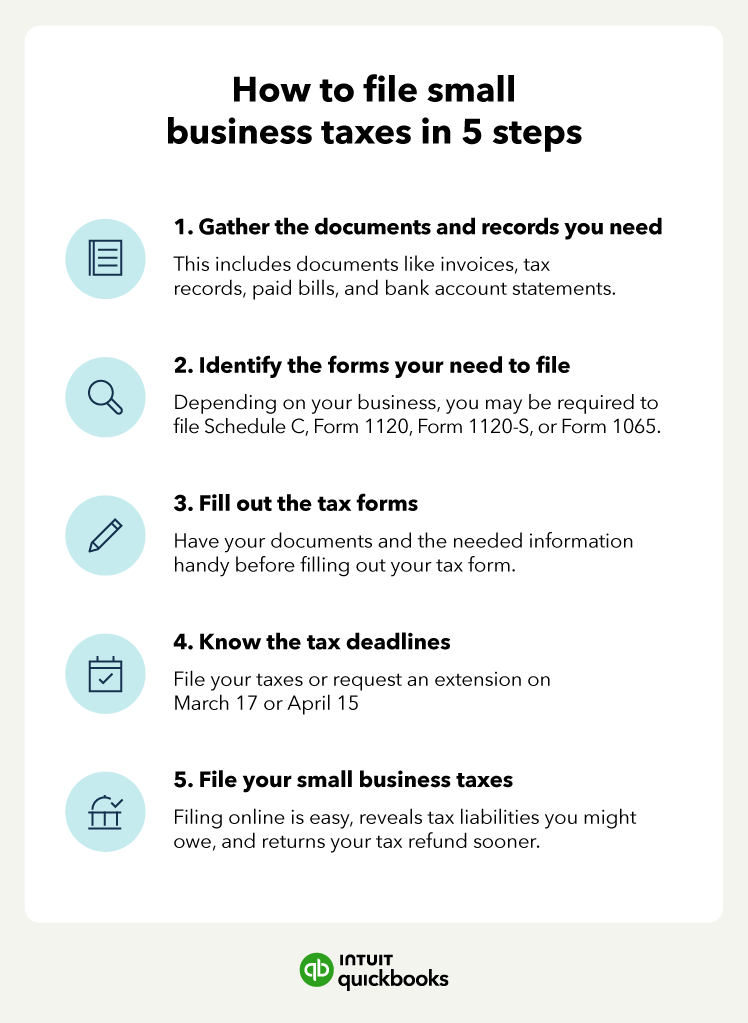
Once the platform is chosen and documentation is ready, the actual process of filing involves a series of logical steps designed to verify identity, report income, and optimize your final balance. Most modern interfaces use a “question-and-answer” format that translates complex tax code into layman’s terms.
Initial Setup and Data Integration
The process begins with personal identification. You will need Social Security numbers for yourself, your spouse, and any dependents. A major advantage of filing online is the ability to import data from previous years. If you use the same software annually, it will automatically carry over your basic information, carryover losses, and depreciation schedules, ensuring continuity in your financial records. Many platforms also offer “Snap-and-Fill” features, where you can take a photo of your W-2 with a smartphone and the software will auto-populate the fields using optical character recognition (OCR) technology.
The Guided Interview and Logic Checks
As you progress through the sections—Income, Deductions, Credits, and Other Taxes—the software performs real-time calculations. It acts as a financial advisor, flagging potential inconsistencies. For example, if you claim a home office deduction that is disproportionately high compared to your reported income, the software may provide a cautionary note. This phase is where you make critical financial decisions, such as choosing between the standard deduction and itemizing, or deciding whether to contribute to a traditional IRA before the filing deadline to reduce your current year’s tax bill.
Final Review and Diagnostic Testing
Before the “Submit” button is pressed, the software will run a comprehensive diagnostic. This checks for missing signatures, incomplete forms, or mathematical anomalies. This is the moment to review the “Tax Summary” or “Form 1040” view. Understanding how the numbers flow from your income statements to your final liability is a key part of financial mastery. Ensure that your bank routing and account numbers are entered correctly for direct deposit; errors here are the leading cause of delayed refunds.
Safeguarding Your Financial Identity and Managing Post-Submission Logistics
Filing taxes online involves transmitting the most sensitive financial data an individual possesses. Understanding the security protocols and the timeline of the post-submission process is essential for financial peace of mind.
Digital Security Protocols
When you file online, your data is protected by high-level encryption and Multi-Factor Authentication (MFA). It is imperative to use a unique, complex password for your tax account and to file over a secure, private internet connection—never public Wi-Fi. The IRS and reputable software providers will never initiate contact via text or social media to ask for personal or financial information. Being aware of “phishing” scams during tax season is a vital part of protecting your digital wealth.
E-File Confirmation and Refund Tracking
Once submitted, you will receive an electronic acknowledgment that the IRS (and your state, if applicable) has received the transmission. This usually happens within 24 to 48 hours. This confirmation is your proof of timely filing. If you are owed a refund, the most efficient way to track it is through the “Where’s My Refund?” tool on the IRS website or the IRS2Go mobile app. By choosing e-file and direct deposit, most taxpayers receive their funds within 21 days, compared to several weeks or months for paper returns.
Amending and Future Record Keeping
If you discover an error after filing, the digital ecosystem makes it relatively easy to file an amended return (Form 1040-X) electronically. Furthermore, you should download and save a PDF copy of your entire return, including all worksheets. Most financial advisors recommend keeping these records for at least seven years. Having a digital archive of your tax history is invaluable when applying for mortgages, business loans, or performing long-term wealth planning.
Maximizing Financial Outcomes Through Digital Tax Planning Strategies
Filing taxes online should not be viewed as a once-a-year chore, but rather as the culmination of a year-round financial strategy. The tools used for filing can provide insights that help you make better financial decisions for the following year.
Adjusting Withholdings and Estimated Payments
The final result of your online filing—whether you owe a large sum or receive a massive refund—is a signal that your withholdings may need adjustment. A large refund is essentially an interest-free loan to the government. By using the IRS Tax Withholding Estimator, you can adjust your Form W-4 with your employer to increase your take-home pay, allowing you to invest that money throughout the year instead of waiting for a lump sum in April. If you owed money, you might need to start making quarterly estimated payments to avoid underpayment penalties.
Leveraging Tax-Advantaged Accounts
Online filing software often highlights opportunities for “last-minute” tax savings. For instance, you generally have until the April filing deadline to contribute to a traditional IRA or a Health Savings Account (HSA) and have it count toward the previous tax year. Seeing the real-time impact of these contributions on your tax liability through the software’s interface can be a powerful motivator for increasing your retirement savings and building long-term wealth.

Preparing for the Future of Digital Taxation
The landscape of personal finance continues to evolve with the integration of AI and machine learning into tax software. Future iterations of online filing tools will likely offer even more predictive analytics, suggesting tax-loss harvesting strategies in real-time or automatically syncing with your bank accounts to categorize every transaction for tax purposes. By embracing the digital filing process now, you position yourself to take full advantage of these emerging financial technologies, ensuring that your tax strategy remains as efficient and effective as possible.
aViewFromTheCave is a participant in the Amazon Services LLC Associates Program, an affiliate advertising program designed to provide a means for sites to earn advertising fees by advertising and linking to Amazon.com. Amazon, the Amazon logo, AmazonSupply, and the AmazonSupply logo are trademarks of Amazon.com, Inc. or its affiliates. As an Amazon Associate we earn affiliate commissions from qualifying purchases.