
Understanding your yearly salary is far more complex than simply looking at your pay stub. It’s a crucial aspect of personal finance, impacting everything from your daily budget and investment potential to your long-term financial security and career trajectory. For many, “salary” conjures a single, static number, yet a comprehensive understanding requires delving into gross versus net, the value of benefits, market dynamics, and tax implications. This article will guide you through the intricate process of dissecting and understanding your total yearly compensation, empowering you to make informed financial decisions and advocate for your worth.
Understanding the Fundamentals of Salary Calculation
Before you can effectively plan your finances or negotiate your next raise, it’s essential to grasp the foundational elements that constitute your yearly salary. Many components contribute to your total compensation, some obvious and others less apparent.
Gross vs. Net Income: The Essential Distinction
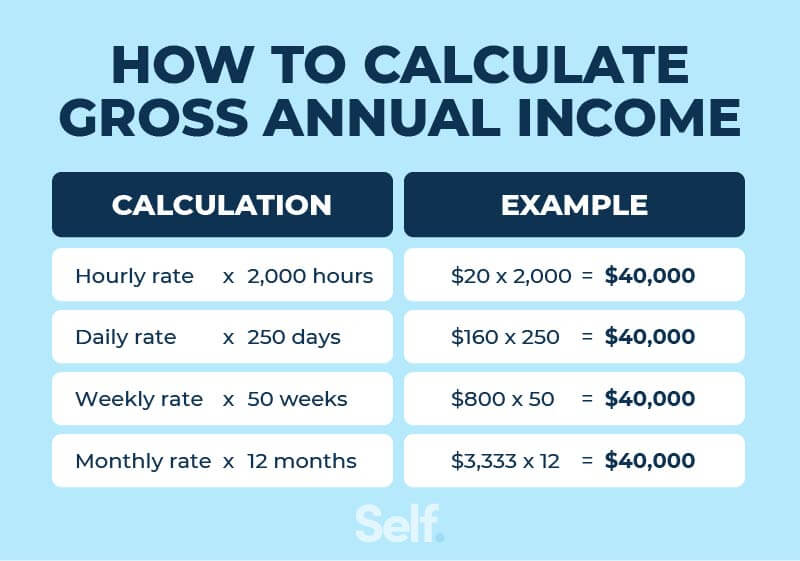
The first and most critical distinction to make is between gross and net income. Your gross yearly salary is the total amount of money your employer agrees to pay you before any deductions are made. This is the figure typically discussed during job interviews and listed in offer letters. However, this isn’t the money that hits your bank account.
Net yearly income, often referred to as “take-home pay,” is the amount you receive after all deductions have been subtracted from your gross pay. These deductions can include federal, state, and local income taxes, Social Security and Medicare contributions (FICA), health insurance premiums, retirement plan contributions (e.g., 401(k) or 403(b)), and other voluntary deductions like life insurance or disability premiums. Understanding this difference is paramount for budgeting, as your living expenses must be covered by your net income, not your gross. A common pitfall for those new to the workforce or switching jobs is to budget based on their gross salary, leading to a rude awakening when the first smaller-than-expected paycheck arrives.
Base Salary, Bonuses, and Commissions
While gross salary often refers to your base pay, your actual total compensation can be significantly augmented by variable components.
-
Base Salary: This is the fixed amount you receive for performing your job duties, typically paid on a regular schedule (e.g., bi-weekly, semi-monthly, or monthly). It forms the bedrock of your yearly income.
-
Bonuses: Many roles, especially in sales, finance, and executive leadership, include the potential for bonuses. These can be performance-based (tied to individual or company targets), sign-on bonuses (one-time payments for joining a company), or retention bonuses (incentives to stay with an organization). Bonuses are often paid annually, semi-annually, or quarterly and can dramatically increase your total earnings. However, they are usually not guaranteed and can fluctuate based on performance or company profitability.
-
Commissions: Predominantly found in sales roles, commissions are payments based on a percentage of sales generated or revenue brought in. Commission structures vary widely, from straight commission (where earnings are solely based on sales) to salary plus commission (a lower base salary augmented by sales-based earnings). For those in commission-heavy roles, accurately estimating yearly income requires understanding sales cycles, potential market fluctuations, and historical performance data.
The Role of Benefits in Total Compensation
One of the most overlooked components when figuring out yearly salary is the value of employee benefits. While not direct cash in hand, benefits represent a substantial financial contribution from your employer that would otherwise come out of your pocket.
-
Health Insurance: Employer-sponsored health, dental, and vision insurance plans often cover a significant portion of premiums, representing hundreds or even thousands of dollars in savings annually.
-
Retirement Plans: Employer contributions to 401(k)s, 403(b)s, or pension plans are direct additions to your long-term wealth. A common benefit is a company match, where the employer matches a certain percentage of your contributions up to a limit. This is essentially free money and a powerful tool for building retirement savings.
-
Paid Time Off (PTO): Vacation days, sick leave, and paid holidays have an inherent monetary value. If you were paid hourly, these days off would represent lost income; with PTO, your salary continues.
-
Other Benefits: These can include life insurance, disability insurance, tuition reimbursement, commuter benefits, wellness programs, gym memberships, employee discounts, professional development opportunities, and even free meals or snacks. Each of these perks contributes to your overall financial well-being and reduces your personal expenses.
When comparing job offers or assessing your current compensation, it’s critical to assign a monetary value to these benefits. Sometimes, a job with a slightly lower base salary but superior benefits can offer a better overall financial package than one with a higher base salary but minimal perks.
Navigating Market Data and Industry Benchmarks
Once you understand the internal components of your salary, the next step is to look outward. Your value in the market is not solely determined by your employer but by the broader economic landscape, industry standards, and the demand for your specific skill set.
Utilizing Salary Guides and Online Tools
In today’s data-rich environment, a wealth of resources exists to help you benchmark your salary against market averages.
-
Online Salary Aggregators: Websites like Glassdoor, Salary.com, Indeed, and LinkedIn Salary offer data points for various roles, industries, and locations. They typically provide salary ranges (low, average, high) based on user-submitted data. While useful, remember that self-reported data can sometimes have biases, so cross-reference information from multiple sources.
-
Industry-Specific Surveys: Many professional associations and consulting firms publish detailed salary surveys for specific fields (e.g., IT, healthcare, engineering). These reports often provide more granular data and insights into compensation trends within specialized niches.
-
Recruiters: Professional recruiters, especially those specializing in your industry, possess invaluable real-time market knowledge. They can offer insights into what companies are currently paying for specific roles and skill sets.
When using these tools, be as specific as possible with job titles, industries, years of experience, and location to get the most accurate estimate.
The Impact of Location, Industry, and Company Size
Your salary is not just about what you do, but where and for whom you do it.
-
Location: Salaries vary significantly by geographic location. Major metropolitan areas with higher costs of living (e.g., New York City, San Francisco, London) typically offer higher salaries to compensate, while rural areas or cities with lower living costs will have correspondingly lower pay scales. It’s crucial to consider the “purchasing power” of your salary in a given location.
-
Industry: Some industries inherently pay more than others due to demand, required specialized skills, or profitability margins. For example, tech, finance, and healthcare often command higher salaries than non-profit or hospitality sectors for comparable experience levels.
-
Company Size: Larger, more established companies often have more structured pay scales and may offer more comprehensive benefits packages. Startups, while potentially offering equity and rapid growth opportunities, might offer lower base salaries initially. Public companies also tend to offer different compensation structures compared to private firms.
Assessing Your Skills, Experience, and Education
Ultimately, your individual qualifications play a pivotal role in determining your market value.

-
Skills: Highly sought-after, specialized skills (e.g., proficiency in a specific coding language, advanced data analytics, unique project management certifications) can significantly increase your earning potential. Continuous learning and upskilling are vital for career growth and salary increases.
-
Experience: The number of years you’ve spent in a role or industry directly correlates with your salary. Entry-level positions will naturally pay less than senior or leadership roles requiring extensive experience.
-
Education: While not always the sole determinant, higher education (bachelor’s, master’s, PhD) or relevant professional certifications can often command higher starting salaries and faster career progression in many fields.
Regularly auditing your skills, experience, and educational background against market demands helps you understand your current worth and identify areas for improvement to boost future earnings.
Beyond the Basics: Factoring in Hidden Costs and Future Value
Calculating your yearly salary isn’t just about what you make today; it’s also about understanding the financial implications of your earnings and planning for tomorrow.
Understanding Tax Implications and Deductions
Taxes are often the largest single deduction from your gross salary, and understanding them is crucial for accurate financial planning.
-
Federal, State, and Local Taxes: These rates vary significantly based on your income bracket, filing status, and location. It’s important to understand how much of your income will be allocated to various tax authorities. Online tax calculators can provide estimates, but a tax professional can offer personalized advice.
-
Pre-Tax vs. Post-Tax Deductions: Contributions to 401(k)s (traditional), health insurance premiums, and flexible spending accounts (FSAs) are often pre-tax deductions, meaning they reduce your taxable income. Post-tax deductions, like Roth 401(k) contributions or some life insurance premiums, do not reduce your current taxable income but offer different tax benefits later. This distinction is vital for optimizing your tax strategy and understanding your true disposable income.
-
Marginal Tax Rates: Knowing your marginal tax bracket helps you understand how much of any additional income (e.g., a bonus or raise) you will actually take home.
The Real Value of Employer-Provided Benefits
Revisiting benefits from a slightly different angle, it’s imperative to quantify their cash equivalent. If your employer covers 80% of your health insurance premium, and the total premium is $1,000 per month, your employer is contributing $800 to your well-being – that’s $9,600 a year you don’t have to spend. Similarly, a 401(k) match isn’t just a nice perk; it’s an immediate, guaranteed return on your investment (often 50% or 100% on your contributions up to a certain limit), which is incredibly powerful for wealth accumulation.
Consider the “total compensation package” rather than just the base salary. Sometimes a lower-paying job with exceptional benefits (e.g., robust health coverage, generous 401(k) match, extensive PTO, professional development budget) might offer a higher net financial benefit than a higher-paying job with minimal benefits, especially if you have high healthcare needs or are aggressively saving for retirement.
Projecting Future Earnings and Career Growth
Your current yearly salary is a snapshot, not a static figure. Smart financial planning involves projecting your future earning potential.
-
Annual Raises and Cost-of-Living Adjustments (COLAs): Most companies offer annual merit-based raises or COLAs to keep pace with inflation. Factoring in a typical 2-5% annual increase can help you project your income over a few years.
-
Promotions and Role Changes: Ascending the career ladder generally comes with significant salary bumps. Understand the typical salary ranges for the next logical steps in your career path.
-
Skill Development and Certifications: Investing in yourself through new skills or certifications often translates directly into higher earning potential. Research the salary impact of relevant certifications in your field.
-
Industry Trends: Stay abreast of trends in your industry. Is it growing rapidly, leading to increased demand for talent and higher salaries? Or is it stagnant, potentially limiting growth?
By considering these factors, you can create a more dynamic and realistic long-term financial plan, understanding not just what you make now, but what you can make.
Practical Steps to Calculate and Optimize Your Salary
With a thorough understanding of the components and market dynamics, you can now take concrete steps to calculate your current salary accurately and strategically work towards optimizing it.
Reviewing Pay Stubs and Employment Contracts
The most direct way to understand your current salary is to meticulously review your pay stubs and employment contract.
-
Pay Stubs: Every pay period, your pay stub will detail your gross pay, all deductions (taxes, benefits, retirement), and your net pay. Keep these records. They are the definitive source of your current earnings and deductions.
-
Employment Contract/Offer Letter: Your initial offer letter or employment contract will explicitly state your base salary, bonus structure (if any), and outline key benefits. Refer back to this document regularly, especially if you suspect discrepancies or want to understand your full compensation details. It’s also crucial for understanding things like severance clauses, equity grants, or non-compete agreements that might have future financial implications.
Negotiating for a Fair Wage
Figuring out your yearly salary also involves actively shaping it, especially when starting a new role or seeking a promotion.
-
Research Thoroughly: Before any negotiation, arm yourself with robust market data (as discussed in Section 2). Know the salary ranges for your role, experience level, and location.
-
Quantify Your Value: Be prepared to articulate your accomplishments and the value you bring to an organization. Use data and examples of how you’ve positively impacted previous employers or your current team.
-
Consider the Total Package: Don’t just focus on the base salary. Negotiate for better benefits (e.g., more PTO, a higher 401(k) match, a professional development budget), signing bonuses, or equity if appropriate. Sometimes, negotiating non-salary benefits can be easier for an employer and equally valuable to you.
-
Be Confident and Professional: Negotiation is a skill. Practice what you’ll say, be firm but polite, and be prepared to walk away if an offer doesn’t meet your minimum expectations.

Annual Reviews and Performance-Based Adjustments
Your annual performance review is a prime opportunity to discuss your compensation.
-
Prepare in Advance: Before your review, document your accomplishments, positive contributions, and any new skills you’ve acquired over the past year. Gather data to support your request for a raise.
-
Align with Company Goals: Frame your contributions in terms of how they helped the company achieve its objectives. Show that you are a valuable asset worth investing in.
-
Understand Company Compensation Structure: Be aware of your company’s typical raise percentages, bonus structures, and promotion paths. Knowing this helps set realistic expectations and informs your negotiation strategy.
-
Seek Feedback and Development Opportunities: Even if you don’t get the raise you wanted, use the review to understand what you need to do to earn it next time. Ask for specific feedback and identify development opportunities that will increase your value and future earning potential.
Figuring out your yearly salary is an ongoing process of assessment, research, and strategic action. It’s a dynamic figure that reflects your skills, the market, and your ability to advocate for your worth. By understanding all its components – from gross pay and benefits to market benchmarks and tax implications – you gain control over your financial narrative and pave the way for a more secure and prosperous future.
aViewFromTheCave is a participant in the Amazon Services LLC Associates Program, an affiliate advertising program designed to provide a means for sites to earn advertising fees by advertising and linking to Amazon.com. Amazon, the Amazon logo, AmazonSupply, and the AmazonSupply logo are trademarks of Amazon.com, Inc. or its affiliates. As an Amazon Associate we earn affiliate commissions from qualifying purchases.