
In the pursuit of optimal health, fitness, and body composition, understanding macronutrients – proteins, carbohydrates, and fats – is paramount. These three vital components of our diet provide the energy our bodies need to function and are essential for everything from muscle repair to cognitive function. While the concept of balancing macros has been around for decades, the process of accurately figuring out one’s personal requirements has historically been complex, often requiring meticulous manual calculations and estimations. Today, however, technology has revolutionized this landscape, offering sophisticated tools, applications, and AI-driven platforms that empower individuals to precisely determine, track, and optimize their macronutrient intake like never before. This article delves into how digital innovation has transformed the journey of macro management, making personalized nutrition accessible and actionable for everyone.

The Fundamental Role of Macronutrients in Health and Performance
Before we explore the technological advancements, it’s crucial to grasp why macronutrients are so vital and why their precise calculation holds such significance. Often referred to simply as “macros,” proteins, carbohydrates, and fats each play distinct, indispensable roles in supporting our physiological processes and enabling us to achieve our health and fitness goals.
Understanding Protein, Carbohydrates, and Fats
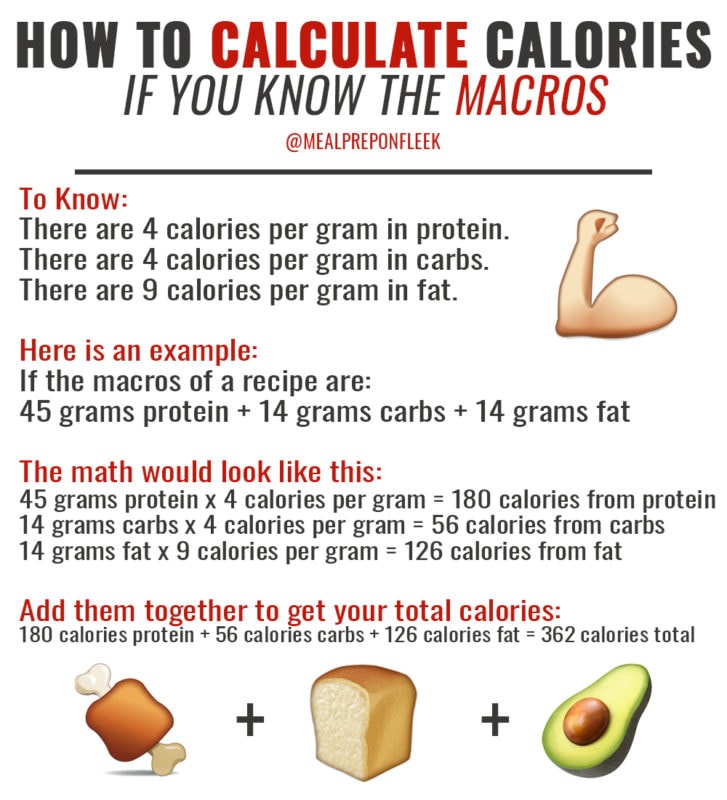
Proteins are the building blocks of life. Composed of amino acids, they are essential for repairing tissues, building muscle mass, producing enzymes and hormones, and supporting immune function. Sources include meat, fish, eggs, dairy, legumes, and nuts. For anyone pursuing muscle growth or recovery, protein intake is a critical focus.
Carbohydrates are the body’s primary source of energy. They are broken down into glucose, which fuels our cells, tissues, and organs, particularly the brain and muscles during physical activity. Carbohydrates come in various forms, from simple sugars found in fruits and sweets to complex starches in whole grains, vegetables, and legumes. Their quantity significantly impacts energy levels and workout performance.
Fats are vital for hormone production, nutrient absorption (especially fat-soluble vitamins like A, D, E, K), insulation, and protecting organs. Healthy fats, found in avocados, nuts, seeds, olive oil, and fatty fish, are crucial for overall well-being. While historically demonized, the right types and amounts of fats are essential for satiety and sustained energy.
Why Personalized Macro Calculation Matters
There’s no one-size-fits-all approach to macro intake. An individual’s ideal macro ratio depends on a multitude of factors: age, sex, height, current weight, body composition, activity level, and specific goals (e.g., weight loss, muscle gain, maintenance, athletic performance, or managing certain health conditions). A competitive bodybuilder will have vastly different macro needs than someone aiming for general weight loss or an endurance athlete preparing for a marathon. Manually accounting for all these variables to derive an accurate daily macro target is a daunting task. This is precisely where technology steps in, offering a precise, dynamic, and user-friendly solution to what was once a complex equation.
Digital Tools and Apps: Your Macro-Tracking Arsenal
The digital age has ushered in an era where personalized nutrition is just a few taps away. A vast ecosystem of apps, smart devices, and online platforms has emerged, simplifying the formerly arduous process of calculating and tracking macronutrients. These tools transform complex nutritional science into accessible, actionable insights, empowering users to take control of their dietary habits.
Dedicated Nutrition Tracking Apps
At the forefront of macro management are specialized nutrition tracking applications. These apps serve as digital food diaries, allowing users to log every meal and snack, automatically calculating their macro breakdown.
- MyFitnessPal: Perhaps the most widely recognized, MyFitnessPal boasts an enormous food database, barcode scanning, and social features. Users input their personal data and goals, and the app provides initial macro recommendations, tracking progress against these targets.
- Cronometer: Known for its precise data and comprehensive nutrient tracking (beyond just macros, including vitamins and minerals), Cronometer is favored by those who seek a highly detailed nutritional overview. It often sources data directly from USDA and lab analyses, offering greater accuracy.
- Lose It!: Similar to MyFitnessPal, Lose It! offers a user-friendly interface, barcode scanning, and a vast food database, with an emphasis on weight loss goals and community support.
These apps go beyond simple logging; they offer visual representations of daily and weekly macro intake, allow for custom food entries, and provide insights into dietary patterns, making it easier for users to identify areas for improvement and adjust their food choices to meet their targets.
Smart Devices and Wearables Integration
The synergy between nutrition apps and smart hardware further enhances macro tracking accuracy and convenience.
- Smart Scales: Devices like those from Withings or Renpho go beyond just weight, measuring body composition (body fat, muscle mass, water percentage). This data can sync directly with nutrition apps, providing a more holistic view of progress and allowing for macro adjustments based on changes in body composition rather than just scale weight.
- Fitness Trackers and Smartwatches: Apple Watch, Garmin, Fitbit, and other wearables continuously monitor activity levels, heart rate, and estimated calorie expenditure. When integrated with nutrition apps, this data can dynamically adjust daily calorie and macro recommendations to account for energy burned, ensuring that intake aligns with output.
- Smart Kitchen Gadgets: While less common for macro calculation, smart kitchen scales and even some smart ovens can assist with accurate portion control and recipe tracking, helping to ensure that the food entered into tracking apps is as precise as possible.
This interconnectedness creates a comprehensive ecosystem where activity levels, body metrics, and food intake are all factored into the macro equation, offering a truly personalized and responsive nutritional strategy.
Online Calculators and Web-Based Platforms
For those seeking an initial estimate or a broader understanding without committing to a daily tracking app, numerous online calculators and web-based platforms offer a starting point. These typically use widely accepted formulas like the Mifflin-St Jeor equation or Harris-Benedict formula, factoring in age, gender, height, weight, and activity level to provide a baseline for calorie and macro requirements. Websites like TDEECalculator.net or many fitness-specific platforms offer these tools. While they provide good initial estimates, they lack the real-time tracking and adaptive features of dedicated apps, serving more as a foundational guide for setting initial targets.
Harnessing AI and Advanced Algorithms for Optimized Macro Planning
The evolution of technology in nutrition has moved beyond mere tracking; artificial intelligence and sophisticated algorithms are now paving the way for truly personalized and dynamic macro planning. These advanced tools offer a level of customization and responsiveness that manual methods or even basic apps cannot match, pushing the boundaries of precision nutrition.
AI-Driven Meal Planners
Imagine a personal chef and nutritionist rolled into one, constantly learning your preferences, dietary restrictions, and goals. That’s the promise of AI-driven meal planners. These sophisticated platforms analyze vast datasets, including food nutritional profiles, user feedback, and scientific literature, to generate customized meal plans that meet specific macro targets.
- Learning and Adaptation: Unlike static meal plans, AI planners adapt over time. If a user consistently dislikes a certain ingredient or fails to meet a macro target, the AI adjusts future recommendations. It learns from successes and failures, refining its suggestions to better fit individual tastes and adherence patterns.
- Personalized Recipes: These tools don’t just suggest food groups; they often generate specific recipes, complete with ingredients and cooking instructions, ensuring that each meal contributes precisely to the daily macro goals.
- Dietary Restrictions and Preferences: Whether you’re vegetarian, gluten-free, allergic to nuts, or simply prefer certain cuisines, AI can incorporate these complex constraints into its planning, ensuring that the generated meals are not only nutritionally sound but also enjoyable and safe. Examples include services like PlateJoy or apps that offer premium AI-driven meal planning features.
Predictive Analytics and Adaptive Adjustments
One of the most powerful aspects of AI in macro management is its ability to use predictive analytics. By analyzing historical data – your food logging patterns, activity levels from wearables, and body composition changes from smart scales – AI can forecast how certain dietary adjustments might impact your progress.
- Dynamic Macro Adjustments: If an AI notices that your weight loss has stalled, or muscle gain is slower than expected, it can suggest subtle shifts in your macro ratios or total calorie intake. It moves beyond static targets, offering dynamic adjustments based on real-world outcomes.
- Behavioral Insights: AI can identify common pitfalls, such as late-night snacking patterns or under-consuming protein, and offer timely nudges or alternative strategies to help users stay on track. This proactive guidance helps prevent deviations before they become major roadblocks.
- Goal Optimization: As your body adapts and your goals evolve, AI can continually re-optimize your macro strategy, ensuring you remain on the most efficient path to achieving desired results, whether it’s shifting from a cutting phase to a maintenance phase or preparing for an athletic event.
The Future of Personalized Nutrition with AI
The horizon for AI in personalized nutrition is expansive. We can anticipate even greater integration with bio-feedback mechanisms. Imagine AI adjusting your macros in real-time based on continuous glucose monitoring data, or even insights derived from gut microbiome analysis. As genomic data becomes more accessible, AI could potentially tailor macro recommendations based on an individual’s genetic predispositions for nutrient metabolism or susceptibility to certain health conditions. This hyper-customization, driven by deep learning and vast data analysis, promises an era where nutrition plans are not just personalized, but truly predictive and preventative, adapting to our bodies’ unique and changing needs in real-time.
Step-by-Step: Utilizing Tech to Determine Your Personal Macros
The power of technology lies in its practical application. For those new to macro tracking, the process can seem daunting, but modern tools are designed for ease of use. Here’s a guided approach to leveraging tech for your personalized macro journey.
Setting Up Your Profile and Goals
The first step with any robust macro tracking app or online platform is to create a detailed profile. This is foundational for accurate recommendations.
- Input Personal Data: Accurately enter your age, sex, height, current weight, and body fat percentage (if known, from a smart scale or estimation). These are crucial inputs for basal metabolic rate (BMR) calculations.
- Define Activity Level: Select the option that best describes your daily physical activity (e.g., sedentary, lightly active, moderately active, very active, extremely active). Be honest to avoid over or underestimating your calorie needs.
- Specify Your Goal: Clearly state your objective:
- Weight Loss: The app will recommend a caloric deficit.
- Muscle Gain (Bulking): A caloric surplus will be suggested.
- Weight Maintenance: Calories will be set to match your estimated total daily energy expenditure (TDEE).
- Many apps also allow for specific rates of weight change (e.g., lose 1 lb per week).
Based on these inputs, the app will generate an initial daily calorie target and a suggested macro split (e.g., 40% carbs, 30% protein, 30% fat). This is your starting blueprint.
Inputting Dietary Information
Once your targets are set, the ongoing process involves diligently logging your food intake. Accuracy here is key to the effectiveness of the system.
- Utilize Barcode Scanning: Most apps feature a barcode scanner. Simply scan the barcode of packaged foods, and the nutritional information (including macros) will auto-populate. This is incredibly efficient.
- Search the Food Database: For fresh produce, restaurant meals, or generic items, use the app’s search function. Enter the food item (e.g., “chicken breast,” “apple,” “sushi roll”). Always verify the portion size and adjust if necessary (e.g., 4 oz cooked chicken vs. 6 oz raw).
- Create Custom Entries: If a specific food or recipe isn’t in the database, you can manually input its nutritional information. Many apps allow you to save custom recipes, making it easy to log homemade meals accurately each time.
- Log Immediately: Develop a habit of logging food as you eat it, or soon after. Waiting until the end of the day can lead to forgotten items and less accurate tracking.
Interpreting and Adjusting Macro Recommendations
Your app will provide a real-time overview of your macro intake throughout the day. Learning to interpret this data is vital.
- Visual Cues: Pay attention to color-coded bars or progress rings that indicate how close you are to your protein, carb, and fat targets.
- Daily Summaries: Review your end-of-day summaries. Are you consistently hitting your protein goal? Are your carbs too high or too low for your energy levels? Is your fat intake providing satiety without excess calories?
- Energy and Hunger Cues: While the app provides numbers, your body provides feedback. If you’re constantly hungry, you might need more fiber or healthy fats. If you feel sluggish during workouts, perhaps more complex carbs are needed. Use these cues to fine-tune your intake.
- App-Suggested Adjustments: Some advanced apps and AI tools will suggest dynamic adjustments to your macros based on your logged food, activity, and progress trends. Pay attention to these insights, as they leverage data to optimize your path.
Consistency and Review for Optimal Results
Figuring out your macros isn’t a one-time event; it’s an iterative process.
- Consistent Logging: The more consistently and accurately you log, the better data your app has to provide meaningful insights. Aim for at least a few weeks of diligent tracking before making major judgments.
- Weekly Check-ins: Review your progress weekly. Are you gaining/losing weight at the desired rate? How do you feel? Are your workouts improving?
- Periodic Reassessment: As your weight, body composition, or activity level changes, your macro needs will also change. Periodically re-enter your updated stats into the app, or manually adjust your goals, typically every 4-8 weeks, to ensure your targets remain relevant.
By diligently following these steps and embracing the digital tools available, you transform macro management from a complex calculation into an engaging, data-driven journey towards your health and fitness aspirations.
Best Practices for Tech-Enabled Macro Management
While technology offers unprecedented power in figuring out and managing your macros, maximizing its benefits requires a thoughtful approach. Adhering to best practices ensures accuracy, promotes long-term adherence, and safeguards your digital well-being.
Data Accuracy and Verification
The principle “garbage in, garbage out” is particularly relevant to macro tracking. The effectiveness of any digital tool hinges on the quality of the data you provide.
- Measure, Don’t Guess: Whenever possible, use a food scale to weigh portions (especially for protein sources and fats) rather than relying on visual estimations or volume measurements (cups/spoons). This drastically improves accuracy.
- Be Mindful of Database Entries: While app databases are extensive, they can sometimes contain user-submitted data that isn’t entirely accurate. When scanning barcodes or searching for generic items, cross-reference with official nutrition labels or trusted sources if something seems off.
- Account for Cooking Methods: The nutritional profile of food can change with cooking. For example, raw chicken breast and cooked chicken breast of the same weight will have different macro profiles due to water loss. Be specific when logging.
- Log Everything: Don’t forget small snacks, beverages with calories, cooking oils, or condiments. These “hidden” calories and macros can add up quickly and skew your daily totals.
Balancing Automation with Intuition
While technology provides invaluable data and automation, it should complement, not replace, your body’s natural signals and your developing nutritional literacy.
- Listen to Your Body: Pay attention to hunger cues, satiety, energy levels, and how different foods make you feel. If your app says you’ve hit your macros but you’re still genuinely hungry, review your food choices or consider a slight adjustment, especially if you’re eating highly processed foods which tend to be less satiating.
- Avoid Obsession: Constant logging and micro-managing every gram can lead to an unhealthy relationship with food for some individuals. Use the tools to build awareness and guide choices, but allow for flexibility and intuitive eating once you’ve gained a solid understanding of your typical intake.
- Learn About Nutrition: Don’t just follow the numbers blindly. Take the opportunity to learn about different food groups, nutrient density, and how various macros impact your body. This knowledge empowers you to make informed decisions even without the app.
Digital Security and Privacy Concerns
Using digital health tools inherently involves sharing personal data. It’s crucial to be aware of the implications.
- Review Privacy Policies: Before committing to an app, read its privacy policy to understand how your personal and health data is collected, stored, and shared.
- Secure Passwords and Two-Factor Authentication: Use strong, unique passwords for your nutrition apps and enable two-factor authentication (2FA) if available, to protect your account from unauthorized access.
- Understand Data Sharing: Be aware of how your data might be shared with third-party apps (e.g., linking your fitness tracker to your nutrition app). Ensure you are comfortable with these integrations.
- Limit Excessive Sharing: Be cautious about sharing detailed personal health data publicly on social features within apps, if applicable.
By adopting these best practices, you can harness the full potential of technology to accurately figure out and manage your macros, ensuring a sustainable and healthy approach to personalized nutrition.

Conclusion
Figuring out your macros, once a meticulous and often confusing endeavor, has been profoundly transformed by the advent of digital technology. From comprehensive nutrition tracking apps and smart devices that offer real-time data to sophisticated AI-driven platforms that provide dynamic, personalized meal planning, the tools available today empower individuals to take unprecedented control over their dietary health.
This technological revolution democratizes access to precision nutrition, moving beyond generic advice to offer tailored strategies for weight management, muscle growth, athletic performance, and overall well-being. While these digital solutions streamline the process, their effectiveness ultimately hinges on accurate data input, a willingness to learn, and a balanced approach that integrates technological insights with an understanding of one’s own body.
By diligently setting up profiles, consistently logging food, interpreting data, and periodically reassessing goals, users can leverage technology as an invaluable partner in their journey toward optimal health. As AI continues to evolve, promising even greater personalization through genomics and real-time bio-feedback, the future of macro management is poised to become even more precise, intuitive, and seamlessly integrated into our daily lives. Embrace these tools, but remember that the ultimate goal is not just to track numbers, but to cultivate a sustainable, nourishing relationship with food that supports a vibrant and healthy life.
aViewFromTheCave is a participant in the Amazon Services LLC Associates Program, an affiliate advertising program designed to provide a means for sites to earn advertising fees by advertising and linking to Amazon.com. Amazon, the Amazon logo, AmazonSupply, and the AmazonSupply logo are trademarks of Amazon.com, Inc. or its affiliates. As an Amazon Associate we earn affiliate commissions from qualifying purchases.