
Navigating the landscape of car loans can feel like deciphering a complex financial puzzle, with numerous terms and figures vying for your attention. Among these, the Annual Percentage Rate (APR) stands out as perhaps the most critical number you’ll encounter. It’s more than just an interest rate; it’s the truest representation of the total cost of borrowing, encompassing not just the interest but also various fees associated with the loan. Understanding how to identify, interpret, and ultimately influence your car loan APR is fundamental to making a financially sound decision, potentially saving you thousands of dollars over the life of your vehicle.
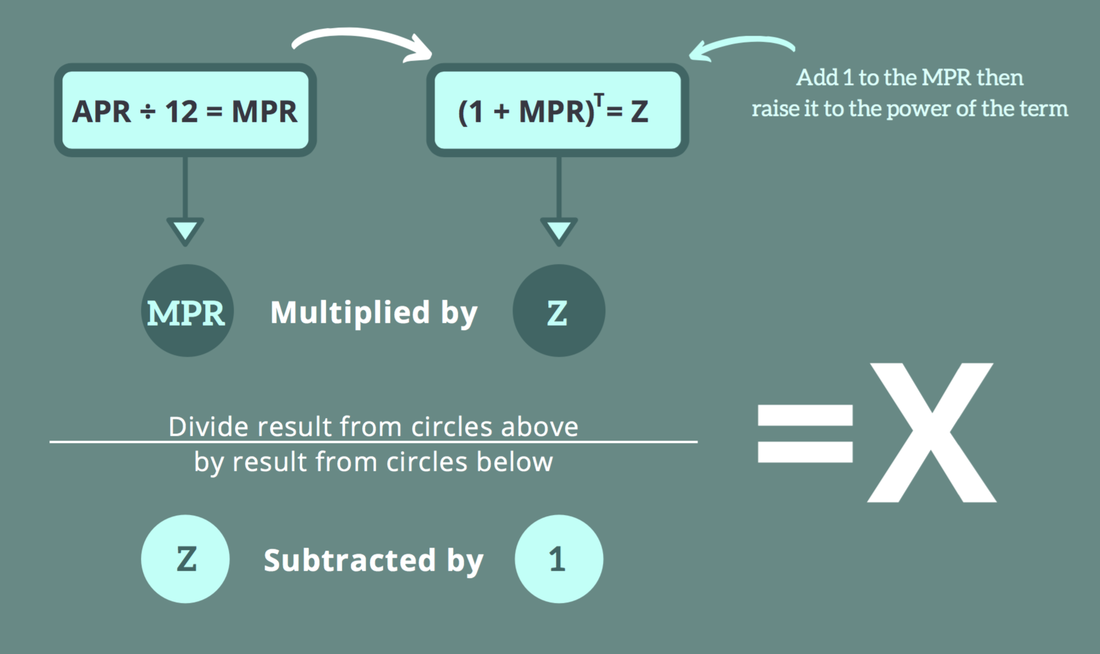
This comprehensive guide will demystify the APR on a car loan, offering insights into its components, the factors that dictate its value, and actionable strategies to ensure you secure the most favorable terms possible. By grasping these principles, you empower yourself to move beyond simple monthly payment figures and make choices that align with your broader financial well-being.
Understanding the Fundamentals: Decoding Your Car Loan APR
Before you can effectively “figure out” your car loan APR, you must first understand what it is and why it holds such significant weight in your borrowing journey.
What Exactly is APR? More Than Just the Interest Rate
At its core, APR represents the annual cost of a loan to a borrower. While interest is undoubtedly the largest component, APR goes further by integrating certain fees into its calculation. This distinction is crucial because two loans might advertise the same interest rate, but if one carries higher origination fees, closing costs, or other associated charges, its APR will be higher, indicating a greater overall cost to you. For car loans, these fees can include documentation fees, application fees, and even credit insurance premiums in some cases, though the latter is often optional. The federal Truth in Lending Act (TILA) mandates that lenders disclose the APR to consumers, providing a standardized measure for comparison.
The Components of APR: Unpacking the “True” Cost
To fully appreciate the APR, it’s helpful to break down its constituent parts. The primary component is the simple interest rate, which is the percentage charged by the lender on the principal loan amount. This is what you’re paying for the privilege of borrowing money. Beyond this, certain fees are added to the interest to arrive at the APR. These can vary by lender and state, but common examples include:
- Lender Fees: These might cover the administrative costs of processing your loan application.
- Documentation Fees: Charged for preparing the loan paperwork.
- Broker Fees: If you use a loan broker, their fees might be rolled into the APR.
It’s vital to read the fine print of any loan agreement, often presented in the loan disclosure statement, to understand which fees are included in the APR and which are separate, upfront costs. The higher the APR, the more expensive the loan will be over time, even if the monthly payment seems manageable.
Why APR is Crucial for Car Loans
For car loans, the APR is the ultimate yardstick for comparing different loan offers. Focusing solely on the monthly payment can be misleading. A lower monthly payment might be achieved through a longer loan term, which often means paying significantly more in total interest and fees over the life of the loan, despite a seemingly attractive installment. The APR, however, provides a clear, consistent measure of the loan’s true annual cost, allowing you to make an informed decision regardless of varying loan terms or fee structures. A lower APR translates directly into lower overall borrowing costs, freeing up more of your money for other financial goals.
Key Factors Influencing Your Car Loan APR
Your car loan APR is not a static number; it’s a dynamic figure influenced by a confluence of personal financial health indicators, market forces, and the specifics of the vehicle you intend to purchase. Understanding these determinants is the first step towards improving your loan prospects.
Your Credit Score: The Primary Driver
Without a doubt, your credit score is the most significant factor lenders consider when determining your APR. Lenders use your credit score as a quick assessment of your creditworthiness – your perceived ability and likelihood to repay borrowed money.
- Excellent Credit (780-850): Borrowers in this range typically qualify for the lowest APRs, often advertised as promotional rates.
- Good Credit (670-739): Still eligible for competitive rates, though they may be slightly higher than for those with excellent credit.
- Fair Credit (580-669): APRs start to climb significantly here, reflecting a higher perceived risk to the lender.
- Poor Credit (Below 580): Borrowers may face very high APRs or struggle to obtain approval without a co-signer or a substantial down payment.
Lenders see a high credit score as an indicator of responsible financial behavior, which translates into lower risk for them and, consequently, lower borrowing costs for you. Before even applying for a car loan, it’s prudent to check your credit score and report for any inaccuracies.
Loan Term and Down Payment: Striking the Right Balance
The length of your loan (the “loan term”) and the amount of money you pay upfront (the “down payment”) also play critical roles in shaping your APR.
- Loan Term: Shorter loan terms (e.g., 36 or 48 months) generally come with lower APRs because the lender’s money is at risk for a shorter period. While monthly payments will be higher, the total interest paid will be substantially less. Conversely, longer terms (e.g., 60, 72, or even 84 months) often have higher APRs, not only because the risk increases but also because the vehicle depreciates, potentially putting the loan underwater (you owe more than the car is worth).
- Down Payment: A larger down payment reduces the amount you need to borrow, thereby lowering the lender’s risk. This can often result in a more favorable APR. Lenders appreciate borrowers who have equity in their vehicle from day one.
Market Conditions and Lender Specifics
Broader economic factors, such as the Federal Reserve’s interest rate policies, significantly influence the lending environment. When overall interest rates are low, car loan APRs tend to follow suit. Conversely, in periods of rising rates, car loan APRs will generally increase.
Furthermore, individual lenders have different risk appetites, overheads, and target profit margins. A credit union, for example, might offer lower APRs than a traditional bank or a dealership’s captive finance company because of its not-for-profit structure or specific membership requirements. It pays to shop around among various types of lenders.
New vs. Used Cars: Different Risk Profiles
The type of vehicle you purchase also impacts the APR. New cars typically command lower APRs than used cars. This is because new cars hold their value better initially, are less prone to mechanical issues (reducing the risk of default due to unexpected repair costs), and are often eligible for manufacturer incentives and special financing rates. Used cars, being older and having more mileage, represent a higher risk for lenders, which is reflected in higher APRs.
Practical Steps to Identify and Compare Car Loan APRs
Finding the best car loan APR requires proactive effort and a systematic approach. Don’s just accept the first offer; instead, arm yourself with knowledge and a comparison strategy.

Pre-Approval: Knowing Your Numbers Before You Shop
One of the most powerful tools in your arsenal is loan pre-approval. Before you even set foot in a dealership, apply for a car loan with several lenders (banks, credit unions, online lenders). Pre-approval gives you a clear understanding of the maximum loan amount you qualify for and, critically, the APR you’re likely to receive based on your credit profile. This separates the financing negotiation from the car price negotiation, giving you a strong bargaining chip. When a dealer knows you have financing secured elsewhere, they are often more motivated to beat that rate to earn your business.
Scrutinizing the Loan Disclosure: Where to Find the APR
Once you receive a loan offer, whether from a pre-approval or a dealership, carefully review the loan disclosure statement. This document is mandated by TILA and explicitly states the APR, total interest charges, total amount financed, and the total payments over the life of the loan. Do not sign anything until you fully understand all these figures. The APR should be prominently displayed. If it’s not immediately obvious, ask the lender to point it out.
Comparing Apples to Apples: Beyond the Monthly Payment
Resist the temptation to compare loan offers based solely on the monthly payment. As discussed, a lower monthly payment can disguise a higher APR and a significantly greater total cost over the loan term. Instead, compare offers side-by-side using the APR and the total cost of the loan (principal + total interest + fees). If one lender offers a 60-month loan at 4.5% APR and another offers a 72-month loan at 4.2% APR, a quick glance might favor the 4.2%, but the longer term could result in more total interest paid. Use the APR as your primary metric, then consider how the loan term impacts affordability.
The Role of Online Calculators and Financial Tools
Numerous online car loan calculators can help you estimate monthly payments and total costs based on different APRs, loan terms, and down payment amounts. These tools are invaluable for running “what-if” scenarios and understanding the impact of various loan parameters. While they won’t give you your exact pre-qualified APR, they can help you understand the financial implications of different rates and terms, preparing you for negotiations. Many financial websites and lender platforms offer these free resources.
Strategies for Securing a More Favorable Car Loan APR
Even if your credit isn’t perfect, or if you’ve already received some offers, there are proactive steps you can take to improve your chances of landing a lower APR.
Improving Your Credit Profile: A Long-Term Investment
The best long-term strategy for securing lower APRs on all types of loans is to maintain a strong credit profile. This involves:
- Paying bills on time, every time: Payment history is the biggest factor in your credit score.
- Reducing credit utilization: Keep your credit card balances low relative to your credit limits.
- Avoiding new credit inquiries unnecessarily: Too many hard inquiries in a short period can temporarily lower your score.
- Checking your credit report regularly: Dispute any errors that could be negatively impacting your score.
Even a modest improvement in your credit score can unlock significantly better APRs.
Negotiating with Lenders: Don’t Settle for the First Offer
Armed with pre-approval offers, you are in a strong position to negotiate. Present your best pre-approval rate to the dealership’s finance department and ask if they can beat it. Dealerships often work with multiple lenders and may be able to find you an even better rate, sometimes even through manufacturer-backed special financing. Be prepared to walk away if you don’t get a competitive offer – there are always other options. Remember, every percentage point matters.
Considering Shorter Loan Terms and Larger Down Payments
As discussed, shorter loan terms generally come with lower APRs. If your budget allows for higher monthly payments, opting for a 48- or 60-month loan instead of a 72-month loan can significantly reduce your total interest paid and potentially lower your APR. Similarly, increasing your down payment reduces the amount you need to borrow, lowering the lender’s risk and making you a more attractive borrower for lower rates. Aim for at least 10-20% of the car’s value as a down payment if possible.
Refinancing Options: A Second Chance for a Better Rate
If you’ve already financed a car but your credit has improved, or if market rates have dropped since you took out your original loan, refinancing could be a smart move. Refinancing involves taking out a new loan to pay off your existing car loan, ideally at a lower APR. This can reduce your monthly payments, decrease the total interest paid, or shorten your loan term. It’s always worth exploring refinancing options if your financial circumstances or market conditions have changed favorably.
The Long-Term Financial Impact of Your Car Loan APR
Understanding and optimizing your car loan APR extends far beyond the immediate purchase. It has profound implications for your overall financial health and future budgeting.
Total Cost of Ownership: A Holistic View
While the purchase price is significant, the total cost of ownership for a vehicle includes fuel, insurance, maintenance, and, crucially, the cost of financing. A high APR can dramatically inflate the total amount you pay for the car over its lifetime. For instance, a $30,000 loan at 7% APR over 60 months costs significantly more in total than the same loan at 4% APR. Focusing on a low APR minimizes the financing portion of your total cost of ownership, leaving more money in your pocket for other essential expenses or investments.
Budgeting and Affordability: Planning for Future Financial Health
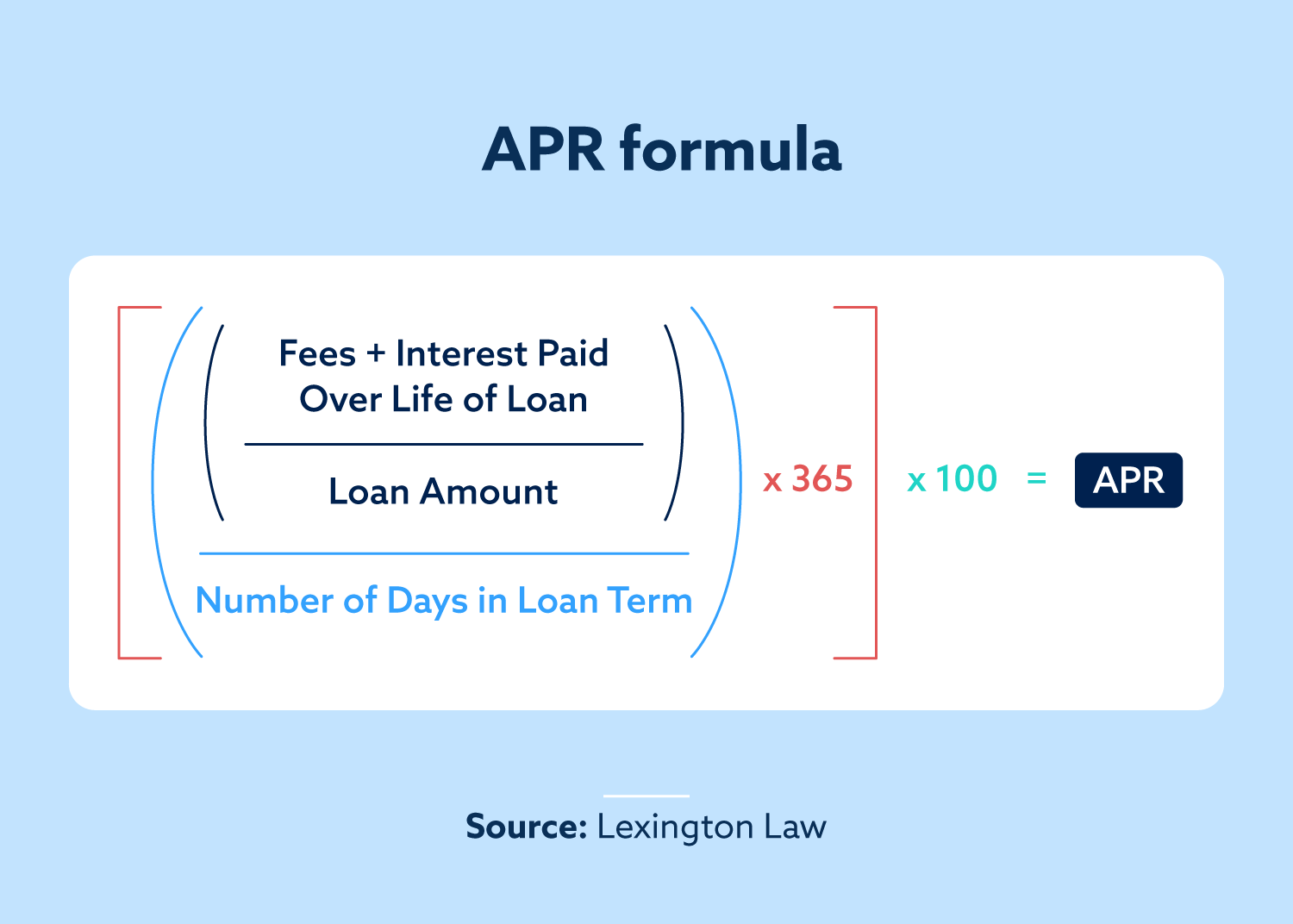
A favorable APR not only saves you money but also makes your monthly car payments more manageable. This predictability and lower cost allow for more flexibility in your monthly budget, freeing up funds that can be directed towards savings, investments, debt reduction, or other financial goals. Conversely, a high APR can strain your budget, making it harder to save or cope with unexpected expenses. Intelligent budgeting starts with understanding and optimizing your fixed costs, and your car loan APR is a major component.
Building Credit Responsibly: Leveraging Your Car Loan
Successfully managing a car loan with a reasonable APR can also serve as an excellent tool for building or strengthening your credit history. Consistent, on-time payments demonstrate financial responsibility to credit bureaus, which can positively impact your credit score. This, in turn, can lead to lower APRs on future loans, whether for another car, a home, or other significant purchases. Viewing your car loan not just as a means to acquire a vehicle but as a component of your broader financial strategy is key to long-term financial success.
In conclusion, figuring out the APR on a car loan is an essential skill for any financially savvy consumer. It involves understanding what APR represents, recognizing the factors that influence it, diligently comparing offers, and strategically working to secure the most advantageous terms. By prioritizing a low APR, you’re not just saving money on your car; you’re making a smart financial decision that supports your overall monetary health and stability for years to come.
aViewFromTheCave is a participant in the Amazon Services LLC Associates Program, an affiliate advertising program designed to provide a means for sites to earn advertising fees by advertising and linking to Amazon.com. Amazon, the Amazon logo, AmazonSupply, and the AmazonSupply logo are trademarks of Amazon.com, Inc. or its affiliates. As an Amazon Associate we earn affiliate commissions from qualifying purchases.