
Navigating the complexities of travel planning in an ever-changing world often means facing the unexpected. Whether due to unforeseen circumstances, a change of plans, or simply finding a better deal, cancelling a reservation is a common task for modern travelers. For those who frequently utilize digital travel platforms like Expedia, understanding the nuances of their cancellation process is paramount. This guide will delve into the technical and procedural aspects of cancelling an Expedia reservation, focusing on leveraging their digital platforms effectively to ensure a smooth, secure, and successful outcome. By strictly adhering to the “Tech” category, we will explore the online interface, app functionalities, digital policies, and troubleshooting strategies that empower users to manage their travel arrangements with confidence and precision.
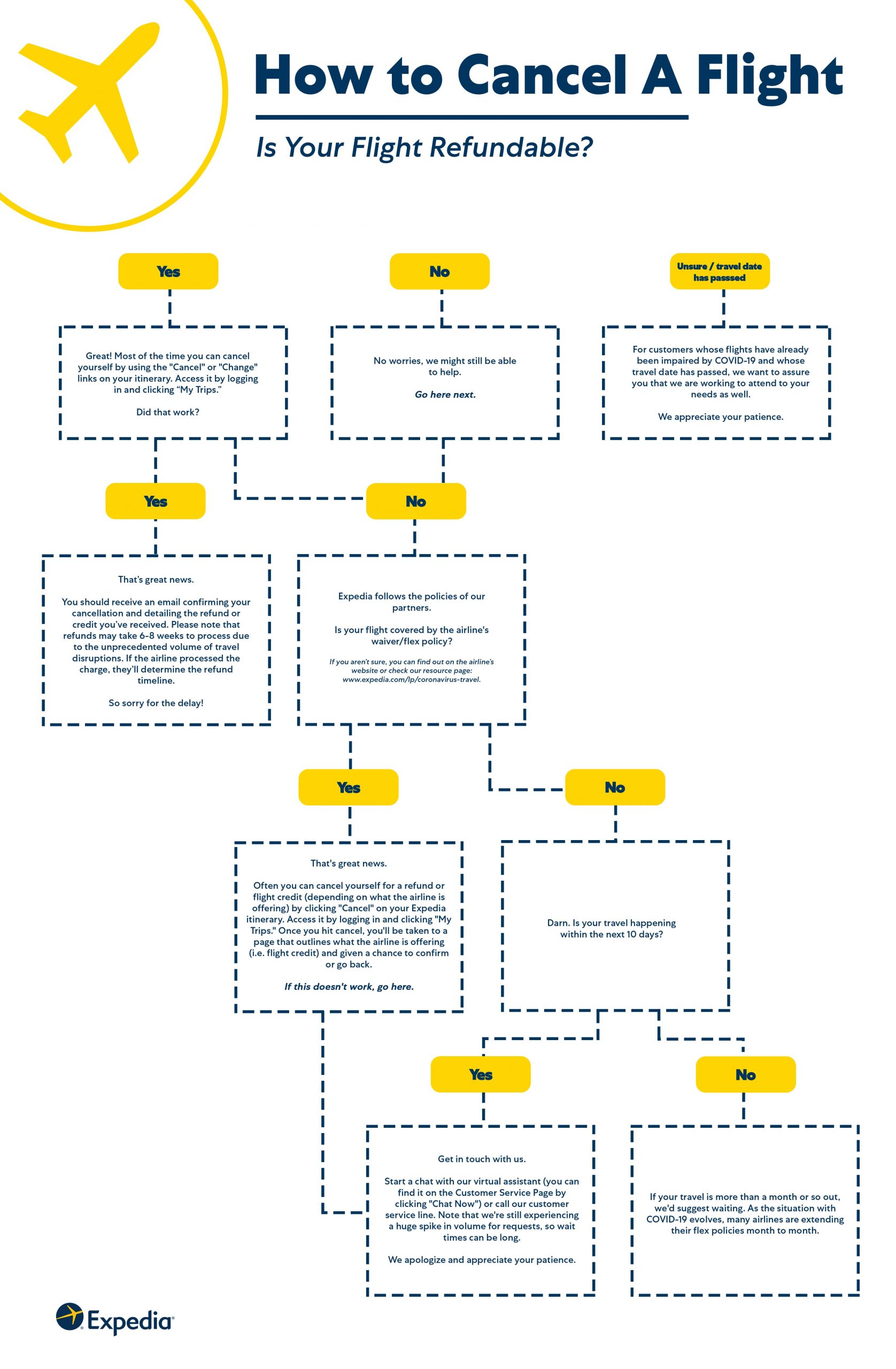
Understanding Expedia’s Digital Cancellation Policy and Platform Mechanics
Before initiating any cancellation, a thorough understanding of Expedia’s digital policies, as presented through their website and mobile applications, is crucial. These policies are not static; they are dynamically applied based on various factors, and their interpretation is often facilitated by the platform’s user interface.
Navigating the User Agreement and Digital Fine Print
Every reservation made on Expedia involves an implicit agreement to a set of terms and conditions, often referred to as the “fine print.” This digital document outlines critical aspects such as cancellation windows, potential fees, and refund eligibility. Accessing this information typically involves clicking on specific links or icons during the booking process or within your reservation details post-booking. From a technical standpoint, Expedia’s platform is designed to present these terms concisely, often through pop-up windows, expandable sections, or dedicated policy pages linked from your itinerary. It’s essential to actively seek out and read these digital disclosures, as they dictate the financial and logistical consequences of a cancellation. Ignoring them can lead to unexpected charges or forfeiture of funds. The platform’s UI plays a vital role in making this information accessible, and users should train themselves to look for “View Policy,” “Terms and Conditions,” or similar prompts.
Key Factors Influencing Digital Cancellation Outcomes
The outcome of an Expedia cancellation is heavily influenced by several digital data points associated with your booking. These include:
-
Fare Type/Booking Class: Different fare types (e.g., economy, flexible, non-refundable) are digitally encoded with distinct cancellation rules. A “flexible” fare, for instance, is programmed to allow cancellations without penalty up to a certain point, while a “non-refundable” fare typically means forfeiture of funds, often indicated clearly in the digital booking summary.
-
Provider-Specific Policies: While Expedia facilitates the booking, the underlying cancellation rules for flights, hotels, car rentals, or activities are ultimately set by the respective service providers (airlines, hotel chains, car rental companies). Expedia’s system integrates these disparate policies and presents them to the user. This means a hotel’s policy might allow cancellation up to 24 hours prior, whereas an airline ticket might be non-cancellable or incur a hefty fee. The platform’s algorithm dynamically applies these third-party rules to your specific itinerary.
-
Timing of Cancellation: The most critical factor is when you initiate the cancellation relative to the service date. Expedia’s digital system uses timestamps to determine eligibility for refunds or fee waivers. Cancelling within a certain window (e.g., 24 hours of booking, or X days before check-in/departure) can significantly alter the outcome. The platform’s backend processes this temporal data to apply the correct policy.
-
Travel Insurance: If you purchased travel insurance through Expedia’s platform or a third party, its digital policy documents will outline specific conditions under which cancellations are covered. This is a separate digital contract that may override or supplement Expedia’s standard cancellation rules.
The Role of the Expedia App and Website as Digital Gateways
Expedia’s primary interfaces for managing reservations are its website (Expedia.com) and its dedicated mobile application. Both serve as robust digital gateways, designed to provide users with self-service options. The website, accessible via any web browser, offers a comprehensive view of account information, detailed itineraries, and a structured pathway for modifications and cancellations. The mobile app, available on iOS and Android, provides a streamlined, touch-optimized experience, often with push notifications and quick access features. Both platforms typically synchronize data in real-time, meaning actions taken on one should be immediately reflected on the other. Understanding the layout and functionality of these digital tools is the first step towards an efficient cancellation process.
Step-by-Step Digital Cancellation Process on Expedia Platforms
Executing a cancellation on Expedia is typically a straightforward digital process, provided you know where to look and what to click. This section outlines the general steps involved, assuming access to your Expedia account.
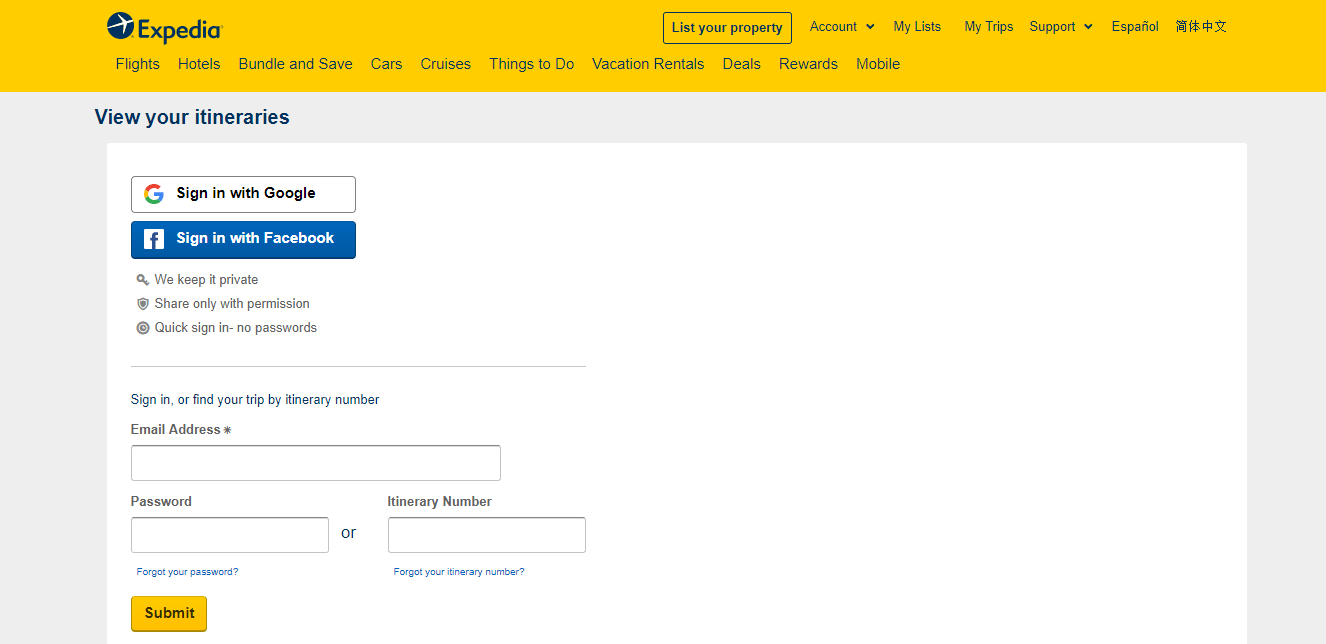
Logging into Your Expedia Account
The initial step is to securely log in to your Expedia account, either through the website or the mobile app. This requires your registered email address and password. If you booked as a guest, you might need to use the itinerary number and email address provided in your confirmation email to retrieve your booking.
-
Website: Navigate to Expedia.com, locate the “Sign in” or “My Account” link, and enter your credentials.
-
Mobile App: Open the Expedia app, tap the “Account” or “Profile” icon, and sign in.
Ensuring you are logged into the correct account associated with the reservation is critical, as the platform personalizes the user experience and reservation access based on your login.
Locating Your Reservation Digitally
Once logged in, you’ll need to find the specific reservation you wish to cancel.
-
Website: After logging in, look for a section titled “My Trips,” “Trips,” or “Itineraries.” This is usually accessible from the main navigation menu or your account dashboard. All upcoming and past reservations should be listed here.
-
Mobile App: The app typically has a prominent “Trips” or “My Trips” tab at the bottom or top navigation bar. Tapping this will display your upcoming bookings.
Scroll through your listed trips to find the correct reservation. Each reservation entry usually displays key details like destination, dates, and the type of booking (flight, hotel, package). Click or tap on the relevant reservation to access its detailed itinerary page.
Initiating the Cancellation Request
On the detailed itinerary page for your booking, Expedia’s digital interface will typically present options for managing your trip.
-
Identifying the “Cancel” Option: Look for a “Cancel Trip,” “Cancel Reservation,” or “Change/Cancel” button or link. The precise wording and location can vary slightly depending on the type of booking (e.g., flight, hotel, package) and the specific design iteration of the platform. For hotels, it’s often clearly visible. For flights, it might be nested under “Manage Booking” or “Change Flight.”
-
Reviewing Cancellation Terms: Before proceeding, the system will often display a summary of the cancellation policy specific to your booking. This digital overlay or section will reiterate any applicable fees, the refundable amount (if any), and the deadline for free cancellation. This is a crucial step for verifying the financial implications.
-
Confirming the Cancellation: If you agree with the terms, you will be prompted to confirm your decision, usually with a final “Confirm Cancellation” button. The system might ask for a reason for cancellation (often from a dropdown menu), which is optional but can help Expedia analyze user behavior.
Confirmation and Digital Next Steps
Upon successful cancellation, Expedia’s platform will provide immediate digital confirmation.
-
On-Screen Confirmation: You should see a confirmation message directly on the website or app screen, indicating that your reservation has been cancelled. This message often includes a cancellation reference number.
-
Email Confirmation: Simultaneously, Expedia will send an official cancellation confirmation email to the address associated with your account. This email is your primary digital record of the cancellation and should be saved. It will reiterate the cancellation details, any refund amount, and the estimated timeline for refund processing.
-
Monitoring Your Account: Your “My Trips” section should update to reflect the cancellation, and the reservation should either disappear or be marked as “Cancelled.”
Troubleshooting Common Digital Cancellation Hurdles
While Expedia’s digital tools are designed for user-friendliness, technical issues or specific booking types can sometimes complicate the cancellation process.
When Online Cancellation Isn’t Readily Available
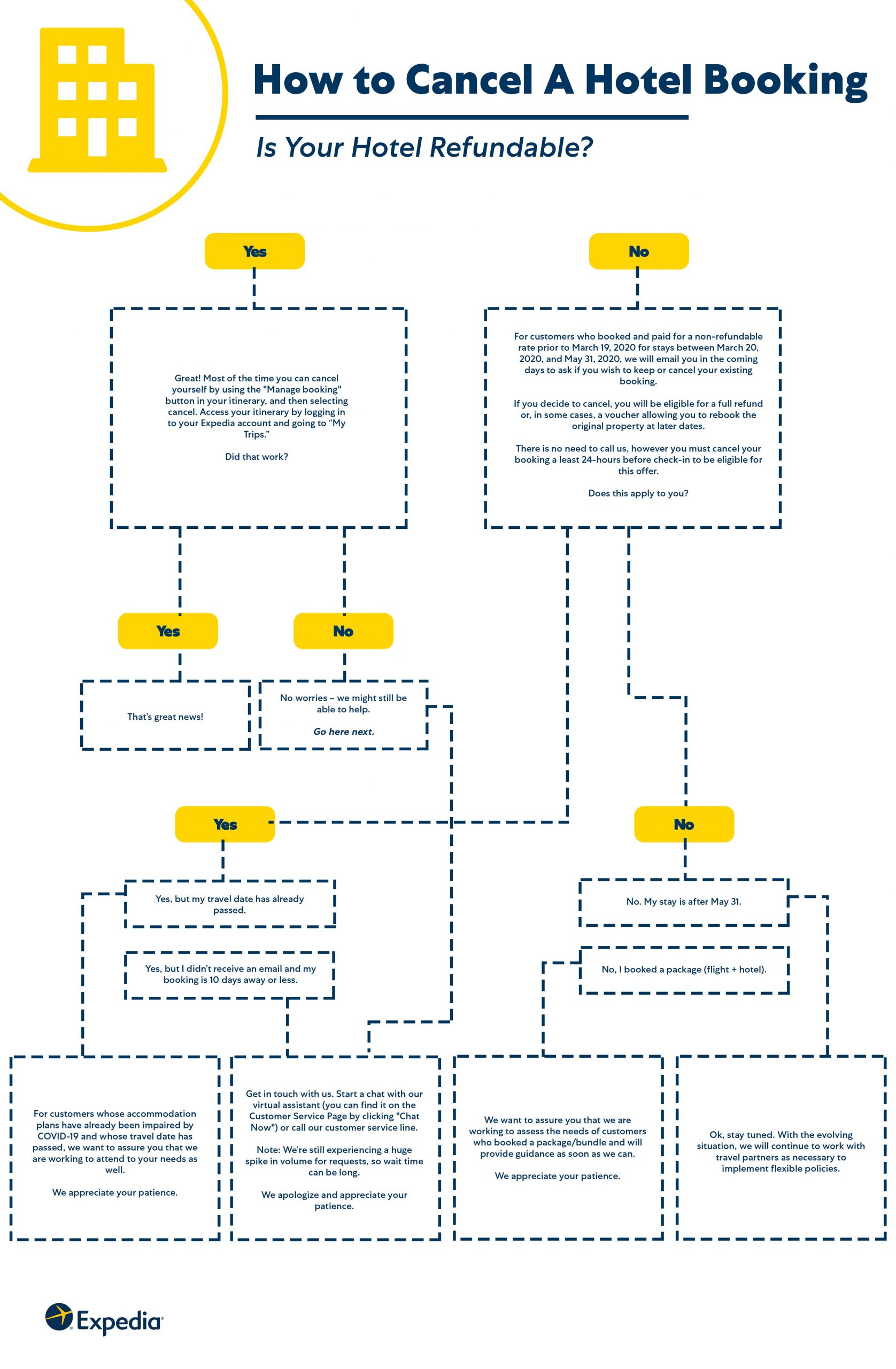
There are instances where the “Cancel” option may not be visible or functional on the Expedia website or app. This typically happens for specific types of bookings or due to technical limitations.
-
Complex Itineraries: Multi-leg flights, cruises, or highly customized packages sometimes require agent intervention for changes or cancellations due to the intricate interdependencies of different service components.
-
Within Cancellation Deadlines: If you are past the free cancellation window, the system might restrict self-service cancellation, making direct contact with customer support necessary to assess options, especially if you believe there’s an exceptional circumstance.
-
Third-Party Bookings: While booked through Expedia, some components, particularly certain flights, might be managed directly by the airline. In such cases, the Expedia interface might direct you to contact the airline directly or indicate that changes/cancellations must be done via phone.
Dealing with Third-Party Bookings and Digital Hand-offs
Expedia often acts as an aggregator. For flights, for example, once a ticket is issued, the booking technically resides within the airline’s reservation system.
-
Airline Direct Management: If Expedia’s platform indicates that a flight cancellation must be handled by the airline, you’ll need to visit the airline’s website, locate your reservation using the airline’s confirmation code (which should be in your Expedia itinerary), and attempt cancellation there. The airline’s digital platform will then apply its own policies.
-
Expedia as Intermediary: For other bookings, Expedia remains the primary point of contact. If self-service fails, you’ll need to leverage Expedia’s digital customer support channels.
Technical Glitches and Browser/App Issues
Like any software, Expedia’s platforms can occasionally experience technical hiccups.
-
Browser Compatibility: Ensure you are using a modern, updated web browser (Chrome, Firefox, Edge, Safari). Outdated browsers or specific browser extensions (ad blockers, script blockers) can interfere with the website’s functionality. Trying a different browser or using incognito/private mode can often resolve these issues.
-
Cached Data/Cookies: Accumulated browser cache and cookies can sometimes corrupt session data, leading to display errors or functional issues. Clearing your browser’s cache and cookies or restarting the app can often fix these problems.
-
App Updates: Ensure your Expedia mobile app is updated to the latest version. Developers frequently release updates that fix bugs and improve stability. An outdated app might not display options correctly or interact properly with the backend servers.
-
Internet Connectivity: A stable internet connection is vital for successfully processing digital transactions. Intermittent Wi-Fi or cellular data can cause submission failures.
Post-Cancellation Digital Management and Follow-Up
Cancelling a reservation is only half the battle; managing the aftermath, particularly concerning refunds, requires diligent digital follow-up.
Understanding Refund Timelines and Digital Statements
Refunds are not always instantaneous. Expedia’s system, after processing your cancellation, must communicate with the service provider (airline, hotel, etc.), which then processes the refund back to Expedia, and finally, Expedia processes it back to your original payment method.
-
Expedia’s Stated Timeline: Expedia typically provides an estimated refund timeline (e.g., “5-7 business days,” “up to 30 days”) in the cancellation confirmation email and on their website. This timeline accounts for the various digital hand-offs between systems.
-
Monitoring Your Bank/Credit Card Statements: The most reliable way to track your refund is by regularly checking your bank or credit card statements online or via your banking app. Look for a credit from “Expedia” or the original service provider.
Monitoring Your Account for Refund Processing
Beyond your bank statement, your Expedia account can also serve as a digital tracker.
-
Transaction History: Some Expedia accounts provide a transaction history or wallet section where you can see the status of refunds. While not always real-time, it can confirm that the refund process has been initiated by Expedia.
-
Digital Notifications: Ensure your email and app notification settings allow Expedia to send you updates regarding your refund status.
Utilizing Digital Customer Support Channels
If you encounter delays or issues with your refund, Expedia offers several digital avenues for support.
-
Virtual Agent/Chatbot: Many issues can be resolved using Expedia’s virtual agent or chatbot, often found on their “Help” or “Contact Us” pages. These AI-powered tools are designed to answer common questions and guide you through basic troubleshooting.
-
Live Chat Support: For more complex issues, Expedia usually offers live chat with a human agent. This is an efficient digital method for getting personalized assistance without waiting on hold. Ensure you have your itinerary number and cancellation confirmation handy.
-
Email Support: While generally slower, email support is available for non-urgent inquiries and provides a written record of your communication.
-
Social Media: Sometimes, reaching out via Expedia’s official social media channels can yield a quicker response, especially for public-facing issues.
Conclusion
Mastering the art of cancelling an Expedia reservation is largely about understanding and effectively utilizing the digital tools at your disposal. From meticulously reviewing the digital fine print and navigating the user-friendly interface of the website or mobile app, to understanding the nuances of different booking types and troubleshooting common technical glitches, the entire process is fundamentally a digital one. By approaching cancellations with a methodical, tech-savvy mindset, travelers can ensure that unexpected changes to their plans are managed with minimal stress and maximum efficiency. Always remember to prioritize digital confirmation records, diligently track refund processes, and leverage Expedia’s extensive suite of online support channels when needed. With these insights, you are well-equipped to manage your travel bookings with confidence in the digital age.
aViewFromTheCave is a participant in the Amazon Services LLC Associates Program, an affiliate advertising program designed to provide a means for sites to earn advertising fees by advertising and linking to Amazon.com. Amazon, the Amazon logo, AmazonSupply, and the AmazonSupply logo are trademarks of Amazon.com, Inc. or its affiliates. As an Amazon Associate we earn affiliate commissions from qualifying purchases.