
Navigating the landscape of personal finance often requires making strategic decisions about the tools at your disposal, and your credit cards are no exception. For many, the choice to close a Capital One credit card account can be a deliberate step towards simplifying finances, managing debt, or optimizing their credit portfolio. However, cancelling a credit card is a financial action with nuances that extend beyond simply cutting up the plastic. Understanding the full scope of implications, from potential credit score adjustments to available alternatives, is crucial for making an informed decision that aligns with your long-term financial health.
Understanding the Financial Implications of Account Closure
Before initiating the cancellation process for your Capital One card, it’s essential to grasp the potential financial impacts, particularly on your credit score and overall financial standing. A well-considered approach can prevent unforeseen setbacks and ensure your financial well-being remains intact.
Impact on Credit Score: Credit History and Utilization
Two primary factors influencing your credit score are directly affected by credit card cancellation: the length of your credit history and your credit utilization ratio. Closing an older account can shorten the average age of all your credit accounts, which might slightly lower your score over time, especially if it’s one of your oldest lines of credit. Credit scoring models favor longer credit histories as they indicate a proven track record of responsible borrowing.
More immediately, closing a card reduces your total available credit. This can significantly impact your credit utilization ratio – the percentage of your total available credit that you are currently using. A higher utilization ratio (typically anything above 30%) is generally viewed negatively by credit bureaus and can lead to a drop in your score. For instance, if you have a $5,000 balance spread across two cards with a combined $15,000 limit, your utilization is approximately 33%. If you close one card, reducing your total limit to $10,000, your utilization jumps to 50%, potentially hurting your score. Maintaining low utilization across all active accounts is a cornerstone of strong credit management.
Annual Fees and Unused Accounts
One of the most straightforward financial reasons to cancel a Capital One card is to eliminate an annual fee that no longer provides commensurate value. If the benefits, rewards, or perks of a card no longer outweigh its yearly cost, cancelling it can be a financially prudent move. Similarly, holding multiple unused or rarely used credit cards, especially those with fees, can feel like unnecessary financial clutter. While having a diverse credit mix can be beneficial, maintaining too many dormant accounts can increase the risk of identity theft or simply complicate your financial overview.
Debt Management and Simplification
For individuals actively pursuing debt reduction, cancelling a credit card can be a psychological and practical step towards clearer financial boundaries. It removes the temptation to incur more debt on that specific card. However, it’s vital to ensure that closing an account doesn’t inadvertently lead to higher utilization on your remaining cards, which could undermine your debt management efforts. Strategic cancellation, integrated with a robust debt repayment plan, can contribute to a more controlled and simplified financial environment. The goal is to reduce overall debt, not just shift it or temporarily remove access.
The Step-by-Step Process for Cancelling Your Capital One Card
Once you’ve carefully weighed the financial implications and decided that closing your Capital One credit card is the right path for your personal finance strategy, following a structured process is paramount. This ensures a smooth closure, prevents financial headaches, and protects your credit standing.
Essential Pre-Cancellation Checklist
Before contacting Capital One, several critical preparatory steps must be completed to ensure a seamless account closure:
-
Pay Off Your Entire Balance: This is non-negotiable. Capital One will not close an account with an outstanding balance. Ensure all charges are paid in full, including any pending transactions or accrued interest. Allow a few business days for the payment to clear and reflect on your account before calling. Even a small residual balance can delay or prevent closure.
-
Redeem All Rewards: If your Capital One card accrues rewards points, miles, or cash back, redeem them before closing the account. Once an account is closed, any unredeemed rewards are typically forfeited and lost. Check your rewards balance and available redemption options through your online account or by contacting Capital One’s rewards department.
-
Update Auto-Payments: If your Capital One card is linked to any recurring payments – such as streaming services, utility bills, gym memberships, or subscription boxes – update these with a different payment method. Failing to do so can result in missed payments, service interruptions, and potential late fees from the service provider.
-
Download Statements for Records: For your personal financial records, it’s a good practice to download your recent statements, particularly the last 12-24 months. These can be useful for budgeting, tax purposes, or future financial reviews.
Initiating Contact with Capital One
Capital One typically requires account closures to be initiated via phone. While many account management tasks can be performed online, cancellation requires a direct conversation with a representative to verify your identity and ensure you understand the full implications.
-
The Contact Number: Locate the customer service number on the back of your credit card, on your monthly statement, or on the official Capital One website. For U.S. customers, a common number is 1-800-CAPITAL (1-800-227-4825).
-
Optimal Call Times: To minimize wait times, consider calling during off-peak hours, such as early mornings, late afternoons, or mid-week.
-
Information to Have Ready: Prepare your credit card number, your Social Security Number, and possibly your date of birth or other identifying information for the representative to verify your identity.
What to Expect During the Cancellation Call
When you connect with a Capital One representative, clearly state your intention to close your credit card account. Be prepared for a conversation that will likely include:
-
Identity Verification: The representative will verify your identity using the information you provide.
-
Retention Offers: Capital One, like most financial institutions, may try to retain you as a customer. The representative might inquire about your reasons for cancellation and offer incentives to keep your account open. These could include a waiver of an annual fee, a lower interest rate, a balance transfer offer, or an upgrade to a different card with more appealing rewards. Carefully evaluate these offers against your initial reasons for wanting to cancel. If an offer aligns with your financial goals, it might be worth considering.
-
Balance Confirmation: The representative will confirm that your balance is zero. If there’s a small lingering balance (e.g., pending interest that hasn’t posted), they will inform you and guide you on how to pay it before the account can be fully closed.
-
Final Confirmation: Once all conditions are met and you’ve declined any retention offers, the representative will process the closure request. Ask for explicit confirmation that the account is being closed immediately and that you will receive a confirmation letter or email for your records.
Post-Cancellation Follow-Up
After the call, it’s important to take a few final steps to ensure the cancellation was processed correctly and to protect your financial profile:
-
Obtain Written Confirmation: Request a written confirmation (via email or postal mail) that the account has been closed. This official documentation is crucial for your records.
-
Monitor Your Credit Report: Approximately 30-60 days after cancellation, check your credit report from all three major credit bureaus (Equifax, Experian, TransUnion) via AnnualCreditReport.com. Verify that the Capital One account is reported as “closed by cardholder” or similar, with a zero balance. This confirms accurate reporting and helps ensure no unintended negative impacts on your credit.
-
Shred the Card: Once you have confirmation and have verified your credit report, physically destroy the credit card by shredding it to prevent any fraudulent use.
Mitigating Financial Repercussions and Exploring Alternatives
While cancelling a Capital One credit card can be a necessary step, understanding and managing the potential financial repercussions is key. Furthermore, sometimes alternatives exist that can achieve your financial goals without resorting to full account closure.
Managing Your Credit Utilization Ratio Post-Cancellation
The most significant factor to proactively manage after cancellation is your credit utilization. To counteract the impact of reduced available credit, aim to keep your utilization on your remaining credit cards as low as possible – ideally below 30%, and even better, below 10%. Strategies include:
-
Accelerate Debt Repayment: Prioritize paying down balances on your remaining cards to quickly reduce the amount of credit you’re currently using.
-
Request Credit Limit Increases: If you have other long-standing, healthy accounts, you might consider requesting credit limit increases on those cards. This would increase your overall available credit without opening new accounts, thereby lowering your utilization ratio. Exercise caution to avoid increasing your spending in response.
-
Strategic Balance Distribution: If you carry balances, try to distribute them across cards to keep individual utilization percentages low, though ultimately, paying them off is always the superior strategy.
Preserving Your Credit History and Future Credit Needs
While a closed account remains on your credit report for several years (up to 10 years if in good standing), contributing to your credit history, it no longer actively ages once closed. To maintain a robust credit history, focus on keeping your oldest active accounts open and in good standing. If the Capital One card you’re cancelling is one of your newer accounts, the impact on your average age of accounts will be minimal. If it’s one of your oldest, consider the long-term impact more carefully.
If you anticipate applying for a mortgage, car loan, or other significant credit in the near future, it might be prudent to delay cancelling a credit card. Lenders often look for stability and a strong credit profile. A recent account closure, especially if it significantly impacts your utilization, could temporarily make your profile less attractive. Planning your cancellations around major financial milestones can save you potential complications.

Financial Alternatives to Complete Cancellation
Sometimes, the initial motivation to cancel a credit card stems from a specific financial issue that can be addressed without permanently closing the account. Before severing ties, consider these alternatives:
-
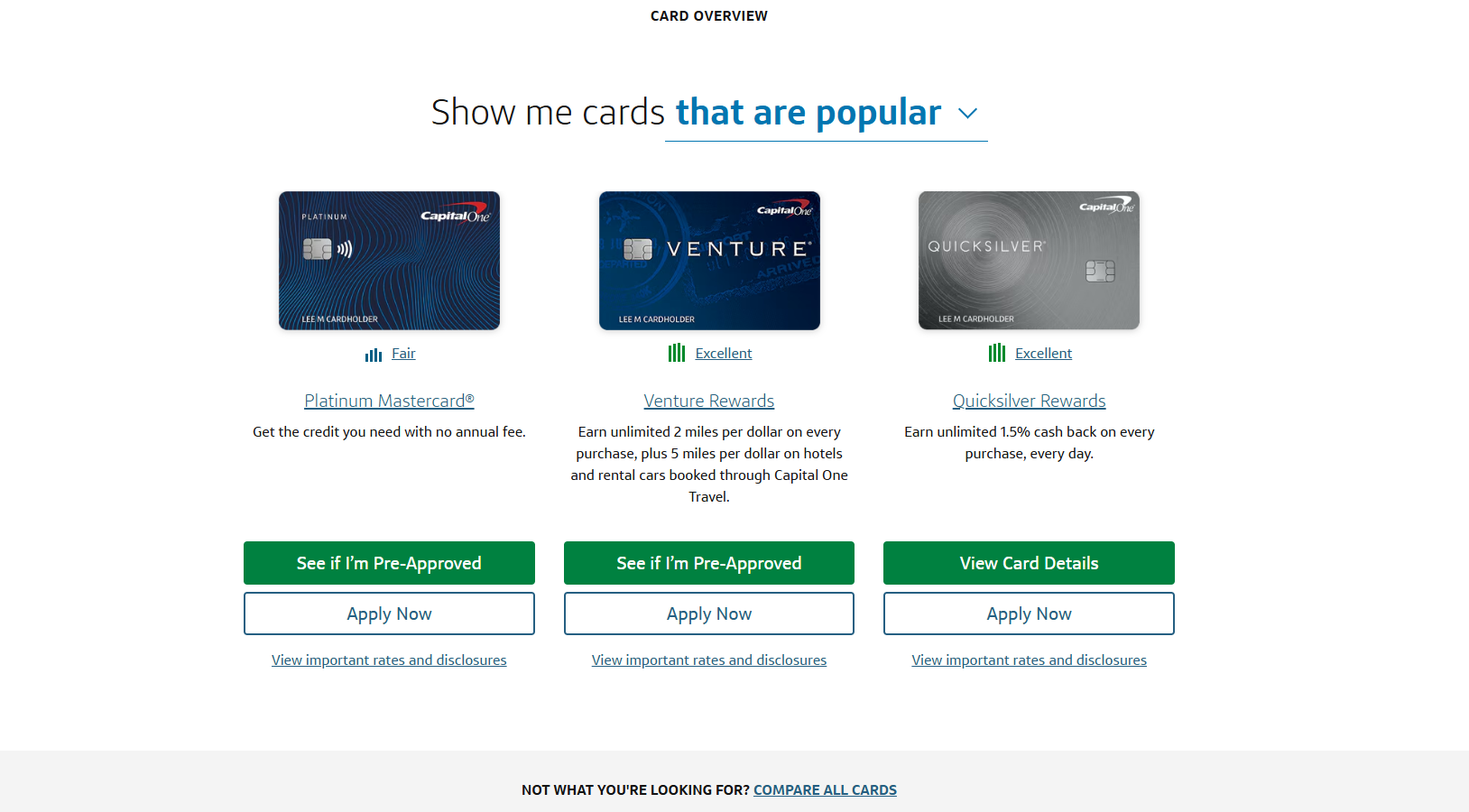
Product Change (Card Downgrade or Upgrade): If the primary reason for cancellation is an annual fee or a rewards program that no longer suits your spending, a product change might be ideal. Capital One often allows cardholders to convert their existing card to a different product within their portfolio. Downgrading to a no-annual-fee card, for example, allows you to retain your credit history with Capital One, keep the account open, and avoid the fee, all while potentially maintaining the same account number.
-
Reducing Your Credit Limit: If your concern is overspending or having too much available credit tempting you, but you wish to preserve the age of the account, you can request Capital One to reduce your credit limit. This provides a psychological safeguard without closing the account. Be aware that reducing your limit will increase your credit utilization if you carry a balance.
-
Freezing Your Card: For those who want to prevent unauthorized use or simply remove the temptation to spend without fully closing the account, Capital One offers the ability to “freeze” your card, often through their mobile app or online banking. When frozen, new purchases are typically blocked, while recurring payments may continue. This temporary measure allows you to unfreeze the card when needed, offering control without finality.
-
The “Sock Drawer Method”: If the card has no annual fee and you’re reluctant to lose a long-standing credit history, consider keeping it open and using it minimally. Make a small, recurring purchase (like a streaming service) that you pay off in full each month to keep the account active. This maintains your credit history and available credit without impacting your budget significantly.
Ultimately, the decision to cancel a Capital One credit card should be a strategic financial move, not a hasty one. By understanding the process, anticipating the financial repercussions, and exploring all available alternatives, you can ensure your choice aligns perfectly with your broader personal finance objectives, safeguarding your credit and enhancing your financial well-being.
aViewFromTheCave is a participant in the Amazon Services LLC Associates Program, an affiliate advertising program designed to provide a means for sites to earn advertising fees by advertising and linking to Amazon.com. Amazon, the Amazon logo, AmazonSupply, and the AmazonSupply logo are trademarks of Amazon.com, Inc. or its affiliates. As an Amazon Associate we earn affiliate commissions from qualifying purchases.