
Understanding how your pay is calculated is a fundamental aspect of personal finance, crucial for effective budgeting, financial planning, and ensuring you receive the correct compensation for your work. For many, the journey from gross earnings to the final net pay deposited into their bank account can seem like a labyrinth of deductions and figures. This article aims to demystify that process, providing a comprehensive guide to calculating your pay, understanding your pay stub, and taking control of your financial clarity.
The Foundation: Gross Pay vs. Net Pay
At the heart of pay calculation lies the distinction between gross pay and net pay. These two figures represent the bookends of your earnings, and understanding what each entails is the first step toward financial literacy regarding your income.

What Constitutes Gross Pay?
Gross pay is the total amount of money you earn before any deductions are taken out. It’s your raw earnings, reflecting the agreed-upon compensation for your labor. The components of your gross pay can vary significantly based on your employment type and compensation structure:
- Hourly Wages: If you’re paid hourly, your gross pay is calculated by multiplying your hourly rate by the total number of hours worked during a pay period. This often includes regular hours and any overtime hours, which are typically paid at a higher rate (e.g., time and a half).
- Salary: For salaried employees, gross pay is a fixed amount for a specific pay period (e.g., weekly, bi-weekly, semi-monthly, or monthly), regardless of the exact hours worked, as long as the duties are performed.
- Commissions: Sales professionals often earn a percentage of the sales they make. These commissions contribute directly to their gross pay.
- Bonuses: Discretionary payments made by employers, often based on individual or company performance, are added to your gross earnings.
- Tips: For those in service industries, tips received directly from customers, whether cash or reported electronic payments, are considered part of your gross income.
- Other Compensation: This can include reimbursements (though often non-taxable, they contribute to the overall compensation picture), non-cash benefits that are taxable (like certain fringe benefits), or allowances.
Calculating your gross pay is usually straightforward, as it’s the figure agreed upon in your employment contract or through your timesheets. It represents the value of your work before Uncle Sam and other benefit providers take their share.
Unpacking Net Pay: What You Actually Receive
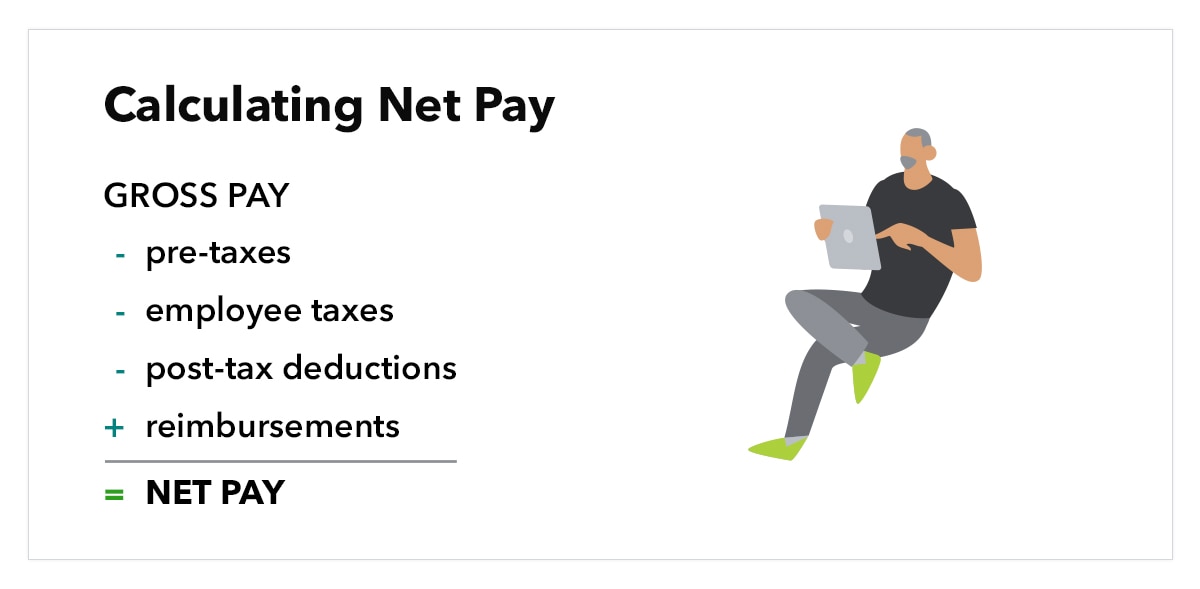
Net pay, often referred to as “take-home pay,” is the amount of money you actually receive after all mandatory and voluntary deductions have been subtracted from your gross pay. This is the figure that lands in your bank account or is printed on your physical check. While gross pay tells you how much you earned, net pay tells you how much you have available to spend or save.
The difference between gross and net pay can be substantial, and it’s this difference that often causes confusion. Understanding the various deductions that bridge this gap is critical for managing your personal finances effectively. Without knowing what impacts your net pay, it’s challenging to create an accurate budget or plan for future expenses.
Decoding Deductions: Statutory and Voluntary
The journey from gross to net pay involves a series of deductions, some mandated by law and others chosen by you. These deductions serve various purposes, from funding government programs to securing your future and well-being.
Essential Statutory Deductions: Taxes and Social Security
Statutory deductions are non-negotiable and are mandated by federal, state, and sometimes local governments. Employers are legally obligated to withhold these amounts from your paycheck.
- Federal Income Tax: This is a progressive tax levied by the U.S. federal government based on your income level. The amount withheld depends on your total earnings, filing status, and the information provided on your W-4 form. The more allowances you claim on your W-4, the less federal income tax will be withheld from each paycheck, potentially leading to a larger tax bill or smaller refund at the end of the year if not adjusted correctly.
- State Income Tax: Most states also levy an income tax, though a few do not (e.g., Alaska, Florida, Nevada, South Dakota, Texas, Washington, Wyoming, Tennessee, New Hampshire). The rates and rules vary significantly by state.
- Local Income Tax: In some cities or localities, an additional income tax may be withheld.
- Social Security Tax (FICA – OASDI): This is part of the Federal Insurance Contributions Act (FICA) and funds retirement, disability, and survivor benefits. Employees generally pay 6.2% of their gross wages up to an annual maximum earnings cap (which changes year to year).
- Medicare Tax (FICA – HI): Also part of FICA, this tax funds health insurance for the elderly and disabled. Employees generally pay 1.45% of all their gross wages; there is no earnings cap for Medicare tax. An additional Medicare tax of 0.9% may apply to high-income earners above certain thresholds.
These statutory deductions are essential contributions to the social safety nets and public services provided by the government. They are a significant portion of the difference between your gross and net pay.
Understanding Voluntary Deductions: Benefits and Contributions
Beyond the mandated deductions, many employees opt for voluntary deductions, which are pre-authorized amounts taken from your paycheck to fund various benefits and savings plans. These can significantly impact your take-home pay but often provide substantial long-term value.
- Health Insurance Premiums: If your employer offers health, dental, or vision insurance, your share of the premium is typically deducted from your paycheck. These are often pre-tax deductions, meaning they reduce your taxable income.
- Retirement Plan Contributions (e.g., 401(k), 403(b)): Contributing to an employer-sponsored retirement plan is one of the most effective ways to save for retirement. These contributions are usually pre-tax, lowering your current taxable income, and grow tax-deferred until withdrawal.
- Flexible Spending Accounts (FSAs) and Health Savings Accounts (HSAs): These accounts allow you to set aside pre-tax money for eligible healthcare or dependent care expenses. FSAs typically have a “use it or lose it” rule, while HSAs are portable and roll over year to year.
- Life and Disability Insurance: Premiums for additional life insurance or short-term/long-term disability coverage offered through your employer.
- Loan Repayments: Some employers offer programs where repayments for company loans or even student loan deductions can be automatically taken from your pay.
- Union Dues: If you are part of a labor union, your membership dues are typically deducted.
- Charitable Contributions: Some employers facilitate payroll deductions for donations to specific charities.
- Commuter Benefits: Pre-tax deductions for public transit or parking expenses related to commuting.
Voluntary deductions, while reducing your immediate take-home pay, are often strategic financial decisions that provide significant benefits, tax advantages, and contribute to your long-term financial security.
Mastering Your Pay Stub: A Guide to Financial Clarity
Your pay stub (or payslip) is more than just a piece of paper; it’s a detailed financial statement of your earnings and deductions for a specific pay period. Learning to read and understand every line item on your pay stub is paramount for ensuring accuracy and maintaining financial control.
Key Elements of a Pay Stub
While formats vary, most pay stubs contain similar essential information:
- Employee Information: Your name, address, employee ID, and sometimes your Social Security Number (often truncated for security).
- Employer Information: Company name, address, and sometimes their Employer Identification Number (EIN).
- Pay Period Dates: The start and end dates of the period for which you are being paid.
- Pay Date: The date your payment was issued.
- Gross Pay: The total earnings before any deductions, broken down by type (regular, overtime, bonus, commission).
- Hours Worked: For hourly employees, the total number of regular and overtime hours.
- Deductions: A detailed list of all statutory and voluntary deductions, with the amount taken for each. This is where you’ll see federal and state taxes, FICA, health insurance, 401(k) contributions, etc.
- Net Pay: Your take-home pay after all deductions.
- Year-to-Date (YTD) Totals: Accumulations of gross pay, taxes withheld, and other deductions from the beginning of the calendar year to the current pay period. This is crucial for monitoring your annual income and tax obligations.
- Leave Balances: Often includes accrued vacation, sick leave, or personal time.
- Tax Withholding Information: Details from your W-4 form, such as your filing status and number of allowances claimed.
Identifying Discrepancies and Ensuring Accuracy
Regularly reviewing your pay stub is a critical financial habit. It allows you to:
- Verify Gross Pay: Ensure the hours worked and the hourly rate (or salary) are correct. Check for accurate inclusion of bonuses or commissions.
- Confirm Deductions: Make sure the correct amounts are being withheld for taxes, benefits, and retirement contributions as per your elections. Look for any unexpected or incorrect deductions.
- Monitor YTD Totals: Keep an eye on your year-to-date earnings and withholdings. This helps you track your progress towards annual financial goals and estimate your tax liability.
- Catch Errors: Payroll errors can happen. It could be an incorrect hourly rate, a missed bonus, an over-deduction for benefits, or an incorrect tax withholding. Identifying these early allows you to correct them promptly, preventing financial inconvenience or larger issues down the line.
- Track Leave: Understand how much paid time off you have available.
If you find any discrepancies, contact your payroll or HR department immediately with your pay stub in hand. Maintaining accurate pay stubs is also vital for loan applications, tax preparation, and proving income.
Strategic Pay Planning: Optimizing Your Take-Home
Understanding the mechanics of pay calculation empowers you to make strategic decisions that can optimize your take-home pay and overall financial health. This involves smart choices regarding tax withholdings and leveraging pre-tax benefits.
Impact of Withholding Allowances (W-4/W-9)
The W-4 form (or W-9 for independent contractors) is your declaration to your employer about how much federal income tax should be withheld from each paycheck. Your choices here directly affect your net pay.
- Claiming Too Many Allowances: This results in less tax withheld from each paycheck, increasing your net pay. However, it can lead to underpayment of taxes throughout the year, potentially resulting in a large tax bill or penalties when you file your annual return.
- Claiming Too Few Allowances: This results in more tax withheld, decreasing your net pay. While it means you’re more likely to receive a tax refund, it also means you’re effectively giving the government an interest-free loan throughout the year.
The goal is to adjust your W-4 to ensure your withholdings are as close as possible to your actual tax liability, allowing you to maximize your take-home pay without incurring penalties or tying up your money unnecessarily. Life events like marriage, divorce, having children, or changing jobs warrant a review and potential update of your W-4. Many online tax calculators can help you determine the optimal number of allowances.
Pre-Tax vs. Post-Tax Deductions: A Smart Choice
A crucial distinction in voluntary deductions is whether they are taken pre-tax or post-tax. This choice has significant implications for your taxable income and net pay.
- Pre-Tax Deductions: These are subtracted from your gross pay before income taxes (federal, state, and sometimes local, and often FICA taxes) are calculated. This reduces your taxable income, meaning you pay less in taxes for that pay period, effectively increasing your net pay compared to an equivalent post-tax deduction. Examples include 401(k) contributions, health insurance premiums, FSA/HSA contributions, and commuter benefits. Leveraging pre-tax deductions is a powerful strategy to reduce your current tax burden and save for the future simultaneously.
- Post-Tax Deductions: These are subtracted from your pay after all taxes have been calculated and withheld. They do not reduce your taxable income. Examples include Roth 401(k) contributions (which grow tax-free and are tax-free upon withdrawal in retirement), certain charitable contributions, or union dues. While they don’t offer an immediate tax break, Roth contributions provide future tax-free income, which can be highly advantageous.
Understanding this difference allows you to make informed decisions about your benefits and savings, optimizing both your current financial situation and your long-term wealth building.
Utilizing Financial Tools and Resources
Several tools and resources can further assist in calculating and understanding your pay:
- Online Paycheck Calculators: Websites provided by financial institutions, payroll providers, or tax services allow you to input your gross pay, deductions, and tax information to estimate your net pay.
- Payroll Software: For small business owners or self-employed individuals, payroll software can automate pay calculations, ensuring accuracy and compliance.
- Financial Advisors: A professional financial advisor can help you understand the tax implications of your pay, optimize your deductions, and integrate your pay calculation into a broader financial plan.
- Employer Resources: Your HR or payroll department is an invaluable resource for specific questions about your company’s pay policies, benefits, and pay stub details.
The Broader Implications: Budgeting and Financial Health
Calculating your pay accurately and understanding its components is not merely an administrative task; it’s a cornerstone of sound personal financial management.
Why Understanding Your Pay is Crucial for Budgeting
A budget is a plan for how you will spend and save your money. Its foundation must be built on an accurate understanding of your income. Using your gross pay for budgeting will inevitably lead to an overestimation of available funds, resulting in financial shortfalls and potential debt.
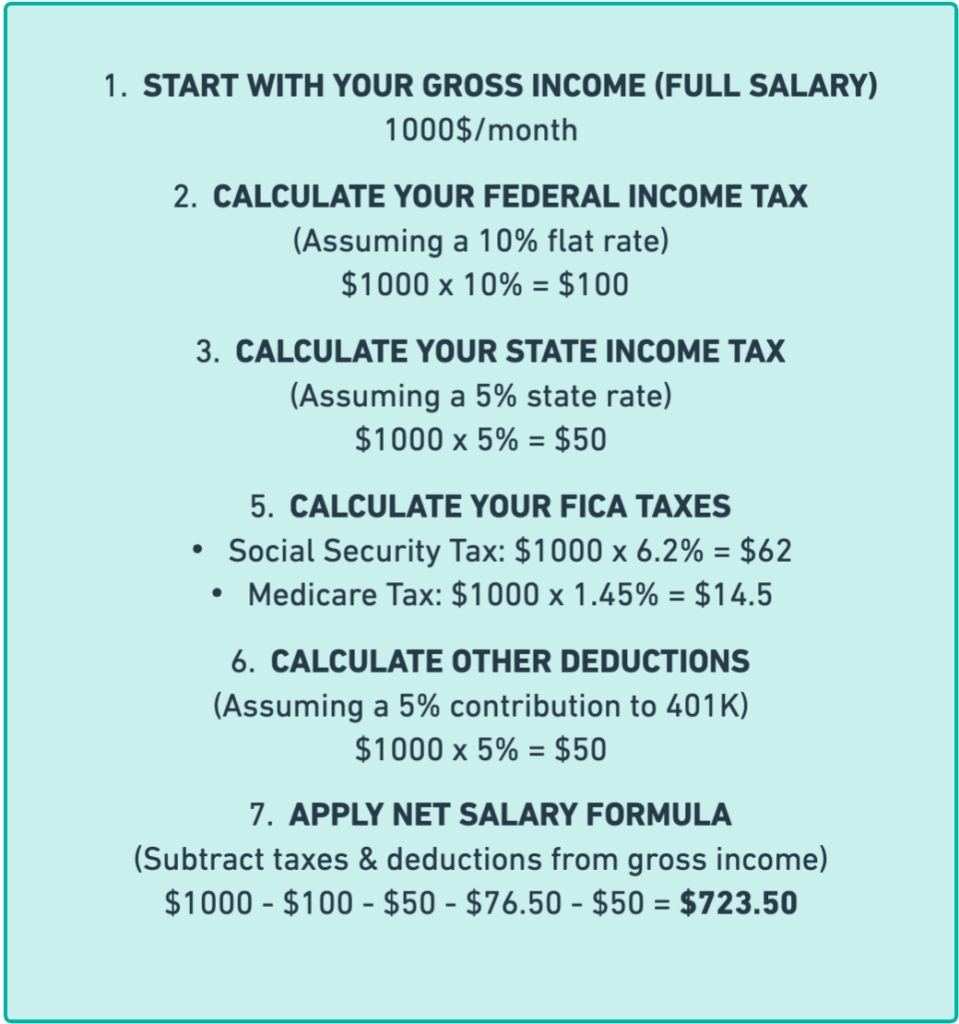
By focusing on your net pay—your actual take-home income—you can create a realistic budget that allocates funds for housing, food, transportation, debt repayment, savings, and discretionary spending. Knowing exactly how much money you have after all deductions allows you to:
- Avoid Overspending: Prevent the common mistake of budgeting for money you don’t actually receive.
- Allocate Funds Effectively: Direct funds towards your financial goals, whether it’s building an emergency fund, saving for a down payment, or paying off high-interest debt.
- Identify Areas for Improvement: If your net pay feels insufficient, understanding the deductions can help you identify if adjustments to your W-4 or benefit elections could provide more immediate cash flow, or if it highlights a need to increase income or reduce expenses.
Long-Term Financial Planning and Your Compensation
Your pay calculation extends beyond the immediate paycheck; it’s intricately linked to your long-term financial planning. The choices you make regarding voluntary deductions, particularly retirement contributions and pre-tax benefits, have compounding effects over years and decades.
- Retirement Savings: Consistent contributions to a 401(k) or similar plan, even if they reduce your immediate net pay, are critical for building a substantial retirement nest egg. Understanding how these pre-tax deductions lower your current tax burden while growing your wealth tax-deferred is a powerful motivator.
- Benefit Maximization: Fully leveraging employer-sponsored benefits like health insurance, FSAs, and HSAs, and understanding their tax advantages, can lead to significant savings on healthcare and other expenses over time.
- Tax Planning: An accurate grasp of your annual gross income and total withholdings helps you anticipate your tax liability, enabling you to make informed decisions about additional tax planning strategies, such as itemized deductions or tax credits, to optimize your financial position at year-end.
In conclusion, knowing how your pay is calculated transforms a seemingly complex process into a powerful tool for financial empowerment. By differentiating between gross and net pay, deciphering deductions, meticulously reviewing your pay stub, and strategically planning your withholdings and benefits, you gain invaluable control over your financial destiny. This understanding is not just about numbers; it’s about making informed decisions that pave the way for a secure and prosperous financial future.
aViewFromTheCave is a participant in the Amazon Services LLC Associates Program, an affiliate advertising program designed to provide a means for sites to earn advertising fees by advertising and linking to Amazon.com. Amazon, the Amazon logo, AmazonSupply, and the AmazonSupply logo are trademarks of Amazon.com, Inc. or its affiliates. As an Amazon Associate we earn affiliate commissions from qualifying purchases.