
In an age dominated by data and digital convenience, the once-daunting task of calculating calorie intake has been transformed by a plethora of technological innovations. Gone are the days of painstakingly looking up nutritional information in dense books or relying solely on memory. Today, smart apps, wearable devices, and sophisticated algorithms provide unparalleled accuracy, personalization, and ease, empowering individuals to take precise control over their dietary habits and health goals. This article delves into how modern technology has redefined calorie tracking, offering an insightful look at the tools and strategies available for anyone seeking to understand their energy balance better.
The Digital Evolution of Calorie Tracking
The journey of calorie tracking has undergone a significant metamorphosis, moving from rudimentary methods to highly sophisticated digital ecosystems. Understanding this evolution is key to appreciating the capabilities of current technology.
From Manual Logs to Digital Databases
Historically, tracking calorie intake was a manual, often cumbersome process. Individuals would meticulously record every food item consumed, estimate portion sizes, and then cross-reference these against nutritional tables to sum up their daily energy intake. This method was prone to human error, inconsistency, and required significant dedication. The advent of personal computers and, subsequently, smartphones, heralded a new era. Digital databases, initially simple spreadsheets, evolved into vast, searchable repositories of nutritional information. These databases, often cloud-based, allowed users to quickly find common food items, pre-packaged foods, and even restaurant meals, dramatically reducing the effort involved in logging. The ability to save frequently consumed meals and recipes further streamlined the process, marking the first major leap in calorie tracking efficiency.
Understanding Basal Metabolic Rate (BMR) and Total Daily Energy Expenditure (TDEE) in the Digital Age
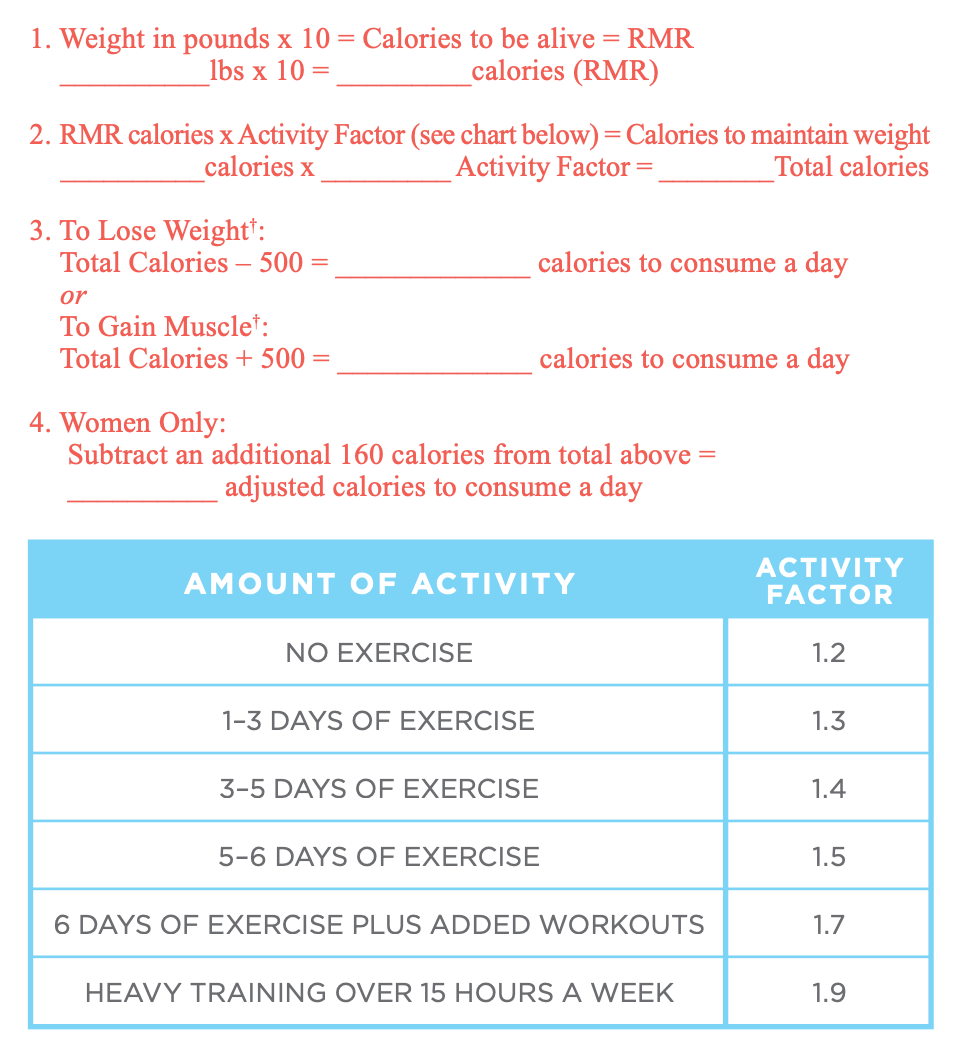
At the heart of calorie calculation lies the understanding of an individual’s energy needs. This begins with the Basal Metabolic Rate (BMR), the number of calories your body burns at rest to maintain basic physiological functions. Calculating BMR traditionally involved complex formulas like the Mifflin-St Jeor or Harris-Benedict equations, which factor in age, sex, weight, and height. To this, one adds calories burned through daily activities, resulting in the Total Daily Energy Expenditure (TDEE). Technology has made these calculations virtually instantaneous and incredibly accessible. Online BMR/TDEE calculators and, more importantly, integrated features within fitness apps, now automate these computations. Users simply input their demographic data and activity level, and the technology provides a precise caloric target, adjusting it as body weight changes or activity levels fluctuate. This automation removes the guesswork and mathematical complexity, providing a dynamic baseline for calorie management.
The Importance of Accuracy and Consistency
One of technology’s most profound contributions to calorie tracking is its capacity to enhance accuracy and promote consistency. Manual logging often suffers from subjective portion size estimations and forgotten entries. Digital tools, however, mitigate these challenges through various features:
- Barcode Scanners: Apps can instantly retrieve nutritional information for packaged foods by scanning their barcodes, eliminating manual entry and potential errors.
- Food Weight Integration: Some advanced tools and smart scales can connect directly to apps, accurately weighing food items and logging precise calorie counts.
- Recipe Builders: Users can input ingredients for homemade meals, and the app calculates the total nutritional content, then divides it by servings, ensuring accurate logging of complex dishes.
- Reminders and Notifications: Apps can prompt users to log meals, helping maintain consistency throughout the day and preventing missed entries.
By reducing the cognitive load and increasing the precision of data capture, technology has made consistent and accurate calorie tracking achievable for a broader audience.
Leveraging Smart Apps for Nutrition Insight
The smartphone has become the central hub for most digital calorie tracking, hosting a myriad of applications designed to simplify and enhance the process. These apps offer far more than just calorie counting; they provide deep nutritional insights.
Popular Calorie Tracking Applications
The market is rich with effective calorie tracking apps, each with unique strengths. MyFitnessPal, LoseIt!, Cronometer, and Fooducate are among the most popular. Their core features typically include:
- Extensive Food Databases: Billions of food items, including generic foods, branded products, restaurant meals, and user-submitted entries.
- Barcode Scanning: Quick entry for packaged foods.
- Recipe Import/Creation: Allows users to input or import recipes from websites and automatically calculate nutritional values per serving.
- Macronutrient Breakdown: Beyond total calories, these apps often display protein, carbohydrates, and fats, essential for those following specific dietary approaches (e.g., keto, high-protein).
- Micronutrient Tracking: Advanced apps like Cronometer excel at tracking vitamins and minerals, offering a comprehensive view of nutritional adequacy.
These apps transform the daunting task of diet analysis into an engaging and accessible daily habit.
Barcode Scanning and Database Integration
The convenience of barcode scanning cannot be overstated. By simply pointing your phone’s camera at a product’s barcode, an app can instantly pull up its nutritional label, serving size, and calorie count. This feature is particularly valuable for pre-packaged foods, eliminating the need for manual searching or data entry, which can be tedious and error-prone. These capabilities rely on massive, constantly updated databases, often a combination of official nutritional information, user-submitted data, and crowd-sourced verification. The integration of such robust databases ensures that users have access to reliable information for a vast array of food products from around the globe.
Custom Meal Planning and Goal Setting
Beyond tracking, smart apps serve as powerful tools for proactive meal planning and goal setting. Users can define their objectives—whether it’s weight loss, muscle gain, or maintenance—and the app calculates a personalized daily calorie target. Many apps allow users to:
- Set Macronutrient Ratios: Tailor protein, carb, and fat intake to align with specific dietary strategies or health conditions.
- Plan Meals in Advance: Pre-log meals for the day or week, ensuring they stay within their caloric and macro targets.
- Track Progress Over Time: Visualize weight changes, nutrient intake trends, and adherence to goals through intuitive charts and graphs.
- Receive Personalized Feedback: Some apps offer insights into eating patterns, suggesting healthier alternatives or identifying common pitfalls.
This proactive approach allows users to not only track what they eat but also strategically plan their intake to achieve desired outcomes.
Wearable Tech and AI: The Next Frontier in Calorie Management
The integration of wearable technology and the growing sophistication of artificial intelligence are propelling calorie management into an even more dynamic and personalized realm.
Integrating Wearables for Activity-Based Adjustments
Fitness trackers and smartwatches (e.g., Fitbit, Apple Watch, Garmin) have become ubiquitous, constantly monitoring activity levels, heart rate, sleep patterns, and estimated calorie expenditure. When these wearables sync with calorie tracking apps, they provide a powerful feedback loop. The calories burned through exercise and general daily movement, as estimated by the wearable, can be automatically factored into an individual’s daily caloric budget. This means if a user has a particularly active day, their calorie tracking app can adjust their remaining calorie allowance, offering a more precise and dynamic understanding of their energy balance. This integration moves beyond static BMR/TDEE calculations, providing real-time, activity-based caloric insights.

AI-Powered Food Recognition and Logging
One of the most exciting developments is the application of Artificial Intelligence to simplify food logging further. AI-powered tools are emerging that can:
- Image Recognition: Users can simply take a photo of their meal, and the AI attempts to identify the food items and estimate portion sizes, then automatically logs them. Apps like SnapCalorie or certain features within broader health platforms are pioneering this technology. While still evolving, the potential for effortless logging is immense.
- Voice Logging: Some apps allow users to verbally describe their meal, and the AI translates this into logged food items.
- Smart Food Scales: Scales that connect to apps can weigh food items and, with some level of AI, identify them to provide accurate calorie and macro counts directly to the user’s tracking log.
These advancements aim to remove the last vestiges of manual data entry, making calorie tracking almost passive and seamless.
Personalized Recommendations and Predictive Analytics
Beyond recognition, AI is increasingly capable of providing highly personalized dietary recommendations. By analyzing a user’s logged food data, activity levels from wearables, and stated goals, AI algorithms can:
- Identify Dietary Patterns: Pinpoint common eating habits, nutrient deficiencies, or areas of overconsumption.
- Suggest Healthier Swaps: Recommend alternative food choices that align with caloric or macro goals.
- Predict Outcomes: Based on current intake and activity, AI can project potential weight changes or progress towards goals, offering motivational insights.
- Adaptive Meal Plans: Dynamically adjust meal suggestions based on real-time data, such as a higher-calorie meal after an intense workout.
This level of intelligent analysis transforms tracking from a purely reactive process into a proactive coaching experience.
Beyond Basic Tracking: Data Analysis and Personalized Goals
Modern calorie tracking technology extends far beyond simple numerical sums, offering robust data analysis capabilities that empower users to gain deeper insights into their health journey.
Visualizing Progress and Identifying Patterns
The raw data of calorie and nutrient intake becomes truly valuable when it’s presented in an understandable and actionable format. Apps excel at transforming numbers into intuitive visualizations:
- Interactive Dashboards: Offer at-a-glance summaries of daily and weekly calorie intake, macro distribution, and goal adherence.
- Trend Charts: Display progress over time for weight, body fat percentage, and specific nutrient intake, allowing users to identify patterns and correlations between their diet and physical changes.
- Nutrient Breakdown Wheels/Bars: Clearly illustrate the proportion of calories coming from protein, carbs, and fats, and highlight micronutrient intake against recommended daily values.
Analyzing these visual reports can reveal crucial insights, such as how stress affects eating habits, the impact of weekend splurges, or specific nutrient gaps.
Addressing Nutritional Deficiencies and Surpluses
A comprehensive calorie tracking app doesn’t just focus on energy intake; it provides a detailed breakdown of macronutrients (protein, carbohydrates, fats) and often micronutrients (vitamins, minerals). This detailed view allows users and their health professionals to:
- Identify Nutrient Gaps: Discover if they are consistently falling short on essential vitamins (e.g., Vitamin D, B12) or minerals (e.g., Iron, Calcium).
- Monitor Macronutrient Balance: Ensure their intake of protein, carbs, and fats aligns with their health goals, whether it’s muscle building, energy for endurance, or satiety for weight management.
- Spot Excesses: Identify areas where they might be consuming too much sodium, saturated fat, or added sugars, which can have negative health implications.
By highlighting these specific areas, technology helps users make targeted dietary adjustments that improve overall health, not just weight.
Connecting with Professionals
Many calorie tracking platforms offer features that facilitate collaboration with healthcare professionals, such as dietitians, nutritionists, or personal trainers. This often includes:
- Data Sharing: Securely share detailed food logs, activity data, and progress reports directly with a professional. This provides a comprehensive and objective overview of a client’s habits.
- Professional Access: Some platforms allow professionals to remotely view and comment on client logs, offer advice, or adjust meal plans in real-time.
- In-App Messaging: Secure communication channels within the app for direct interaction and guidance.
This professional integration bridges the gap between self-tracking and expert guidance, leading to more informed and effective dietary interventions.
Choosing the Right Tech for Your Calorie Calculation Journey
With so many options available, selecting the appropriate technology for calorie calculation requires careful consideration of several factors.
User-Friendliness and Interface
The most powerful app is useless if it’s too complicated to use consistently. Look for an intuitive, clean interface that makes food logging quick and straightforward. Features like quick add options, saved meals, and easy navigation are crucial for long-term adherence. An app that feels overwhelming will likely be abandoned quickly.
Database Size and Accuracy
The reliability of your calorie calculation hinges on the quality of the food database. Ensure the app has a comprehensive and accurate database that includes foods relevant to your diet (e.g., specific brands, international cuisine, common restaurant chains). Verify if the database is user-generated (which can sometimes be less accurate) or professionally curated and verified.
Integration Capabilities
Consider how well the app integrates with other health and fitness technology you already use. Seamless synchronization with your smart scales, fitness trackers (e.g., Apple Health, Google Fit, Garmin Connect), and even other health apps will provide a more holistic view of your health data and reduce redundant data entry.
Cost vs. Features
Calorie tracking apps range from entirely free to premium subscription models. Free versions typically offer basic logging and tracking. Paid subscriptions often unlock advanced features like macro tracking, micronutrient analysis, personalized coaching, detailed reports, ad-free experience, and exclusive content. Evaluate whether the additional features justify the cost for your specific needs and goals.
Data Privacy and Security
Given that you’ll be sharing sensitive personal health information, it’s paramount to choose a platform with robust data privacy and security policies. Review the app’s privacy policy to understand how your data is collected, stored, and used. Opt for apps that prioritize user privacy and offer options for data export or deletion.
In conclusion, calculating calorie intake has transcended its manual origins, evolving into a sophisticated, technology-driven process. From smart apps that offer expansive food databases and barcode scanning to wearable tech that dynamically adjusts energy expenditure and AI that provides predictive insights, the tools available today are more powerful and user-friendly than ever before. By strategically leveraging these technologies, individuals can gain unprecedented clarity and control over their nutrition, making informed choices that significantly contribute to their health and wellness goals.
aViewFromTheCave is a participant in the Amazon Services LLC Associates Program, an affiliate advertising program designed to provide a means for sites to earn advertising fees by advertising and linking to Amazon.com. Amazon, the Amazon logo, AmazonSupply, and the AmazonSupply logo are trademarks of Amazon.com, Inc. or its affiliates. As an Amazon Associate we earn affiliate commissions from qualifying purchases.