
For many, the world of the stock market has long been shrouded in a veil of complexity, often perceived as a high-stakes arena reserved exclusively for Wall Street elites and institutional titans. However, the digital revolution has democratized finance, stripping away the barriers to entry and allowing anyone with an internet connection and a modest amount of capital to own a piece of the world’s most successful companies. Buying a stock is no longer about shouting on a trading floor; it is a calculated, strategic process of wealth building.

To navigate this landscape successfully, one must move beyond the “get rich quick” mentality and approach the market with a disciplined framework. This guide outlines the essential steps to transition from a curious observer to a confident investor, ensuring you have the tools to build a robust financial future.
Laying the Groundwork: Assessing Your Financial Readiness
Before you execute your first trade, it is imperative to ensure that your financial foundation is solid. Investing in the stock market involves inherent risks, and using capital that you might need for immediate expenses is a recipe for disaster. The first step in buying stocks is not picking a company, but rather auditing your own balance sheet.
Assessing Your Risk Tolerance and Timeline
Every investor has a unique psychological and financial capacity for risk. Before buying stocks, ask yourself: “How would I react if my portfolio dropped 20% in a single month?” If the answer is panic, you may need a more conservative approach. Your timeline is equally critical. Money intended for a house down payment in two years should likely not be in the stock market. Equity investing is most effective over a five-to-ten-year horizon, allowing you to weather the inevitable volatility of market cycles.
Building an Emergency Fund and Clearing Debt
The stock market is a vehicle for long-term growth, not a replacement for a savings account. Financial advisors generally recommend having three to six months of living expenses in a high-yield savings account before moving money into brokerage accounts. Furthermore, if you are carrying high-interest debt—such as credit card balances—the interest rate you are paying likely exceeds the expected return of the stock market. In this scenario, paying off debt is a “guaranteed return” that should take precedence over buying shares of a company.
Selecting the Right Vehicle: Choosing Your Brokerage Platform
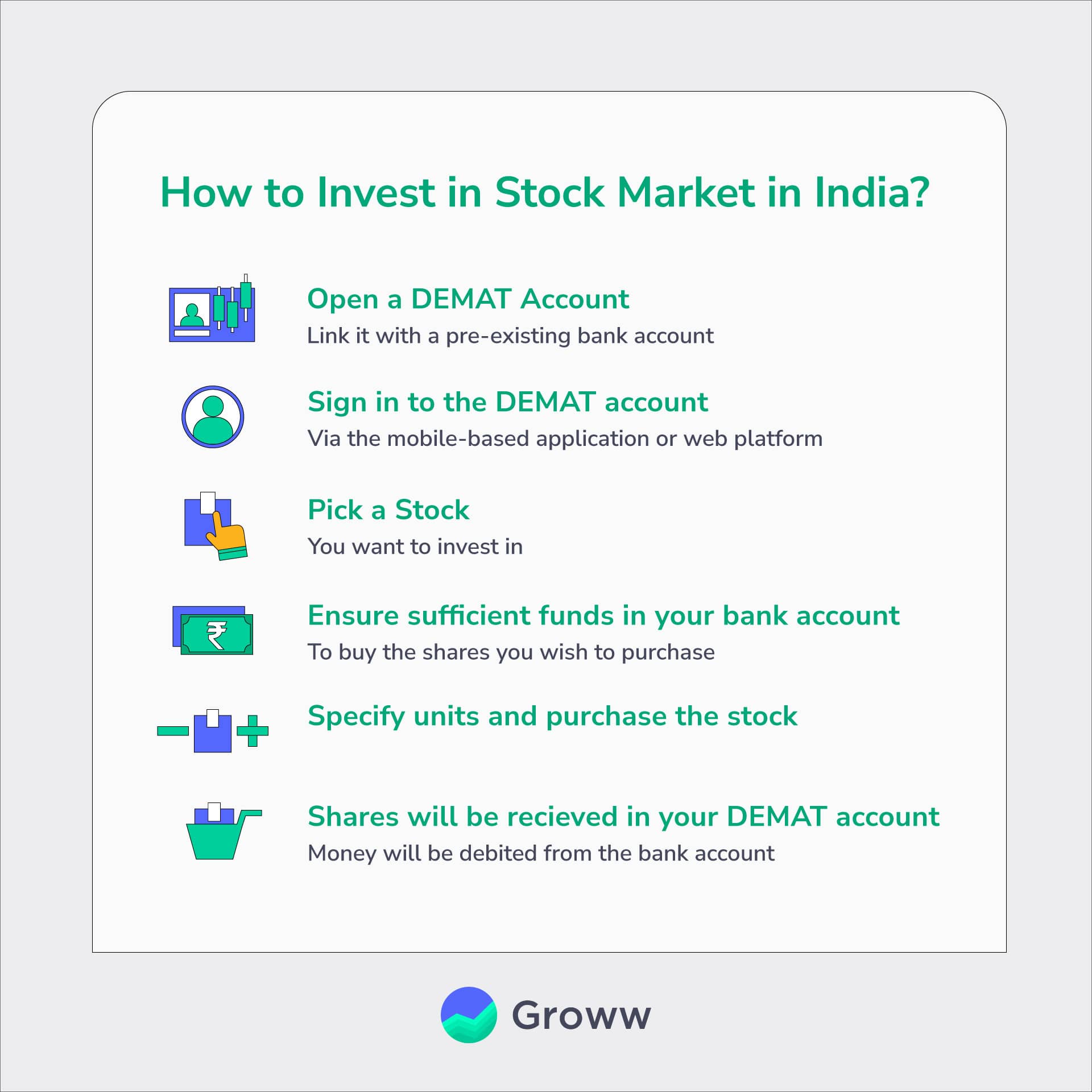
Once your finances are in order, you need a gateway to the market. A brokerage acts as the intermediary between you and the stock exchanges (like the NYSE or NASDAQ). In the current market, investors are spoiled for choice, but selecting the right platform depends on your specific needs and level of expertise.
Understanding the Different Types of Brokers
Brokerages generally fall into two categories: full-service and discount. Full-service brokers provide personalized investment advice, estate planning, and tax strategies, but they charge significant commissions and management fees. For the modern individual investor, discount brokers—which include popular apps and online platforms—are often the better choice. These platforms have largely moved to a zero-commission model for stock trades, making it incredibly cost-effective to start small.
When choosing, consider the user interface, the availability of educational resources, and the quality of customer service. Established firms like Fidelity, Charles Schwab, and Vanguard offer deep research tools, while newer fintech apps prioritize ease of use and fractional shares, which allow you to buy $5 worth of a high-priced stock like Amazon or Google.
Choosing the Correct Account Type
When you open a brokerage account, you must decide how it will be treated for tax purposes. A standard taxable brokerage account offers the most flexibility, allowing you to withdraw money at any time, but you will owe capital gains taxes on your profits. Alternatively, if you are investing for retirement, accounts like a Traditional IRA or a Roth IRA offer significant tax advantages. In a Roth IRA, for example, your investments grow tax-free, and qualified withdrawals in retirement are not taxed. Choosing the right “bucket” for your stocks can save you tens of thousands of dollars in taxes over several decades.
The Art of Selection: How to Research Stocks and Build a Portfolio
With an account funded and ready, the next challenge is deciding what to buy. With thousands of publicly traded companies available, the paradox of choice can lead to “analysis paralysis.” Successful investors use a combination of fundamental analysis and strategic diversification to mitigate risk.
Utilizing Fundamental Analysis
Buying a stock means buying a partial ownership stake in a business. Therefore, you should evaluate a stock the same way you would evaluate a local business you were considering purchasing. Key metrics to look at include:
- Revenue and Earnings Growth: Is the company making more money over time?
- Price-to-Earnings (P/E) Ratio: How much are you paying for every dollar of profit the company generates?
- Competitive Moat: Does the company have a unique advantage (like a brand, patent, or scale) that prevents competitors from stealing its market share?
- Debt-to-Equity: Does the company have too much debt, making it vulnerable during an economic downturn?
The Power of Diversification and ETFs
For many beginners, picking individual winners is difficult and time-consuming. This is where Exchange-Traded Funds (ETFs) come into play. An ETF is a basket of stocks that trades on an exchange just like an individual share. For example, buying an S&P 500 index fund gives you instant exposure to 500 of the largest companies in the United States. This “diversification” ensures that if one company fails, your entire portfolio doesn’t go down with it. A common strategy is to use low-cost index funds as the “core” of a portfolio while allocating a smaller percentage to individual “satellite” stocks you believe have high growth potential.
Pulling the Trigger: Executing Your First Trade
Once you have identified a stock or ETF, the final step is the technical execution of the trade. While it may seem as simple as clicking a “buy” button, understanding the mechanics of an order can help you get the best possible price.
Market Orders vs. Limit Orders
When you go to buy a stock, the brokerage will ask what type of order you want to place.
- Market Order: This tells the broker to buy the stock immediately at the current best available price. While this guarantees the trade will happen quickly, the price can fluctuate between the time you send the order and the time it is executed.
- Limit Order: This allows you to set a maximum price you are willing to pay. For example, if a stock is trading at $102, you can set a limit order for $100. The trade will only execute if the price drops to $100 or lower. This gives you more control over your entry point and protects you from “gaps” in price.
Monitoring and Rebalancing
The process doesn’t end once the “Buy” order is confirmed. Managing a portfolio requires periodic check-ins. However, “monitoring” does not mean checking the price every five minutes. Successful investing is often about the “discipline of doing nothing.” You should review your holdings quarterly or semi-annually to ensure the original reason you bought the stock still holds true. If one stock has grown so much that it now makes up too large a portion of your portfolio, you may need to “rebalance” by selling some of it and reinvesting the proceeds into other areas to maintain your desired risk level.

Conclusion: The Long-Term Perspective
Buying stocks is a journey, not a destination. The mechanics of opening an account and placing a trade are relatively simple, but the psychology of remaining invested through market highs and lows is where the true challenge lies. By focusing on sound financial habits, choosing a low-cost brokerage, conducting thorough research, and maintaining a long-term perspective, you transform the stock market from a place of uncertainty into a powerful engine for wealth creation.
The best time to start was ten years ago; the second best time is today. Start small, stay consistent with your contributions, and let the power of compounding returns work in your favor. As you gain experience, the fluctuations of the market will seem less like threats and more like opportunities to build the financial independence you desire.
aViewFromTheCave is a participant in the Amazon Services LLC Associates Program, an affiliate advertising program designed to provide a means for sites to earn advertising fees by advertising and linking to Amazon.com. Amazon, the Amazon logo, AmazonSupply, and the AmazonSupply logo are trademarks of Amazon.com, Inc. or its affiliates. As an Amazon Associate we earn affiliate commissions from qualifying purchases.