
For many, the stock market can feel like a fortress—an intimidating, complex world of tickers, shouting traders, and high-stakes gambling. However, the reality of modern investing is far more accessible. Buying into the stock market is one of the most effective ways to build long-term wealth, outpace inflation, and secure a financial future. It is no longer reserved for the elite; with a smartphone and a few dollars, anyone can become a partial owner of the world’s most successful companies.
The journey from a curious observer to a confident investor requires a structured approach. It involves more than just picking a “hot” stock; it requires understanding your financial position, choosing the right tools, and committing to a strategy that aligns with your life goals.
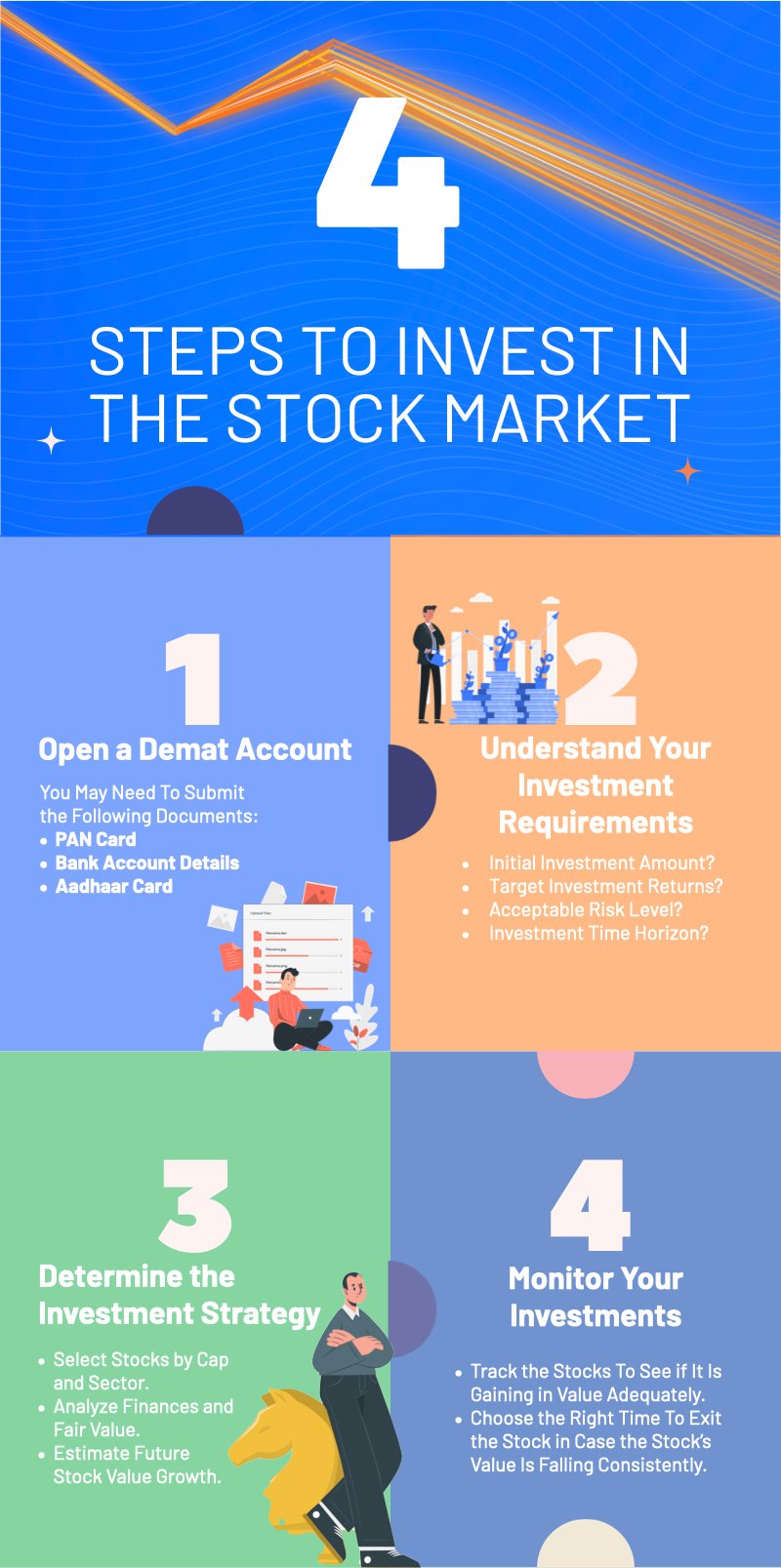
Building a Foundation: Preparing Your Finances for Investing
Before you place your first trade, it is essential to ensure your financial house is in order. Investing is a long-term game, and you do not want to be forced to sell your positions at a loss because of a short-term cash crunch.
Assessing Your Financial Health
The first step in buying into the stock market is conducting an honest audit of your current finances. Most financial advisors recommend two prerequisites before investing significant capital: an emergency fund and the elimination of high-interest debt.
An emergency fund—typically three to six months of living expenses—acts as a buffer. Stock market prices fluctuate; if you need cash during a market downturn, you won’t want to liquidate your investments when they are at their lowest point. Simultaneously, if you are carrying credit card debt with an interest rate of 20% or higher, the mathematical reality is that paying off that debt provides a guaranteed “return” that is likely higher than what you would earn in the market.
Defining Your Investment Goals and Risk Tolerance
Why are you investing? Are you saving for a down payment on a house in five years, or are you looking toward a retirement thirty years away? Your timeline dictates your strategy.
Risk tolerance is equally important. How would you react if your portfolio dropped 20% in a single month? If that thought causes panic, a more conservative approach involving bonds and stable, large-cap stocks might be appropriate. If you have time on your side and a high appetite for risk, you might lean toward growth stocks or emerging markets. Understanding your psychological relationship with money is the key to staying invested through the market’s inevitable cycles.
Choosing the Right Brokerage Platform
To buy stocks, you need a brokerage account. Think of a broker as the intermediary between you and the stock exchanges like the New York Stock Exchange (NYSE) or the Nasdaq.
Full-Service vs. Discount Brokers
Historically, investors had to call a human broker who would execute trades for a significant commission. Today, the landscape is dominated by digital platforms.
Discount and Online Brokers: Platforms like Fidelity, Charles Schwab, and Vanguard offer robust tools with zero-commission trades for most stocks and Exchange-Traded Funds (ETFs). These are ideal for the vast majority of individual investors.
Robo-Advisors: If you prefer a “hands-off” approach, robo-advisors like Betterment or Wealthfront use algorithms to build and manage a portfolio for you based on your risk profile. While they charge a small management fee, they take the guesswork out of asset allocation.
Evaluating Fees, Tools, and User Experience
When selecting a platform, look closely at the fee structure. While most trades are now free, there may still be fees for options trading, wire transfers, or paper statements. Additionally, consider the platform’s educational resources. For a beginner, a broker that provides deep-dive research reports and intuitive mobile apps is invaluable. Security is also paramount; ensure any broker you choose is a member of the Securities Investor Protection Corporation (SIPC), which protects your assets if the brokerage firm fails.
Selecting Your Investment Vehicles
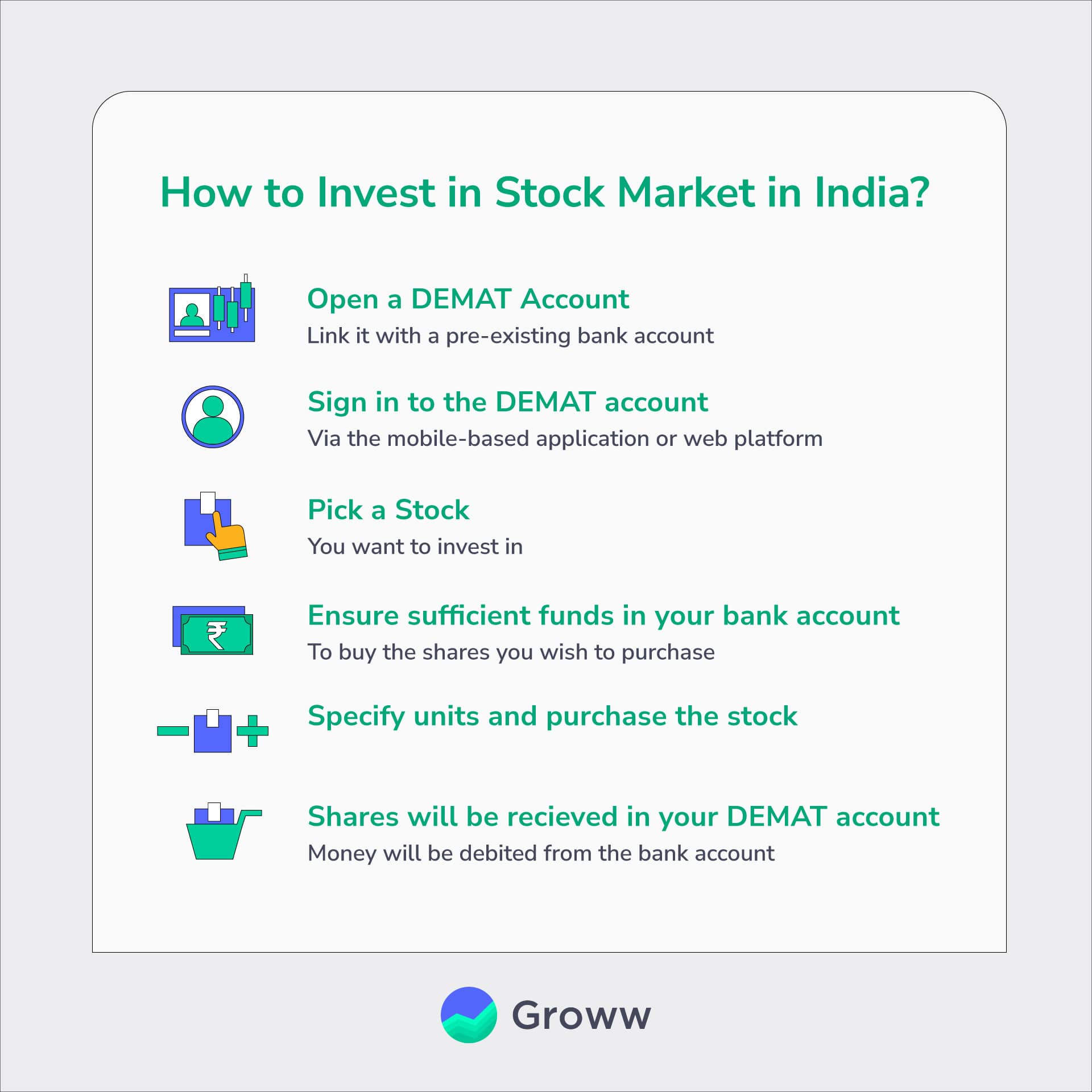
Once your account is funded, the next question is: what exactly should you buy? You don’t have to be a stock-picking genius to succeed; in fact, simplicity often wins in the long run.
Individual Stocks vs. ETFs and Mutual Funds
Buying individual stocks allows you to own a piece of a specific company. If you believe strongly in the future of a specific tech giant or a consumer brand, you can buy shares of that company. However, this requires significant research and exposes you to “single-stock risk”—if that one company fails, your investment vanishes.
For most people, Exchange-Traded Funds (ETFs) or Mutual Funds are the preferred entry point. An ETF is a basket of hundreds or even thousands of stocks. For example, an S&P 500 index fund allows you to buy a small slice of the 500 largest companies in the United States simultaneously. This provides instant diversification; even if a few companies within the index perform poorly, the overall growth of the market carries your investment forward.
The Power of Diversification and Asset Allocation
Diversification is the only “free lunch” in investing. It means not putting all your eggs in one basket. A well-rounded portfolio might include a mix of domestic stocks, international stocks, and perhaps some bonds for stability. By spreading your capital across different sectors (tech, healthcare, energy) and geographic regions, you reduce the impact of a downturn in any single area.
Executing Your First Trade and Managing Your Portfolio
The act of buying a stock is technically simple, but the terminology can be confusing for a first-timer. When you go to the “Trade” screen on your brokerage app, you will face several choices.
Understanding Market Orders vs. Limit Orders
A Market Order is an instruction to buy a stock immediately at the best available current price. This is the simplest way to trade, but in a volatile market, the price you pay might be slightly higher than the last price you saw.
A Limit Order allows you to set a maximum price you are willing to pay. If the stock is trading at $150 but you only want to pay $148, you can set a limit order. The trade will only execute if the price drops to your specified level. For long-term investors, market orders are usually sufficient, but limit orders offer more control over the entry price.
The Importance of Consistency: Dollar-Cost Averaging
Many new investors wait for the “perfect time” to buy. They try to time the market, hoping to catch a bottom. This is notoriously difficult, even for professionals.
A more effective strategy is Dollar-Cost Averaging (DCA). This involves investing a fixed amount of money at regular intervals (e.g., $200 every payday), regardless of the stock price. When prices are high, your $200 buys fewer shares; when prices are low, your $200 buys more shares. Over time, this lowers your average cost per share and removes the emotional stress of trying to predict market movements.
Long-Term Strategies for Success
Buying into the stock market is the beginning of a marathon, not a sprint. The real wealth is generated through the power of compounding—where your earnings begin to earn their own earnings.
Avoiding Emotional Investing
The stock market is driven by two primary emotions: fear and greed. When the market is booming, greed tempts investors to chase “meme stocks” or over-leverage their positions. When the market crashes, fear drives people to sell their investments at a loss to “save” what is left.
Successful investors develop a plan and stick to it. They view market volatility not as a disaster, but as a normal part of the economic cycle. By maintaining a long-term perspective—often measured in decades—you can weather the temporary storms that cause short-term traders to fail.
Rebalancing and Monitoring Progress
While you shouldn’t obsess over daily price movements, you should check in on your portfolio periodically. Over time, some investments will grow faster than others, which can throw your asset allocation out of balance. For example, if you wanted a portfolio of 80% stocks and 20% bonds, a big year in the stock market might leave you with 90% stocks. Rebalancing involves selling some of the “winners” and buying more of the “underperformers” to return to your target allocation. This forced discipline encourages you to sell high and buy low.
Ultimately, buying into the stock market is an act of optimism. It is a bet on human ingenuity and the continued growth of the global economy. By starting early, staying diversified, and keeping costs low, you transform your earnings into an engine for wealth creation that works for you even while you sleep. The most important step is simply to begin.
aViewFromTheCave is a participant in the Amazon Services LLC Associates Program, an affiliate advertising program designed to provide a means for sites to earn advertising fees by advertising and linking to Amazon.com. Amazon, the Amazon logo, AmazonSupply, and the AmazonSupply logo are trademarks of Amazon.com, Inc. or its affiliates. As an Amazon Associate we earn affiliate commissions from qualifying purchases.