
In an increasingly digital world, understanding the financial mechanisms behind our online consumption is paramount. Google Play credit, a digital currency within Google’s ecosystem, serves as a gateway to apps, games, movies, books, and subscriptions available on the Google Play Store. While seemingly straightforward, the act of acquiring and managing this credit offers a unique lens into personal finance, budgeting strategies, and financial security in the digital realm. This article delves into the various methods of purchasing Google Play credit, examining each through the prism of financial decision-making and savvy resource management.
Understanding Google Play Credit as a Financial Instrument
At its core, Google Play credit is a prepaid digital asset, a form of virtual currency that holds real-world value. It allows users to make purchases within the Google Play Store without directly linking a credit card or bank account to every transaction. From a personal finance perspective, this distinction is significant, transforming a simple purchase method into a potential tool for budgeting and controlled spending.
More Than Just Digital Cash: A Budgeting Tool
Consider Google Play credit not merely as a substitute for cash, but as a dedicated financial allocation. By purchasing a specific amount of credit, individuals can effectively set a hard limit on their digital entertainment or productivity spending. This pre-payment mechanism offers a tangible way to curb impulse buys and manage discretionary funds. For instance, allocating $50 for monthly app purchases via a Google Play gift card ensures that once that credit is depleted, further purchases are halted until the next allocation. This approach integrates digital spending into a broader personal budget, fostering discipline and preventing accidental overspending that can occur with directly linked payment methods. It shifts the financial commitment from an open-ended line of credit to a defined, pre-funded amount, making it an invaluable tool for those seeking greater control over their digital expenditures.
The Nature of Digital Value: Credit vs. Direct Payment
The fundamental difference between using Google Play credit and a direct payment method (like a credit card or PayPal linked to the Play Store) lies in the nature of the financial commitment and tracking. Direct payments draw directly from a bank account or credit line, often with immediate effect and less inherent oversight unless one meticulously tracks every transaction. While convenient, this can obscure the cumulative cost of small, frequent purchases.
Conversely, Google Play credit functions as a closed-loop system once activated. The initial financial transaction occurs when the credit is purchased, effectively moving funds from a traditional account into a digital wallet. Subsequent purchases within Google Play then draw from this pre-funded balance. This allows for a clear separation of funds, making it easier to monitor how much has been spent on digital content and how much remains. For families, or individuals looking to manage spending for dependents, this offers a controlled environment where access to broader financial accounts is restricted, providing a safer and more accountable way to engage with digital commerce.
Methods of Acquisition: A Financial Comparison
The ways to acquire Google Play credit are diverse, each presenting different financial implications in terms of convenience, security, and potential for savings. Understanding these options allows consumers to choose the method best aligned with their personal finance strategies.
Physical Gift Cards: Tangible Control over Digital Spending
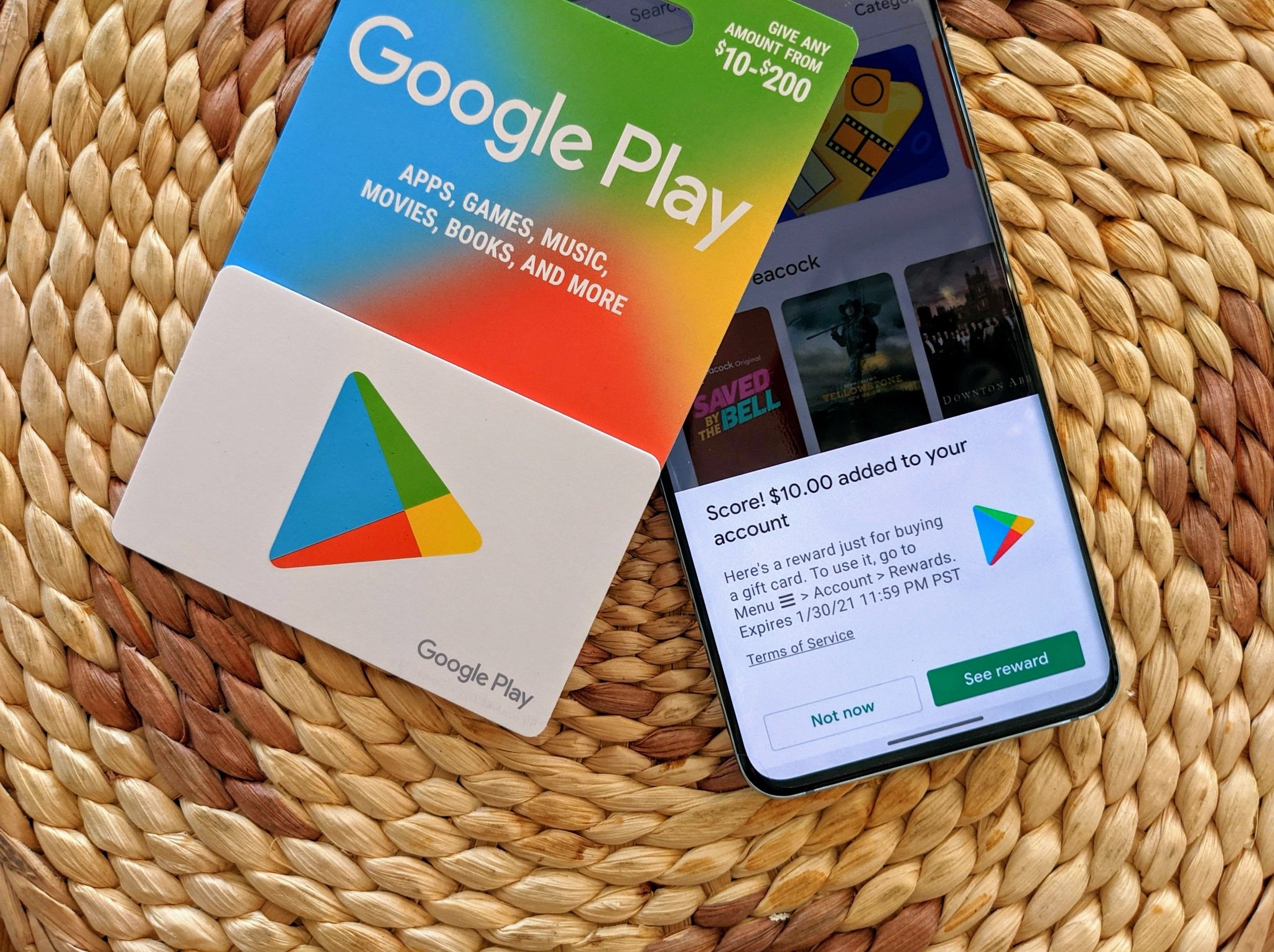
Physical Google Play gift cards are a popular and financially sound method of acquiring credit. These cards can be purchased from a wide array of retail outlets, including supermarkets, electronics stores, convenience stores, and sometimes even gas stations. The denominations typically range from small amounts (e.g., $10-$25) to larger sums or variable amounts, offering flexibility for various budgeting needs.
From a financial perspective, physical gift cards offer several benefits:
- Self-Imposed Spending Limits: They enforce a strict budget, as purchases can only be made up to the card’s value.
- Enhanced Financial Security: Since the card is purchased with cash or a separate transaction, the primary banking or credit card details are not directly exposed to the Google Play Store. If the Google account were compromised, only the credit balance would be at risk, not directly linked bank accounts.
- Gift-Giving: They serve as an excellent gift, allowing recipients to choose their preferred digital content without the giver needing to know their personal payment information or specific preferences.
- Cash Purchases: For individuals who prefer to deal primarily in cash, physical gift cards provide a straightforward way to fund digital purchases without requiring a bank account or credit card.
Digital Gift Codes: Instant Access and Convenience
Digital Google Play gift codes offer the same financial utility as physical cards but prioritize instant delivery and convenience. These codes can be purchased from various online retailers, including Amazon, the official Google Store, PayPal Digital Gifts, and sometimes directly through banking apps or mobile wallets. Upon purchase, the code is typically emailed to the buyer within minutes, ready for immediate redemption.
The financial advantages of digital codes include:
- Speed and Accessibility: Ideal for immediate purchases or last-minute gifts, avoiding the need to visit a physical store.
- Potential for Online Discounts: Online retailers frequently offer promotions or discounts on digital gift cards, allowing savvy consumers to acquire credit for less than its face value, thereby maximizing their purchasing power.
- Remote Gifting: Easily sent to recipients anywhere with an internet connection, simplifying cross-border or long-distance gift-giving.
While offering convenience, users should ensure they are purchasing from reputable vendors to mitigate the risk of fraudulent codes.
Direct Purchase via Google Play Store: Integrating with Existing Payment Methods
The most direct way to add credit or make purchases on Google Play is through the Play Store itself, utilizing linked payment methods. Users can add funds to their Google Play balance or directly pay for apps, subscriptions, and in-app purchases using:
- Credit/Debit Cards: Most major cards (Visa, MasterCard, American Express) can be linked.
- PayPal: Offers an additional layer of security by abstracting bank details from the merchant.
- Carrier Billing: For eligible mobile subscribers, purchases can be charged directly to their phone bill.
- Other Payment Methods: Depending on the region, options like direct debit or specific local payment services might be available.

This method offers unparalleled convenience, allowing for seamless transactions without the intermediary step of purchasing a gift card. However, from a financial control perspective, it requires more diligence. Without the inherent spending limit of a gift card, it’s easier to accumulate charges, especially with subscriptions or in-app purchases. Users must rely on their own budgeting and monitoring practices to prevent overspending. Leveraging features like purchase authentication and password protection for purchases can add a layer of financial security.
Earning Credit through Rewards Programs: Leveraging Financial Loyalty
Beyond direct purchase, some avenues allow users to earn Google Play credit, effectively reducing out-of-pocket expenses. The most prominent example is Google Opinion Rewards, an app that pays users small amounts of Google Play credit for completing short surveys. While not a direct purchase method, it represents a form of micro-income that directly translates into purchasing power within the Google Play ecosystem. Participating in such programs demonstrates a strategic approach to personal finance, where one leverages spare time or data insights to offset entertainment costs. Other promotions or cashback programs might occasionally offer Google Play credit as a reward, incentivizing financially savvy consumers to seek out these opportunities.
Financial Implications and Best Practices for Google Play Credit
Integrating Google Play credit effectively into one’s financial strategy requires more than just understanding how to buy it. It involves adopting best practices that maximize its value, enhance security, and align with broader financial goals.
Budgeting for Digital Consumption: Allocating Funds Wisely
The cornerstone of responsible personal finance is budgeting, and digital consumption should be no exception. Treat Google Play credit like any other budget category:
- Set Clear Limits: Determine a monthly or quarterly allowance for digital content (apps, games, movies, subscriptions).
- Track Spending: Regularly review your Google Play purchase history to stay informed about where your money is going.
- Prioritize Needs vs. Wants: Distinguish between essential apps or subscriptions and discretionary entertainment items.
- Integrate into Broader Budget: Ensure your digital spending fits comfortably within your overall personal budget, without compromising savings goals or essential expenses. Using gift cards can be a tangible way to enforce these limits.
Maximizing Value: Discounts, Promotions, and Strategic Purchases
Savvy consumers always look for opportunities to get more for their money. For Google Play credit:
- Hunt for Gift Card Sales: Retailers frequently offer discounts on Google Play gift cards (e.g., “Buy a $50 card for $45”). These promotions represent immediate savings and increase your purchasing power.
- Monitor App and In-App Sales: Google Play regularly hosts sales on apps, games, and in-app content. Purchasing credit during a gift card sale and then using that credit during an app sale is a double win.
- Evaluate Subscription Costs: Consider whether a monthly subscription truly provides value for money, especially if you have other free alternatives.
- Avoid Impulse Buys: With pre-purchased credit, it’s easier to be swayed by immediate gratification. Practice mindful consumption and make informed decisions.
Security and Fraud Prevention in Digital Transactions
Financial security is paramount. When dealing with Google Play credit:
- Protect Gift Card Codes: Treat unredeemed gift card codes like cash. Do not share them with unknown parties. Be wary of scams that demand Google Play gift cards as payment for services or threats.
- Secure Payment Methods: When buying digital codes or directly through the Play Store, ensure you use secure, reputable websites and payment gateways. Always check for HTTPS in the URL.
- Google Account Security: Enable two-factor authentication (2FA) on your Google account. This adds a critical layer of protection, making it much harder for unauthorized individuals to access your credit or linked payment methods.
- Review Account Activity: Regularly check your Google Play purchase history for any unauthorized transactions.
The Financial Lifespan of Google Play Credit
Generally, Google Play credit purchased via gift cards in most regions does not expire. However, it’s crucial to understand a few financial nuances:
- Non-Transferability: Google Play credit is linked to a specific Google account and cannot be transferred to another user.
- Non-Redeemable for Cash: Once redeemed, the credit cannot be converted back into cash. This reinforces its role as a dedicated fund for Google Play purchases.
- Regional Restrictions: Gift cards and credit typically have regional restrictions. A card purchased in the U.S. generally cannot be redeemed on an account set to a different country. Be mindful of currency conversions and regional pricing if traveling or purchasing for someone abroad.
Strategic Integration: Google Play Credit in a Broader Financial Portfolio
Beyond individual consumption, Google Play credit can play a strategic role in family finance and expense management, especially in an era where digital content is ubiquitous.
Gifting and Controlled Spending for Dependents
For parents, Google Play gift cards offer an excellent mechanism for controlled spending for children or teenagers. Instead of providing direct access to a credit card, which carries inherent risks of accidental or unauthorized purchases, a parent can load a specific amount of credit onto a child’s Google account (or give them a gift card to redeem). This allows children to make their own choices within a pre-defined financial boundary, fostering a sense of responsibility and early financial literacy without exposing sensitive banking information. It enables them to experience digital commerce in a safe, contained environment.
Avoiding Unnecessary Bank Fees or Overdrafts
For individuals managing tight budgets or those who frequently make small digital purchases, relying on Google Play credit can prevent unforeseen bank charges. Each direct debit or credit card transaction, especially if foreign exchange rates are involved, can sometimes incur micro-fees. More critically, if a bank account balance is low, frequent small digital purchases could inadvertently lead to overdraft fees, which are often significantly higher than the purchase itself. By loading a lump sum onto Google Play credit, all subsequent small purchases draw from this pre-paid balance, consolidating transactions and insulating the primary bank account from frequent, potentially risky, direct debits.
In conclusion, buying Google Play credit is more than a simple transaction; it’s a financial decision with implications for budgeting, security, and smart consumption. By understanding the various acquisition methods and adopting best practices, users can leverage Google Play credit not just for entertainment, but as an integral part of their personal finance strategy in the digital age.
aViewFromTheCave is a participant in the Amazon Services LLC Associates Program, an affiliate advertising program designed to provide a means for sites to earn advertising fees by advertising and linking to Amazon.com. Amazon, the Amazon logo, AmazonSupply, and the AmazonSupply logo are trademarks of Amazon.com, Inc. or its affiliates. As an Amazon Associate we earn affiliate commissions from qualifying purchases.